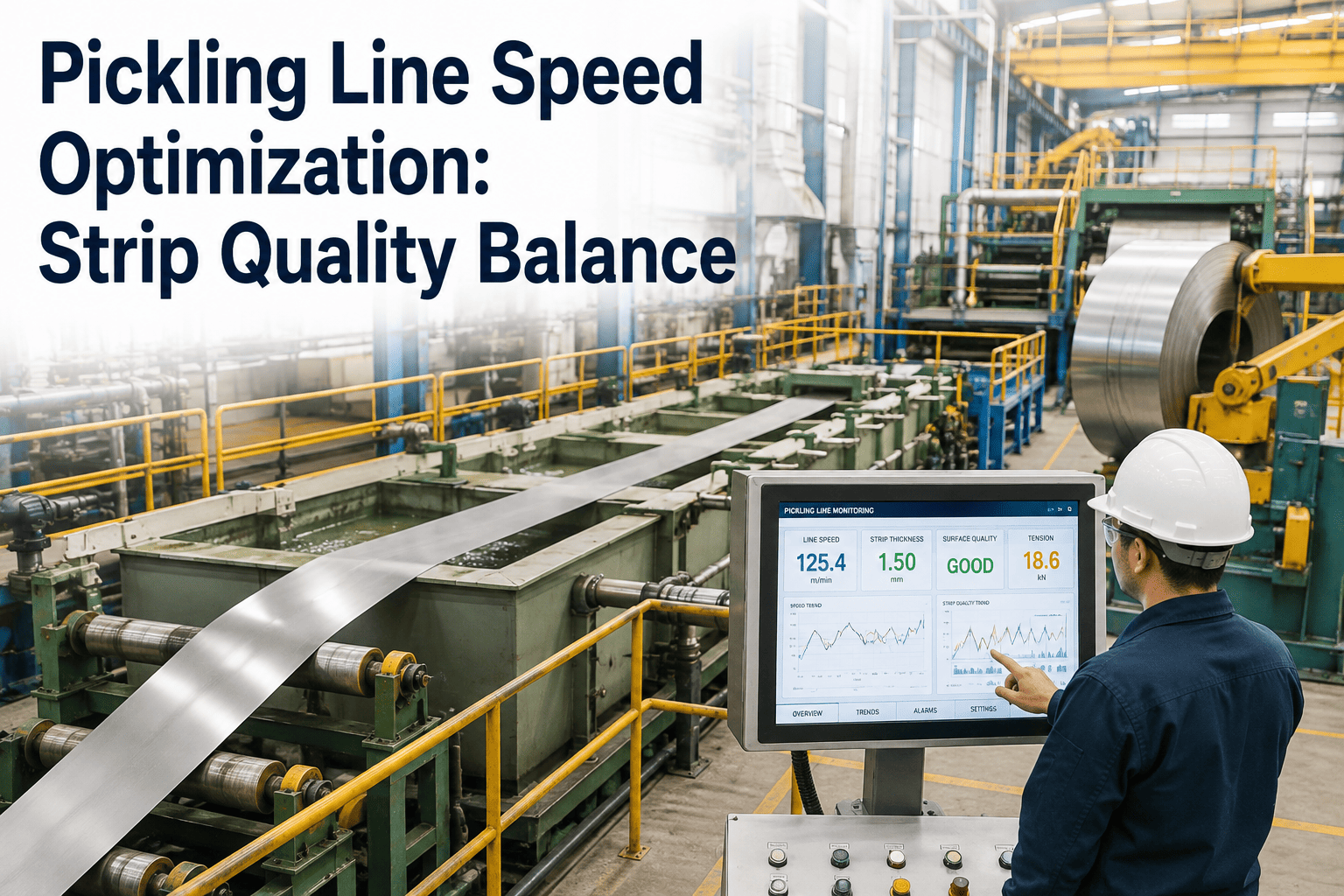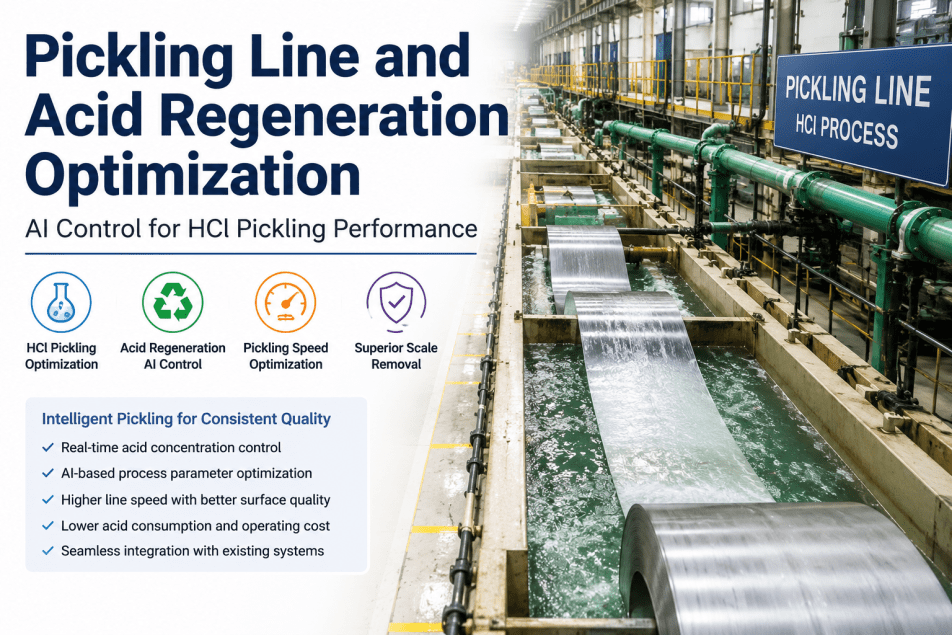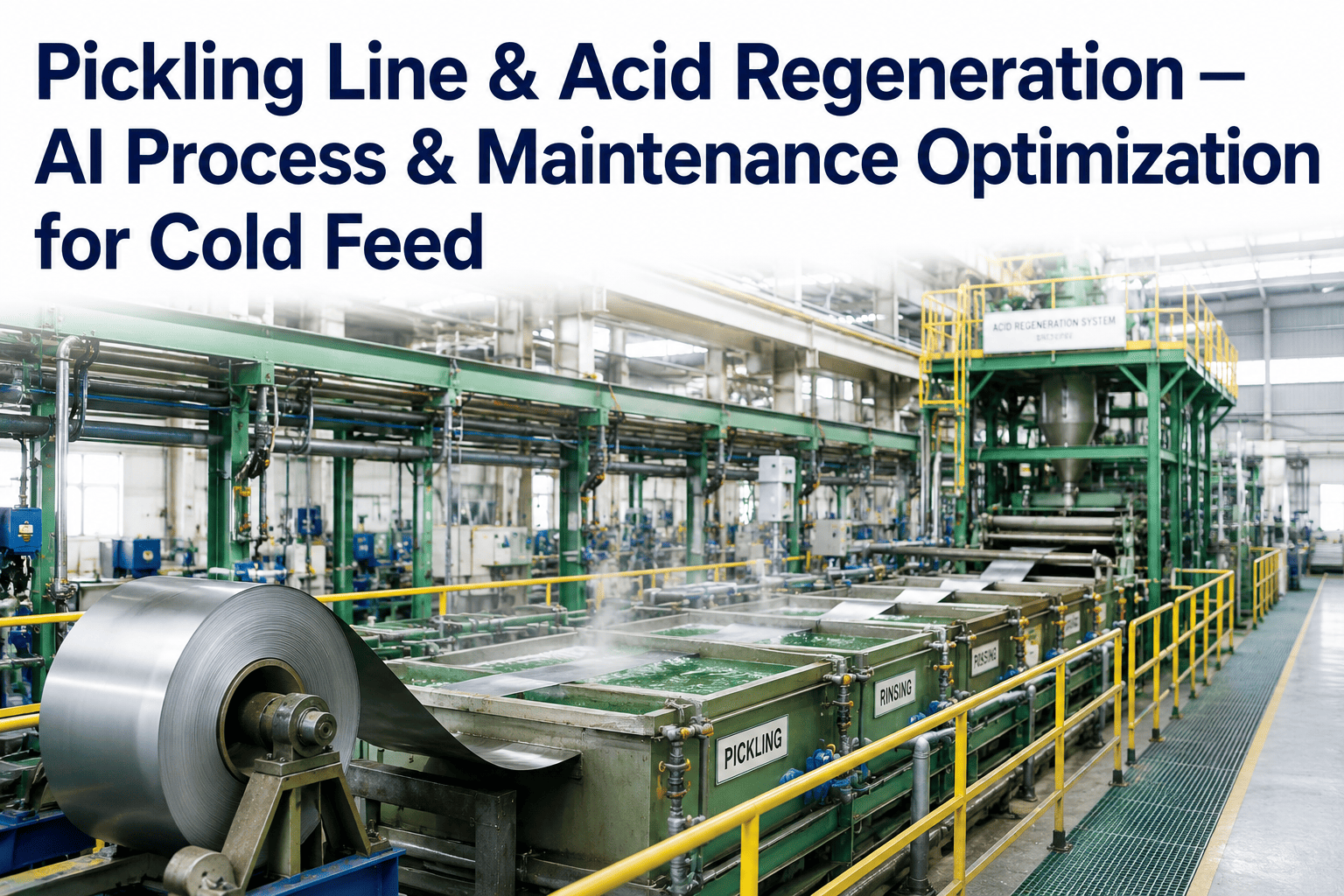
A pickling line runs on a chemical balance that shifts every hour a strand of coil passes through it, since free acid concentration falls and dissolved iron content rises with every meter of steel that gets descaled, and the spray roaster or fluid bed regeneration plant downstream has to keep pace without ever fully catching up. When free acid drops below the threshold a grade requires, pickling efficiency falls and line speed has to slow to compensate, while spray bar nozzle wear or fouling quietly reduces bath turbulence long before anyone notices a quality complaint. Reliability engineers who monitor acid concentration, iron content, and spray bar condition as one linked system rather than three separate checks catch cold-feed quality problems before they reach the cold mill. Engineers who book a demo of iFactory's pickling line monitoring typically start with bath chemistry, since it is the fastest-moving variable on the entire line.
Keep Acid Chemistry and Spray Bar Condition Ahead of Cold Feed Demand
iFactory tracks HCl concentration, iron content, and spray bar performance continuously, giving reliability engineers early warning before pickling efficiency slips and cold rolling feed quality suffers.
Why Pickling Line Reliability Is a Chemistry Problem First
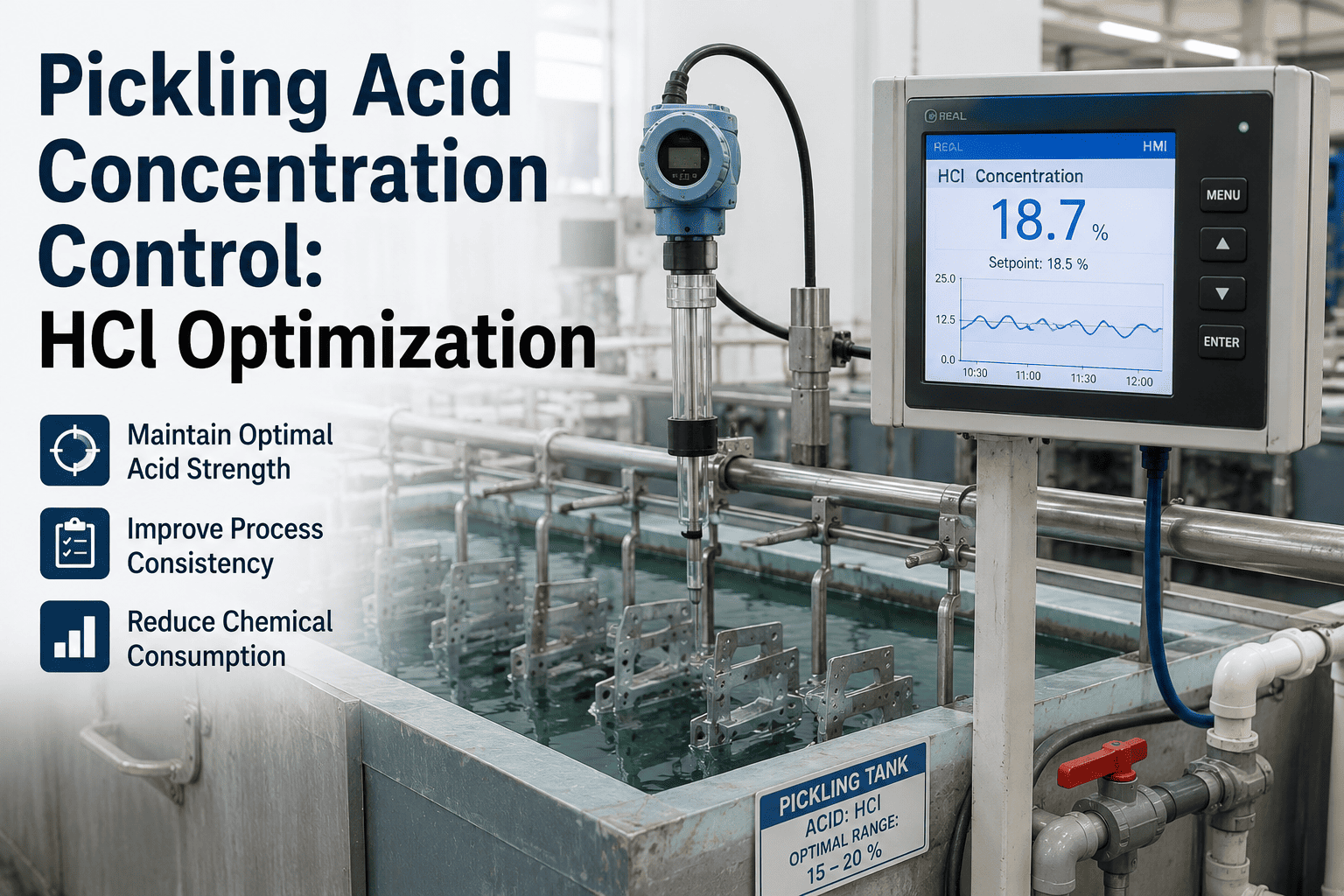
Most pickling lines run hydrochloric acid concentrations in the range of 10 to 18 percent, with free acid and iron content moving in opposite directions as the bath works, since dissolved iron reduces the acid available for further descaling. Once iron content climbs and free acid falls below the working threshold for a given grade, the bath is effectively spent and must be regenerated before pickling quality can be sustained at line speed. This chemistry does not fail suddenly, it drifts, which means a reliability strategy built around periodic titration samples alone will always be reacting to a bath that already slowed the line rather than catching the drift while there is still time to correct it.
Bath Chemistry Thresholds That Determine Line Performance
The relationship between free acid, iron content, and pickling efficiency is well established, but most lines still confirm it through periodic lab titration rather than continuous inline monitoring. AI-driven monitoring correlates real-time or near-real-time chemistry readings with line speed and strip surface condition, giving reliability and process teams a shared view of when a bath is approaching the point where regeneration timing needs to shift. Reliability engineers who book a consultation with iFactory can review how this monitoring layers onto existing titration and lab QA workflows without replacing them outright.
| Parameter | Fresh Bath Range | Regeneration Trigger | Effect If Ignored |
|---|---|---|---|
| Free Acid (HCl) | 150–195 g/l | Approaching 45–50 g/l | Slowed pickling, line speed derate |
| Iron Content | Low, near zero | Approaching 100–160 g/l | Spent bath, incomplete descaling |
| Ferrous/Ferric Ratio | Near 3 to 4 | Deviation from ratio | Uneven pickling, streaking defects |
| Bath Temperature | Up to approx. 88°C | Exceeding design ceiling | Excess HCl evaporation, fume load |
Catch Bath Drift Before It Becomes a Line Speed Problem
iFactory correlates acid chemistry trends with spray bar condition and line performance, so regeneration timing and nozzle maintenance are scheduled ahead of quality impact.
Spray Bar and Regeneration Equipment: The Mechanical Side of Chemistry
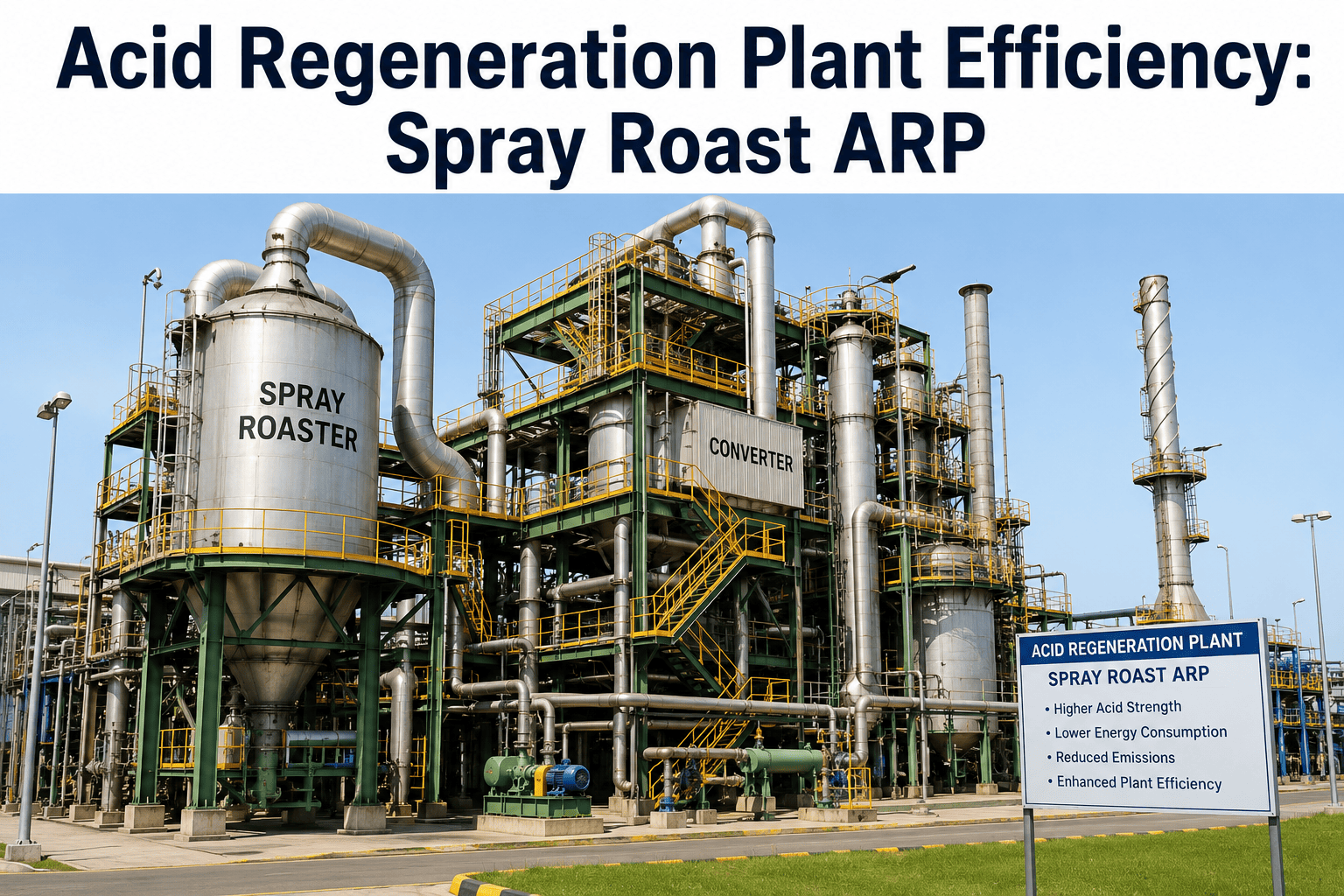
Acid chemistry only works as intended if the spray bars delivering it to the strip surface maintain their design turbulence and coverage pattern, which means nozzle wear, scale buildup, and header pressure loss are just as critical to pickling quality as the bath concentration itself. On the regeneration side, spray roaster and fluid bed equipment relies on stable combustion and consistent iron oxide byproduct handling, both of which degrade gradually through refractory wear and burner fouling in ways that periodic inspection alone often catches only after efficiency has already declined.
Nozzle Wear and Fouling
Spray nozzle wear changes spray pattern and impingement force gradually, reducing pickling uniformity across the strip width well before a visible defect appears on the surface.
Header Pressure Drift
Falling header pressure from pump wear or scale buildup reduces flow to spray bars evenly across a zone, a pattern distinguishable from single-nozzle fouling through pressure trend monitoring.
Roaster Combustion Stability
Spray roaster burner combustion analysis identifies drift in fuel-air ratio that affects both regeneration efficiency and iron oxide byproduct quality before it becomes an emissions issue.
Rubber Lining Condition
Rubber-lined tank surfaces degrade from thermal cycling and chemical attack, and tracking lining condition alongside chemistry data helps prioritize inspection on tanks under the highest combined stress.
Pickling Line Performance, By the Numbers
Regulatory limits and chemistry thresholds on a pickling line are tightly defined, which means the margin for drift before a compliance or quality issue emerges is often smaller than reliability teams assume.
Bringing AI Monitoring Onto an Existing Pickling and Regeneration Line
Because pickling and regeneration equipment already runs under strict compliance monitoring requirements, most facilities find it efficient to build AI process monitoring on top of existing instrumentation rather than adding a separate system from scratch.
Integrate Existing Chemistry Instrumentation
Inline titrators, conductivity probes, and lab sample results already collected for compliance are connected to the platform as a first data layer.
Add Spray Bar and Roaster Sensors
Header pressure, nozzle condition proxies, and roaster combustion data are layered in to connect mechanical condition with chemistry trends.
Correlate With Line Speed and Quality Data
Bath chemistry and spray bar trends are matched against line speed derates and downstream surface quality feedback to validate the model's predictive accuracy.
Shift to Predictive Regeneration Scheduling
Once validated, regeneration timing and spray bar maintenance move from calendar-based scheduling to condition-triggered planning aligned with production demand.
Pickling Line and Acid Regeneration Monitoring — Frequently Asked Questions
How does AI monitoring reduce reliance on manual titration sampling?
AI monitoring does not replace titration, which remains necessary for compliance documentation, but it fills the gaps between samples by tracking trends continuously so drift is visible well before the next scheduled test confirms it. This shortens the time between a bath approaching its regeneration trigger and the response that keeps line speed stable.
What is the relationship between iron content and pickling efficiency?
As dissolved iron content in the bath rises, the free acid available for further descaling falls correspondingly, meaning pickling efficiency declines even if total acid concentration still appears adequate on a simple test. Tracking iron content alongside free acid gives a more accurate picture of true bath capacity than either measurement alone.
Can spray bar condition monitoring detect problems before a visible surface defect appears?
Yes, header pressure and flow trend data typically shift before nozzle wear or fouling becomes severe enough to produce a visible streaking or under-pickling defect on the strip. Reliability teams that book a demo can see how this lead time compares against their current inspection interval.
How does this monitoring approach support NESHAP compliance documentation?
Continuous chemistry and combustion trend data provides supporting evidence alongside required periodic sampling, making it easier to demonstrate that operating parameters stayed within permitted ranges between formal compliance tests. This does not replace the required regulatory sampling protocol but strengthens the overall documentation record.
Does regeneration plant monitoring extend to iron oxide byproduct quality?
Yes, combustion stability in the spray roaster or fluid bed affects both regeneration efficiency and the physical and chemical properties of the iron oxide byproduct, which has its own commercial value depending on purity. Plants can contact support to discuss byproduct quality tracking alongside acid regeneration monitoring.
Keep Your Pickling Line Ahead of Cold Feed Demand
iFactory helps reliability engineers monitor acid concentration, iron content, and spray bar condition as one connected system, catching drift before it slows the line or triggers a compliance concern.