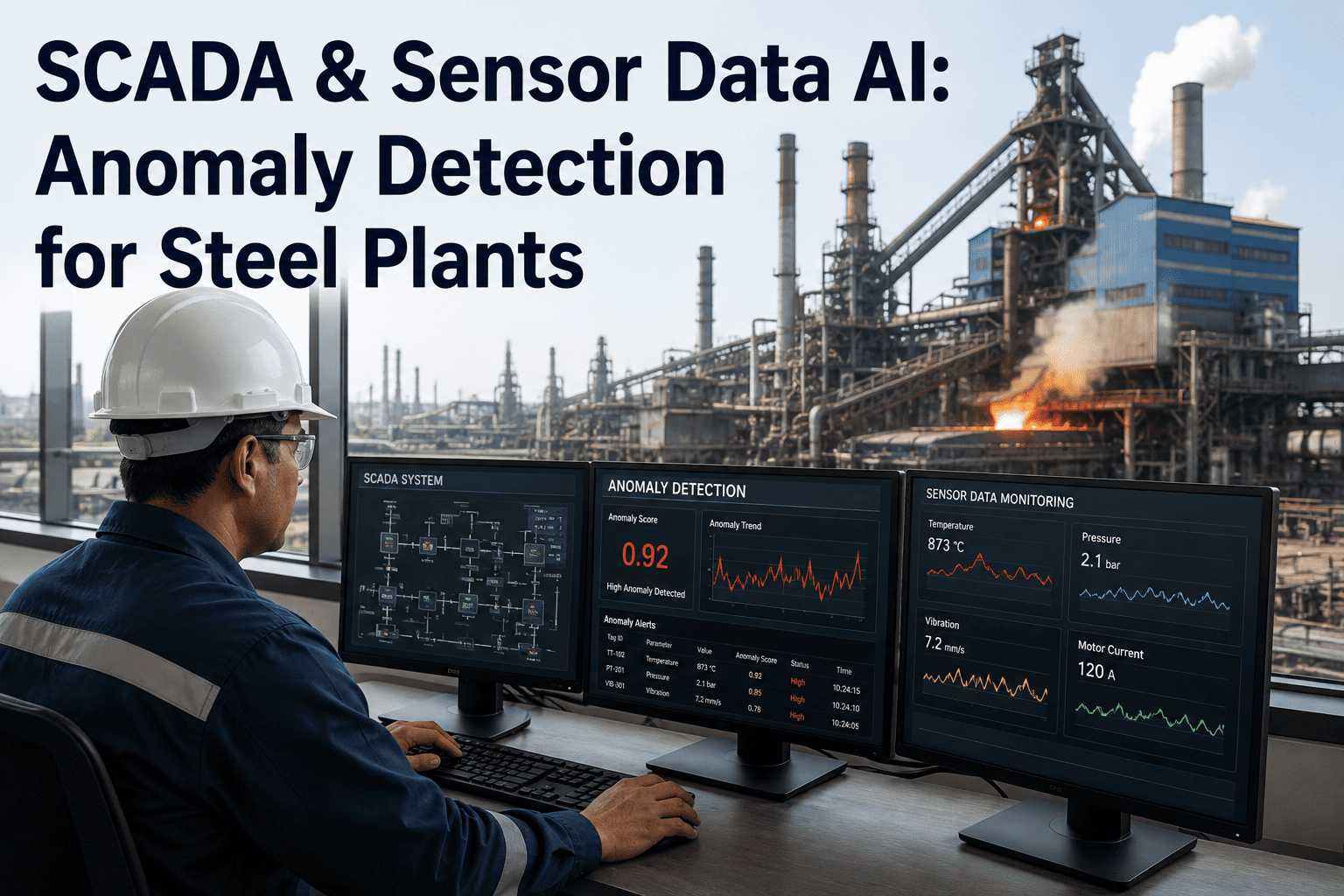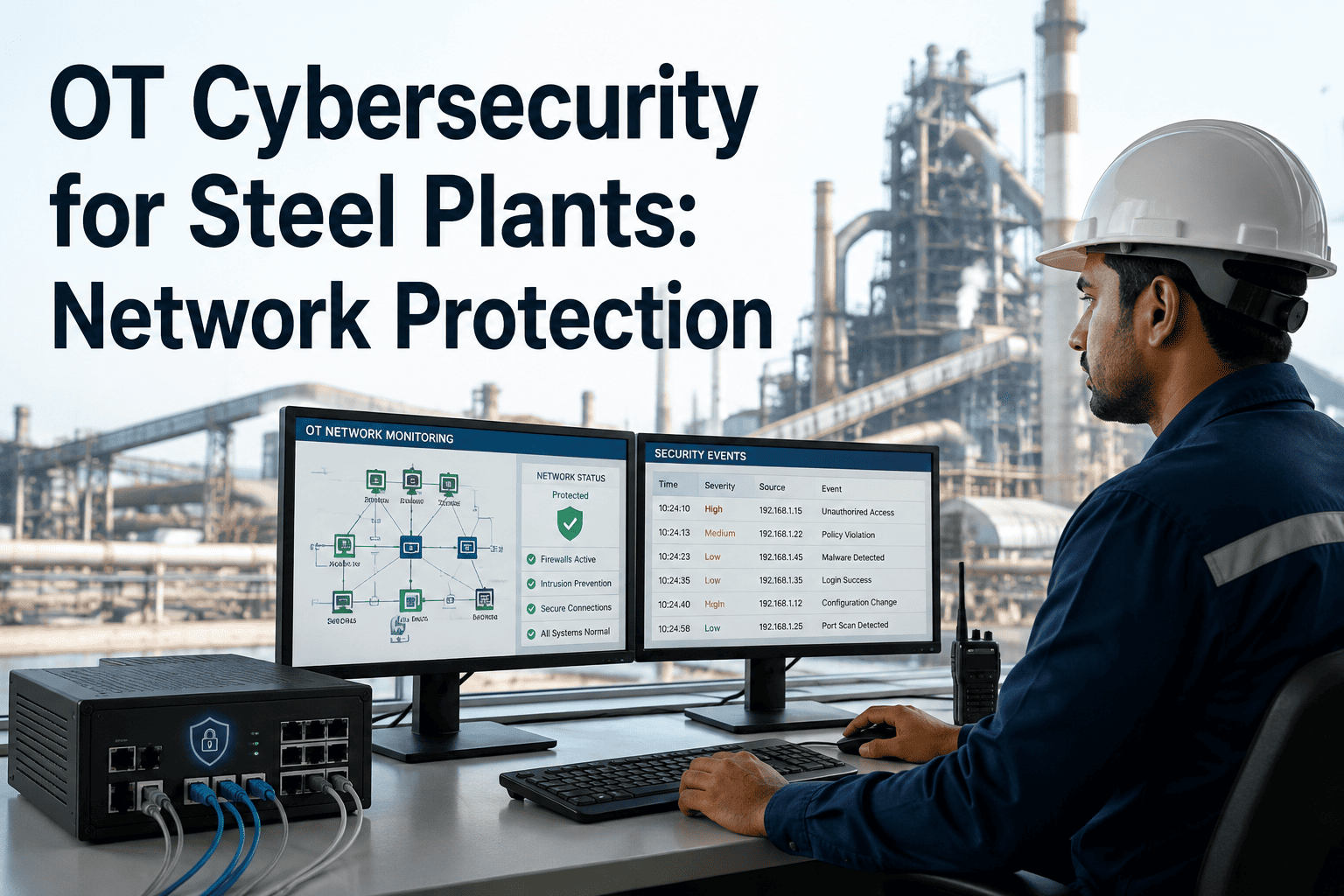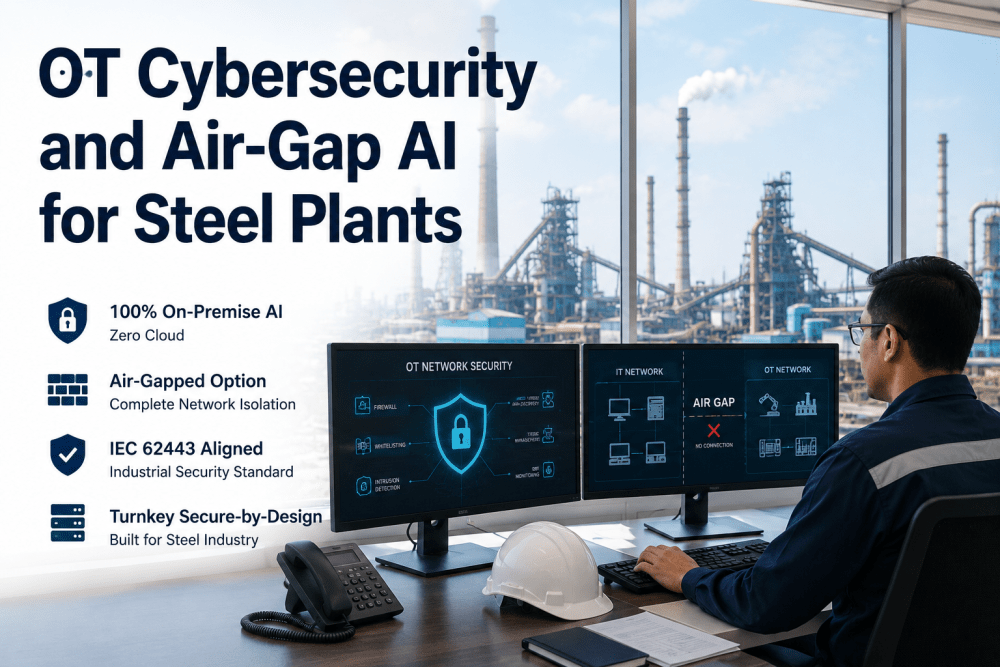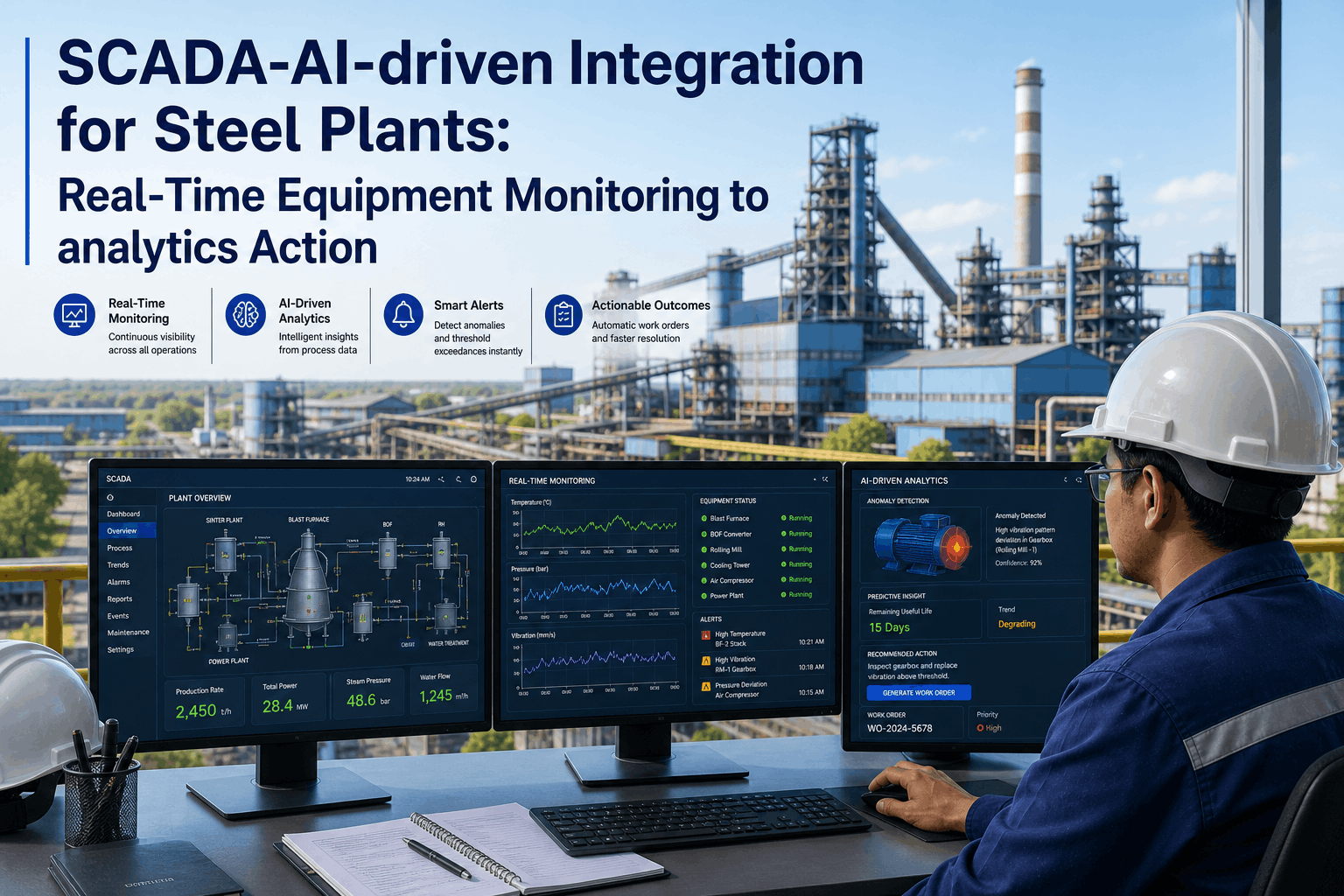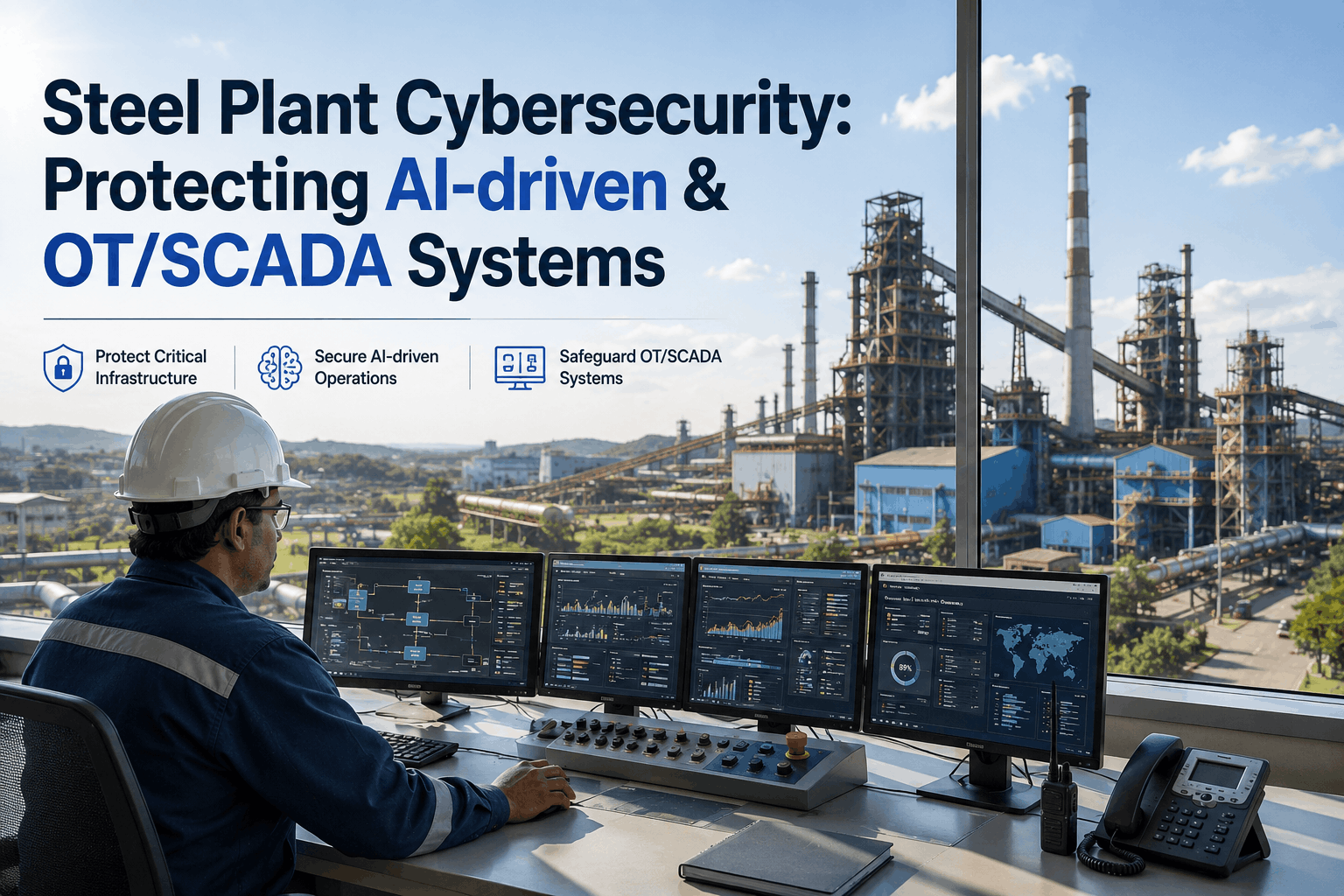
Steel plant cybersecurity is no longer an IT concern relegated to office networks — it has become the critical shield for AI-driven furnaces, SCADA-controlled rolling mills, and automated Level 2 systems that define modern steel production. As integrated mills adopt edge-AI and cloud-connected diagnostics, the attack surface for industrial ransomware and state-sponsored disruption has expanded exponentially, targeting legacy OT systems that were never designed for the internet age. Organizations that book a demo with iFactory are securing their operational future by integrating Multi-Factor Authentication (MFA), granular Role-Based Access Control (RBAC), and continuous OT network auditing directly into their production apps, ensuring that "Digital Steel" remains resilient against a 56% year-over-year surge in manufacturing-targeted cyber threats.
Defend Your OT & SCADA Infrastructure Against AI-Driven Ransomware
iFactory's Mobile AI-driven App delivers integrated Multi-Factor Auth, real-time Level 2 audit logs, and secure OT gateway connectivity — purpose-built for integrated steel plant compliance.
Why Steel SCADA and Level 2 Systems are the New Ransomware Frontline
The transition to smart steel manufacturing has created a "connectivity paradox." To achieve the precision of AI-driven Automatic Gauge Control (AGC) or furnace optimization, OT networks must communicate with enterprise IT systems. However, this convergence often exposes legacy PLCs and HMI interfaces to the same vulnerabilities found in the IT world, but with far higher stakes. A "Denial of View" attack on a blast furnace control room doesn't just stop a computer; it risks a multi-million dollar "chilled furnace" catastrophe. Maintenance and IT teams exploring this risk often begin by scheduling a session to book a demo and assess how their current SCADA endpoints map against NIST industrial standards.
Recent threat intelligence indicates that ransomware actors are shifting from broad phishing to "Industrial Initial Access" — targeting unpatched VPNs and VNC (Virtual Network Computing) interfaces specifically within the metals sector. iFactory addresses this by providing a secure, air-gapped analytics layer that utilizes unidirectional data flows and robust credential management, preventing lateral movement from a compromised tablet to the core plant SCADA.
Legacy OT Exposure
80% of European and North American manufacturers operate with unpatched OT vulnerabilities. AI-driven malware now automates the scanning of steel plant IP ranges.
Credential Hijacking
Compromised operator passwords are the leading cause of "Denial of Control" incidents. MFA on the plant floor is the only viable defense strategy.
Level 2 Data Poisoning
Attackers target the AI models themselves — injecting "drift" into setpoints to cause quality defects without triggering visible alarms.
Supply Chain Poisoning
Vulnerabilities in 3rd-party vendor maintenance laptops are becoming the primary vector for SCADA intrusions during planned shutdowns.
The Three Pillars of a Secure AI-Driven Steel Operation
Designing a secure steel plant requires moving beyond firewalls to an "Identity-First" security model. The iFactory platform is built on three pillars of cyber-resilience: Authenticated Mobility, Protocol Auditing, and Air-Gapped Analytics. Reliability leads building these programs often find it valuable to book a demo to see how iFactory's Zero-Trust architecture protects production data.
Module 1 — Identity-Based OT Access (MFA & RBAC)
Every technician interaction with the plant analytics app is protected by Multi-Factor Authentication. Role-Based Access Control (RBAC) ensures that a maintenance technician can view hydraulic health scores, but only a senior process engineer can authorize setpoint adjustments to the HAGC system, preventing unauthorized control commands.
Module 2 — Level 2 & SCADA Audit Logging
Continuous "Digital Forensics" are built into the platform. Every read/write operation from the mobile app to the OT layer is time-stamped and geofenced. In the event of a suspected intrusion, iFactory's audit logs allow for immediate trace-back to the specific user and device, drastically reducing incident remediation time.
Module 3 — Secure Gateway & Air-Gap Analytics
iFactory utilizes secure IoT gateways that isolate the analytics platform from the core PLC network. Data is pulled via secure MQTT or OPC-UA with TLS 1.3 encryption. This ensures that even if a mobile device is compromised, the hardware-level segmentation prevents any direct access to the mission-critical SCADA kernels.
Mapping Steel Industry Compliance to OT Cybersecurity Platforms
Cybersecurity in the steel industry is no longer optional; it is becoming a requirement for supply chain insurance and OEM certification. AI-driven platforms provide the structured "Security Posture" needed to satisfy international auditors. Teams looking to baseline their current digital security often book a demo to explore our IEC 62443 compliance mapping.
| Compliance Layer | Core Security Control | Traditional Approach | iFactory AI Approach | Operational Outcome |
|---|---|---|---|---|
| User Verification | MFA / Biometrics | Single static password per terminal | Mandatory 2FA + Biometric Mobile Auth | Zero hijacked sessions |
| Access Control | RBAC Granularity | Admin access for all maintenance staff | Function-specific RBAC & Geofencing | Unauthorized commands blocked |
| Network Integrity | TLS 1.3 Encryption | Clear-text industrial protocols (Modbus) | End-to-End TLS 1.3 Secure Tunnels | Protection from "Man-in-the-Middle" |
| Audit Readiness | Continuous Audit Logs | Manual log retrieval during incidents | Real-time automated digital audit trails | Audit finding reduction –80% |
| Anomaly Detection | AI-Driven Behavioral IDs | Static threshold alarms in SCADA | Machine Learning threat signature tracking | Early detection of "Silent Malware" |
The Reality of Manufacturing Ransomware in 2025
Cyber-attacks on manufacturing sectors have outpaced all other industries, with steel plants being high-value targets due to the high cost of production stoppage. The following visualization illustrates the shift from basic IT threats to targeted OT and AI sabotage.
Attack Vector Distribution (Manufacturing 2025)
Source: Aggregated Industrial Cyber Intelligence 2025
Visibility Maturity vs. Mean Time to Remediate (Hours)
"We always thought our plant floor was isolated from the internet. When a ransomware event at a neighboring mill halted production for 5 days, we realized 'Air Gaps' are a myth. iFactory gave us the MFA and audit visibility we needed without slowing down our operators. It's the only industrial app that takes Level 2 security seriously."
Steel Plant Cybersecurity — Frequently Asked Questions
How does MFA work on a steel plant floor where operators wear gloves?
iFactory supports industrial-grade authentication including RFID badge tapping, biometric scanners integrated with tablets, and secure geofencing that only requires MFA during initial login or sensitive setpoint adjustments.
Can iFactory protect legacy PLCs that don't support encryption?
Yes — our secure gateways act as an "Encryption Proxy." They communicate with legacy PLCs via clear-text Modbus locally, but tunnel all data to the mobile app and cloud via secure TLS 1.3 encrypted channels.
What is the difference between IT security and iFactory OT security?
IT security focuses on data privacy. iFactory OT security focuses on process availability and safety. We prioritize keeping the furnace running safely over shutting down a network to 'isolate' a minor threat.
Does the platform detect 'Silent Sabotage' in AI models?
Our AI threat models monitor for 'Setpoint Drift' — identifying if a control command is statistically anomalous for the current production batch. This identifies attackers trying to cause defects without tripping alarms.
Is the platform compliant with IEC 62443 and NIS2 regulations?
Absolutely. iFactory's architecture is built around the IEC 62443 zones and conduits model, providing the technical controls needed for both US (NIST) and EU (NIS2) industrial security compliance.
How does the audit log help during an insurance claim?
In the event of an outage, our cryptographically signed audit logs provide verifiable evidence of security adherence, which is critical for fulfilling industrial cyber-insurance payout requirements.
Can the system automatically isolate a compromised mobile device?
Yes — if the AI detects anomalous access patterns from a technician's device, it can automatically revoke all OT-write permissions while keeping the "Read-Only" health scores active for safe monitoring.
Do you offer 24/7 security monitoring services?
We provide the platform and automated alerts. We also partner with leading Managed OT Security providers who can monitor your iFactory audit streams 24/7 as part of a Security Operations Center (SOC).
Secure Your Steel Production Future with iFactory AI
iFactory's Mobile AI-driven App delivers integrated OT security modules, automated audit logs, and hardware-level RBAC — built for steel manufacturers ready to lead in a connected world.