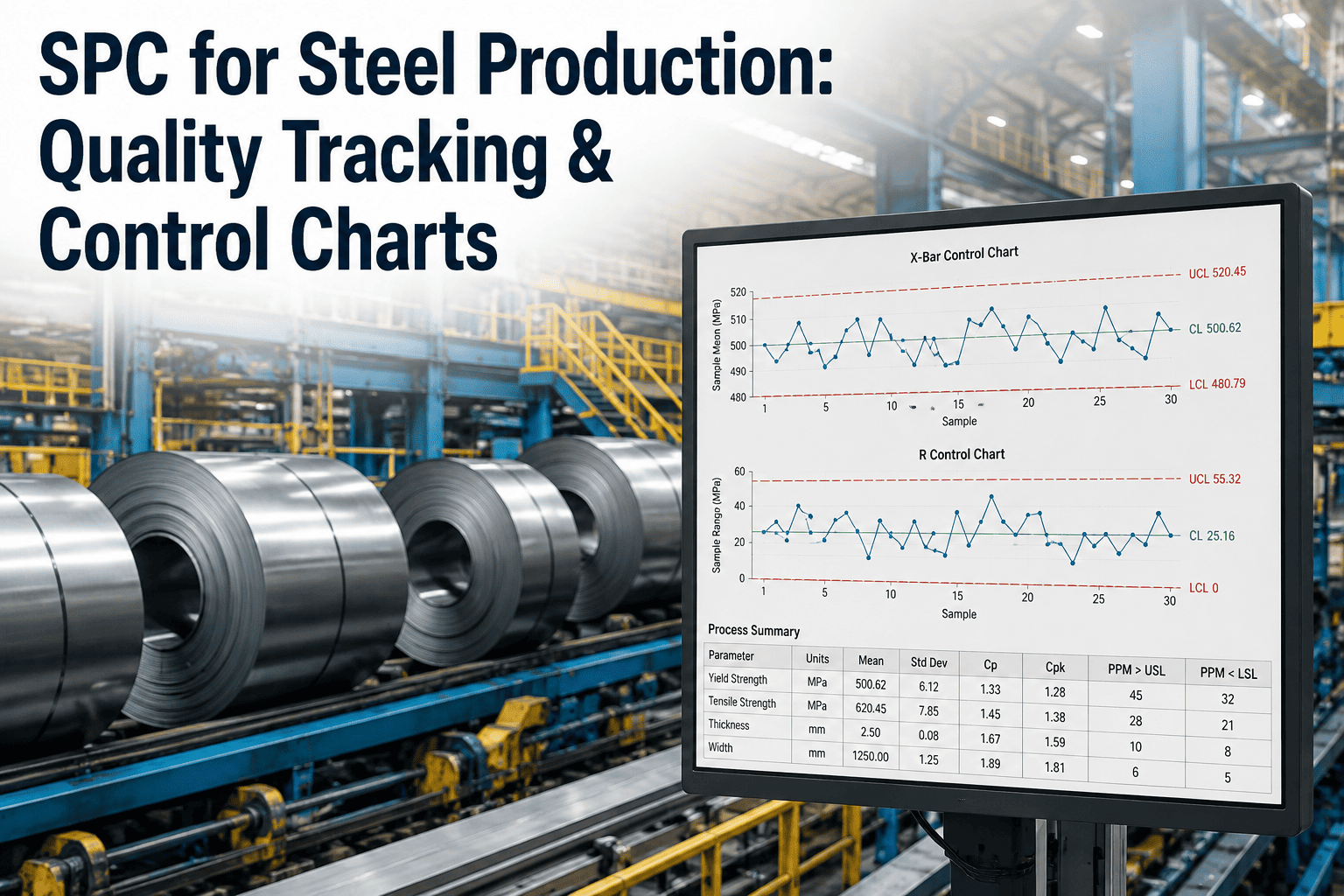
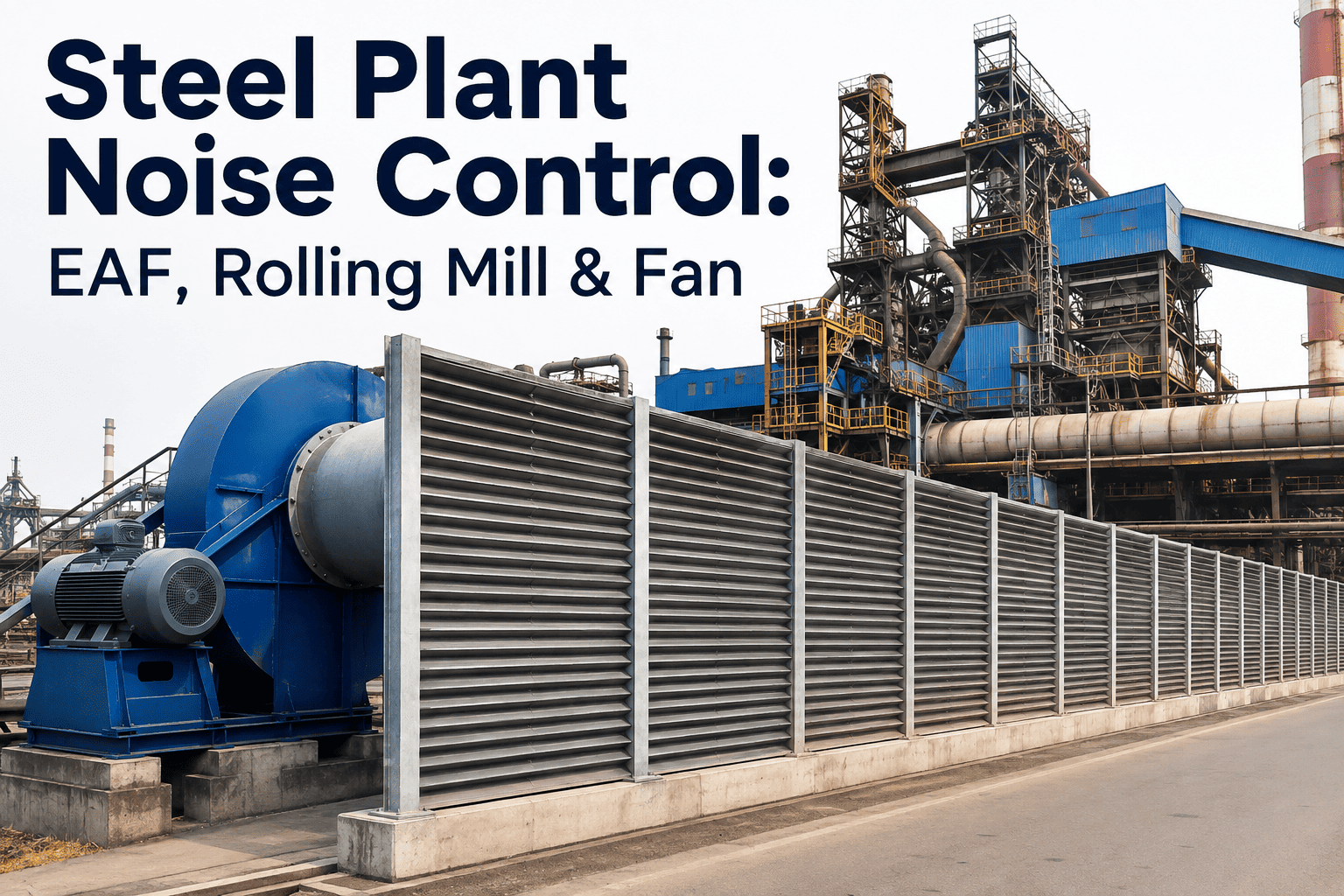
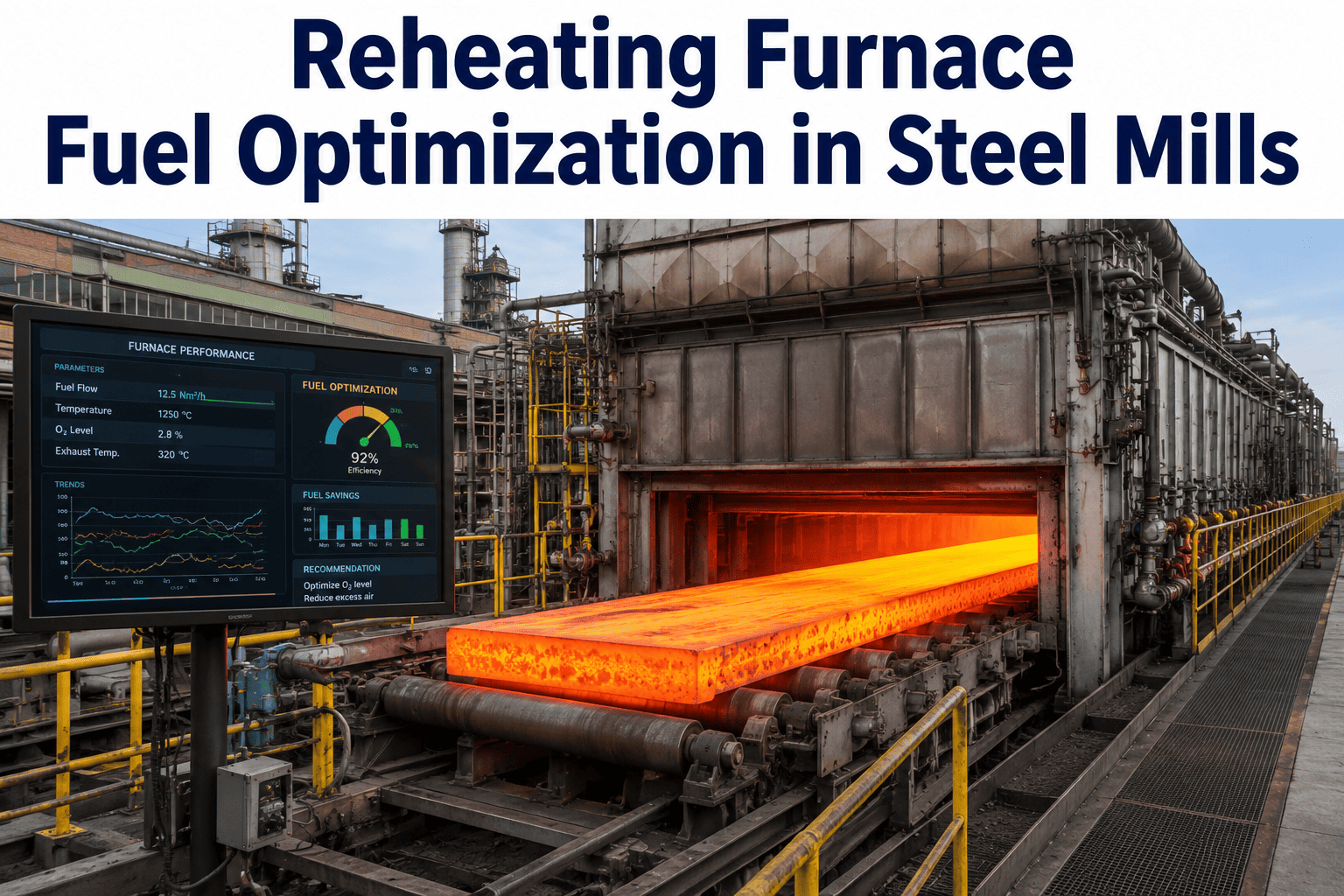
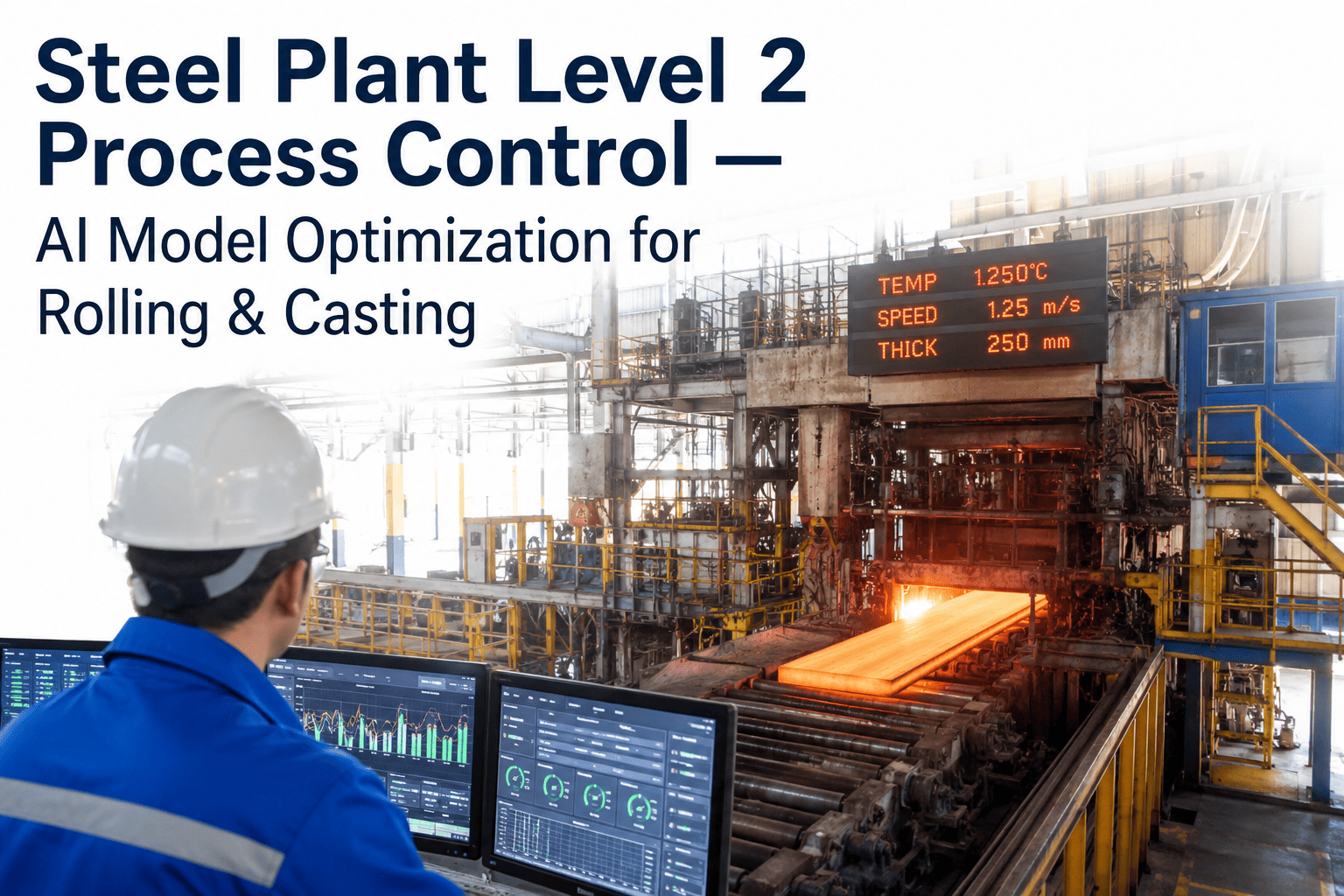
Steel plant AI process control and autonomous analytics are fundamentally redefining the boundary between human intuition and machine precision in modern metallurgy. For decades, integrated mills have relied on traditional PID loops and the seasoned "gut feel" of senior operators to manage the volatile thermal and chemical dynamics of the melt shop. However, in an era of fluctuating raw material quality and rising energy costs, these reactive methods are no longer sufficient. The complexity of modern steel grades — requiring precision in alloying elements like Niobium and Vanadium — demands a control resolution that exceeds human reaction time. Organizations that book a demo with iFactory are discovering that they can transition from "corrective" maintenance to "predictive" autonomous operation. By accounts for hundreds of real-time variables across the EAF, LMF, and HSM zones, our AI identifies micro-drifts in process physics before they manifest as costly scrap or energy waste.
Eliminate Hindsight Production with AI-Powered Setpoint Optimization
iFactory's Mobile AI-driven App bridges the gap between legacy SCADA systems and real-time autonomous intelligence — purpose-built for integrated steel plant process stability and yield maximization.
The Physics of Entropy: Why Traditional Control Loops Fail
The primary challenge in steelmaking is process entropy. In an Electric Arc Furnace (EAF), the scrap mix is never consistent; one heat might contain high-density structural steel, while the next is light-gauge automotive shred. Traditional Proportional-Integral-Derivative (PID) loops are tuned for steady-state conditions, making them fundamentally incapable of adapting to these rapid changes in chemical energy and arc stability. This results in "The Compensation Loop," where operators over-correct for a deviation, leading to process oscillations that waste oxygen and electricity. iFactory's AI-driven approach replaces static logic with dynamic ML models that function as "Digital Twins" of the furnace physics. These models ingest thousands of SCADA tags every millisecond, predicting the end-point chemistry and temperature with 95% accuracy long before a physical sample is even taken. Process engineers looking to stabilize their EAF performance often choose to schedule a session to evaluate their furnace's data-readiness for autonomous control.
The Traditional Steel Quality Loop — Where Off-Spec Product Is Created
Manual Sampling
Technicians take physical grab samples at the furnace or tundish. High risk of safety exposure and sampling error.
Lab Latency
Samples travel to the lab. Preparation and spectrometry take 45-120 minutes. Production continues unchecked.
Hindsight Data
Metallurgists review results from steel that is now cold or already shipped. Decisions are based on the past.
Reactive Fixes
Manual setpoint changes are made to compensate for a problem that may have already naturally resolved or shifted.
The Lab Delay Quality Blind Spot
For every minute of lab delay, an integrated mill produces 3-5 tonnes of steel with uncertain mechanical properties. If a silicon spike is discovered two hours after the fact, the entire sequence of slabs might be downgraded to lower-value commercial grades. iFactory AI eliminates this by predicting bath chemistry from current harmonics and thermal data — catching deviations minutes before tapping, allowing for immediate corrective lancing while the steel is still in the furnace.
Invisible Mechanical Process Drift
Standard SCADA systems are "Threshold Reactive" — they only alarm when a limit is breached. However, quality defects in a Hot Strip Mill often stem from "Inter-parameter Drift." For example, a slight increase in roll-gap friction coupled with a 2% drop in descaler pressure might not trip an alarm, but it *will* cause surface scale defects. iFactory's ML models detect these subtle patterns, identifying root causes that traditional systems completely ignore.
Compliance and Traceability Gaps
IATF 16949 and ISO 9001 certifications require documented proof that every coil was produced under controlled process conditions. Mills relying on manual log sheets and fragmented SCADA exports routinely fail audits or face insurance claim denials. iFactory creates an immutable "Digital Birth Certificate" for every product, automatically linking AI-verified process setpoints with final quality results for 100% audit readiness.
Financial Impact Visualization: Reactive vs. Autonomous Performance
The economic argument for AI in steel is centered on "Marginal Yield Recovery." In a high-volume hot mill, a 0.5% yield improvement translates to millions of dollars in annual profit. Traditional maintenance and process loops are too slow to capture these marginal gains. The comparison below demonstrates how shortening the response time from hours to milliseconds preserves capital by preventing the "Entropy Cascade" that occurs during unplanned process drift.
Deep-Dive: The Science of Zone-Based Autonomous Optimization
iFactory's architecture avoids the pitfalls of "Black Box" AI by utilizing specialized modules for every critical steelmaking asset. We integrate with your existing SCADA, LIMS, and MES systems to create a unified data lake where AI can perform cross-functional correlations. For example, the AI can correlate the specific energy input of a heat in the EAF with the final gauge variation in the rolling mill — identifying long-term quality trends that were previously invisible. Reliability leads looking to unify their plant data often choose to book a demo and see our multi-zone dashboard in action.
EAF & LMF Optimization
1,650°C PrecisionThe EAF module uses acoustic and electrical harmonic analysis to autonomously optimize slag foaming. This creates a more stable arc, reducing flicker on the utility grid and focusing energy directly into the steel bath. By predicting tap-chemistry 15 minutes ahead, iFactory reduces the need for "re-blows," saving up to $12 per tonne in electrode and electrical costs.
Continuous Caster Integrity
Zero-Breakout AimContinuous casting is a delicate balance of speed and cooling. iFactory's AI monitors mold thermocouple arrays at 100Hz to detect "sticking signatures." The system autonomously micro-adjusts casting speed to prevent breakouts, while simultaneously optimizing secondary cooling loops to eliminate surface defects like corner cracks and longitudinal ripples.
Hot & Cold Rolling Mill Precision
±0.005mm StabilityIn the rolling mill, AI analyzes the hardness profile of each incoming slab to adjust roll-gaps every 10 milliseconds. This eliminates gauge variations during grade transitions and prevents "cobbles" by predicting roll-bite slippage. The result is a 3% increase in prime-yield-at-gauge and significantly reduced roll-wear costs.
Empowering the Modern Steelworker: Operator-in-the-Loop AI
The goal of autonomous analytics is not to replace the operator, but to augment their capabilities. In a traditional plant, the operator is a "Manual Pilot," constantly chasing setpoints to keep the process within limits. In an iFactory-enabled plant, the operator becomes a "Process Supervisor." The AI handles the high-frequency, multi-parameter micro-adjustments, while the operator focuses on high-level strategic goals and complex mechanical troubleshooting. This shift not only improves morale but also ensures that your mill's performance is consistent across all four shifts, regardless of the individual seniority of the technician on duty. Teams looking to bridge the seniority gap in their workforce often schedule a strategy session to see how our mobile app simplifies complex metallurgical data for frontline staff.
"Transitioning to iFactory's autonomous control felt like upgrading from a pilot with a compass to an automated flight deck. We no longer wait for the lab report to tell us we've made a mistake; the AI adjusts our furnace setpoints in real-time based on live scrap and energy data. Our yield improved by 4.2% in the first quarter, which directly translates to millions in bottom-line growth. It is the gold standard for modern steelmaking."
Steel Plant AI Process Control — Frequently Asked Questions
Does iFactory AI replace our existing Level 2 or Level 3 automation systems?
No. iFactory is designed to sit "above" your existing Level 2 SCADA and Level 3 MES. It acts as an Intelligent Optimization Layer that consumes their data streams, runs complex predictive models, and writes back optimized setpoints. Traditional automation systems are rule-based; iFactory is physics-aware and predictive.
How does the platform handle the extreme heat and dust of the melt shop?
Our system is software-driven but utilizes industrial IoT gateways that are ruggedized for the steel environment. We integrate with your existing sensor network or recommend specialized thermal and acoustic hardware rated for 1,600°C+ zones, ensuring data integrity in the most hostile areas of the plant.
Is the AI model "locked" once deployed, or does it continue to learn?
The model is dynamic. It utilizes "Continuous Learning" to adapt to changes in your plant — such as new roll types, variations in scrap supply, or seasonal cooling water temperature shifts. This ensures that the AI's predictive accuracy actually improves the longer it is active on your production floor.
What security protocols are in place for autonomous setpoint adjustments?
iFactory uses a "Secure Handshake" protocol for all write commands. All adjustments occur within a strictly defined "Safety Envelope" pre-approved by your process engineers. Furthermore, every autonomous action is logged in an immutable digital audit trail for 100% transparency and troubleshooting.
Can we implement AI analytics if our mill still uses legacy PLCs?
Yes. Many of our most successful deployments are in brownfield sites with 20-year-old equipment. Our IoT gateways support legacy protocols (Modbus, Profibus) and can digitize those signals for the iFactory AI engine without requiring you to replace your existing PLC infrastructure.
How long does a typical ROI analysis take for a steel mill?
We typically perform a "Data-Driven ROI Baseline" in 2-4 weeks using your historical process data. This provides a clear financial roadmap, showing exactly where yield increases and energy savings will be realized before you commit to a full deployment.
What role does the operator play in an autonomous plant?
The operator's role shifts from a "Manual Pilot" to a "Process Supervisor." Instead of constantly chasing setpoints, they monitor the AI's performance via our mobile dashboard and only intervene for complex mechanical issues or critical safety overrides, allowing them to focus on higher-value reliability tasks.
Can iFactory predict breakout events in the continuous caster?
Yes. By analyzing mold heat-removal rates and friction oscillations at millisecond speeds, our AI models identify the specific thermal signatures of a stuck shell. This provides an early warning up to 30 seconds before a traditional breakout alarm would trigger, preventing costly spills and downtime.
Scale Your Steel Production Future with Autonomous AI Control
iFactory's Mobile AI-driven App delivers integrated process modules, predictive yield analytics, and autonomous setpoint optimization — built for steelmakers ready to lead the Industry 4.0 revolution.