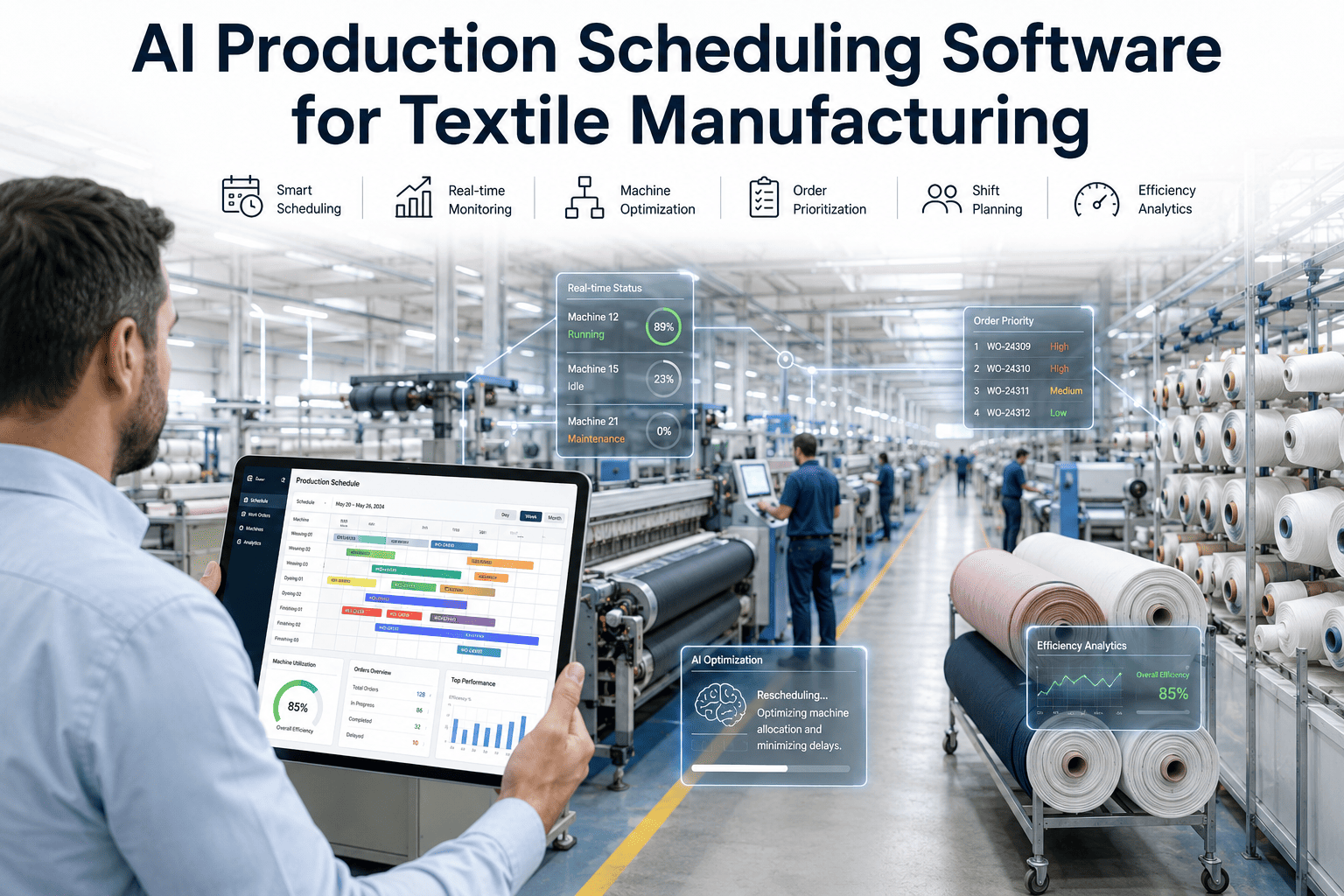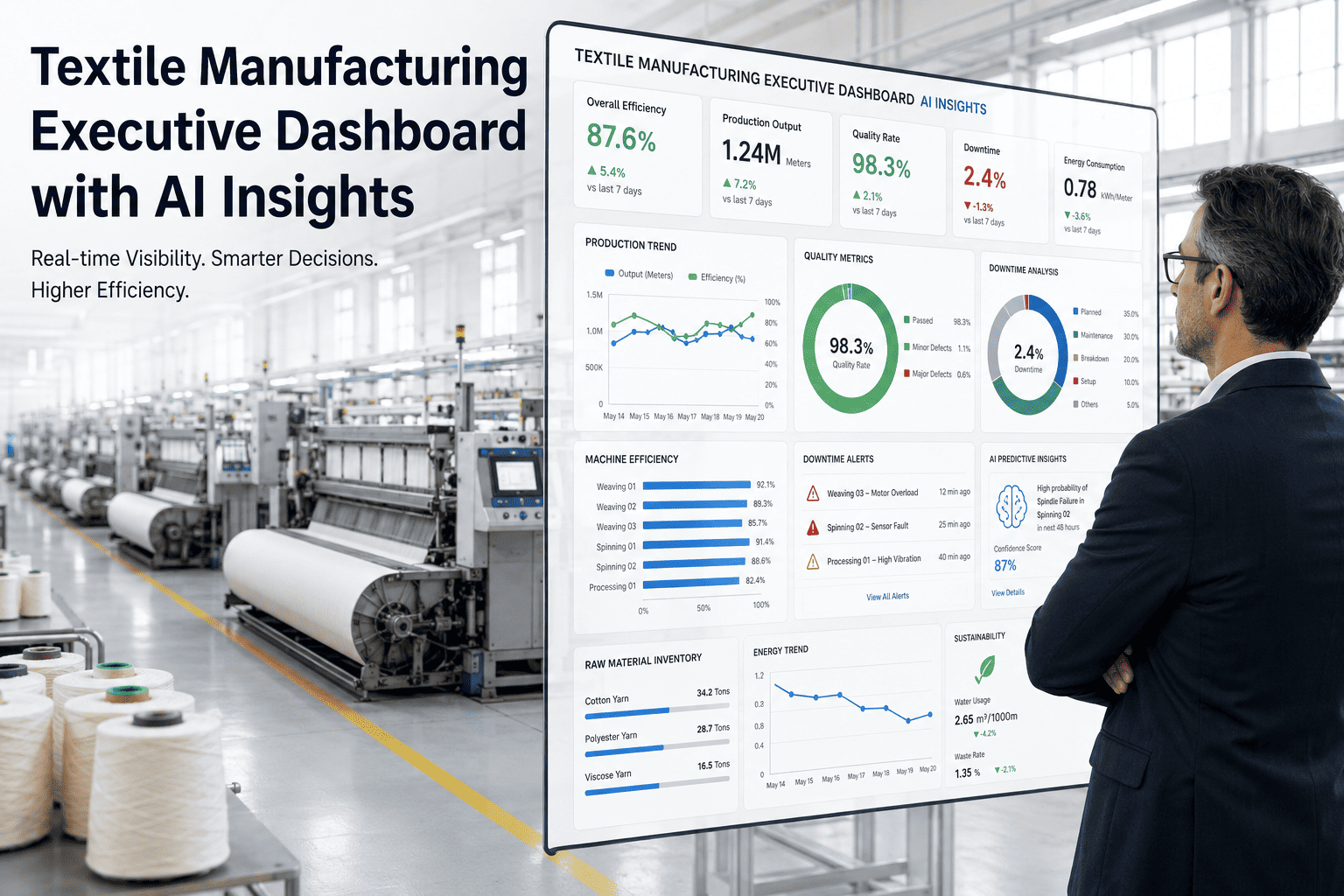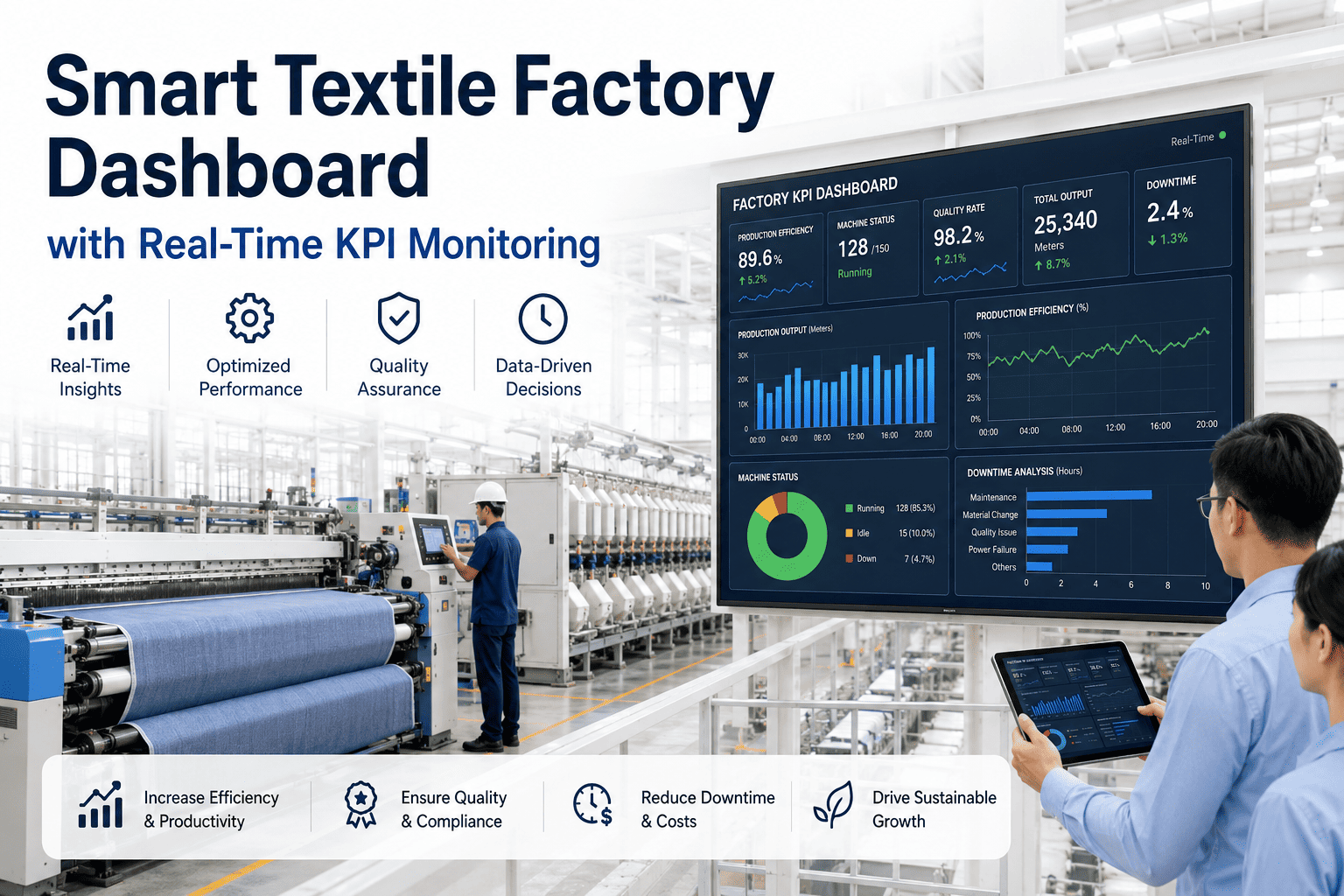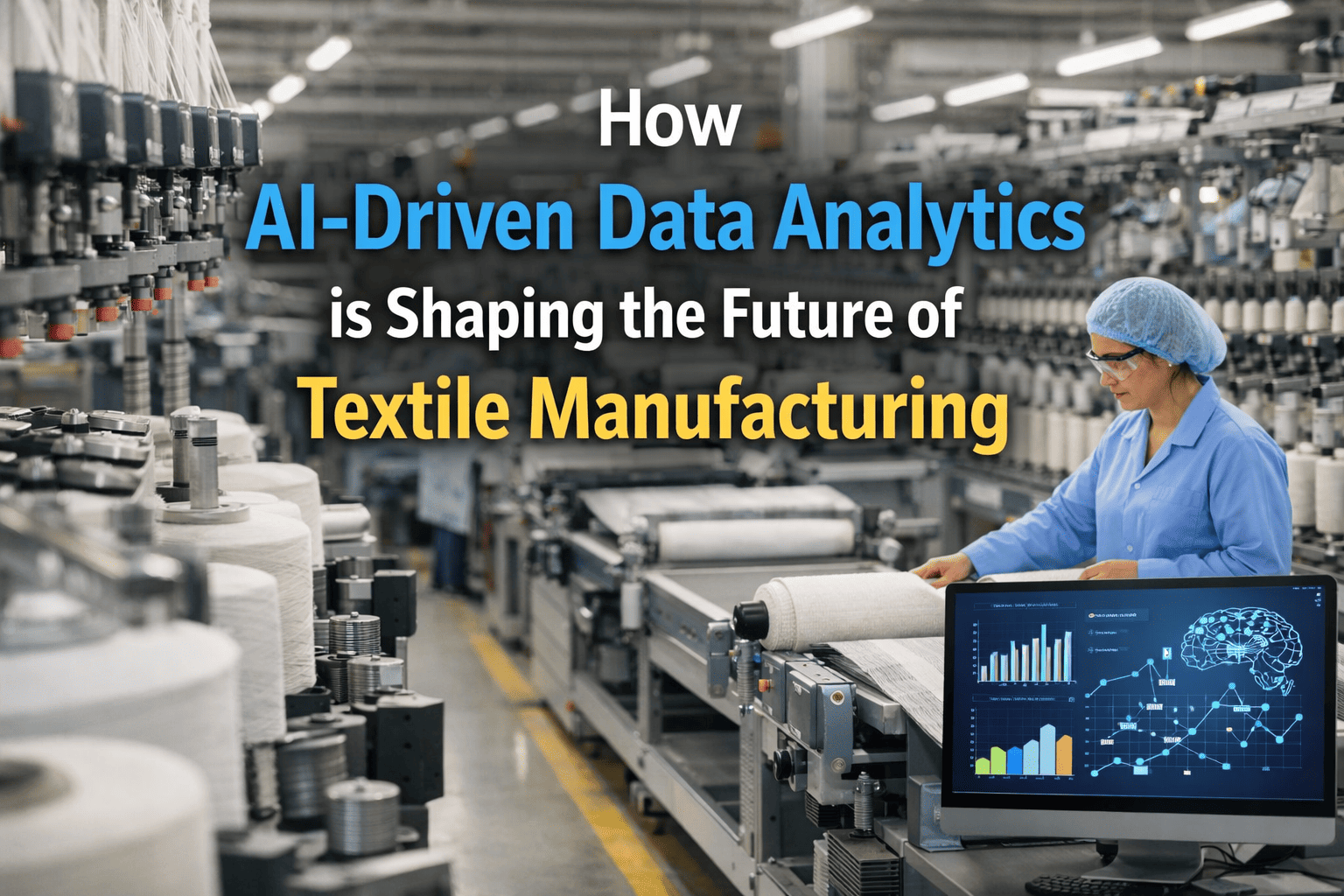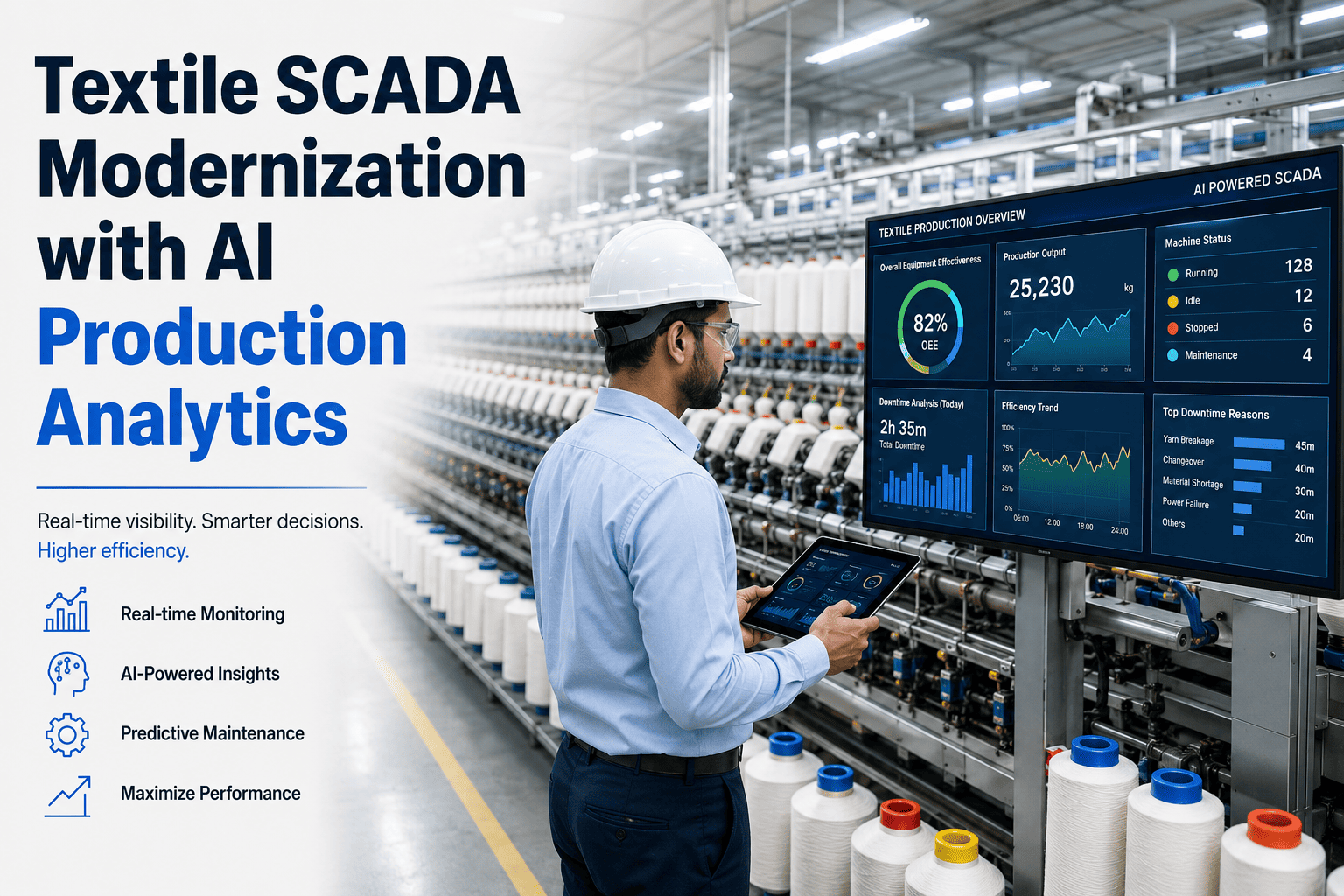
The global textile industry is undergoing a rapid digital transformation, yet many plants still rely on legacy SCADA systems that generate massive volumes of raw data without delivering actionable insights. These outdated platforms often struggle with alarm floods, unplanned downtime, and fragmented visibility across spinning, weaving, dyeing, and finishing processes. Modernizing textile SCADA with AI-driven production analytics is no longer a luxury but a strategic necessity to remain competitive. By embedding machine learning models directly into the SCADA layer, manufacturers can shift from reactive firefighting to predictive, prescriptive operations. This article explores how AI analytics can transform alarm management, production loss tracking, utility performance, machine health, and plant-wide visibility. We will also examine real-world implementation strategies, key performance indicators, and the tangible ROI that textile plants can achieve. Whether you are a plant manager, automation engineer, or digital transformation lead, this guide will provide a clear roadmap for modernizing your SCADA infrastructure with AI analytics. iFactory offers a comprehensive platform to accelerate this journey.
Modernize Your Textile SCADA with AI Analytics
Unlock real-time intelligence from your SCADA data. Reduce downtime, optimize utility usage, and gain plant-wide visibility with advanced AI analytics.
Ready to transform your textile operations?
Book a demo to see how iFactory AI can modernize your SCADA system. Our experts will show you how to reduce alarm floods by 60% and improve OEE by 15%.
AI-Powered Alarm Management
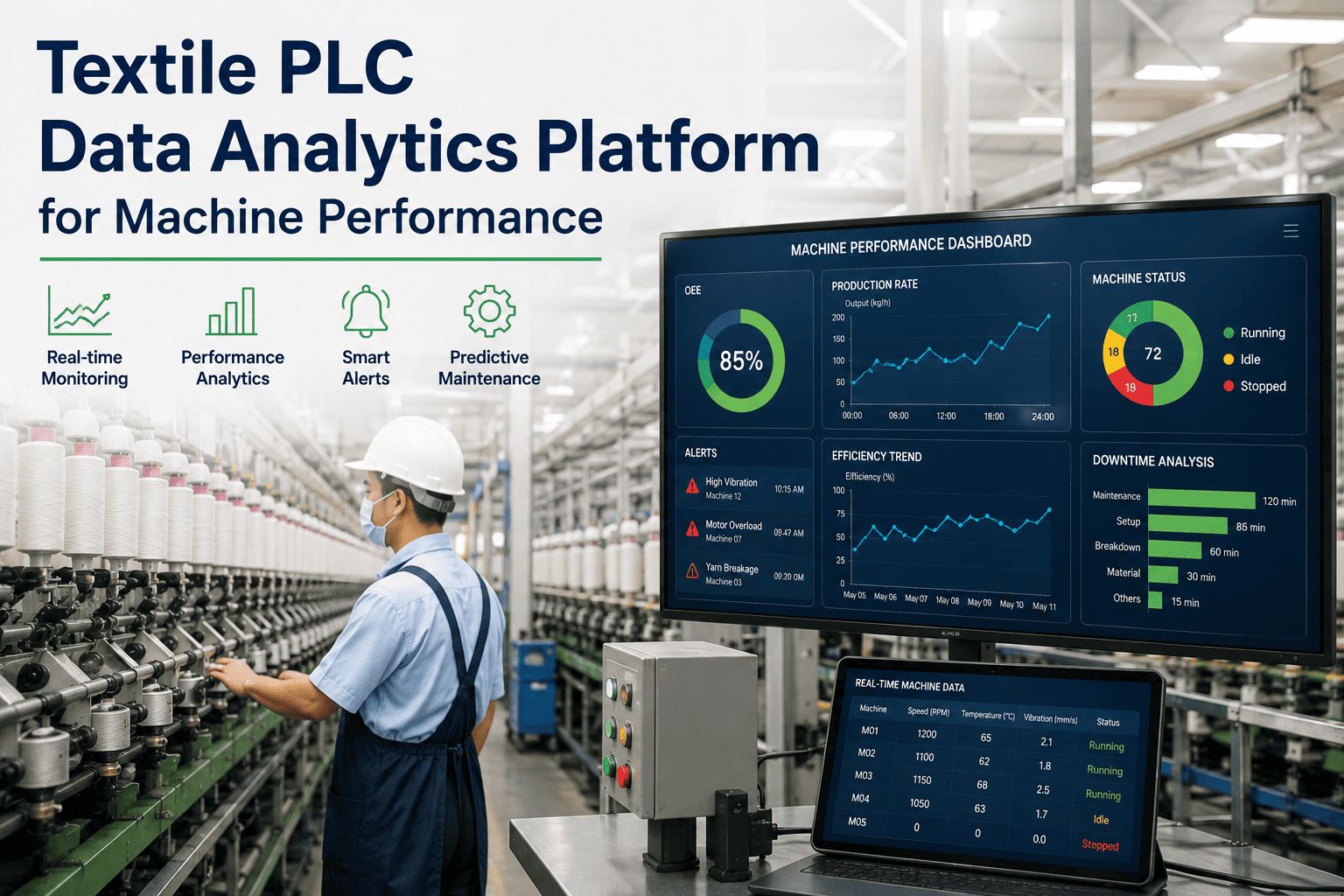
Legacy SCADA systems in textile plants often generate thousands of alarms per shift, overwhelming operators and causing critical alerts to be missed. AI analytics can intelligently triage alarms by severity, correlate related events, and predict potential machine failures before they occur. For example, a weaving mill using AI alarm analytics reduced nuisance alarms by 60% and improved mean time to repair by 35%. The system learns from historical alarm patterns and operator responses to continuously refine its prioritization. This not only reduces operator fatigue but also ensures that genuine emergencies receive immediate attention.
Production Loss Analytics
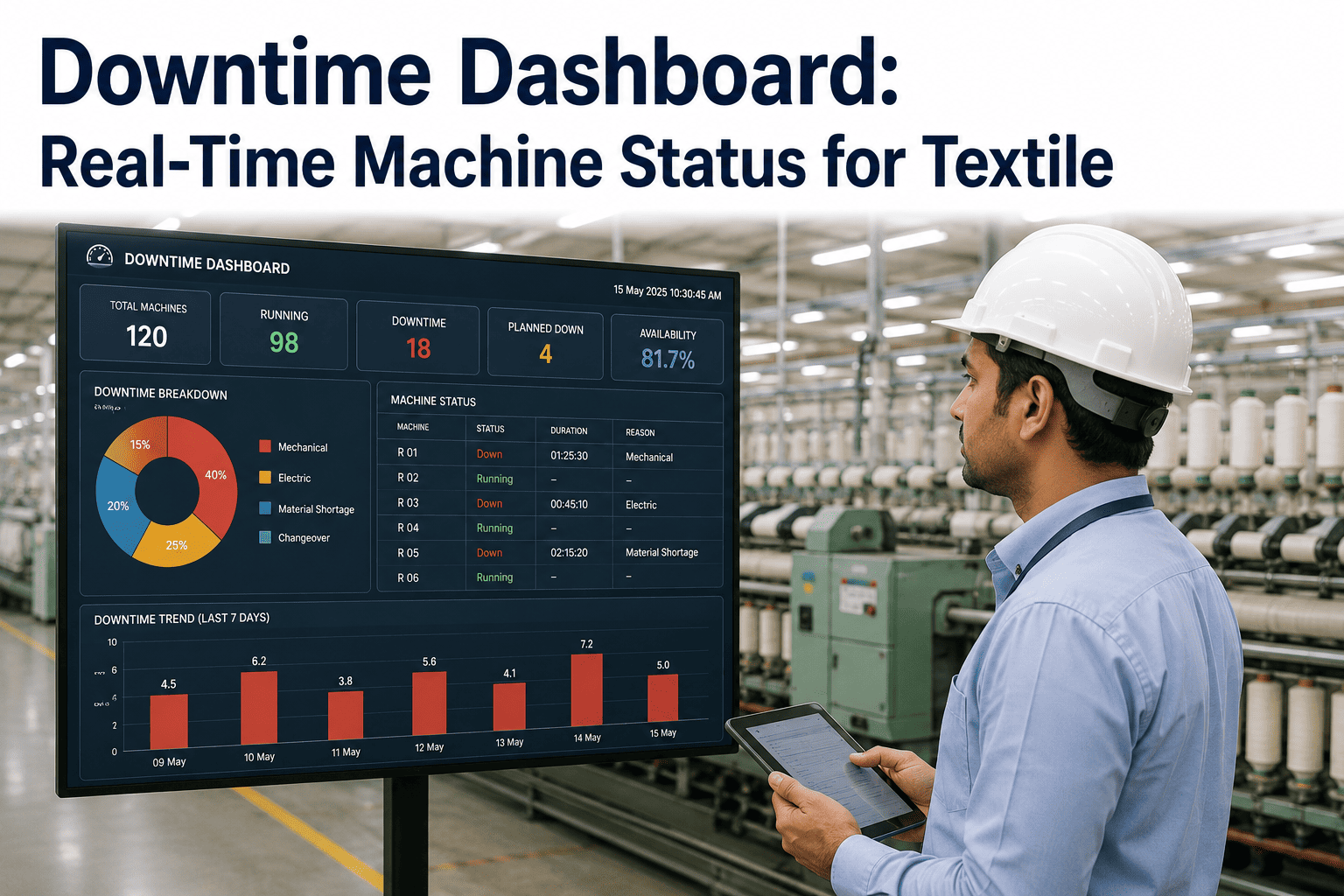
Unplanned downtime and micro-stops are major sources of production loss in textile manufacturing. AI analytics can automatically classify loss events from SCADA data, distinguishing between planned maintenance, minor stops, and major breakdowns. By analyzing patterns across machines and shifts, the system identifies root causes such as material jams, operator errors, or equipment wear. A dyeing plant using this approach reduced downtime by 25% in three months. The analytics platform provides a real-time loss tree that helps managers focus on the biggest improvement opportunities.
25%
Downtime reduction
3 mo
Time to achieve ROI
Utility Performance Optimization
Textile plants are energy and water intensive, with utilities accounting for a significant portion of operating costs. AI analytics can monitor real-time consumption of electricity, steam, compressed air, and water from SCADA data, identifying anomalies and inefficiencies. For instance, a spinning mill used AI to detect a faulty compressor that was wasting 12% of energy. The system automatically generated an alert and recommended maintenance, saving $50,000 annually. By correlating utility usage with production output, the AI provides a clear view of energy intensity per unit of fabric, enabling targeted conservation efforts.
Machine Health Monitoring
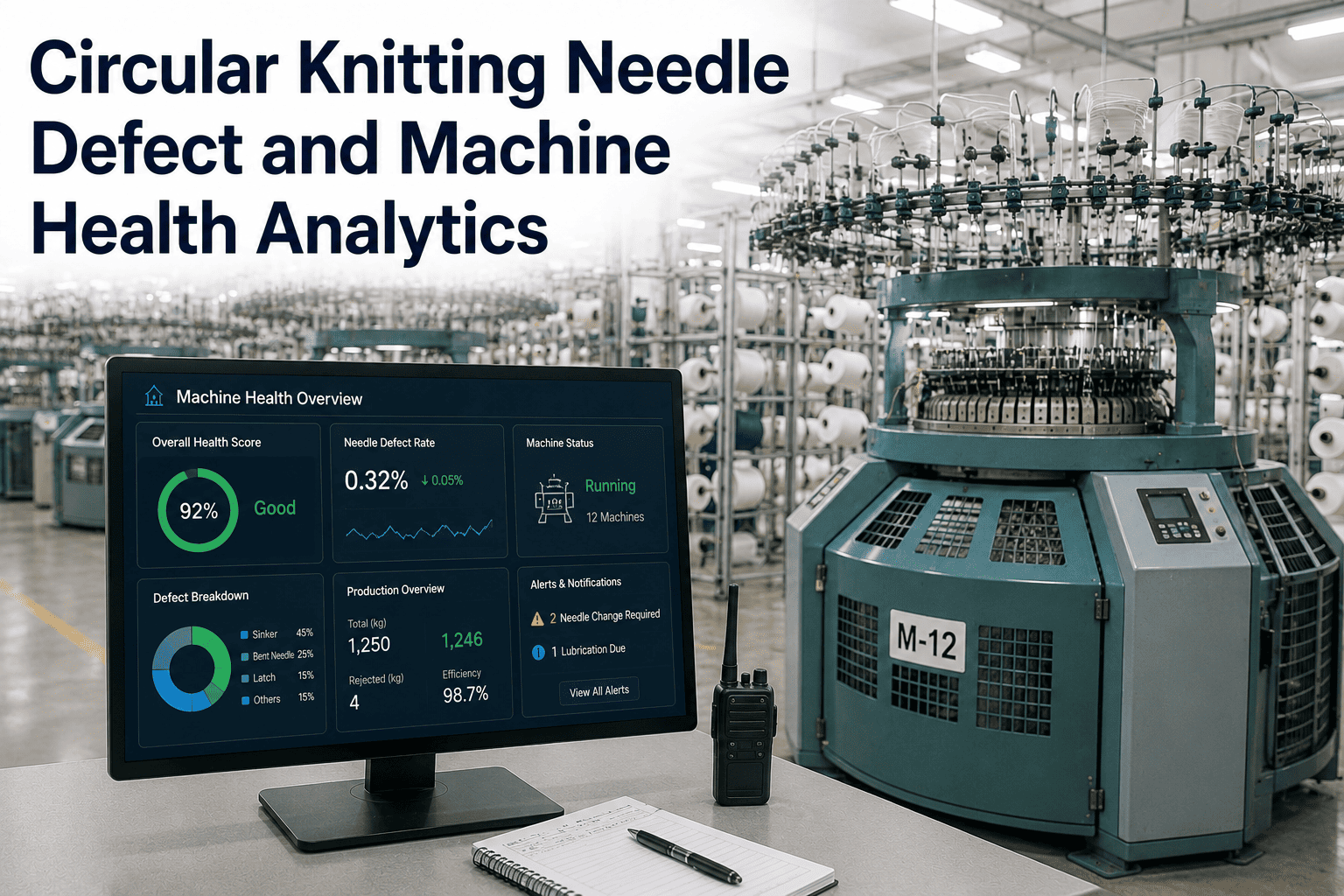
Predictive maintenance is a cornerstone of modern SCADA modernization. AI models can analyze vibration, temperature, and current data from motors, spindles, and drives to predict failures weeks in advance. A weaving mill implemented machine health analytics and reduced unplanned maintenance by 40%. The system provides a health score for each machine, color-coded for easy interpretation. Operators receive alerts when a machine's condition degrades, along with recommended actions. This proactive approach extends equipment life and reduces spare parts inventory.
40%
Less unplanned maintenance
+20%
Equipment lifespan increase
Transform your textile SCADA today
Discover how AI analytics can reduce downtime by 25% and energy costs by 30%. Our team will guide you through a seamless integration with your existing SCADA infrastructure.
Implementation Roadmap: 6-Week Modernization Plan
01
Data Audit & Connectivity
Assess existing SCADA data points, protocols, and network architecture. Ensure all critical machines are connected and data is clean.
02
AI Model Training
Train machine learning models on historical alarm, production, and utility data. Validate accuracy with plant engineers.
03
Dashboard Customization
Design role-specific dashboards for operators, maintenance, and management. Include real-time KPIs and alerts.
04
Pilot Deployment
Deploy on a single production line or area. Monitor performance and gather feedback for 2 weeks.
05
Full Rollout & Optimization
Scale across all lines and plants. Continuously retrain models with new data for improved accuracy.
Key Performance Indicators (KPIs) for SCADA Modernization
| KPI | Before AI | After AI | Improvement |
|---|---|---|---|
| Alarm Floods per Shift | 150 | 60 | 60% reduction |
| Overall Equipment Effectiveness (OEE) | 72% | 85% | +13% |
| Mean Time to Repair (MTTR) | 4.5 hours | 2.8 hours | 38% faster |
| Energy Cost per Unit | $0.45 | $0.32 | 29% savings |
| Unplanned Downtime | 12% | 7% | 42% reduction |
Core Capabilities of AI-Enhanced SCADA
Real-Time Anomaly Detection
AI models continuously scan SCADA data streams to detect deviations in machine parameters, alerting operators before failures occur.
Predictive Maintenance Scheduling
Automatically schedule maintenance based on predicted wear and tear, reducing unplanned downtime and extending asset life.
Energy Consumption Analytics
Identify energy waste patterns and correlate them with production shifts to optimize consumption and reduce carbon footprint.
Operator Decision Support
Provide actionable recommendations directly on the SCADA HMI, helping operators make faster, data-driven decisions.
Automated Reporting
Generate daily, weekly, and monthly reports on production, quality, and utility performance without manual effort.
Multi-Plant Visibility
Aggregate SCADA data from multiple plants into a single dashboard for enterprise-wide operational visibility.
Frequently Asked Questions
How does AI analytics integrate with existing SCADA systems in textile plants?
AI analytics platforms like iFactory are designed to be SCADA-agnostic, meaning they can connect to any major SCADA system (e.g., Siemens, Rockwell, Wonderware) through standard protocols like OPC UA, Modbus, or MQTT. The integration is typically done via a secure gateway that reads real-time data without disrupting existing control loops. Historical data is also ingested for model training. The AI layer sits on top of the SCADA, providing dashboards and alerts without interfering with core control functions. Most implementations require minimal downtime and can be completed in a few days. The result is a unified view that enhances, not replaces, your existing SCADA investment. This approach ensures a smooth transition with immediate benefits.
What is the typical ROI for modernizing textile SCADA with AI analytics?
Textile plants typically see a return on investment within 3 to 6 months. The primary savings come from reduced unplanned downtime (often 20-40% reduction), lower energy costs (10-30% savings), and improved OEE (5-15% increase). For a mid-sized plant with 200 machines, the annual savings can exceed $500,000. Additional benefits include extended equipment life, reduced spare parts inventory, and improved product quality. The exact ROI depends on the current state of your SCADA system and the specific use cases implemented. Contact our support team for a personalized ROI estimate based on your plant data. Many plants recover their investment in the first quarter through energy savings alone.
Can AI analytics handle the complexity of different textile processes like spinning, weaving, and dyeing?
Yes, modern AI analytics platforms are flexible enough to model the unique characteristics of each textile process. For spinning, the system can monitor spindle speed, twist, and tension. For weaving, it tracks loom efficiency, warp breaks, and weft stops. In dyeing, it monitors temperature profiles, chemical dosing, and water usage. The AI models are trained on historical data from each specific process, so they learn the normal operating patterns and can detect anomalies. The same platform can be configured with different dashboards and alert rules for each area. iFactory includes pre-built templates for common textile processes, reducing setup time. This adaptability makes AI analytics suitable for any textile plant, regardless of the product mix.
What skills are required to maintain an AI-enhanced SCADA system?
Maintaining an AI-enhanced SCADA system requires a mix of traditional automation skills and data literacy. Plant engineers should be comfortable with SCADA configuration and basic networking. The AI platform itself is designed to be user-friendly, with no-code dashboards and automated model retraining. Most vendors provide training for operators and engineers. Typically, a plant needs one data analyst or automation engineer to oversee the system, monitor model performance, and fine-tune alerts. The AI models are self-learning, so they improve over time without constant manual intervention. iFactory offers comprehensive training and support to ensure your team can manage the system effectively. Many plants find that their existing staff can handle the new system after a short learning curve.
How does AI analytics improve plant-wide visibility beyond traditional SCADA dashboards?
Traditional SCADA dashboards show real-time data but often lack context and predictive insights. AI analytics adds a layer of intelligence that correlates data across machines, lines, and plants. For example, it can show how a slowdown in spinning affects downstream weaving and finishing. It can predict the impact of a machine fault on overall production output and recommend corrective actions. The dashboards are role-based, so operators see machine-level alerts, while managers see plant-wide KPIs like OEE, energy intensity, and production loss trees. iFactory provides a unified operations center that integrates SCADA data with MES, CMMS, and ERP systems for a complete picture. This holistic view enables faster decision-making and better coordination across departments.
Ready to modernize your textile SCADA?
Book a personalized demo to see how iFactory AI analytics can reduce downtime, optimize energy, and improve OEE. Our experts will tailor a solution for your plant.