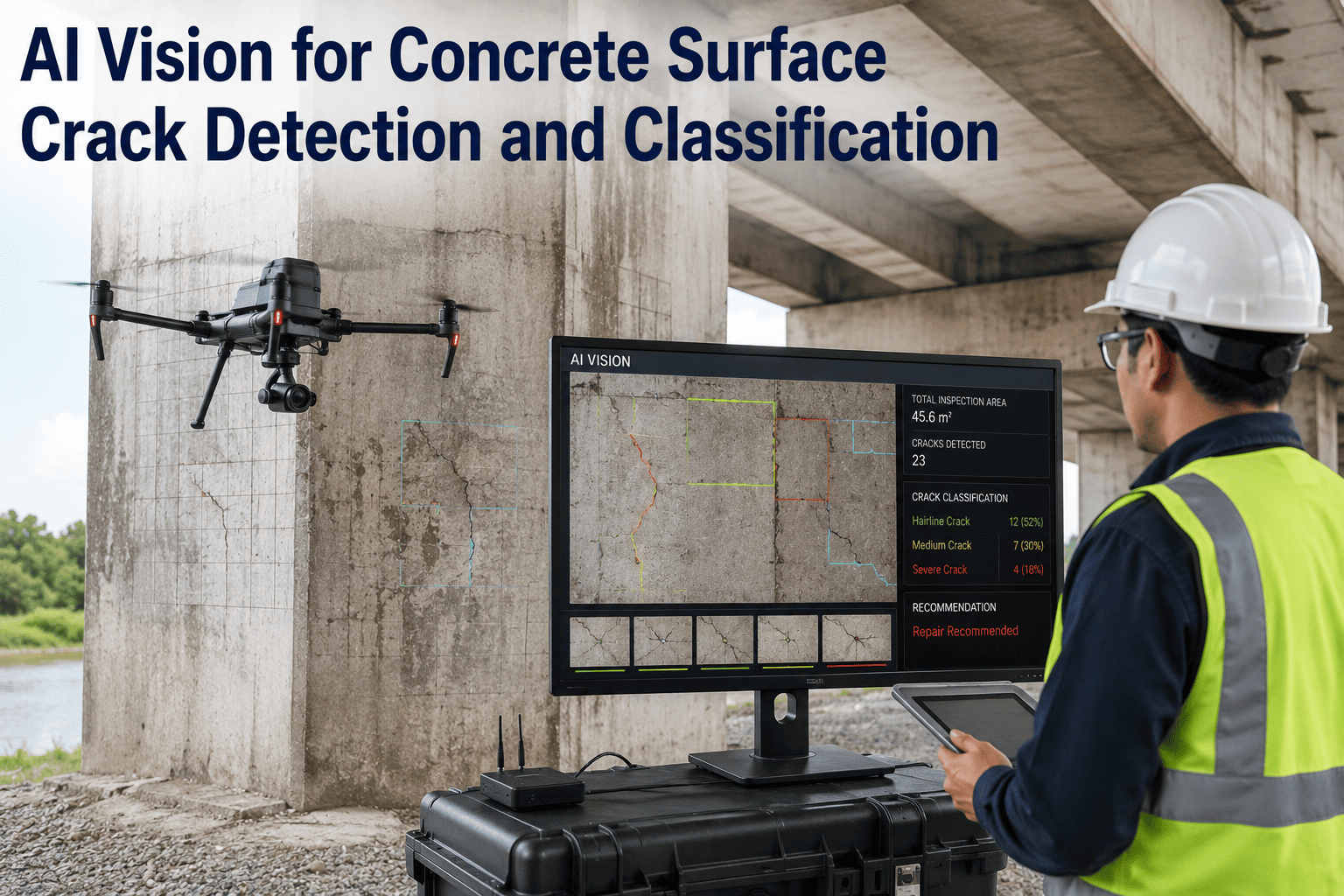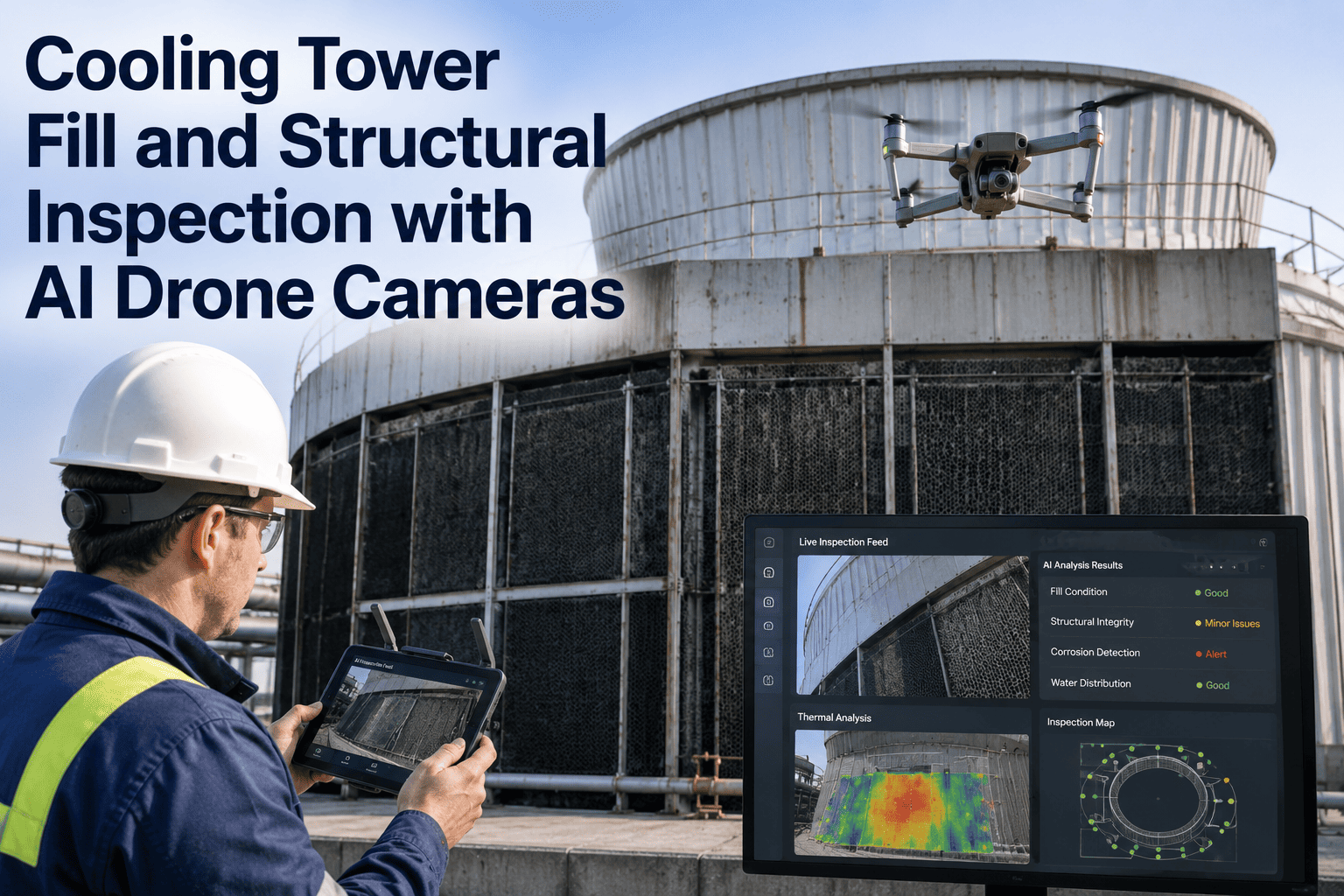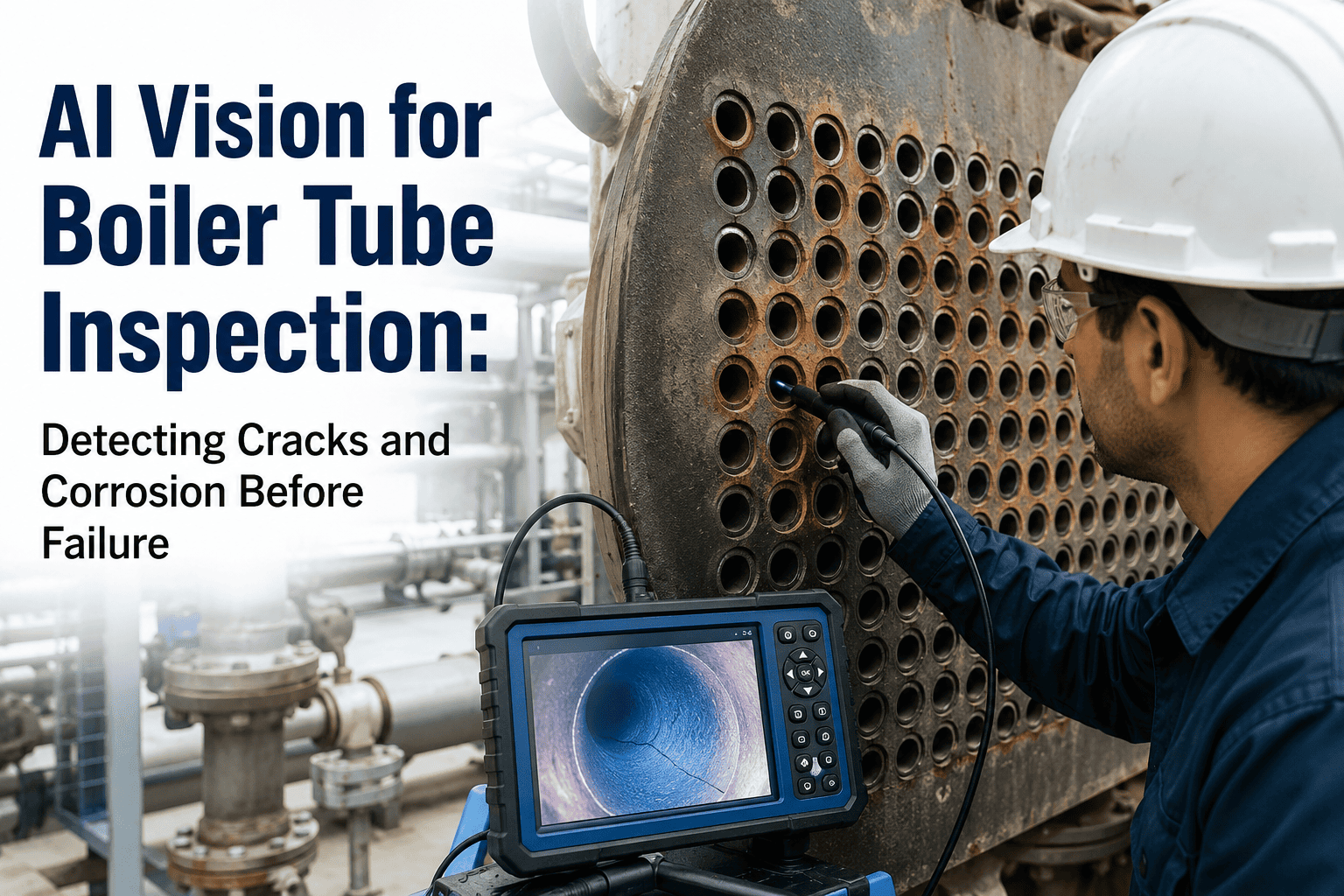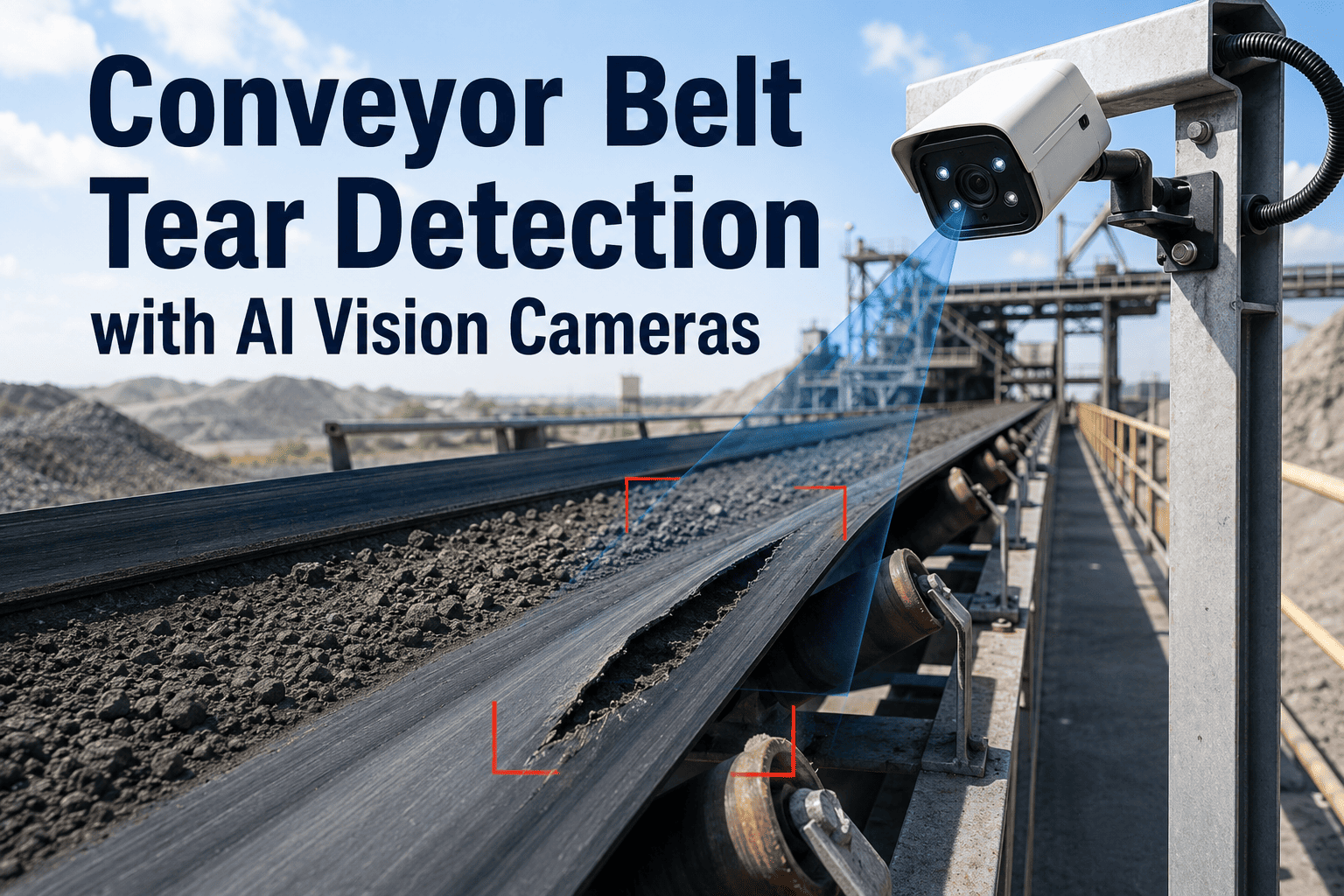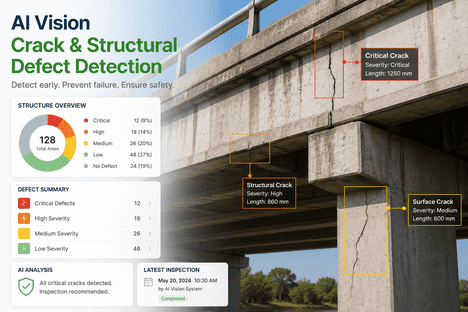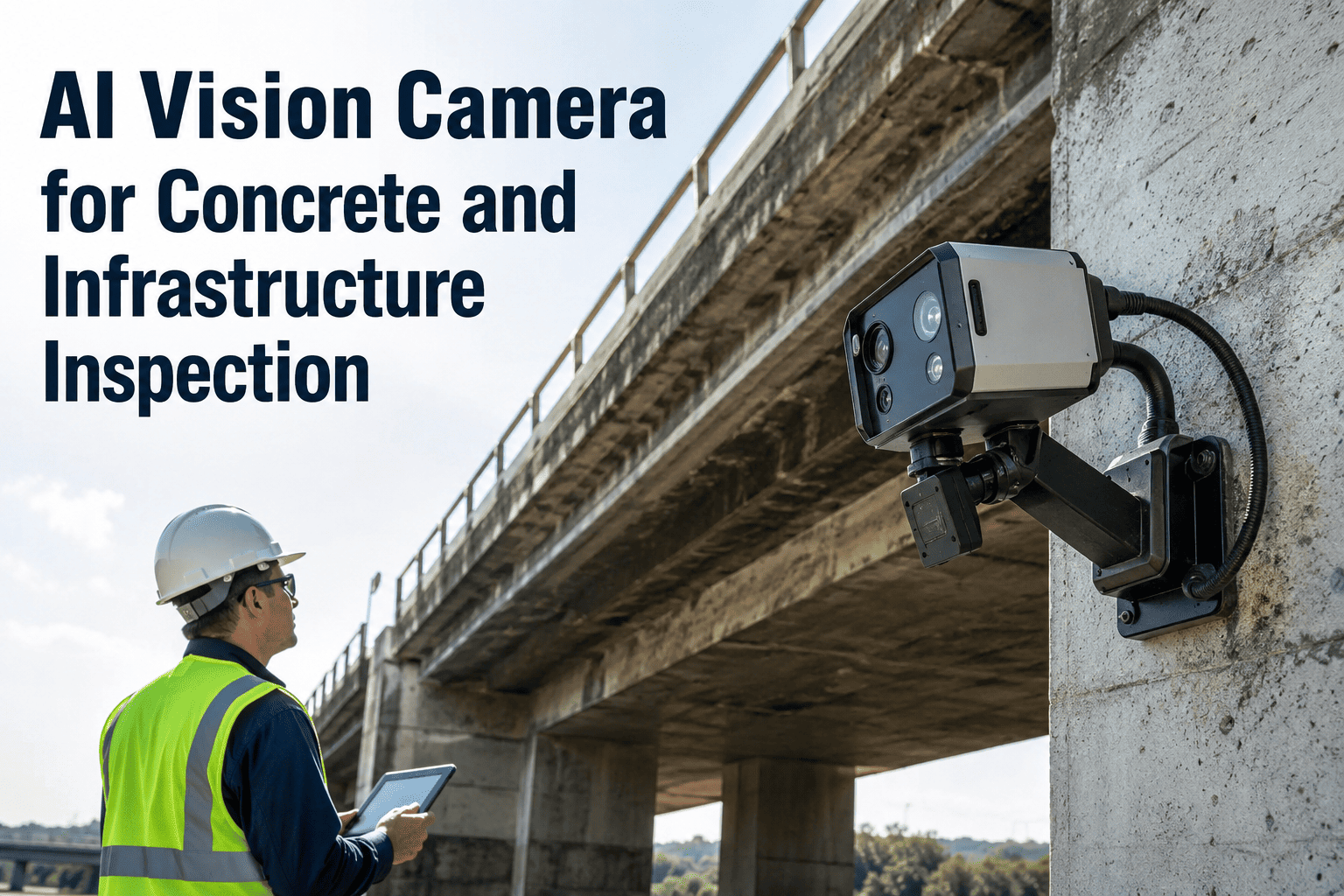
A bridge does not fail on the day it is condemned. It fails years earlier, one hairline crack and one exposed rebar strand at a time, while the only inspection it gets is a rope-access crew working a two-year cycle mandated by federal code. Across the United States, more than 590,000 bridges rely on that same biennial visual check, and a great deal can deteriorate in the gap between visits. iFactory's AI vision system rides on drones and fixed cameras to catch that deterioration continuously, and you can book a demo to see it mapped against a structure you manage.
Every Bridge in America Waits Up to 24 Months Between Inspections — Cracks Do Not Wait With It
iFactory's AI reads drone and fixed-camera imagery to catch cracking, spalling, exposed rebar, and settlement long before the next scheduled inspection date arrives, turning a two-year blind spot into continuous structural visibility.
What Happens to Concrete and Steel Between Two Scheduled Inspections
Reinforced concrete does not deteriorate on a schedule that matches an inspection calendar. Moisture intrusion, freeze-thaw cycling, and traffic loading push cracks and corrosion forward every single day, and the biennial inspection model built around human rope-access crews was never designed to catch that progress in real time.
The Four Structural Defects iFactory's AI Is Trained to Flag
Concrete and steel structures fail through a small number of well-understood mechanisms, and iFactory's AI is trained specifically to recognize each one from drone and fixed-camera imagery rather than relying on a single generic damage detector.
Surface Cracking
Hairline to structural cracks are measured for width, length, and propagation direction, with severity classified against standard condition-state thresholds.
Spalling and Delamination
Concrete cover breaking away from the reinforcement below is identified early, before the affected area expands into a larger structural repair.
Exposed Rebar and Corrosion
Visible reinforcement and rust staining are flagged as priority findings, since exposed steel accelerates deterioration far faster than covered rebar.
Settlement and Misalignment
Gradual shifts in deck geometry, joints, and bearings are tracked across repeated flights to catch movement long before it is visible to the eye.
From Drone Flight to a Condition-Rated Finding
iFactory turns a single inspection flight into structured, comparable data instead of a folder of raw photographs that an engineer has to review frame by frame.
Flight and Image Capture
Drones or fixed cameras capture high-resolution imagery of decks, girders, piers, and other structural elements on a set flight path.
AI Damage Detection
The AI isolates structural surfaces from background clutter and identifies cracks, spalling, rebar exposure, and settlement signatures.
Severity Classification
Each finding is measured and classified against standard condition-state thresholds so ratings stay consistent across inspection cycles.
Engineer Review and Report
A qualified engineer reviews AI-flagged findings and approves the final condition report, keeping a licensed professional in the loop.
The Crack You Cannot See From the Roadway Is Still Getting Wider
iFactory's AI reads drone and fixed-camera imagery continuously, catching structural deterioration between scheduled inspection cycles instead of waiting for the next one.
How Common Defects Map to Inspection Priority
Not every crack demands the same response, and treating every finding as equally urgent wastes limited maintenance budgets. The table below shows how iFactory's AI generally prioritizes the four most common structural findings.
| Defect Type | Typical Cause | Inspection Priority |
|---|---|---|
| Hairline Cracking | Shrinkage, minor thermal movement | Monitor over time |
| Structural Cracking | Load stress, settlement | Schedule near-term repair |
| Spalling / Delamination | Corrosion expansion, freeze-thaw | High priority repair |
| Exposed Rebar | Advanced corrosion, cover loss | Immediate attention |
From First Flight to a Standing Inspection Program
iFactory's rollout is designed to produce a usable condition report from the very first flight, then build toward a repeatable, comparable inspection program over subsequent cycles.
Baseline Flight and Data Capture
An initial drone or fixed-camera survey establishes a high-resolution baseline of the structure's current condition.
AI Defect Mapping
Every crack, spall, and exposed rebar location is geotagged and measured against standard condition-state definitions.
Engineer-Reviewed Reporting
Findings are compiled into a report format aligned with standard bridge and structure inspection documentation requirements.
Repeat Cycle Comparison
Each subsequent flight is compared against the baseline and prior cycles, showing deterioration trends instead of isolated snapshots.
Results From AI-Driven Structural Inspection Programs
The figures below reflect outcomes reported from infrastructure and facility teams that deployed AI-assisted drone and fixed-camera inspection across bridges, buildings, and other concrete structures.
Common Questions From Infrastructure and Facility Teams
The Structures You Manage Do Not Deteriorate on a Two-Year Schedule
Concrete cracks, rebar corrodes, and joints shift every single day, regardless of when the next inspection is calendared. A biennial visual survey performed by a rope-access crew was a reasonable model when it was designed decades ago, but it leaves a wide window in which real damage can compound unnoticed and unrecorded.
iFactory's AI closes that window by turning drone and fixed-camera imagery into consistent, measurable, condition-rated findings your engineering team can act on immediately. The result is earlier repairs, lower long-term cost, and a full audit trail for every structure you are responsible for. Book a demo to see iFactory's AI analyzing imagery from your own structures.
Do Not Wait for the Next Scheduled Inspection to Find Out What Changed
iFactory's AI reads drone and camera imagery for cracking, spalling, rebar exposure, and settlement, giving your team continuous visibility between inspection cycles.