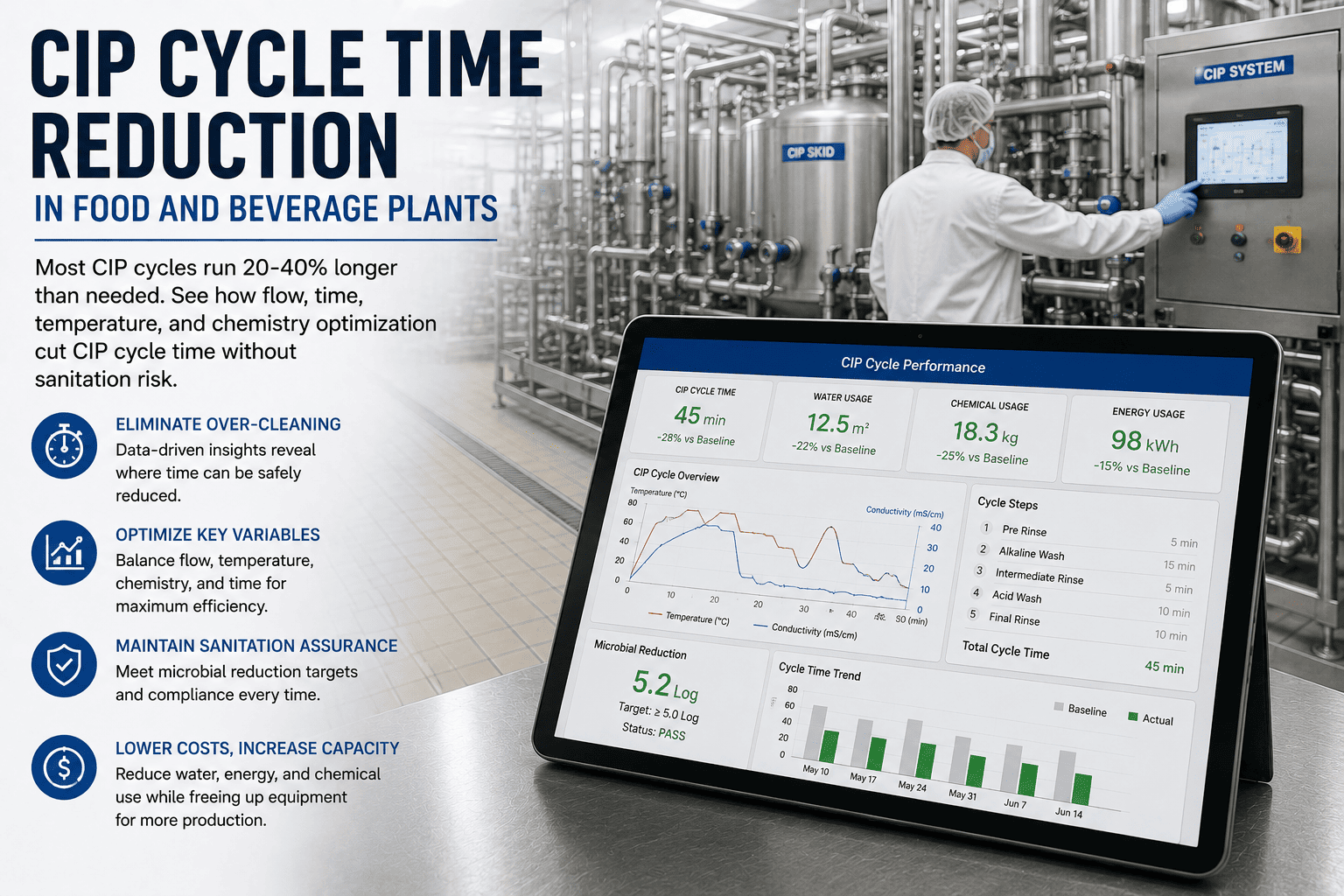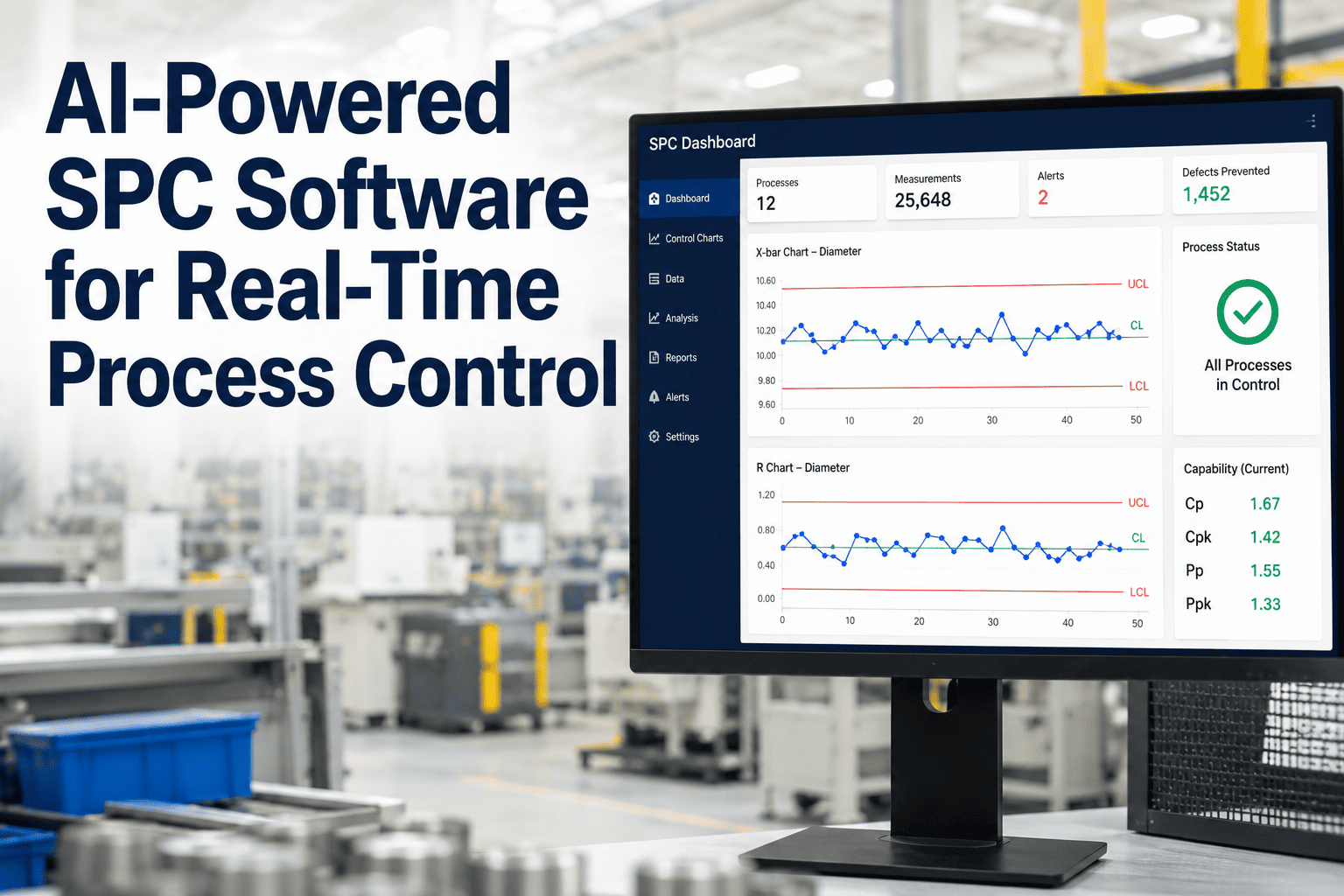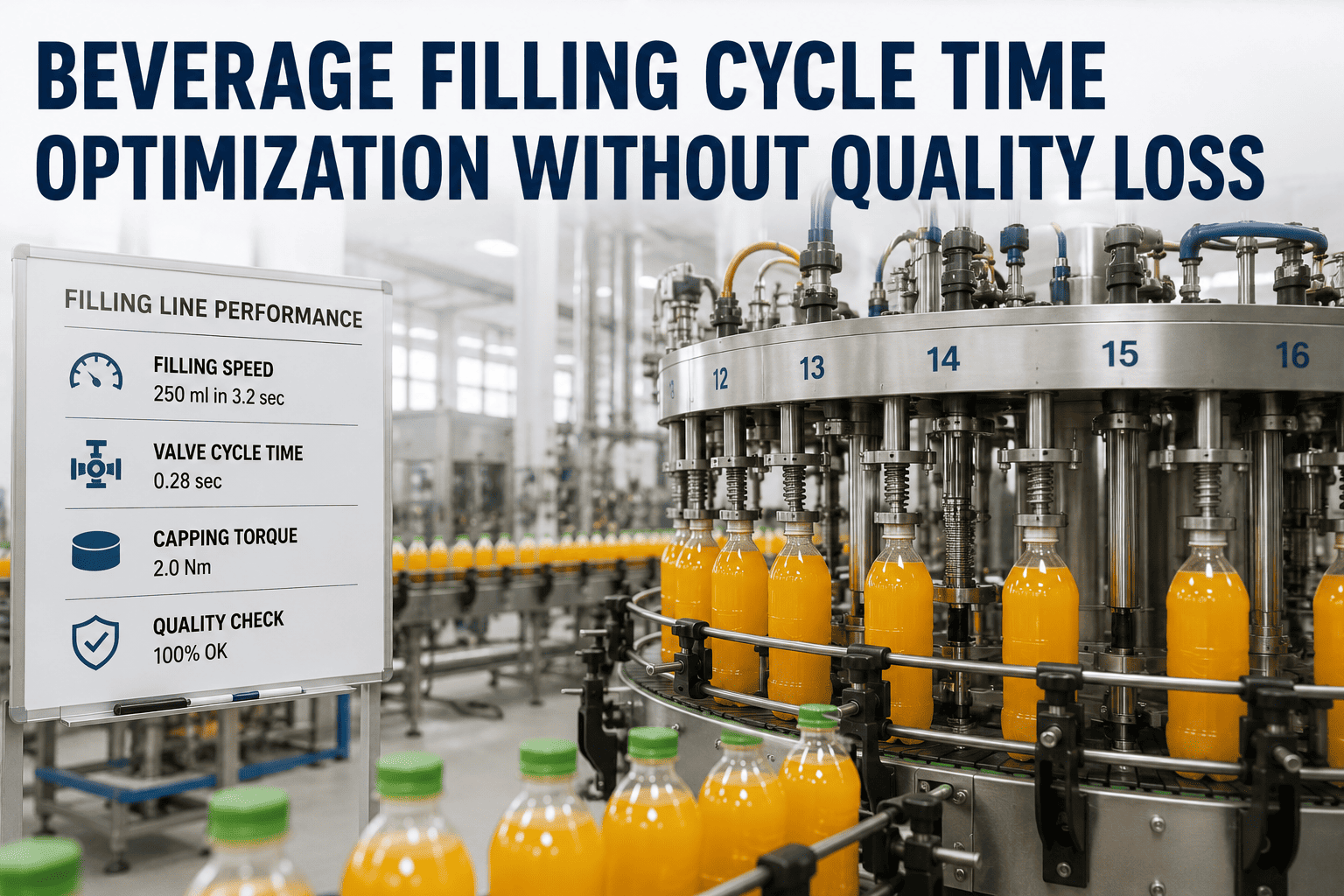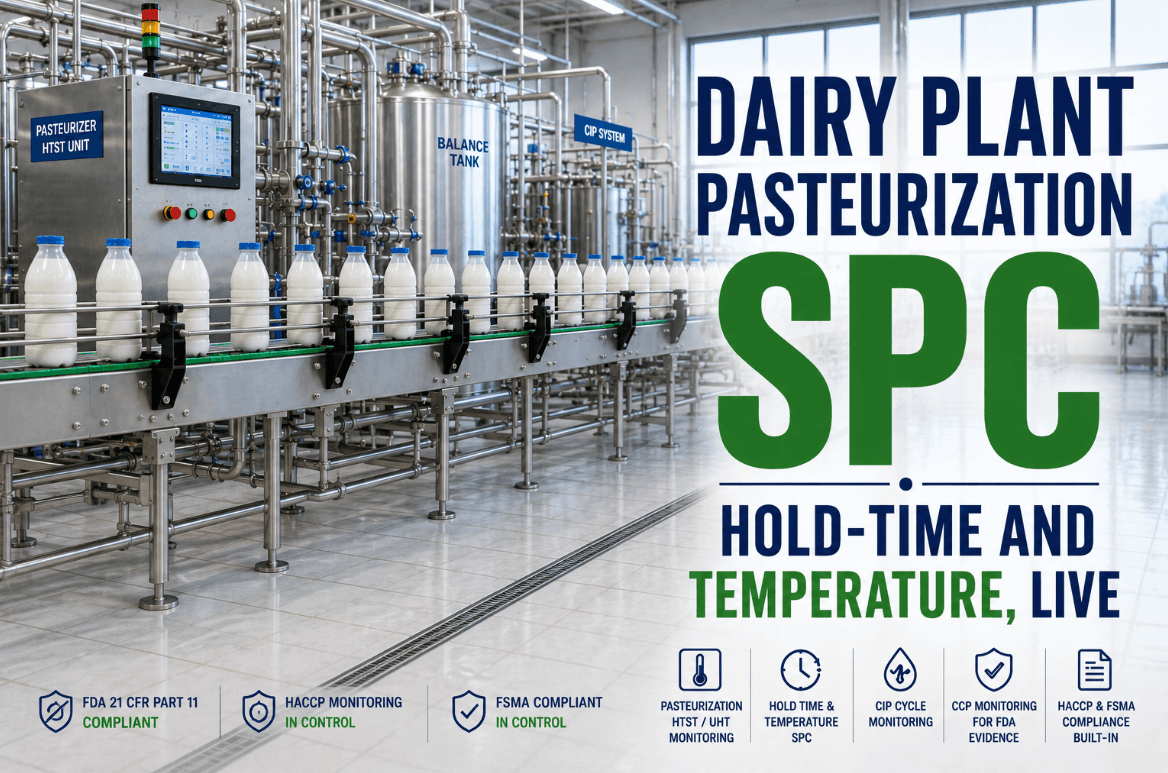
Most CIP programs in U.S. food and beverage plants are still running on the clock, not on the chemistry. A wash cycle that was set to 22 minutes during commissioning five years ago is still running 22 minutes today — regardless of whether the soil load was a light yogurt changeover or a heavy cheese vat with caked-on protein. CIP already consumes 20–30% of a typical dairy or beverage plant's water, hot water energy, and caustic/acid chemical spend, and fixed-duration cycles are the single largest source of waste inside that budget. The fix is not running CIP faster across the board — that risks under-cleaning and a failed swab test. The fix is using the data the CIP skid is already generating — return-line temperature, conductivity, and flow — to end each phase exactly when the chemistry says the surface is clean, not when a timer says so. iFactory's CIP cycle optimization platform reads those signals in real time and lets plants pull 20–35% of CIP water and chemical cost out of the cycle without touching sanitation risk. Manufacturers who have deployed iFactory's CIP optimization platform report double-digit reductions in cycle time alongside fewer failed post-CIP swab and ATP results, because phase completion is now verified by sensor data instead of assumed by clock time.
Why Fixed-Duration CIP Cycles Waste Water, Caustic, and Production Time
A standard CIP program for a dairy or beverage line runs five phases in sequence: pre-rinse flush, caustic (alkaline) wash, intermediate rinse, acid wash, and final rinse. Each phase has a target temperature and a minimum contact time written into the sanitation SOP — typically 60–80°C for the caustic phase and a defined recirculation duration for each step. The problem is that the SOP duration is set for the worst-case soil load the line will ever see, then applied to every single cycle regardless of what actually fouled the equipment that shift. A short pasteurized-milk run leaves a very different soil profile than an 18-hour cheese vat cycle, but a fixed-timer CIP skid cannot tell the difference. It runs the same caustic recirculation time either way, burning excess hot water and detergent on the light-soil run and — in the worst case — under-cleaning the heavy-soil run if the fixed timer was calibrated to an average rather than a worst case.
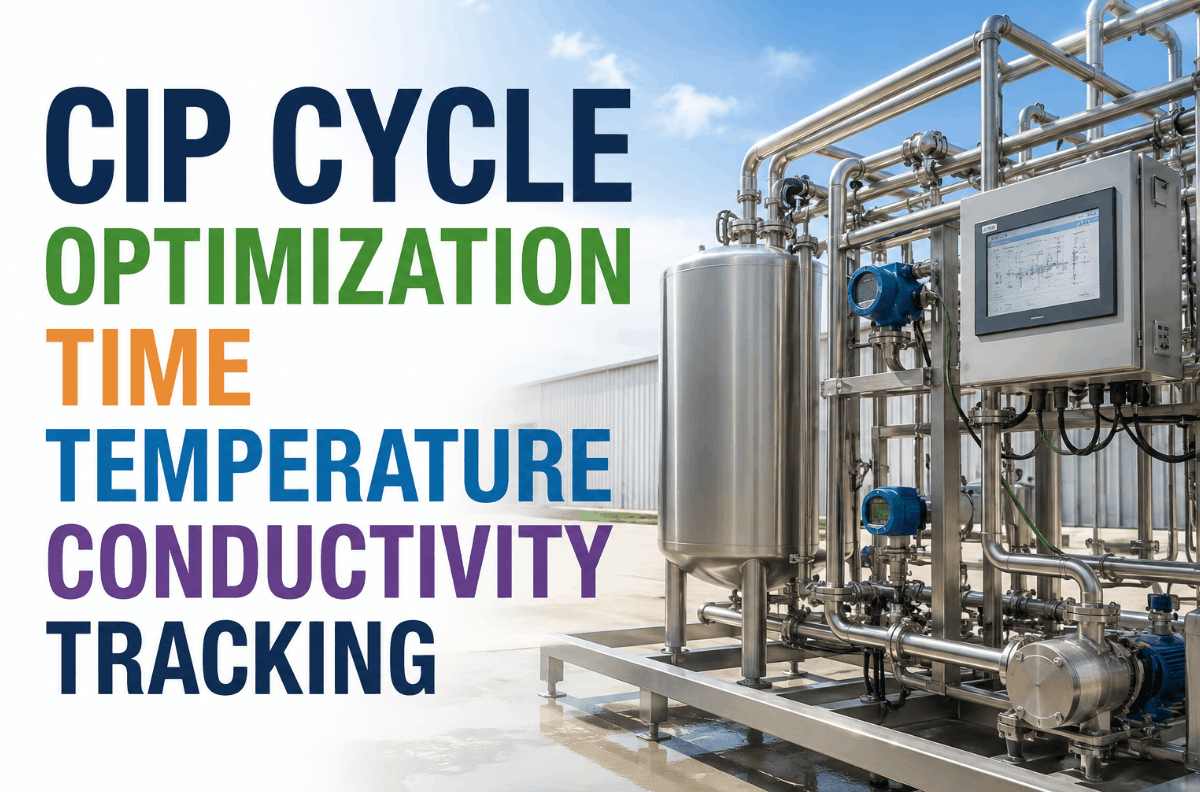
The instrumentation needed to fix this is already installed on most CIP skids. Conductivity meters on the return line are already tracking detergent concentration, since cleaning solutions conduct electricity at a measurably different rate than the rinse water that precedes and follows them. Temperature transmitters are already confirming the wash solution reached setpoint. Flow meters are already verifying turbulent flow — the 1.5–3 m/s velocity range needed for adequate mechanical scrubbing action inside the pipe run. What is usually missing is the analytics layer that reads those three signals together, in real time, and uses them to end each phase the moment the data confirms completion instead of waiting for a fixed timer that was never calibrated to that specific cycle's soil load. Book a Demo to see how this looks against your own skid's sensor data.
The Three Signals That Tell a CIP Skid When a Phase Is Actually Finished
CIP cycle optimization is not a single sensor problem — it is a correlation problem across three measurements that each tell part of the cleaning story. Time alone confirms nothing. Temperature alone confirms the chemical is at the right setpoint but not that it has done its job. Conductivity alone confirms detergent concentration but not contact duration. iFactory's optimization engine reads all three together, against asset-specific baselines for each line, and only advances the cycle to the next phase when the combined signal — not the clock — indicates the surface is clean.
Return-Line Temperature Verification
Each detergent has a temperature band where it performs optimally — typically 60–70°C for caustic, lower for acid rinse phases. Heating past setpoint wastes steam and energy; running under setpoint slows the chemical reaction and risks an incomplete clean. iFactory monitors return-line temperature continuously, not just supply-line temperature, so the phase timer only starts once the solution has actually reached target temperature at the point furthest from the heat exchanger.
Conductivity-Based Concentration and Endpoint Detection
Cleaning solutions conduct electricity at a far higher rate than the rinse water surrounding them, which makes conductivity the most cost-effective real-time measurement of what is actually in the pipe at any moment. iFactory tracks return-line conductivity through every phase to confirm detergent strength is within validated range during the wash, and — just as importantly — to detect the precise moment a rinse phase has flushed residual chemical back down to baseline water conductivity, instead of running the rinse for a fixed extra few minutes "to be safe."
Flow Rate and Turbulent Velocity Monitoring
Chemistry and heat only work if the solution actually contacts the soiled surface with enough mechanical force to lift it. CIP design standards call for turbulent flow in the 1.5–3 m/s range through the piping run; below that range, flow becomes laminar and cleaning effectiveness drops sharply even if temperature and concentration are both within spec. iFactory monitors flow rate against the validated velocity range for each line's pipe diameter and flags any phase running below the turbulence threshold before it is logged as a completed clean.
Automated Phase Transition and Cycle Logging
Instead of a sanitation SOP that hard-codes "recirculate caustic for 12 minutes," iFactory's logic hard-codes the actual completion condition: temperature within validated band, conductivity within validated concentration range, and flow within the turbulence range, sustained for the minimum contact time the SOP specifies. Once all three conditions are satisfied, the system advances automatically to the next phase and timestamps the transition — so every cycle is exactly as long as it needs to be, and no longer.
How iFactory Converts Raw CIP Sensor Data Into a Shorter, Safer Cycle
A fixed-timer CIP skid treats every cycle identically because it has no way to recognize when cleaning is actually complete. iFactory's optimization engine replaces the fixed timer with a closed-loop process that reads sensor data continuously, compares it to validated cleaning parameters for that specific line and detergent, and adjusts cycle duration in real time — shortening cycles that finish early and extending the ones that need it, automatically.
Fixed-Timer CIP vs. Sensor-Verified CIP: What Changes for Your Plant
The table below outlines how each core element of a CIP program changes when cycle control shifts from a fixed clock to live sensor verification — and what that change means for water and chemical cost, cycle time, and sanitation confidence. Book a Demo to see this comparison run against your own CIP skid data.
| CIP Program Element | Fixed-Timer Approach | iFactory Sensor-Verified Approach | Resource Impact | Sanitation Confidence |
|---|---|---|---|---|
| Caustic Wash Duration | Fixed minutes regardless of soil load | Conductivity-confirmed concentration held for validated contact time | Shorter cycles on light-soil runs, no change on heavy-soil runs | Verified by data instead of assumed by clock |
| Rinse Phase Endpoint | Fixed extra minutes "to be safe" | Ends when return conductivity reverts to baseline water level | Water use reduced 20–35% on rinse phases | Chemical-free confirmation, not estimated |
| Temperature Validation | Supply-line reading only | Return-line reading confirms full-loop temperature reached | Reduced energy overshoot from premature phase start | Closes the gap between supply and actual contact temperature |
| Caustic/Acid Tank Reuse | Scheduled discard regardless of remaining strength | Conductivity-tracked concentration extends safe reuse cycles | Lower chemical procurement cost per month | Tank strength confirmed before each reuse cycle |
| Deviation Handling | Manual review after the fact, often missed | Out-of-range condition auto-extends the phase in real time | Avoids costly rework and re-clean cycles | Deviations corrected before cycle completion, not after |
| Compliance Documentation | Paper log or operator initials | Full sensor history auto-logged per cycle with timestamps | Reduced audit prep labor hours | Audit-ready record for every cycle automatically |
Plants that move from fixed-timer to sensor-verified CIP typically see the largest early win on rinse phases, since rinse water volume is the easiest resource to overconsume on a fixed clock and the easiest to confirm objectively with a single conductivity reading. Schedule a CIP data review for your plant.
Expert Review: Why CIP Optimization Is a Data Problem, Not an Equipment Problem
I've audited CIP programs at dairy and beverage plants for close to twenty years, and the conversation almost always starts the same way: a plant manager wants to know if they need a new CIP skid to cut water use. In the overwhelming majority of cases, they don't. The skid already has a conductivity meter on the return line and a temperature transmitter doing exactly what it was specified to do. What's missing is a layer that actually uses that data to decide when a phase is done, instead of a timer that was set once during commissioning and never touched again. I've seen plants pull 25 to 30 percent out of their rinse water volume just by ending the final rinse when conductivity hits baseline instead of running a fixed extra five minutes that nobody can explain the origin of. The sanitation risk argument cuts the other way too — a sensor-verified cycle that extends automatically when conductivity or temperature falls outside range is a stronger food safety control than a fixed timer that completes regardless of what the data is actually showing. This isn't a capital equipment decision. It's a decision to start reading the instruments you already paid for.
Conclusion: The Cycle Ends When the Data Says Clean, Not When the Clock Does
CIP cycle optimization is not about pushing plants to clean faster at the expense of food safety. It is about replacing a fixed-duration assumption with a verified completion condition — temperature in band, conductivity confirming concentration or rinse endpoint, flow sustaining turbulent contact — so that every cycle runs exactly as long as the actual soil load requires. The sensors needed to do this are already installed on most CIP skids; what most plants are missing is the analytics layer that reads them together and acts on them in real time.
iFactory's CIP optimization platform delivers that layer: real-time temperature, conductivity, and flow correlation across every phase; automated phase transitions that end cycles the moment conditions are met instead of when a timer expires; and a fully logged, audit-ready cycle record for every wash. The result is less water, less chemical, less energy, and a stronger — not weaker — sanitation record. Book a Demo to see what your own CIP data is already telling you.
Frequently Asked Questions
Plants moving from fixed-timer to sensor-verified CIP typically cut water use 20–35%, mostly from rinse phases ending at the actual conductivity baseline instead of a fixed extra duration.
No — cycles only shorten when temperature, conductivity, and flow data confirm validated conditions were met; any reading outside range auto-extends the phase rather than completing it.
Cleaning chemicals conduct electricity at a much higher rate than rinse water, so a return-line conductivity reading reverting to baseline is a direct, real-time confirmation the line is chemical-free.
Yes — the platform integrates with existing CIP instrumentation over standard protocols like 4-20mA, Modbus, and OPC-UA, so most plants don't need new sensor hardware to get started.
Every cycle is logged automatically with full temperature, conductivity, and flow history, phase timestamps, and any deviations — producing an audit-ready record without manual log entry.