Steel manufacturing is a high-stakes environment where even minor quality defects can cascade into massive scrap losses, costly rework, and compromised structural integrity. From blast furnace inconsistencies to rolling mill surface anomalies, steel plants grapple with an overwhelming volume of process data that often hides the true root causes of defects. Traditional quality control methods rely on manual inspection and siloed data analysis, which are too slow and fragmented for modern production speeds. Without a systematic approach to defect trend analysis, teams waste valuable time chasing symptoms instead of fixing core process issues. iFactory's AI-powered Quality Analytics platform transforms this challenge by providing a unified, real-time view of defect patterns, automated root cause identification, and actionable recommendations. This blog explores how steel plants can leverage AI-driven root cause analysis to slash scrap rates, improve yield, and build a culture of continuous improvement. If you are ready to move from reactive firefighting to proactive quality control, Book a Demo to see iFactory in action.
Eliminate Steel Quality Defects with AI Root Cause Analysis
Stop guessing why defects occur. iFactory's AI-driven platform analyzes thousands of data points from blast furnaces, casters, and rolling mills to pinpoint the exact root cause of quality issues in minutes, not weeks.
Why Steel Plants Need AI Root Cause Analysis
Blast Furnace Variability
Inconsistent raw material quality, temperature fluctuations, and slag composition changes lead to unpredictable iron chemistry. iFactory's AI correlates these variables with downstream defect data to identify the most influential factors, enabling operators to adjust charge mix and thermal profiles in real time.
Rolling Mill Surface Defects
Surface cracks, scale pits, and edge tears are common in hot rolling. iFactory's defect trend analysis clusters these defects by time, temperature, and roll wear patterns, revealing hidden correlations that manual inspection misses. Teams can then schedule roll changes or adjust cooling rates proactively.
Caster Breakout Prevention
Breakouts are catastrophic events causing downtime and equipment damage. iFactory's AI monitors mold level, casting speed, and lubrication parameters to predict breakout risks hours in advance. Root cause analysis links historical breakouts to specific operating conditions, enabling preventive adjustments.
Automated Defect Trend Analysis
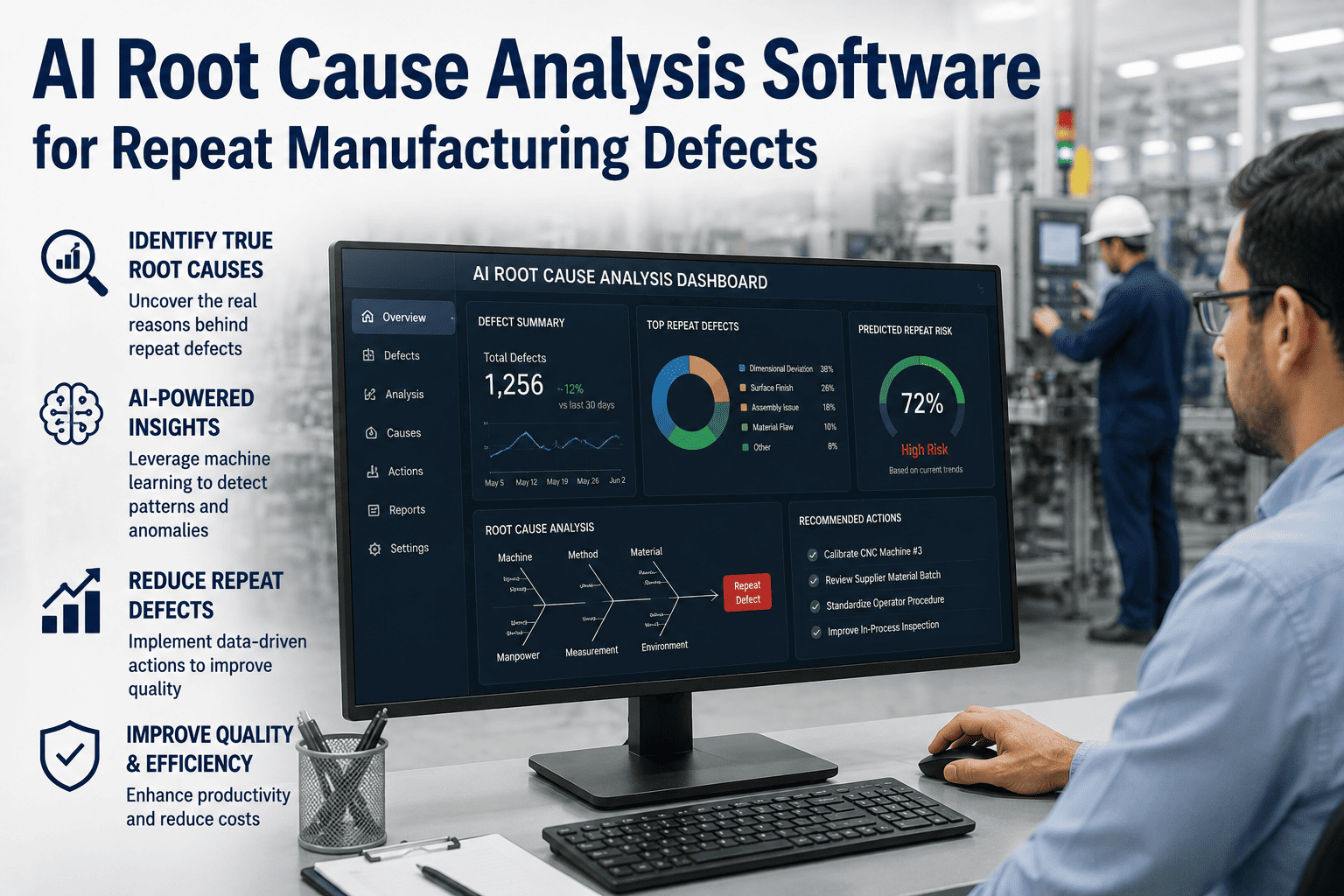
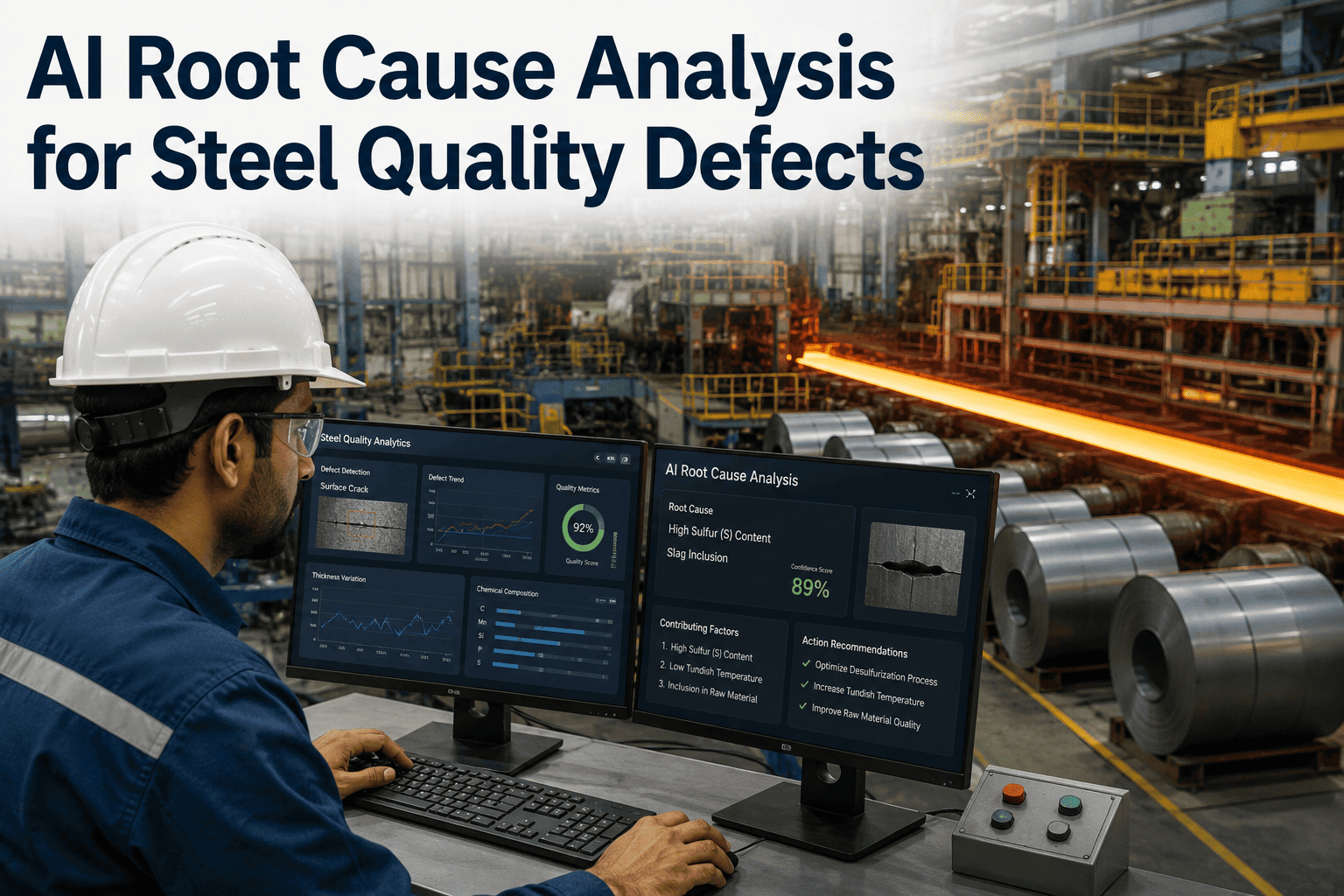
iFactory's Quality Analytics dashboard automatically aggregates defect data from multiple sources: visual inspection cameras, ultrasonic testers, tensile test machines, and manual entry terminals. The AI engine then performs time-series analysis to detect emerging defect patterns before they become epidemic. For example, if surface pitting increases by 15% in a single shift, the system alerts the team and suggests probable causes such as descaling nozzle blockage or roll surface degradation. This proactive approach shifts quality control from reactive sampling to continuous, data-driven prevention. Teams can drill down into any trend to view raw data, correlation matrices, and recommended actions, all within a single interface.
Integration with Existing Systems
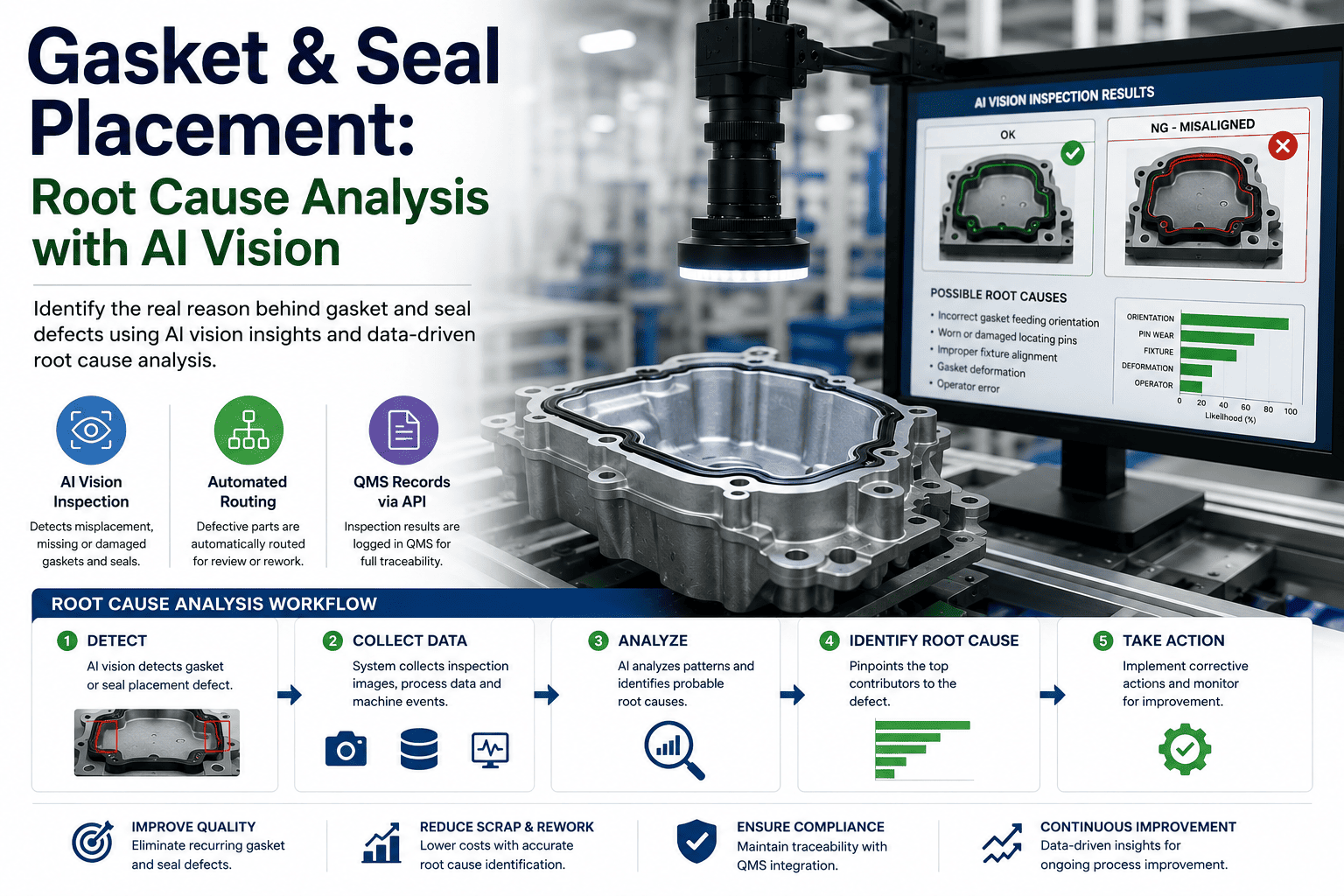
iFactory seamlessly integrates with your existing MES, SCADA, and LIMS systems via standard APIs and industrial protocols. This means no rip-and-replace of your current infrastructure. The platform ingests data from blast furnace control systems, rolling mill PLCs, and quality lab equipment to create a unified data lake. AI models then analyze this combined dataset to uncover cross-process correlations that were previously invisible. For instance, a defect in finished coils might be traced back to a specific batch of iron ore from a particular supplier, combined with a slight temperature deviation in the reheating furnace. iFactory's root cause analysis engine quantifies the contribution of each factor, allowing teams to prioritize corrective actions.
| Data Source | Integration Type | Update Frequency |
|---|---|---|
| Blast Furnace DCS | OPC UA | Real-time |
| Rolling Mill PLC | Modbus TCP | 1 second |
| Quality Lab LIMS | REST API | Per batch |
| Visual Inspection Camera | MQTT | Per coil |
Ready to Transform Your Steel Plant Quality?
Stop firefighting defects. Start predicting and preventing them with AI-powered root cause analysis. Book a personalized demo today.
How iFactory Implements Root Cause Analysis in 4 Steps
Data Ingestion & Unification
Connect all quality-related data sources: production logs, inspection records, process parameters, and lab results. iFactory's connectors handle OPC UA, Modbus, MQTT, and REST APIs, ensuring a complete data picture.
AI Model Training & Calibration
Using historical defect data, iFactory's AI trains classification and regression models to recognize defect signatures. The system calibrates to your specific production environment, learning from your unique defect patterns.
Real-Time Monitoring & Alerts
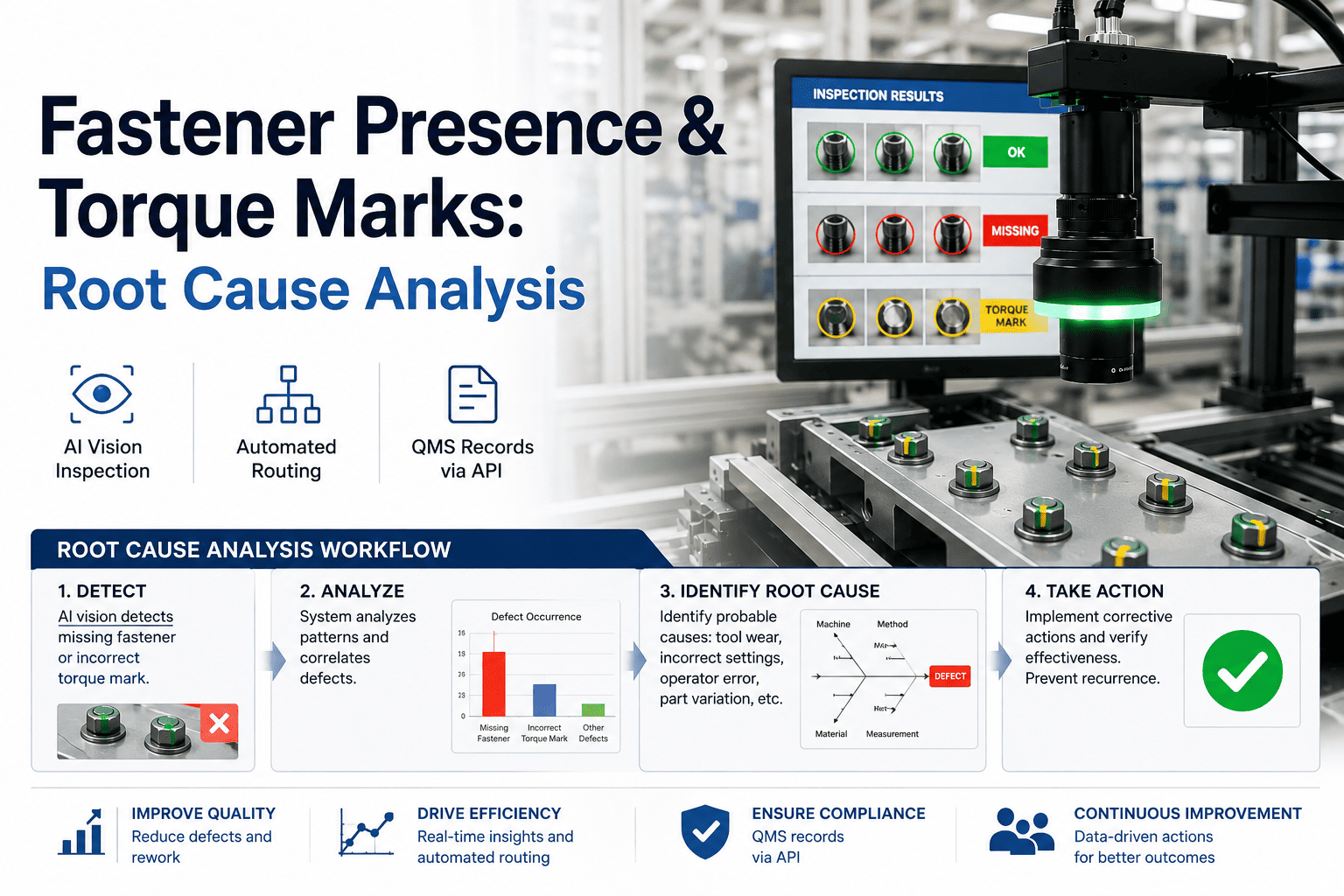
The platform continuously monitors incoming data, comparing it against trained models. When a potential defect pattern emerges, alerts are sent to operators and quality engineers with detailed root cause hypotheses.
Closed-Loop Corrective Actions
Based on root cause insights, iFactory recommends specific process adjustments. Teams can implement changes directly from the dashboard and track their impact over time, creating a continuous improvement loop.
Traditional vs AI-Driven Root Cause Analysis
Traditional Approach
- Manual data collection from multiple systems
- Reactive analysis after defects are found
- Relies on individual expertise and memory
- Slow, iterative trial-and-error fixes
- Limited to visible, obvious correlations
iFactory AI Approach
- Automated data aggregation from all sources
- Predictive detection before defects occur
- AI models capture institutional knowledge
- Instant root cause identification with confidence scores
- Uncovers hidden multivariate correlations
Frequently Asked Questions
Stop Defects Before They Cost You Millions
iFactory's AI root cause analysis gives you the visibility and control to eliminate quality defects at the source. Transform your steel plant with data-driven quality.