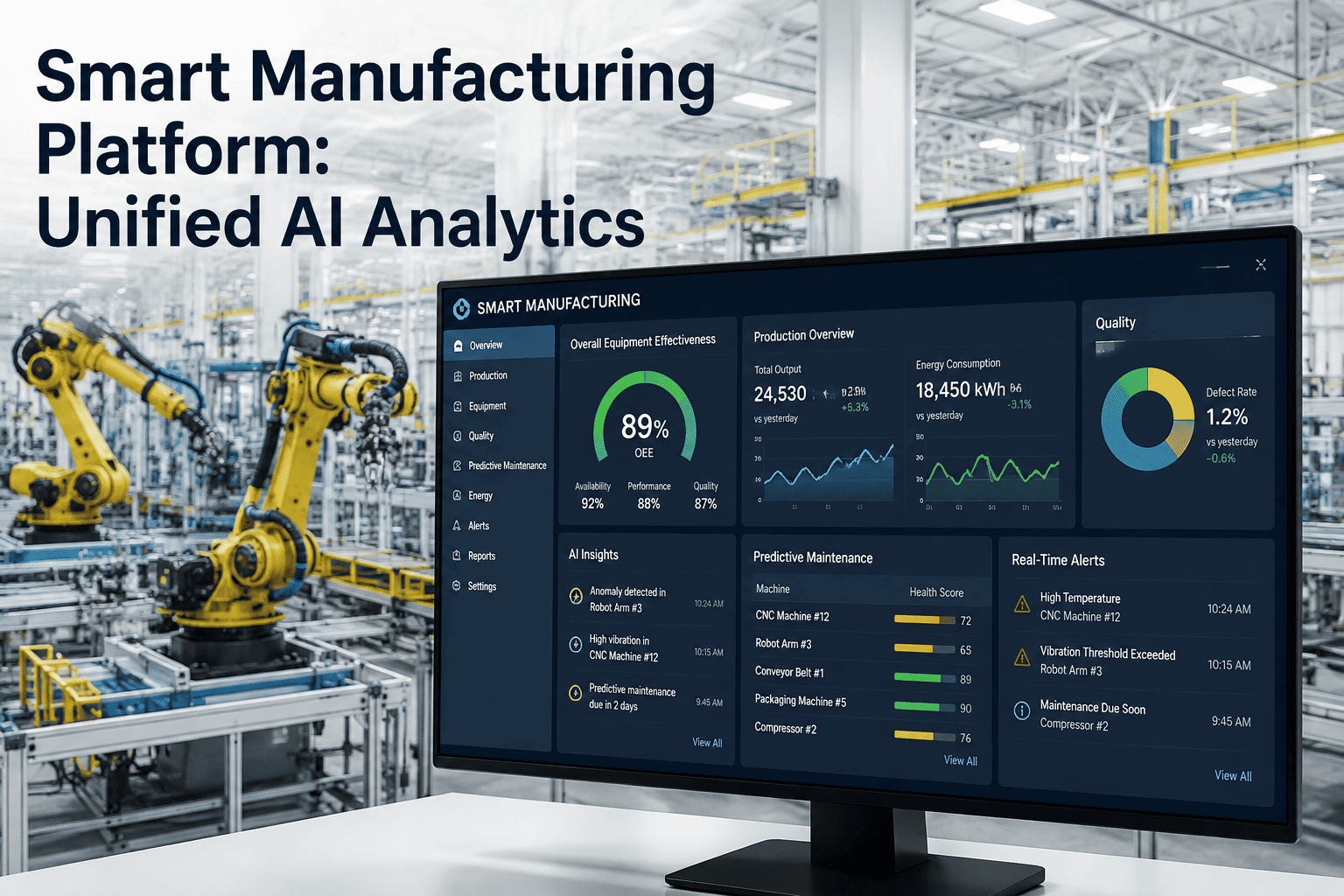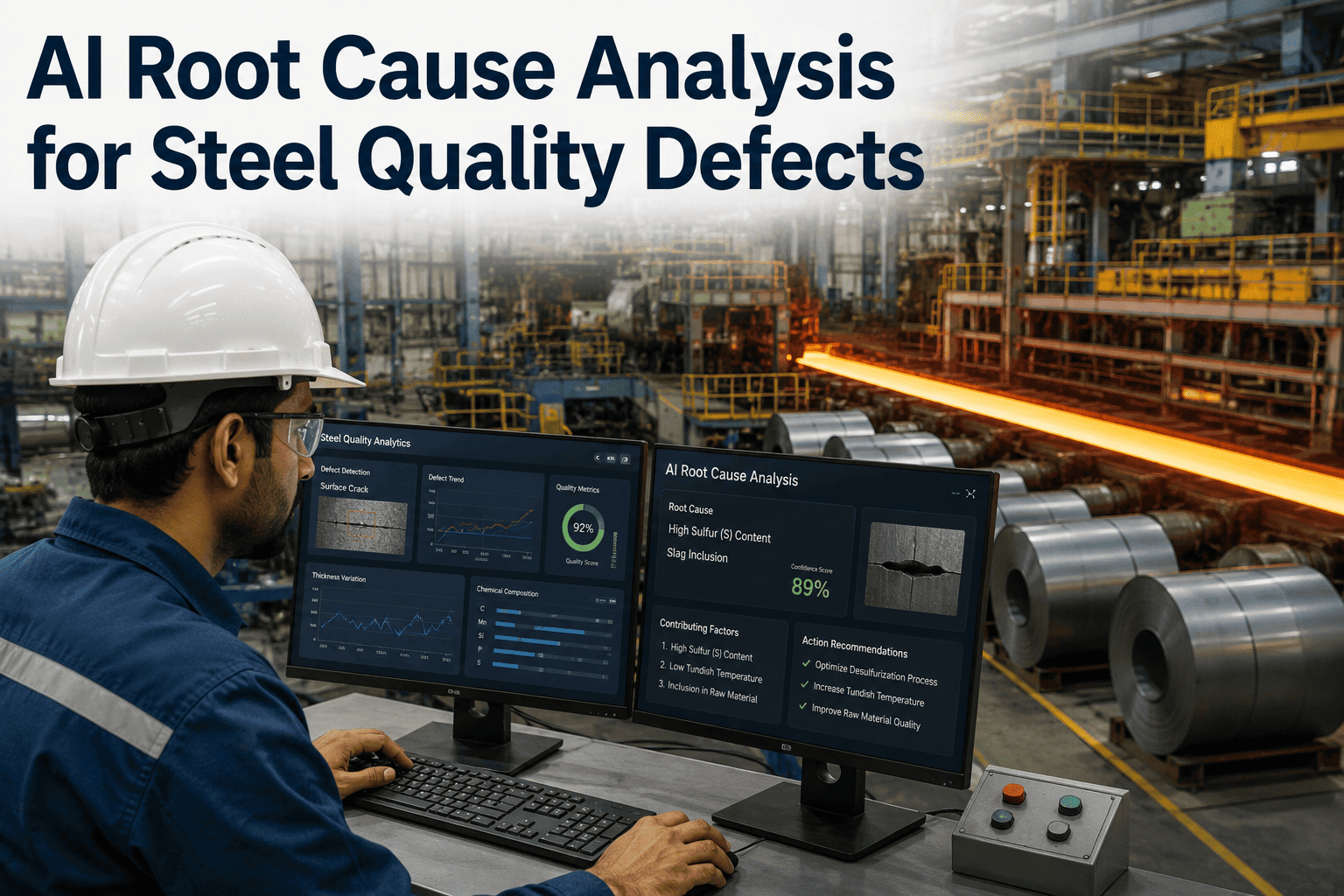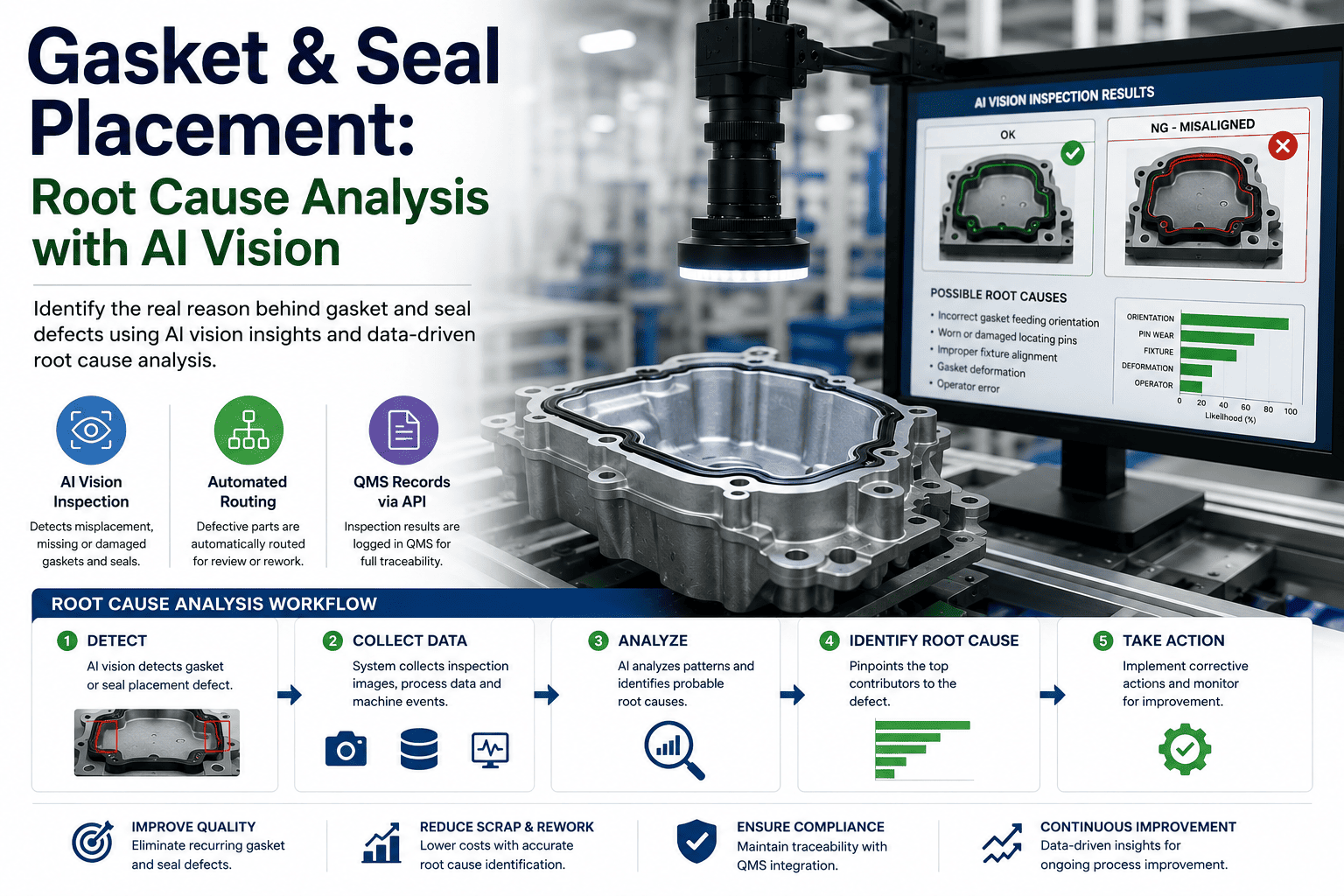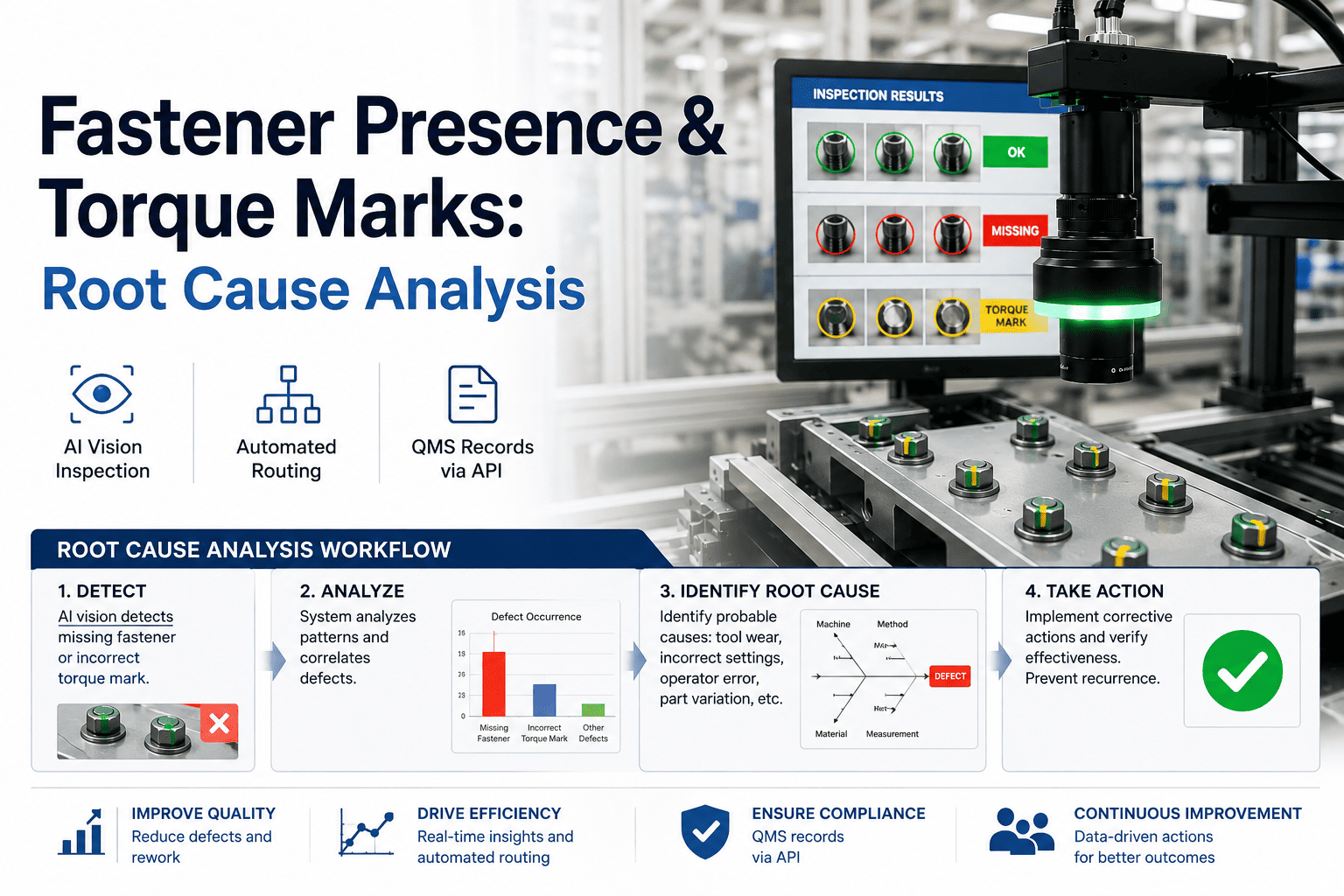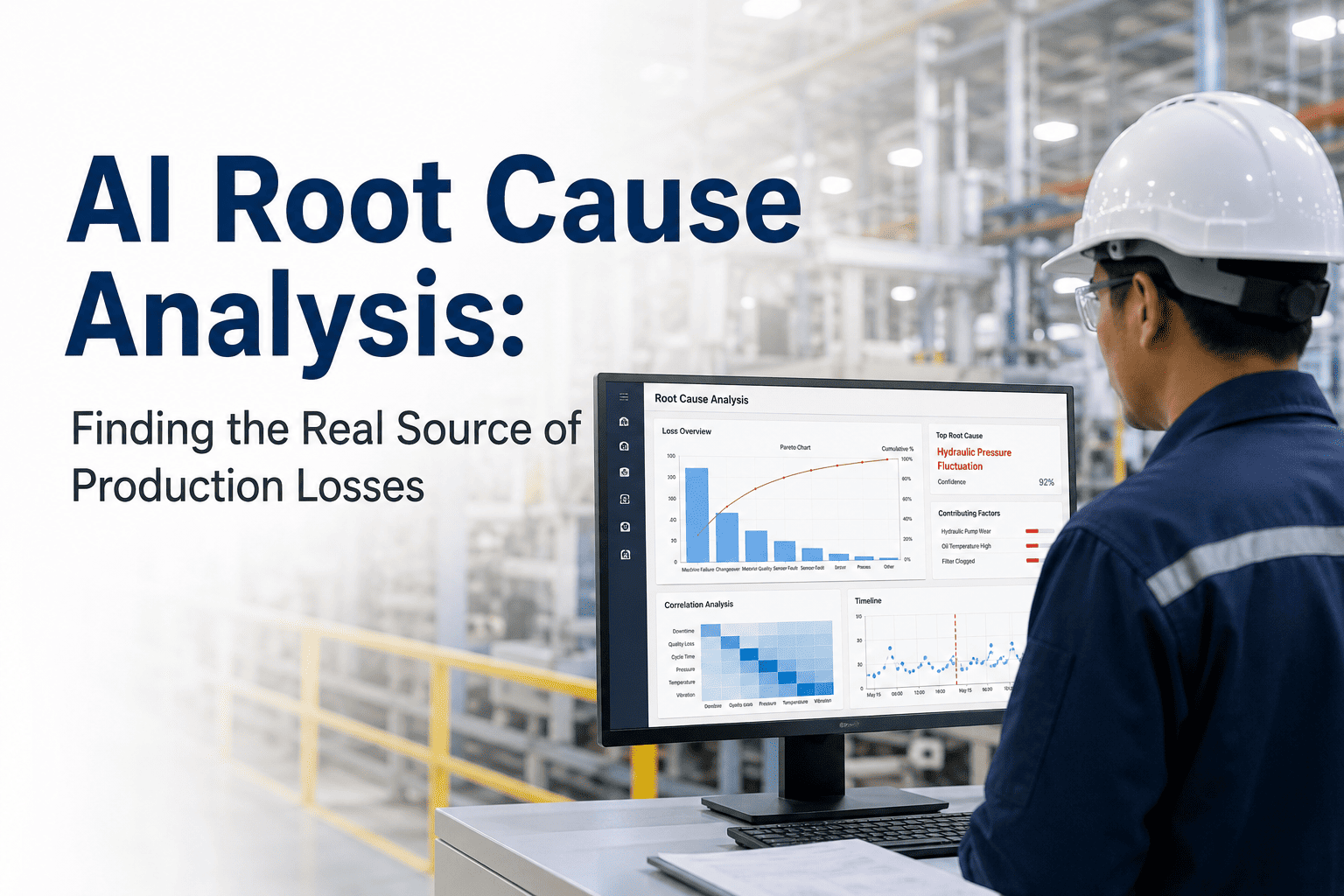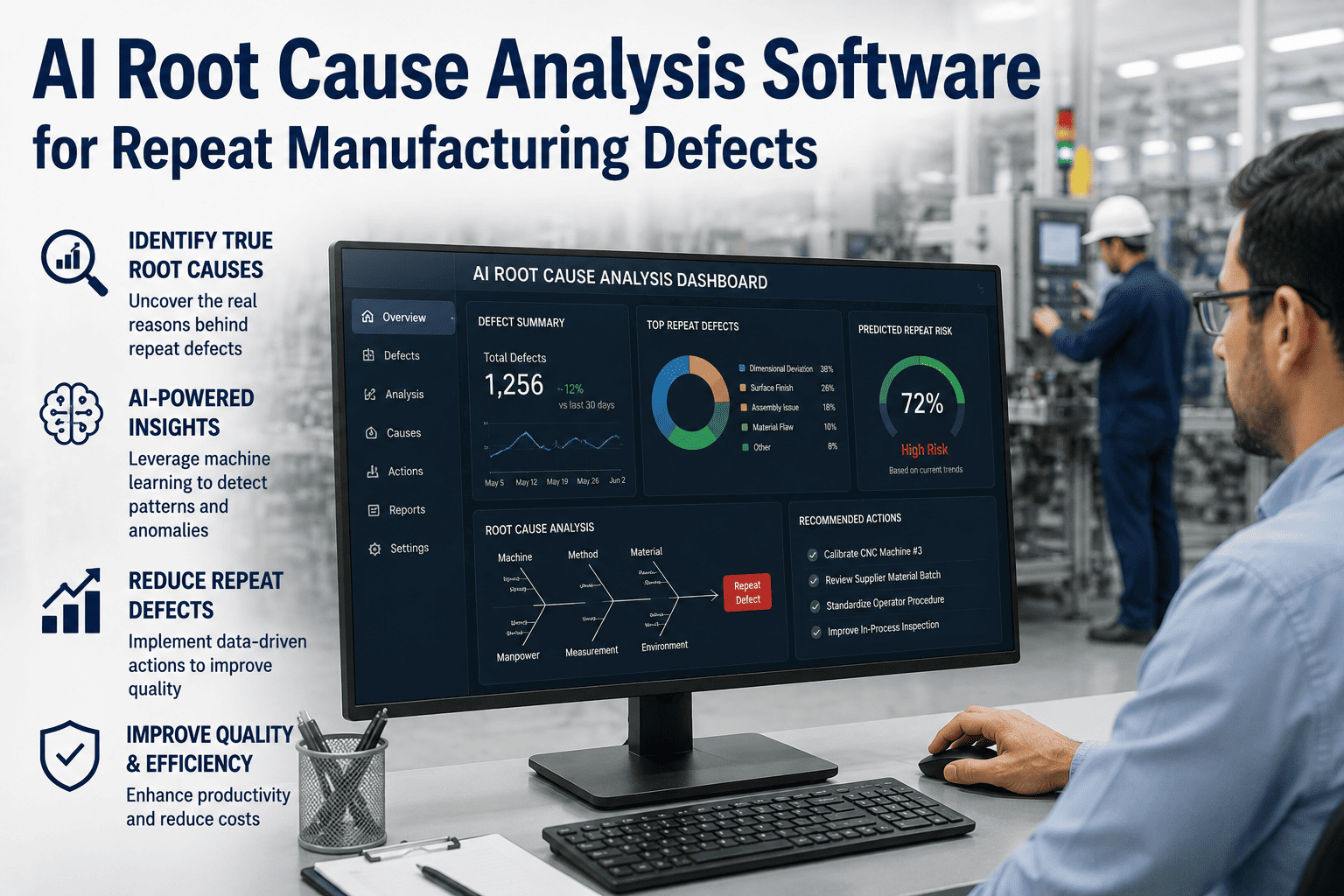
In modern high-volume manufacturing environments, repeat defects represent one of the most insidious drains on profitability, operational efficiency, and brand reputation. Traditional root cause analysis methods, reliant on manual data collection, spreadsheets, and siloed quality systems, often fail to detect subtle patterns across thousands of production variables. iFactory's AI-driven Root Cause Analysis (RCA) platform transforms this paradigm by continuously ingesting real-time sensor data, machine logs, and quality metrics to automatically identify statistically significant correlations between process parameters and defect occurrences. This intelligent system not only pinpoints the exact root cause of recurring quality issues but also predicts future failure modes, enabling proactive corrective actions before scrap accumulates. For plant managers and maintenance directors seeking to minimize waste, optimize OEE, and accelerate digital transformation, iFactory delivers a comprehensive, closed-loop solution that integrates seamlessly with existing MES, ERP, and SCADA systems. Book a Demo to see how leading manufacturers achieve up to 40% scrap reduction within the first quarter of deployment.
Eliminate Repeat Defects with AI-Powered Root Cause Analysis
Uncover hidden defect drivers and reduce scrap by 40% with real-time AI analytics.
The Hidden Cost of Repeat Defects in Modern Manufacturing
Repeat defects are not merely a quality issue; they represent a systemic failure in process control that cascades across the entire value chain. In automotive, electronics, and pharmaceutical manufacturing, a single recurring defect can lead to massive scrap volumes, rework labor, warranty claims, and even regulatory penalties. Traditional RCA methods, such as fishbone diagrams and 5 Whys, are inherently reactive and often take weeks to yield actionable insights. This delay allows defective products to flow downstream, increasing the cost of quality exponentially. iFactory's AI platform addresses this by analyzing thousands of variables simultaneously, from temperature and pressure readings to operator shift patterns and raw material batches. The system automatically generates a ranked list of potential root causes with confidence scores, enabling quality engineers to focus their efforts on the most impactful factors. By shifting from reactive to predictive quality management, manufacturers can achieve a step-change improvement in first-pass yield and overall equipment effectiveness.
Real-Time Defect Detection
iFactory monitors every production cycle in real time, flagging anomalies the moment they deviate from control limits. This immediate visibility prevents defect propagation and reduces the volume of scrap generated.
Automated Correlation Analysis
The AI engine automatically cross-references quality data with machine parameters, environmental conditions, and material lots to identify statistically significant correlations that human analysts would miss.
Predictive Failure Modeling
By learning from historical defect patterns, iFactory predicts the likelihood of future defects under varying process conditions, enabling preemptive adjustments before quality dips below acceptable thresholds.
Closed-Loop Corrective Actions
When a root cause is identified, iFactory automatically generates work orders, updates control plans, and adjusts machine parameters to lock in the fix, ensuring the defect does not recur.
A Step-by-Step AI Root Cause Analysis Workflow
Data Ingestion
iFactory connects to your existing PLCs, sensors, CMMS, and MES to stream high-frequency data into a unified data lake. No manual data entry is required.
Anomaly Detection
Machine learning models continuously scan the data stream for deviations from normal operating conditions, flagging potential defect events in real time.
Root Cause Identification
The AI performs multivariate analysis to isolate the most probable root cause, presenting a ranked list of contributing factors with confidence intervals.
Actionable Insights
The platform generates a detailed report with recommended corrective actions, which can be automatically dispatched to maintenance or quality teams.
How AI Transforms Defect Trend Analysis Beyond Traditional Methods
Traditional defect trend analysis relies on manual plotting of defect counts over time, often aggregated by shift, product line, or defect type. While this approach can highlight broad trends, it fails to capture the complex interactions between multiple process variables that modern manufacturing environments exhibit. iFactory's AI platform employs advanced techniques such as random forest regression, gradient boosting, and neural network-based clustering to model these interactions with high fidelity. For example, a defect that appears only when a specific raw material lot is processed on a particular machine during the third shift can be automatically flagged, even if each individual variable appears within normal limits. This level of granularity allows quality teams to pinpoint root causes that would otherwise remain hidden, driving targeted improvements that have a direct impact on scrap reduction and throughput. Furthermore, the system continuously learns from new data, refining its models to adapt to process drift and evolving defect patterns.
Comparison of Traditional vs AI-Driven Root Cause Analysis
| Feature | Traditional RCA | AI-Driven RCA (iFactory) |
|---|---|---|
| Data Collection | Manual, periodic | Automated, real-time |
| Analysis Speed | Days to weeks | Minutes to hours |
| Variable Scope | 5-10 variables | Hundreds of variables |
| Pattern Recognition | Linear, obvious | Non-linear, hidden |
| Predictive Capability | None | Proactive prediction |
| Action Automation | Manual work orders | Automated corrective actions |
Integrating AI Root Cause Analysis into Your Smart Factory Ecosystem
The true power of iFactory's RCA platform is realized when it is seamlessly integrated into your existing smart factory architecture. The platform supports native connectors for major MES providers (Siemens, Rockwell, ABB), ERP systems (SAP, Oracle), and SCADA platforms (Ignition, Wonderware). Data flows bidirectionally, meaning that corrective actions identified by the AI can be automatically written back to machine controllers or CMMS systems to enact real-time adjustments. This closed-loop integration ensures that the insights generated by root cause analysis are immediately actionable, reducing the time between defect detection and resolution from days to minutes. Additionally, iFactory's API-first design allows custom integrations with proprietary systems, ensuring that no data silo remains untouched. For enterprises operating across multiple plants, the platform provides a centralized dashboard that aggregates RCA insights from all sites, enabling best practice sharing and global quality standardization.
Ready to Eliminate Repeat Defects?
See how iFactory's AI root cause analysis can reduce scrap and improve quality in your plant. Schedule a personalized demo today.
Real-World Case Study: Automotive Supplier Reduces Scrap by 38%
A leading Tier 1 automotive supplier producing precision-machined components was experiencing a recurring defect in a high-volume production line, resulting in scrap rates exceeding 12%. Traditional RCA methods attributed the defect to tool wear, but replacing tools did not resolve the issue. After deploying iFactory's AI RCA platform, the system analyzed over 200 process variables and identified a subtle correlation between coolant temperature fluctuations and the defect occurrence during the third shift. The root cause was traced to an undersized chiller that could not maintain consistent coolant temperature during peak ambient heat. Once the chiller was upgraded, the defect rate dropped to 0.8%, representing a 38% reduction in scrap and annual savings of $2.4 million. This case illustrates how AI-driven analysis can uncover non-obvious root causes that manual methods overlook, delivering substantial financial returns.
Key Capabilities of iFactory's Quality Analytics Dashboard
- Real-time defect heatmaps showing defect density by machine, shift, and product type
- Automated root cause reports with confidence scores and recommended actions
- Customizable dashboards for plant managers, quality engineers, and operators
- Integration with existing data sources via 50+ pre-built connectors
- Predictive models that forecast defect probability under different process scenarios
- Closed-loop corrective action workflows that update control plans automatically
Overcoming Common Challenges in Root Cause Analysis Implementation
Implementing an AI-driven RCA system is not without its challenges. Data quality is often the primary obstacle, as manufacturing environments can have missing sensor readings, inconsistent labeling, or legacy systems with limited data granularity. iFactory addresses this through robust data cleansing and imputation algorithms that fill gaps without introducing bias. Another challenge is organizational resistance, as quality teams may be skeptical of AI recommendations. To mitigate this, iFactory provides explainable AI features that show the evidence behind each root cause identification, building trust and enabling human-in-the-loop validation. Finally, scalability can be a concern for multi-plant deployments. iFactory's cloud-native architecture ensures that the platform can handle millions of data points per second across global operations, with centralized management and local edge processing for latency-sensitive applications. By proactively addressing these challenges, manufacturers can accelerate their digital transformation journey and realize value from day one.
The Role of Predictive Maintenance in Root Cause Analysis
Root cause analysis and predictive maintenance are deeply interconnected in smart manufacturing. A defect on a production line is often a symptom of an underlying equipment degradation that, if left unaddressed, will lead to a catastrophic failure. iFactory's platform bridges these two domains by correlating quality defects with machine health indicators such as vibration, temperature, and energy consumption. When a defect is traced back to a specific machine, the system automatically checks the machine's health score and predicts its remaining useful life. This integrated approach allows maintenance teams to schedule repairs during planned downtime, preventing both quality defects and unplanned stoppages. For example, a bearing degradation that causes subtle misalignment can be detected weeks before it produces a visible defect, giving maintenance teams ample time to intervene. This synergy between quality and maintenance analytics is a hallmark of Industry 4.0 and a key value driver for iFactory customers.
Frequently Asked Questions
How does iFactory's AI root cause analysis differ from traditional methods?
Traditional root cause analysis methods, such as fishbone diagrams and 5 Whys, rely heavily on human intuition and manual data collection, which limits their ability to detect complex, multi-variable interactions. iFactory's AI platform automates data ingestion from hundreds of sources and applies machine learning algorithms to identify statistically significant correlations that would be impossible for humans to detect manually. For example, the system can analyze thousands of data points per second and pinpoint a root cause within minutes, whereas traditional methods may take weeks. This speed and depth of analysis enable manufacturers to respond to defects in real time, reducing scrap and improving overall equipment effectiveness. Book a Demo to see the difference firsthand.
What data sources does iFactory integrate with for root cause analysis?
iFactory supports a wide range of data sources, including PLCs, sensors, CMMS, MES, ERP, SCADA, and quality management systems. The platform provides over 50 pre-built connectors for major industrial protocols (OPC-UA, Modbus, MQTT) and enterprise systems (SAP, Oracle, Siemens, Rockwell). Data can be ingested in real time via streaming or batch mode, depending on your infrastructure. Additionally, iFactory's API allows custom integrations with proprietary or legacy systems, ensuring that no data silo remains. This comprehensive connectivity ensures that the AI has access to all relevant variables for accurate root cause identification. Contact our support team for integration assistance.
How long does it take to deploy iFactory's RCA solution?
Deployment timelines vary depending on the complexity of your existing infrastructure and the number of data sources to be integrated. For a typical manufacturing plant with standard MES and SCADA systems, iFactory can be deployed and generating actionable insights within 4 to 6 weeks. This includes data connector configuration, model training on historical data, and dashboard customization. For multi-plant deployments, the timeline scales linearly, with centralized management reducing per-plant effort. iFactory's professional services team provides full support during deployment, including data mapping, model validation, and user training. Book a Demo to discuss your specific deployment timeline.
Can iFactory's AI handle multi-variable root cause analysis in complex manufacturing environments?
Yes, iFactory's AI is specifically designed for high-dimensional, multi-variable analysis in complex manufacturing environments. The platform uses advanced machine learning techniques such as random forest regression, gradient boosting, and neural network-based clustering to model interactions between hundreds of variables simultaneously. This capability is critical for environments where defects are caused by subtle interactions between machine parameters, environmental conditions, material properties, and operator actions. For example, the system can detect that a defect occurs only when a specific raw material lot is processed on a particular machine during a specific shift, even if each individual variable is within normal limits. This level of granularity is impossible to achieve with traditional methods. Learn more about our technical capabilities.
What ROI can manufacturers expect from implementing iFactory's RCA platform?
Manufacturers typically achieve a return on investment within 3 to 6 months of deployment, driven primarily by scrap reduction, improved first-pass yield, and reduced rework labor. On average, iFactory customers report a 30-40% reduction in scrap and a 50% faster root cause identification time. For a mid-sized automotive plant producing 1 million components per year, a 5% reduction in scrap can translate to annual savings of $1-2 million. Additionally, the platform reduces unplanned downtime by enabling predictive maintenance actions that prevent defect-causing equipment failures. The total ROI is further amplified by improved customer satisfaction and reduced warranty claims. Book a Demo to calculate your potential savings.
Transform Your Quality Analytics Today
Stop repeat defects from eroding your margins. Deploy iFactory's AI root cause analysis and achieve measurable scrap reduction in weeks.