AI Vision Aluminum & Non-Ferrous Surface Inspection
By James C on June 2, 2026
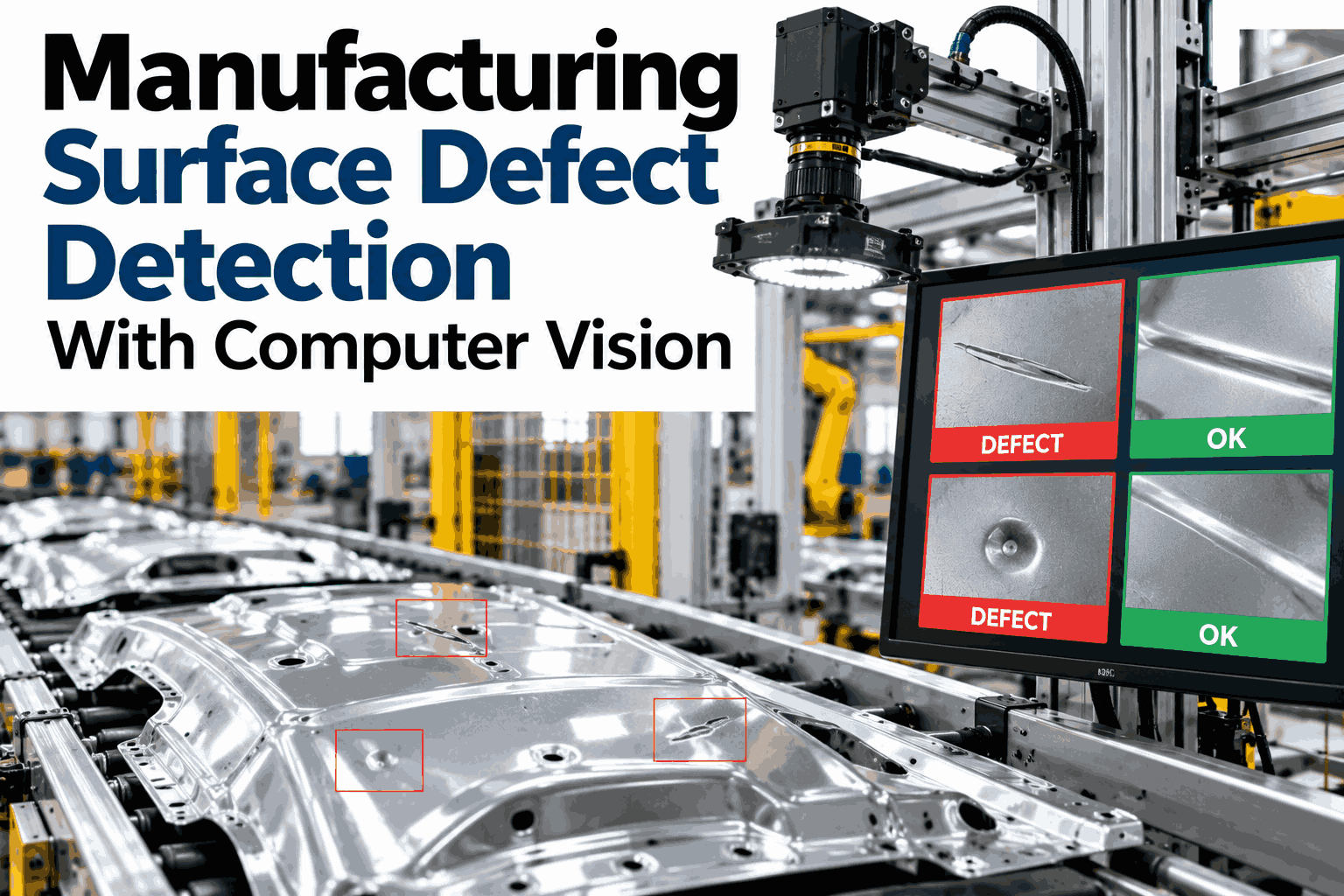
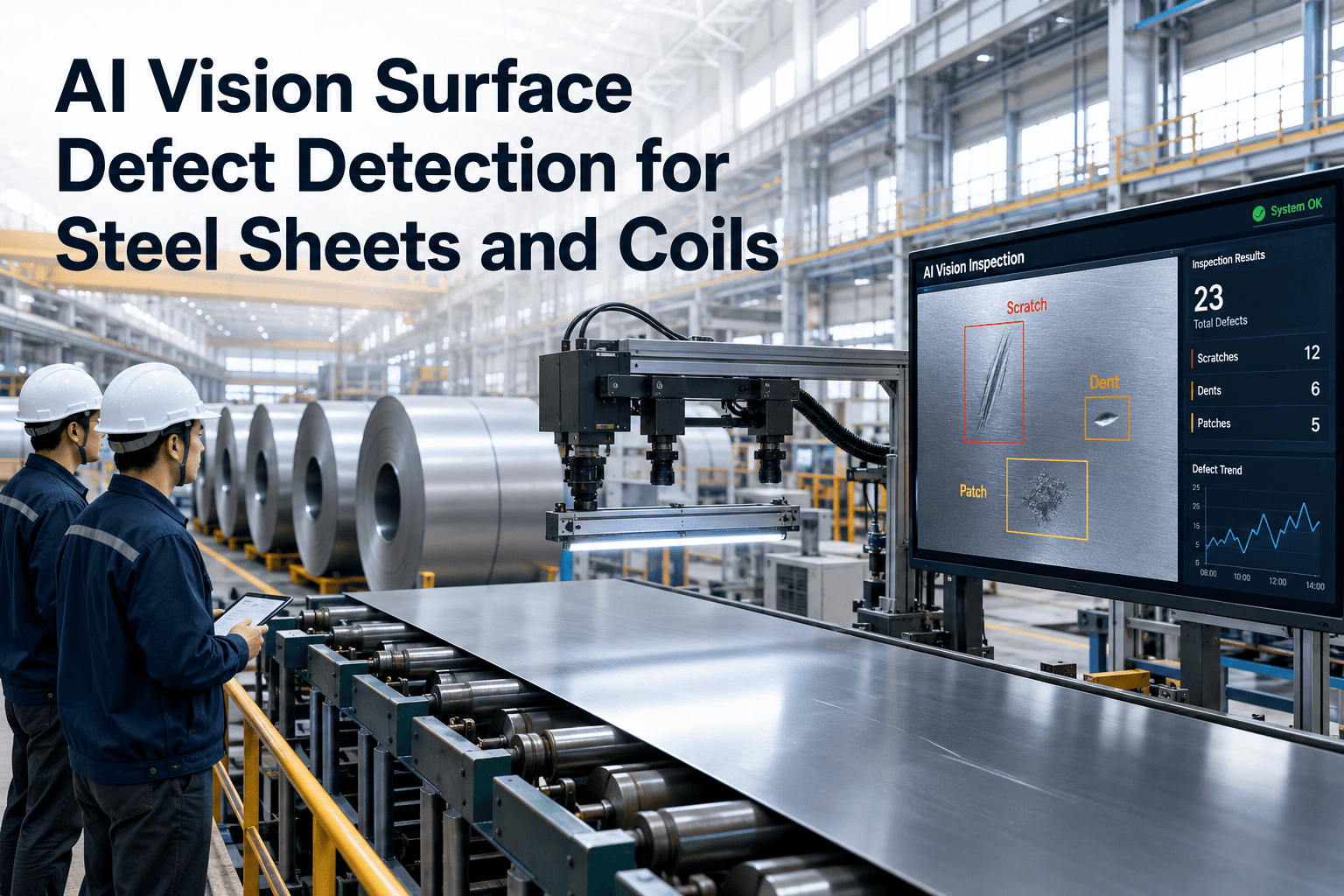
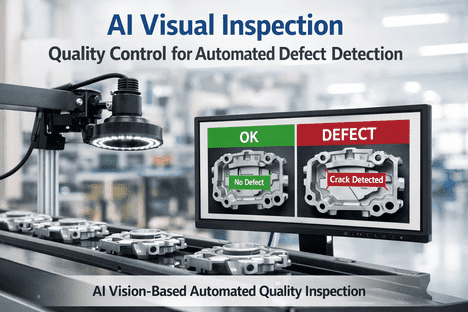
Aluminum is one of the hardest surfaces in the world to inspect — and one of the most expensive to get wrong. Its bright, variable-reflectivity surface confuses traditional vision, the defects that matter are often a fraction of a millimeter, and a human inspector watching extrusions or rolled sheet fly past at line speed catches only seventy to eighty percent of them on a good day. The stakes are not small: in a global aluminum market that hit $265 billion, a single undetected scratch on a rolled sheet can mean a rejected batch worth tens of thousands of dollars — or, in an aerospace skin, a structural failure. The thirty percent of defects that slip past tired eyes is exactly where the cost lives. AI vision changes that, inspecting every extrusion and every sheet at line speed, detecting scratches, die lines, pickup, and inclusions that humans and rule-based systems miss. iFactory's vision defect detection brings 100% surface inspection to aluminum and non-ferrous lines.
iFactory Vision Defect Detection
AI Vision Aluminum & Non-Ferrous Surface Inspection
Detect scratches, die lines, pickup, and surface defects on extrusions and sheet at line speed — improve yield, hold consistency, and turn every recurring defect into a maintenance signal.
Aluminum presents a uniquely difficult inspection challenge. Its reflective surface throws glare and specular highlights that fool threshold-based vision into either missing real defects or flagging reflections as flaws. Variable lighting, fast lines, and defects as small as a fraction of a millimeter compound the problem. And manual inspection — still common — is inherently a sampling exercise that catches only the majority of defects, leaving the rest to surface downstream as a rejected coil or a customer claim.
Manual & Rule-Based
Misses the Subtle and the Small
Human inspectors catch only 70-80% of surface defects at line speed
Reflective aluminum confuses threshold vision — glare reads as defect
Sub-millimeter scratches and faint die lines slip through
Defects surface downstream as a rejected batch or a customer claim
AI Vision Inspection
Every Surface, Every Defect
100% inline inspection of every extrusion and sheet at line speed
Deep learning sees through glare on reflective surfaces
Detects defects down to a fraction of a millimeter at 88-98% accuracy
Catches the defect at the line, before it ships
The Defect Classes AI Reads on Aluminum
Aluminum defects span the process — from the extrusion die, through rolling, to finishing — and each leaves a characteristic mark. A vision model trained on aluminum-specific defect data recognizes them across extrusions, flat sheet, and coil. These are the classes the system watches for.
Scratches & Scuffs
Mechanical marks from rolling, coiling, and handling — the most common defect, and easily masked by aluminum's reflectivity at line speed.
Die Lines
Longitudinal lines on extrusions from die wear or debris on the bearing surface — a direct signal that the die needs attention.
Pickup
Aluminum transferred and adhered to the die or roll then dragged along the surface, leaving raised marks and streaks that fail finish standards.
Inclusions & Porosity
Subsurface and surface voids from casting — porosity clusters that compromise integrity and point back to a furnace or degassing problem.
Roll Marks & Dents
Repeating imprints from work-roll surface degradation, and dents from handling — periodic defects that recur on a fixed pitch.
Coating & Stains
Coating misses, streaks, and oxidation staining on finished and coated product, often traced to a clogged nozzle or handling contamination.
Want to see AI catch a defect class your line keeps shipping? Book a 30-minute walkthrough and we'll run detection live on your aluminum samples or our reference library.
Every Recurring Defect Is a Maintenance Signal
This is what separates real value from a glorified reject gate. A defect is not just a part to scrap — it is a fingerprint of the equipment that made it. A scratch that repeats on every coil means a work roll has developed a mark. A cluster of porosity means the casting furnace needs degassing. A coating miss in the same spot means a spray nozzle is clogged. When defect detection feeds maintenance, you stop the cause, not just the symptom.
From Defect Pattern to Root-Cause Work Order
Defect trends drive predictive maintenance on rolling mills, extrusion lines, and coating systems — each repair documented, each asset building a health profile.
Why Deep Learning Beats Rule-Based on Reflective Metal
Rule-based vision sets fixed thresholds and breaks the moment the surface or lighting shifts — which on bright, variable aluminum is constantly. Deep-learning models learn what a good surface looks like across that variation and what each defect looks like, which is how they reach 88-98% accuracy and keep improving as they are retrained on new data.
Sees Through Glare
Reflective aluminum throws specular highlights that defeat threshold vision; AI distinguishes a real scratch from a reflection.
Finds Sub-mm Defects
Detects scratches and die lines a fraction of a millimeter wide, the subtle marks the human eye misses at production speed.
Multi-View Fusion
Multiple lighting angles and views fused together surface scratches on metal that a single fixed view would never reveal.
Learns Continuously
Retrained on new defect images, the models adapt to new alloys, tempers, and finishes instead of needing reprogramming.
How It Runs on the Line
Vision defect detection deploys into the reality of an extrusion or rolling line — fast, bright, continuous — and turns every defect into both a disposition and a data point. Cameras capture the full surface, edge AI classifies and locates each defect, and the result drives sorting and a maintenance work order at once.
From Surface Scan to Sorted and Solved
1
Capture
Full Surface
Line-scan cameras and controlled lighting image every extrusion and sheet
2
Detect
Classify & Locate
Deep-learning models flag, classify, and place each defect at line speed
3
Sort
Disposition
Good product continues; defective material is flagged and routed to sort
4
Act
Maintenance Signal
Recurring patterns trigger a root-cause work order on the source asset
What Inline Vision Delivers
The return on AI surface inspection in aluminum is measured in yield recovered, claims avoided, and equipment problems caught early. These figures come from aluminum and metals vision-inspection research and deployments.
88-98%
Detection accuracy
mAP on aluminum defect datasets, vs 70-80% manual
100%
Of product inspected
every extrusion and sheet, not a sample
$10Ks
Per batch protected
a single missed scratch can reject a whole coil
Root cause
Not just rejects
defect trends drive predictive maintenance on the source
Every point of yield and every avoided claim starts with inspecting all of it, then acting on the pattern. Want to start a pilot on one line? Talk to our vision engineers.
Frequently Asked Questions
How does AI handle aluminum's reflective surface?
That's exactly where deep learning beats rule-based vision. Aluminum's bright, variable surface throws specular highlights that threshold systems misread — either missing a real defect in the glare or flagging a reflection as a flaw. Models trained on real aluminum imagery, often with multiple lighting angles fused together, learn to distinguish an actual scratch or die line from a reflection, which is how they hold 88-98% accuracy on a surface that defeats older systems.
How small a defect can it detect?
Down to a fraction of a millimeter — the subtle scratches and faint die lines that a human inspector misses at line speed. On aluminum that matters because a sub-millimeter scratch on a rolled sheet can still reject a batch worth tens of thousands of dollars, or compromise a critical part. AI inspects at that resolution on every piece, not just on the samples someone has time to examine closely.
What does "a defect is a maintenance signal" actually mean?
It means the defect pattern points to the equipment that caused it. A scratch repeating at a fixed pitch on every coil indicates a work roll has developed a mark; a porosity cluster points to the casting furnace needing degassing; a coating miss in the same location means a spray nozzle is clogged. When the vision system feeds those patterns into maintenance, you get a root-cause work order on the source asset — fixing the cause instead of endlessly scrapping the symptom.
Does it work on extrusions, sheet, and coil alike?
Yes. The same deep-learning approach covers extrusion profiles, flat sheet, and coil, with models tuned to the defects characteristic of each — die lines and pickup on extrusions, roll marks and scratches on rolled and coiled product, coating flaws on finished material. It's built for aluminum rolling mills, extrusion plants, and finishing operations, since many producers run more than one.
How do we start without disrupting production?
Start with a pilot on a single line. A focused deployment images one line, trains the models on your plant-specific defect data, validates detection against known samples, and integrates with your quality and maintenance systems before you scale. That proves the accuracy and the maintenance-signal value on your own product first, so the rollout to other lines is a known quantity rather than a leap.
Inspect Every Sheet. Fix Every Cause.
See Aluminum Surface Inspection on Your Line — Start a Pilot
Bring the defect that keeps costing you yield — a scratch, a die line, pickup, a coating miss. We'll show AI catch it at line speed through the glare, locate and classify it, and trace the recurring pattern to the work roll, furnace, or nozzle behind it. One line, proven first.