A paint shop quality manager knows the sinking feeling of a vehicle reaching the end of the line with an orange peel texture or a run near a door edge that nobody caught until final inspection, hours after the panel actually left the booth. Human visual inspection is genuinely good at catching obvious defects, but orange peel, subtle sags, hairline runs, and small color drift are exactly the kind of flaws that depend on lighting angle, inspector fatigue, and how carefully a specific panel happens to be reviewed that shift. By the time a defect is caught at final inspection, the vehicle has already gone through clear coat and cure, making rework dramatically more expensive than catching the same flaw immediately after spray. iFactory's inline AI vision inspection catches these defects at the booth exit, and you can book a demo to see it evaluate your own paint shop's defect patterns.
Orange Peel and Runs Are Easy to Miss at Final Inspection. They're Much Harder to Miss Right at the Booth Exit
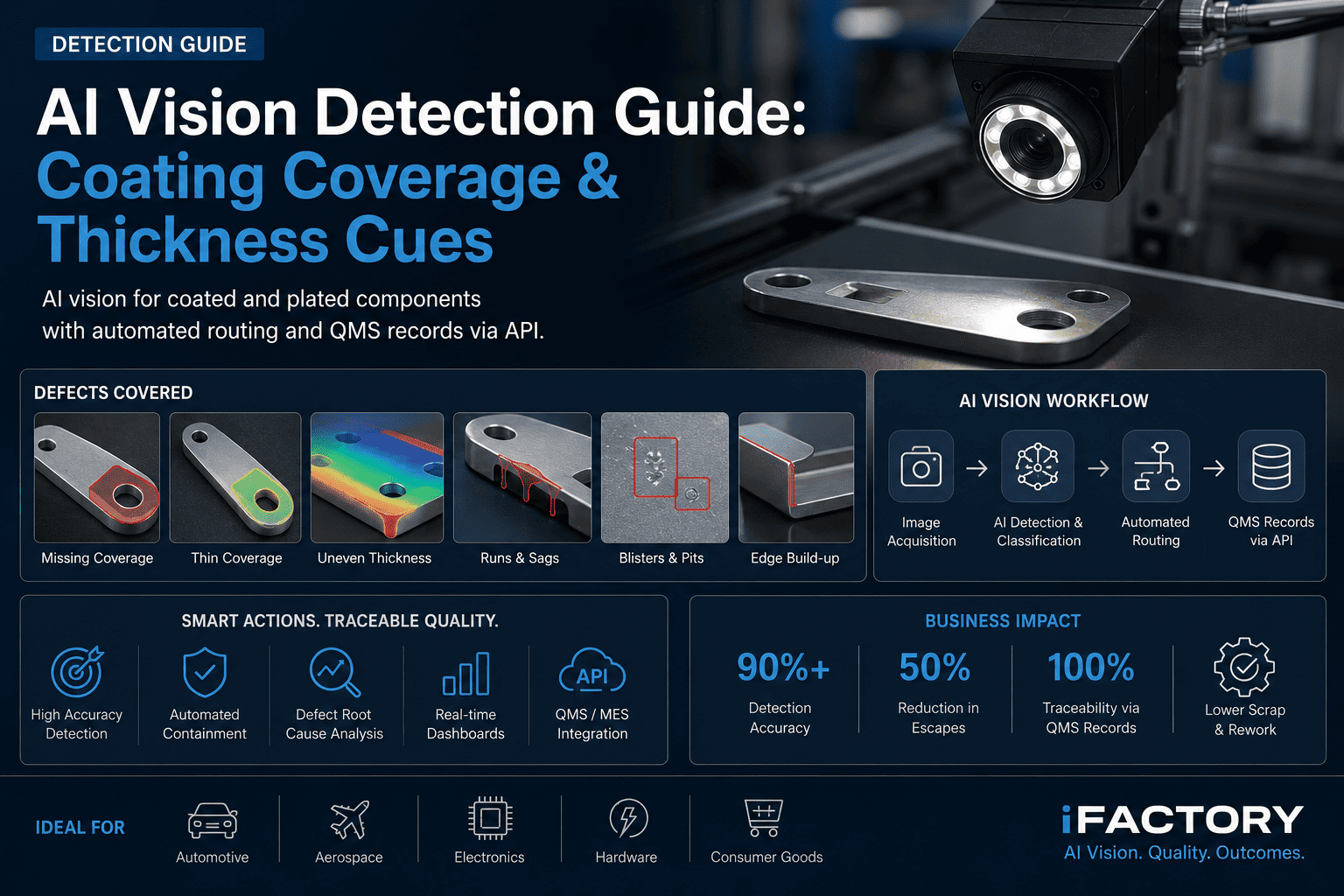
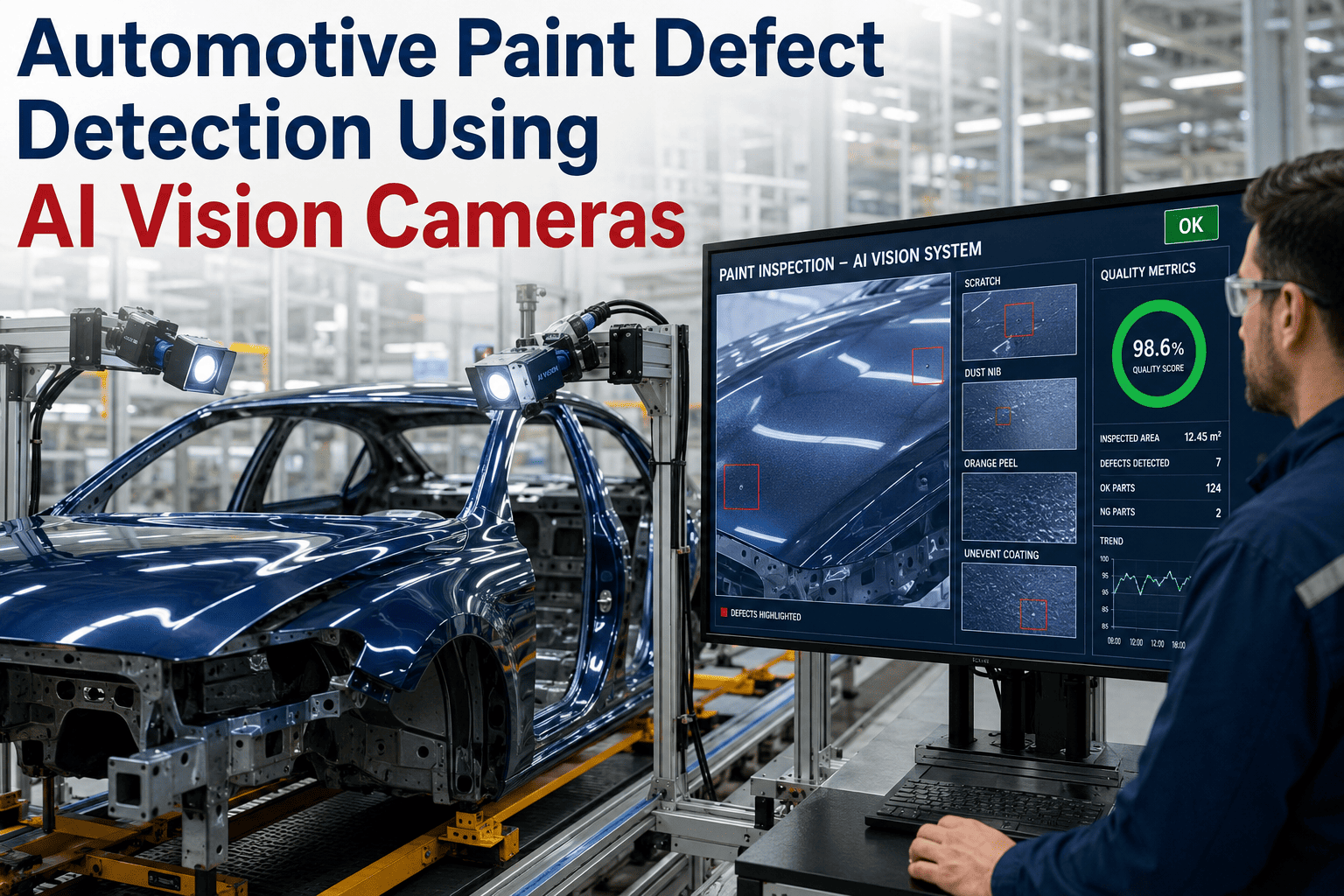
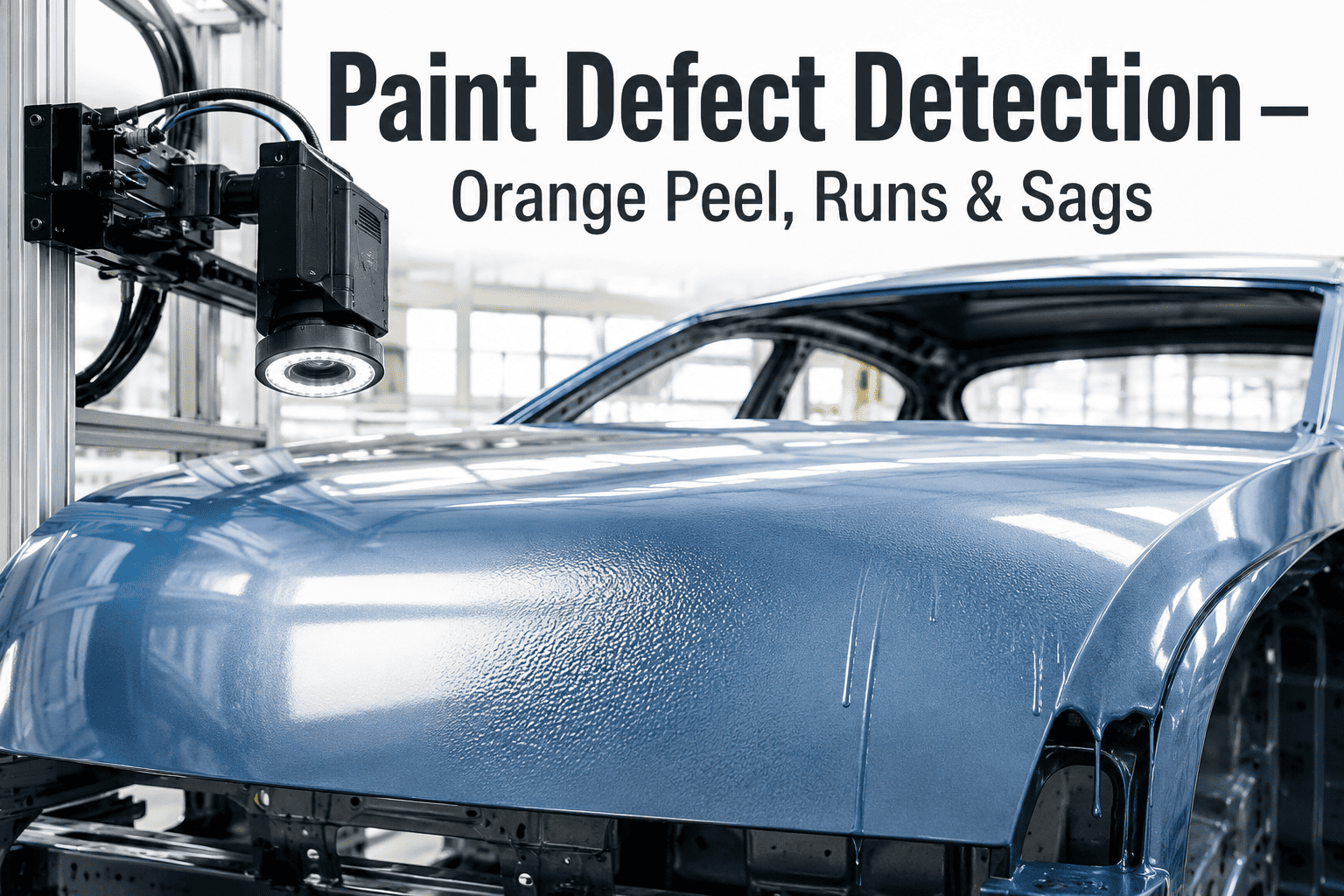
iFactory's inline AI vision inspection catches orange peel, runs, sags, craters, and color drift immediately after spray, achieving a 99.2% defect capture rate before parts move downstream.
The Same Defect Costs Ten Times More to Fix After Clear Coat Than Right After Base Coat
Paint defects like orange peel, sags, and runs are subtle enough that human inspectors under standard booth lighting frequently miss them, particularly on complex panel geometries or metallic finishes where surface texture is harder to judge by eye. The real cost problem is timing: a defect caught immediately after base coat can often be corrected before clear coat with minimal rework, but the same defect discovered at final inspection after the full paint process and cure means stripping and repainting an entire panel, at a fraction of the throughput and a much higher material and labor cost. The gap between what a rushed visual check catches and what actually exists on the panel is where most paint shop scrap cost quietly accumulates.
What Inline AI Vision Actually Looks For on Every Panel
Orange Peel
Surface texture irregularity measured quantitatively rather than judged subjectively under booth lighting.
Runs & Sags
Localized paint flow defects identified by surface profile deviation immediately after application.
Craters
Small surface depressions caused by contamination, flagged before they progress through subsequent coats.
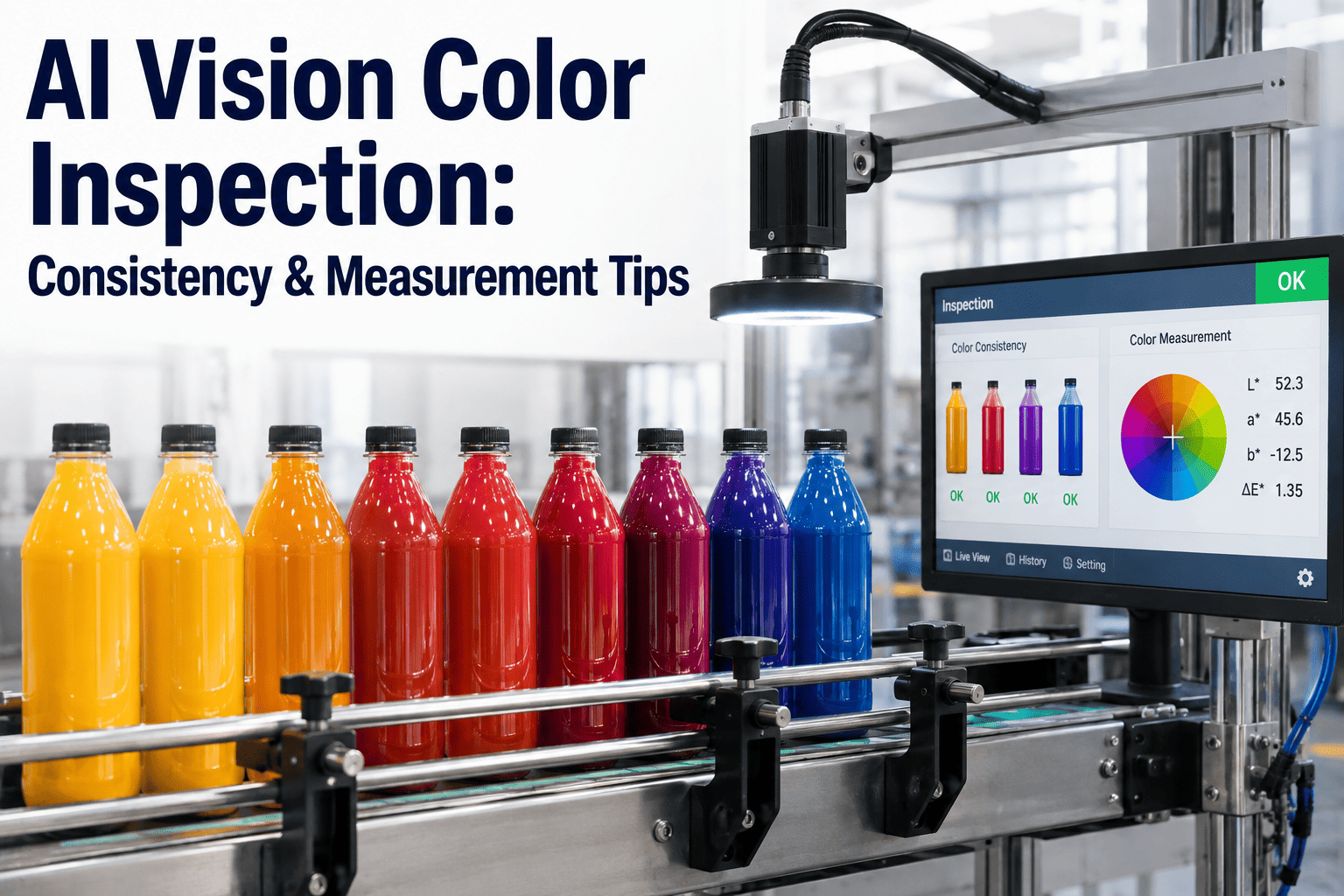
Color & Shade Drift
Color deviation from the approved standard measured consistently across every panel and shift.
Metallic Flake Orientation
Flake alignment inconsistency checked, since it affects perceived color and finish uniformity under angle.
Catch the Defect Before Clear Coat Makes It Ten Times More Expensive
iFactory inspects every panel immediately after spray, flagging defects while rework is still cheap and fast.
What Changes When Inspection Happens Right After Spray Instead of at the End of the Line
| Inspection Element | Manual Final Inspection | iFactory Inline AI Detection |
|---|---|---|
| Defect capture rate | Varies by inspector and lighting | 99.2% consistent capture rate |
| Detection timing | End of full paint process | Immediately after spray, before cure |
| Rework cost per defect | Full strip and repaint after cure | Targeted correction before clear coat |
| Defect trend tracking | Manually compiled from inspection notes | Automatically logged by booth, shift, and type |
A Defect Trend Is Only Useful If It Points Back to a Cause
Beyond flagging individual defects, the system correlates defect type and frequency against booth conditions such as humidity, spray pattern consistency, and clear coat thickness, which frequently reveals that a spike in orange peel on one line tracks closely with a humidity excursion in that specific booth zone. This turns defect data from a simple pass or fail count into a diagnostic tool that quality and process engineering teams can use to address the actual upstream cause, whether that is a booth conditioning issue, a robotic spray pattern drifting out of calibration, or a specific paint batch behaving differently than expected.
Measured Outcomes From Inline AI Paint Inspection
Questions Paint Shop Quality Teams Ask About AI Defect Detection
Stop Discovering Paint Defects After They Become Expensive to Fix
iFactory catches orange peel, runs, sags, and color drift right at the booth exit, when correction is still cheap.