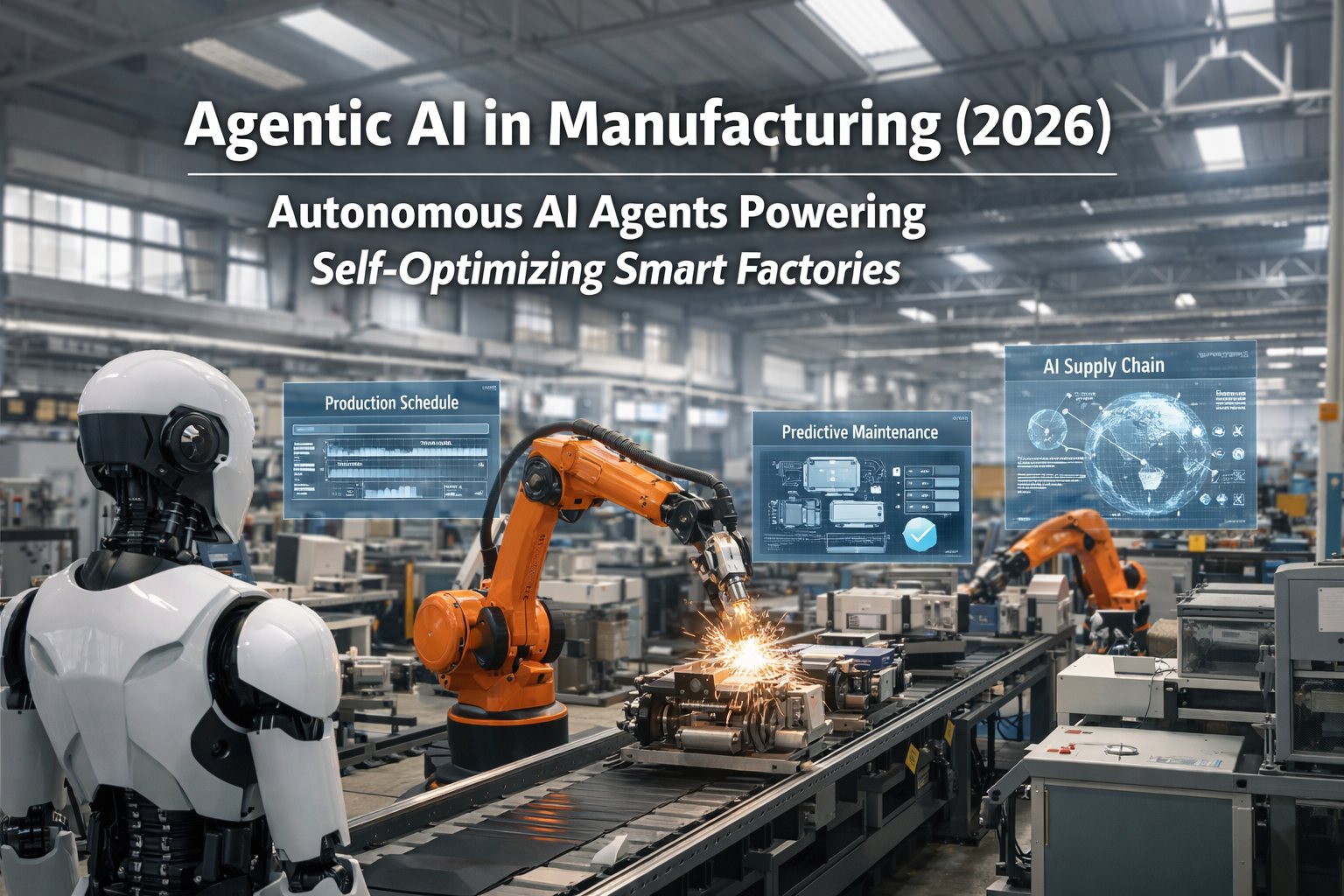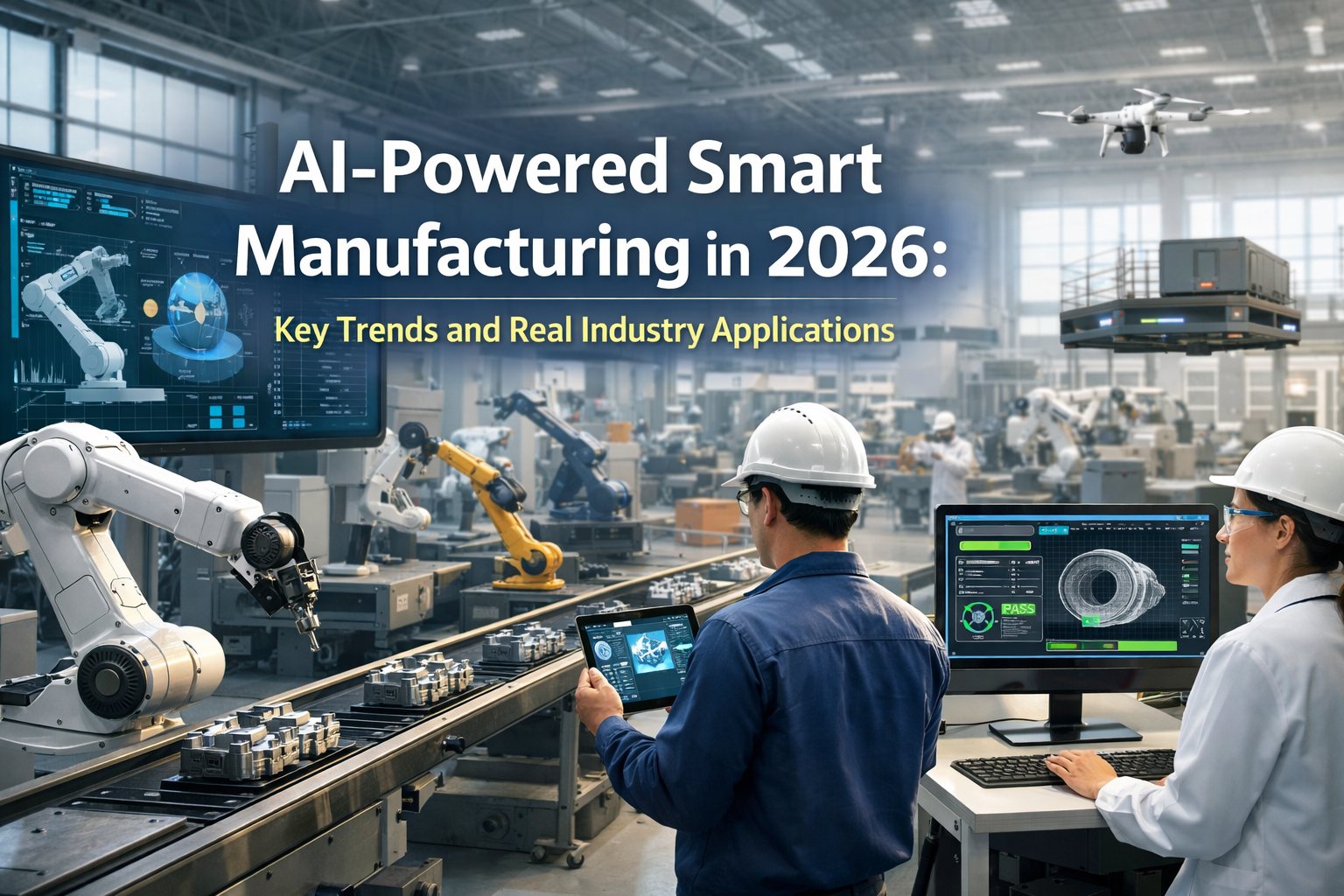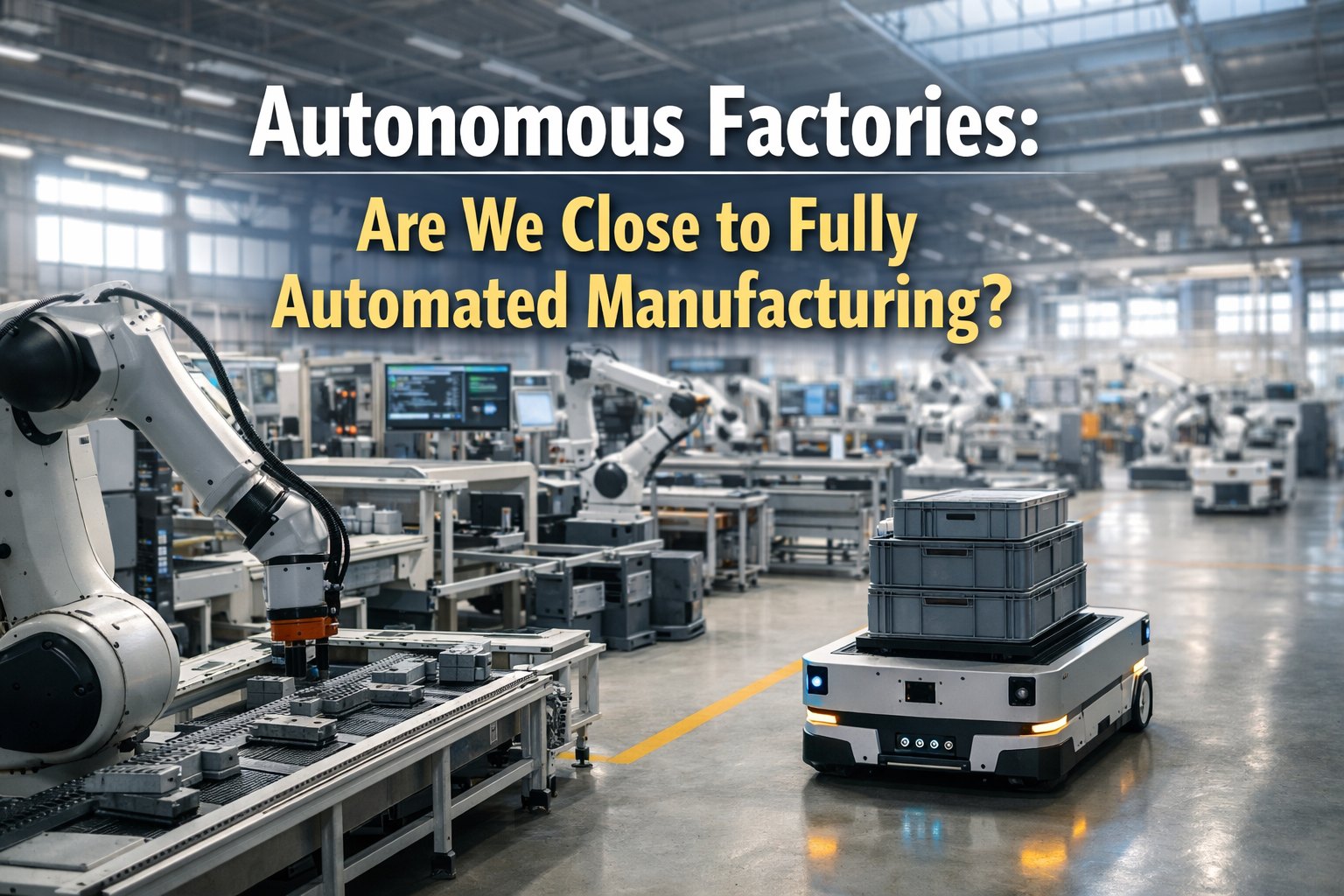
FANUC's factory in Japan has been building robots without humans since 2001 — running for 30 days straight with the lights off. Siemens' Amberg plant achieves 99.99% quality rates with minimal human oversight. Tesla's Gigafactories push toward full automation with 1,000+ robots under unified AI control. The fully autonomous factory isn't science fiction anymore. But are we actually close? Here's where the industry really stands in 2026.
The Autonomy Spectrum: Where Factories Stand
Autonomous manufacturing isn't binary — it's a spectrum. Most factories in 2026 sit somewhere in the middle, with pockets of full automation surrounded by human-dependent processes.
What Makes a Factory "Autonomous"?
Sense
IoT sensors monitor temperature, vibration, quality in real time
Decide
AI analyzes data and makes optimization decisions autonomously
Act
Robots execute tasks, systems self-correct automatically
Building towards autonomous operations? See how iFactory connects your sense-decide-act loop with AI-powered maintenance intelligence.
Factories Already Running Lights-Out
Robots building robots since 2001. Produces 50 robots per 24-hour shift with zero human operators. "Not only is it lights-out — we turn off the air conditioning and heat too."
Electronics manufacturing with 99.99% quality rate. 1,000+ control points with instant automated adjustments.
Electric razor production with 128 robots. Only 9 human workers oversee quality — all production is automated.
95% automated body manufacturing. Cars roll off every 30 seconds with AI quality refinement.
The Foundation of Every Autonomous Factory? Connected Data.
iFactory's AI-powered CMMS captures equipment data, predicts failures, and integrates with automation — the digital backbone autonomous operations require.
The Reality Check: Challenges to Full Autonomy
Capital Intensity
Fully automated lines cost 10-20x more than manual. Payback takes 3-5 years even in high-wage markets.
Skills Gap
1.9M US manufacturing jobs unfilled by 2030. 98% explore AI, only 20% feel prepared to scale.
Cybersecurity Risk
IoT systems create attack surfaces. A 2023 ransomware attack cost one supplier $1.2M in downtime.
Flexibility Limits
Product line changes require weeks of reprogramming. Humans adapt in hours.
Concerned about automation readiness? Our specialists can assess your current systems and identify the path forward.
The "Lights-Sparse" Reality of 2026
"The shift toward autonomous and adaptive manufacturing will define the next decade. Companies that connect modular design, predictive systems, and Responsible AI will gain a lasting performance edge."
— PwC, Manufacturing Trends 2026The practical path: Most manufacturers won't go fully lights-out overnight. Instead, they're building "lights-sparse" operations — automating specific cells while keeping humans for exceptions. This hybrid delivers 70% of benefits with 30% of risk.
The Roadmap to Autonomous Operations
Connect & Monitor
Deploy sensors on critical equipment. Implement CMMS to capture baseline data. Build the "sense" layer.
Predict & Optimize
Add AI-driven predictive maintenance. Automate scheduling with real-time data. Build the "decide" layer.
Automate Cells
Deploy robotics for repetitive tasks. Create lights-out cells for specific operations. Build the "act" layer.
Scale Autonomy
Expand to full lines. Integrate across facilities. Move toward lights-out shifts and 24/7 autonomous operation.
Start Your Autonomy Journey with the Right Foundation
iFactory provides the AI-powered CMMS that connects your equipment, predicts failures, and integrates with automation — the essential first step.
Conclusion
Fully autonomous factories exist today — FANUC, Siemens, and Philips prove it's possible. But for most manufacturers, 2026 is about building the foundation, not flipping the switch. The winners will be those who connect data, deploy predictive AI, and automate incrementally — creating "lights-sparse" operations that capture most benefits while managing risk. The autonomous factory isn't a distant dream. It's a journey that starts now.
Schedule your iFactory demo or speak with our automation specialists to start building your foundation.
Frequently Asked Questions
An autonomous or "dark" factory operates with minimal or no human presence. Machines, robots, and AI handle production, quality, and logistics. The term "dark" comes from facilities running with lights off since no humans are present. FANUC's Japan facility runs unmanned for 30 days.
Yes, but they're rare. FANUC has operated lights-out since 2001. Siemens Amberg achieves 99.99% quality with minimal humans. Philips produces razors with 128 robots and only 9 workers. Most are in high-volume, standardized production.
Fully automated lines cost 10-20x more than manual setups. Siemens Amberg's $100M investment achieved payback in 4 years. In high-wage markets, ROI typically takes 3-5 years with energy savings up to 20%.
Start with connectivity and data. Deploy sensors on critical equipment, implement a CMMS to capture baseline data, and build your "sense" layer. You can't automate what you can't measure. Most successful journeys begin with predictive maintenance.
Roles will shift, not disappear entirely. Automation could displace 20 million repetitive jobs by 2030. But new roles emerge: robot supervisors, AI managers, maintenance specialists. The 1.9 million unfilled US jobs suggest automation may fill gaps rather than create them.