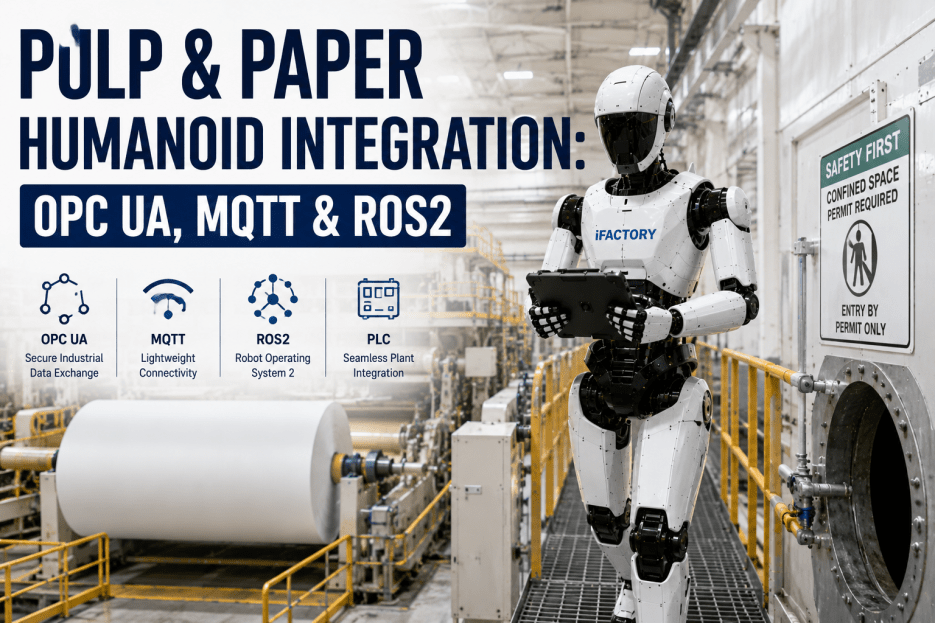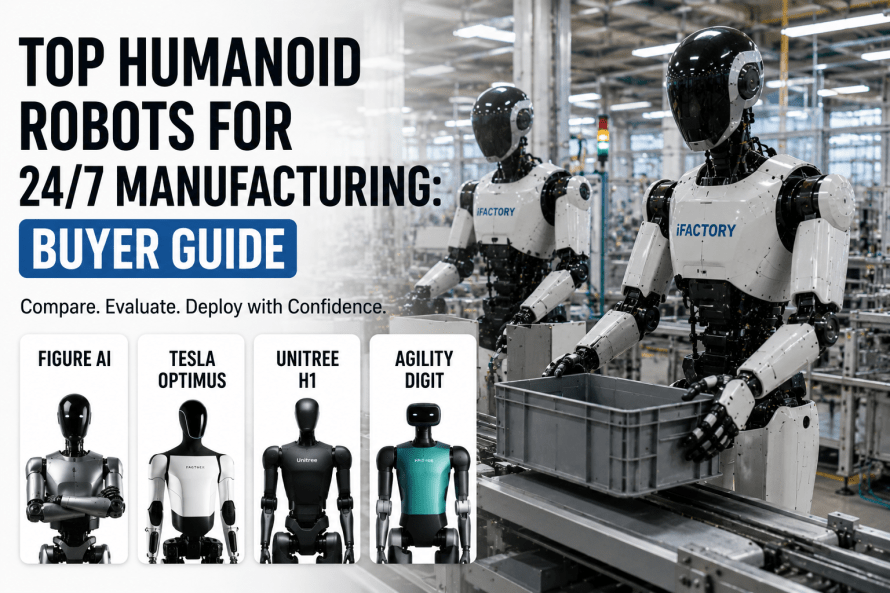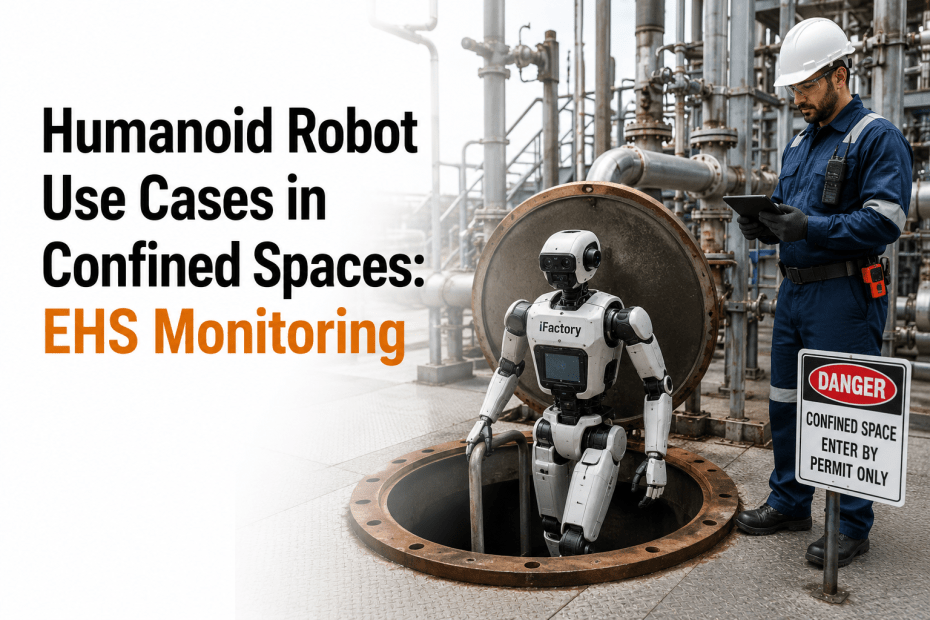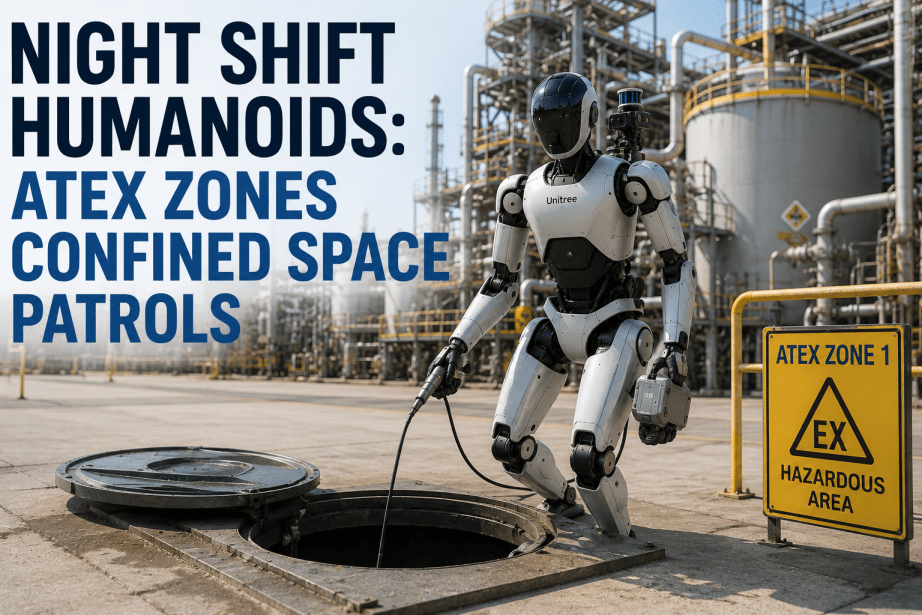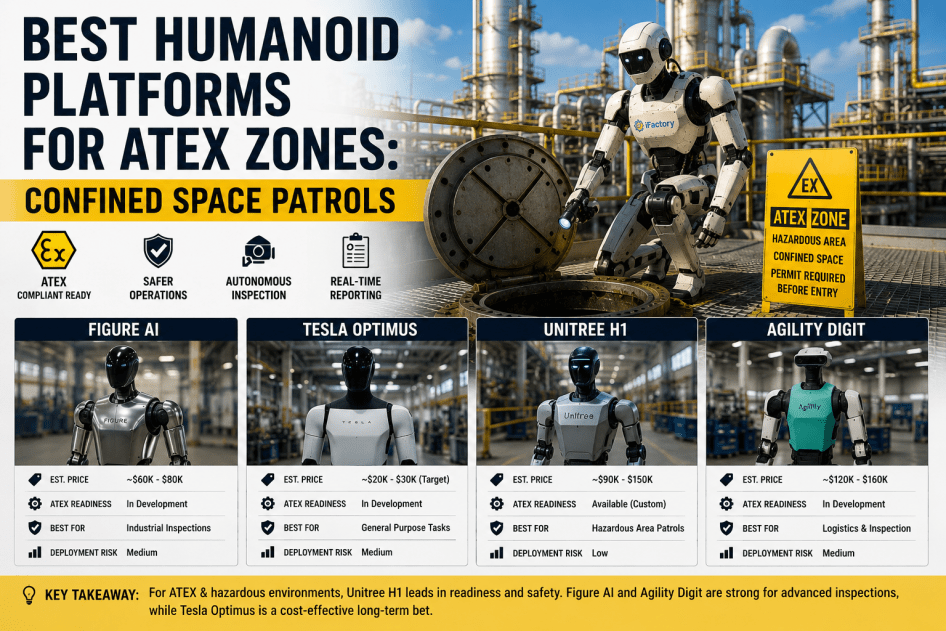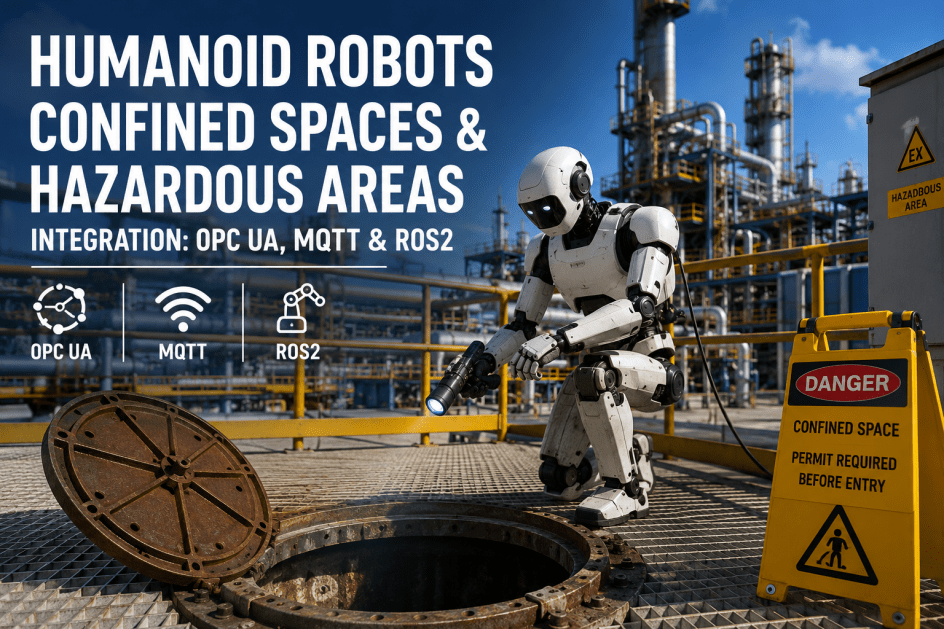
The chemical plant confined space entry supervisor reviews the morning permit log. Three vessel entries are scheduled today — a reactor cleaning in Building 4, a sump inspection in the wastewater treatment area, and a duct survey on the third-floor solvent recovery system. Each entry requires gas monitoring, ventilation setup, standby attendant posting, confined space permit documentation, and a rescue plan. The supervisor has six trained entrants available, two of whom are already assigned to the reactor, one is on light duty, and one is due for their annual respirator fit test this afternoon. The sump inspection will have to wait until tomorrow unless the supervisor pulls someone from the maintenance crew, which would delay the planned pump overhaul. This scheduling tension plays out every shift across thousands of chemical plants, refineries, and industrial facilities in the United States — the fundamental conflict between the need to inspect confined spaces for safety and operational integrity and the limited availability of trained human entrants who can perform those inspections without risking their lives. Humanoid robots equipped with integrated OPC UA, MQTT, and ROS2 communication stacks are changing that equation, enabling facilities to deploy autonomous or teleoperated humanoid platforms into confined spaces and hazardous areas while keeping human workers out of harm's way and maintaining real-time data integration with existing plant control systems, historians, and analytics platforms.
The Protocol Stack for Confined Space Humanoid Operations — OPC UA, MQTT, and ROS2 in Practice
Deploying a humanoid robot into a confined space within a chemical manufacturing environment requires more than a capable bipedal platform. The robot must communicate with plant-wide control systems, deliver sensor data to analytics platforms, receive remote teleoperation commands, and autonomously navigate spaces that were designed for human entry — all while meeting the latency, reliability, and security requirements of industrial hazardous area operations. The protocol stack that makes this possible rests on three established industrial communication standards — OPC UA, MQTT, and ROS2 — each serving a distinct role in the integration architecture.
OPC UA (Open Platform Communications Unified Architecture) provides the standardized data modeling and secure communication layer between the humanoid robot and plant-level control systems including DCS, PLC, SCADA, and historians. OPC UA's information model allows the robot to publish its sensor readings — gas concentrations, temperature, humidity, structural scan data, and position — as structured variables that any OPC UA client on the plant network can consume, without custom drivers or proprietary middleware. MQTT (Message Queuing Telemetry Transport) serves as the lightweight publish-subscribe backbone for high-frequency sensor telemetry and remote teleoperation commands, particularly valuable when the humanoid is operating in confined spaces where Wi-Fi coverage is limited and bandwidth is constrained. ROS2 (Robot Operating System 2) provides the distributed communication framework for the robot's internal autonomy stack — handling sensor fusion, simultaneous localization and mapping (SLAM), motion planning, and manipulator control — with deterministic Quality of Service (QoS) profiles that guarantee message delivery within defined latency bounds.
Architecture for Real-Time Humanoid Control in Hazardous and Confined Areas
The integration architecture connecting a humanoid robot to plant control systems and analytics platforms follows a layered design that separates real-time control from data publishing and analytics consumption. This separation is critical in hazardous area operations where a control command from a PLC interlock system must reach the humanoid's locomotion controller within deterministic time bounds while non-critical telemetry data can tolerate slightly higher latency through the MQTT publish-subscribe path. The diagram below illustrates the data flow architecture.
Integration Workflow — Sensor to Analytics in Three Hundred Milliseconds
The integration workflow for a confined space humanoid inspection follows a defined data path from sensor acquisition through edge processing to plant-level analytics and decision support. Each step in the workflow is time-budgeted to ensure that the total latency from sensor reading to operator display and alert generation remains under 300 milliseconds — meeting the American Petroleum Institute's recommended practice for remote monitoring of hazardous area operations and satisfying internal engineering guidelines for teleoperated robot control latency. The workflow steps below reflect a typical confined space inspection cycle performed by a ROS2-based humanoid platform using the OPC UA and MQTT integration stack.
Protocol Capability Comparison for Confined Space Humanoid Deployment
Selecting the right combination of communication protocols for a confined space humanoid deployment depends on the specific operational requirements — latency tolerance, data volume, security classification, power budget for radio transmission, and the existing plant control network architecture. The table below compares OPC UA, MQTT, and ROS2 across the criteria that matter most for confined space and hazardous area humanoid operations.
| Capability | OPC UA | MQTT | ROS2 (DDS) |
|---|---|---|---|
| Primary Role | Structured data exchange with plant control systems | Lightweight telemetry and teleoperation transport | Robot-internal distributed communication |
| Latency Profile | 2–15 ms deterministic (binary), 5–30 ms (UA Binary) | 5–50 ms (QoS 1–2 over TCP), 2–15 ms (MQTT-SN) | 1–10 ms (BEST_EFFORT), 5–20 ms (RELIABLE) |
| Security Model | X.509 cert, AES-256, signed messages, audit trails | TLS 1.3, username/password, X.509 cert optional | DDS Security (built-in), X.509, per-topic access control |
| Bandwidth Efficiency | Moderate — binary encoding with variable header size | High — minimum 2-byte header, ideal for constrained links | Moderate — middleware overhead varies by vendor |
| Concurrent Sensor Streams | 50–200 variables per server (practical plant limit) | 500–2,000 topics per broker (single node) | 200–1,000 topics per domain (robot-local) |
| Wireless Suitability | Moderate — optimized for LAN, functional over WAN | Excellent — designed for intermittent/lossy links | Moderate — DDS discovery can be chatty over wireless |
| Plant System Integration | Native — supported by DCS, SCADA, PLC, historians | Good — requires MQTT broker and bridge to OPC UA | Limited — requires protocol bridge for plant systems |
| ATEX / Hazardous Area Certification | Protocol-level — no intrinsic safety constraints | Protocol-level — compatible with intrinsic safety barriers | Protocol-level — deployment on ATEX-rated edge hardware |
Expert Review: What Industrial Integration Leaders Say About Humanoid Robots, OPC UA, and Confined Space Automation
I have spent the past twenty-two years in industrial automation and control systems integration — first as a controls engineer designing DCS and PLC architectures for petrochemical facilities, then as an integration architect for a major industrial automation vendor, and most recently as the director of digital transformation for a chemical manufacturing company operating twelve production sites across the United States. I have overseen the deployment of OPC UA gateways on hundreds of process units, implemented MQTT-based condition monitoring programs that ingest data from over 15,000 sensors, and evaluated emerging humanoid platforms for confined space operations. The critical insight that most teams miss is this: the humanoid robot is not the hard part. The hard part is connecting the robot's internal communication fabric — which is almost certainly ROS2 — to the plant's existing control system infrastructure in a way that satisfies the latency, security, and determinism requirements of hazardous area operations without requiring a separate network, a dedicated control room, or a custom middleware layer that nobody wants to maintain. The iFactory approach of bridging ROS2 topics to OPC UA variables and MQTT topics at the edge gateway is the right architecture. It respects the existing plant network segmentation — ROS2 DDS traffic stays on the robot's local domain, OPC UA provides the hardened bridge to the process control network, and MQTT delivers the high-bandwidth sensor streams to the analytics platform without exposing the process control network to unnecessary traffic. For every chemical plant I have worked with that is evaluating humanoid platforms for confined space inspection, I recommend this architecture as the starting point — not because it is the most technologically novel, but because it is the most operationally sustainable over the 15-to-20-year lifecycle of a chemical production facility.
— Director of Digital Transformation, Chemical Manufacturing Company — 22 Years Industrial Automation and Control Systems Integration — ISA-95 Certified Automation Professional — Former Integration Architect, Major Industrial Automation Vendor — OPC Foundation MemberConclusion — Deploy Humanoid Robots for Confined Space Inspection with a Proven Industrial Integration Architecture
Confined space entry remains one of the most hazardous activities in chemical plant operations — responsible for an average of 92 fatalities per year in the United States according to OSHA confined space incident data, with the majority occurring in manufacturing and chemical processing facilities where atmospheric hazards, physical entrapment, and engulfment risks converge. Humanoid robots equipped with multi-sensor inspection payloads offer a pathway to eliminate or dramatically reduce human confined space entry while improving inspection frequency, data quality, and operational efficiency. But the robot platform alone is not a solution — the integration architecture that connects the humanoid's autonomy stack to plant control systems, analytics platforms, and operator workstations determines whether the deployment succeeds or becomes an isolated demonstration project that never reaches production operations.
The OPC UA, MQTT, and ROS2 integration stack documented in this guide provides a proven, standards-based architecture for deploying humanoid platforms in confined spaces and hazardous areas within chemical manufacturing facilities. OPC UA delivers deterministic data exchange with plant DCS and PLC systems. MQTT provides bandwidth-efficient telemetry transport for constrained wireless environments. ROS2 enables the distributed autonomy and sensor fusion that makes humanoid operation practical in spaces designed for human entry. iFactory's protocol integration platform bridges these three communication layers into a single operational view — with real-time dashboards, threshold-based alerting, historical data storage, and analytics that convert raw humanoid sensor data into actionable maintenance and safety intelligence. Book a Demo to see iFactory's OPC UA, MQTT, and ROS2 integration layer applied to a confined space humanoid inspection workflow with live sensor data ingestion, analytics, and plant control system connectivity.
Frequently Asked Questions About Humanoid Robot Integration for Confined Space and Hazardous Area Operations
No. iFactory's protocol bridge runs on an edge gateway that is physically and logically separate from the humanoid's onboard ROS2 computer. The bridge subscribes to the robot's existing ROS2 topics using standard DDS discovery and translation — no custom nodes, message definitions, or code changes are required on the humanoid platform. The bridge supports all standard ROS2 message types (sensor_msgs/Image, sensor_msgs/LaserScan, nav_msgs/OccupancyGrid, etc.) and automatically creates corresponding OPC UA variables and MQTT topics. If your humanoid platform publishes custom message types, a one-time configuration on the bridge maps the custom fields to OPC UA variables.
Yes. The iFactory MQTT broker and OPC UA server on the edge gateway support concurrent connections from multiple humanoid platforms — each with a unique robot identifier in the topic namespace and OPC UA object hierarchy (e.g., "PlantA/Unit4/ConfinedSpace/Robot2/GasSensor/H2S"). The iFactory analytics platform ingests data from all connected robots simultaneously and provides a multi-robot operations dashboard showing each platform's status, location, sensor readings, and alert state. The platform has been validated with up to six concurrent humanoid inspection operations at a single petrochemical facility deployment.
The edge gateway is deployed with dual network interfaces — one connected to the robot's local ROS2 DDS domain on a dedicated VLAN or wireless network segment, and the second connected to the plant's process control network (PCN) through a firewall or DMZ configuration. DDS discovery and ROS2 topic traffic are isolated to the robot-side network interface. Only the translated OPC UA variables (via UA Binary protocol) and MQTT topics (via encrypted TLS 1.3 connections) cross the network boundary to the PCN. This architecture ensures that no DDS multicast traffic, ROS2 discovery messages, or direct robot network traffic reaches the process control network — satisfying the network segmentation requirements of ISA-99/IEC 62443 industrial cybersecurity standards.
iFactory supports any sensor that publishes data through the humanoid's ROS2 stack and is bridged to OPC UA or MQTT by the edge gateway. Commonly integrated confined space sensor types include electrochemical gas sensors (H2S, CO, LEL, O2 deficiency, SO2, NH3, Cl2), photoionization detectors for volatile organic compounds, nondispersive infrared sensors for CO2 and hydrocarbons, thermal imaging cameras for surface temperature mapping and hot spot detection, LIDAR for structural displacement measurement and occupancy mapping, acoustic sensors for steam trap monitoring and leak detection, radiation detectors for facilities handling NORM materials, and visual-spectrum cameras for documentation and remote visual inspection. The platform stores all sensor data with timestamp and robot-location metadata in the process data historian.
A complete iFactory integration deployment for a single confined space humanoid platform — including edge gateway hardware installation, protocol bridge configuration for the robot's ROS2 message set, OPC UA server setup with plant DCS/PLC integration, MQTT broker configuration, analytics platform configuration with threshold rules and dashboards, and operator training — typically ranges from $45,000 to $95,000 depending on the number of sensor streams, plant control system integration complexity, and existing network infrastructure readiness. The deployment timeline from hardware installation to live operations is 4 to 6 weeks for a single robot platform, with expansion to additional platforms requiring 1 to 2 weeks per additional robot. For a chemical plant deploying two to four humanoid platforms across multiple confined space inspection zones, the per-robot integration cost decreases by approximately 20–30% for subsequent deployments due to template reuse and infrastructure standardization.