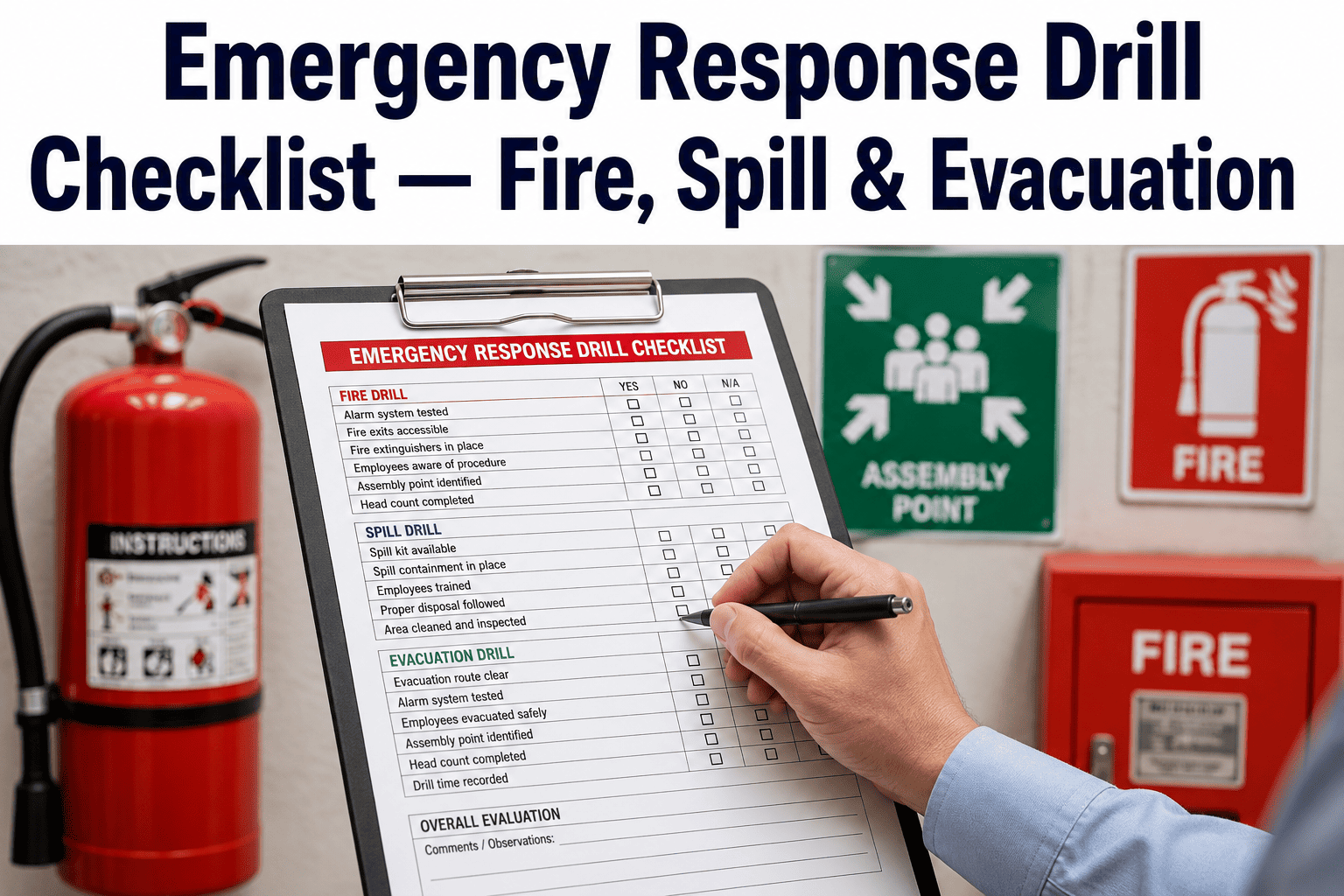
The first ten minutes of a shift decide a lot more than most plants give them credit for. An operator who skips a lubricant check because the line is already running behind schedule is not being careless, they are responding to pressure that a rushed paper checklist does nothing to relieve. A digital pre-shift startup checklist changes that dynamic by making safety interlocks, lubricant levels, tooling verification, and parameter confirmation fast enough that skipping steps stops being the path of least resistance. Plant leaders who want startup done right every shift can book a demo to see it in action.
PRE-SHIFT STARTUP · OPERATOR SAFETY · 2026
Start Every Shift the Same Careful Way
A digital startup checklist that covers safety interlocks, lubricant levels, tooling checks, and machine parameters before the first part runs, on every line, every shift.
Why Startup Checks Get Rushed
Most operators know exactly what a proper startup should include, the problem is rarely knowledge, it is time pressure combined with a checklist format that makes thoroughness feel like an obstacle. A laminated sheet with twenty boxes to tick, kept in a binder at the far end of the line, invites shortcuts the moment a shift starts five minutes late. Operators start skipping the checks that feel least likely to cause an immediate problem, which is exactly how a worn guard or a low coolant level goes unnoticed until it causes a genuine incident hours into the shift.
A well-built digital checklist flips that dynamic by living on a tablet mounted right at the machine, walking the operator through each check in order, and taking less time to complete properly than the paper version takes to fill in carelessly.
01
Safety Interlocks
Guards, e-stops, and light curtains tested and confirmed functional before any cycle begins.
02
Lubricant & Fluid Levels
Oil, coolant, and hydraulic levels checked against minimum thresholds, not just glanced at.
03
Tooling Verification
Correct tooling confirmed installed and within wear tolerance for the scheduled job.
04
Parameter Confirmation
Speed, temperature, and pressure settings verified against the standard for the part being run.
What a Complete Startup Checklist Covers
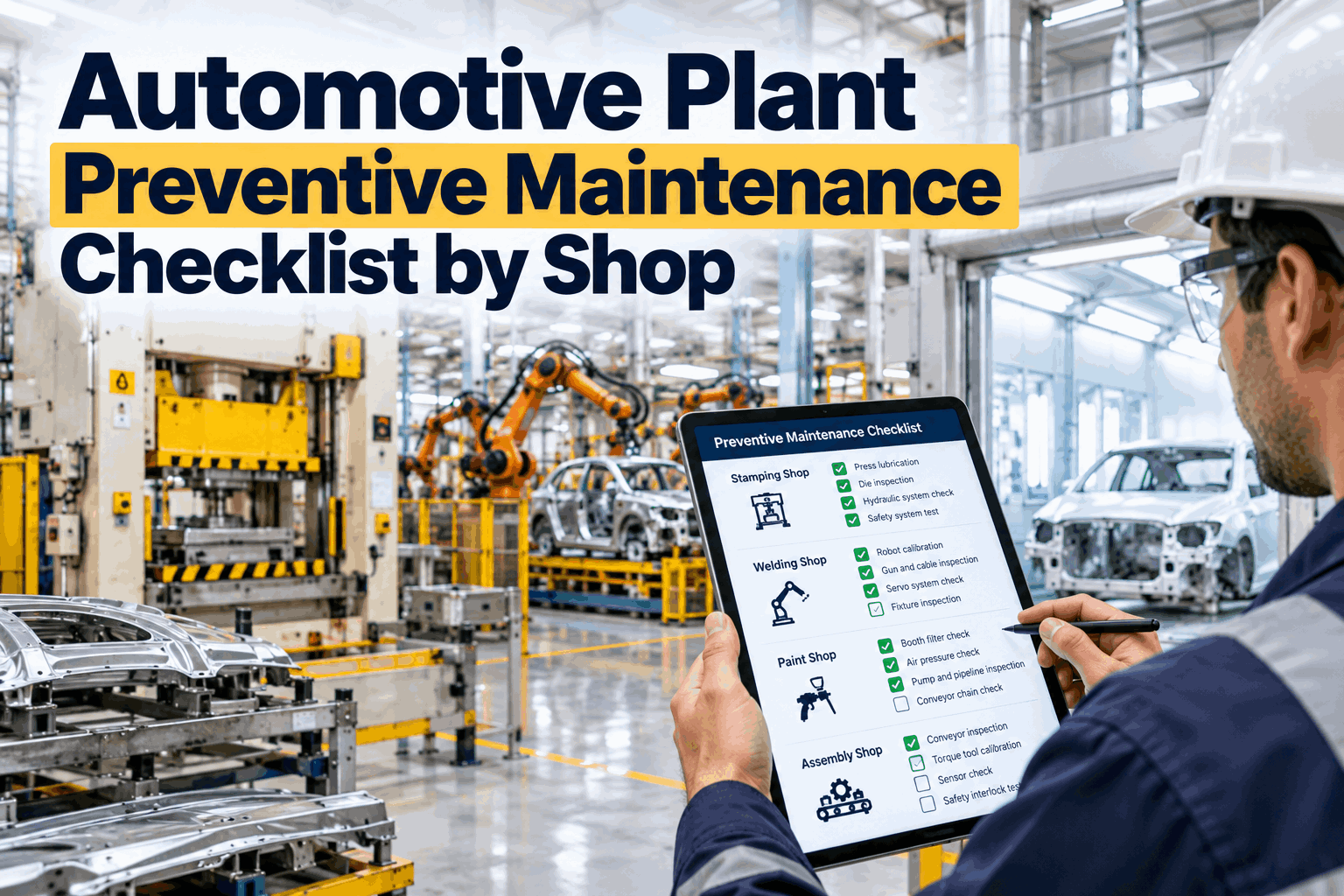
Startup requirements differ across machine types, but a genuinely thorough checklist consistently touches the same broad categories before the first good part rolls off the line.
| Category | Example Check | Consequence If Skipped |
|---|---|---|
| Safety | E-stop and guard function test | Injury risk during operation |
| Lubrication | Oil level above minimum mark | Premature bearing or gear wear |
| Tooling | Correct die or fixture installed | Scrap or damaged product |
| Parameters | Temperature within set range | Quality defects, rework |
| Housekeeping | Work area clear before start | Slip, trip, or fall hazard |
FASTER, MORE COMPLETE CHECKS
Make the Thorough Checklist the Fast One
See how a guided digital startup flow keeps operators from skipping steps under time pressure.
Rolling Out a Digital Startup Flow
1
Build the Standard
Each machine type gets its own checklist scoped to its actual failure points, not a generic template.
2
Mount It at the Machine
A tablet or fixed screen sits right where the operator starts the shift, removing any excuse to skip it.
3
Flag What Fails
Any failed check pauses startup and notifies a supervisor instead of letting the line run anyway.
4
Review Completion Trends
Leadership sees which lines and shifts complete checks consistently and which need coaching.
What Operations Leaders Say
We stopped finding out about a low coolant level from a machine alarm mid-shift. The tablet at the machine won't let the operator move past that step without an actual reading, and that alone caught three issues in the first month that used to slip through.
Operations Manager, Injection Molding Facility
Frequently Asked Questions
Will a digital checklist actually slow down shift starts?
A well-designed digital checklist is typically faster than a properly completed paper one, since it guides the operator through checks in a logical order, pulls in relevant parameters automatically where sensors are available, and eliminates the time spent locating and filling in a physical form. The goal is not to add steps beyond what should already be happening, it is to make the correct number of steps take less time than operators currently spend either doing them slowly on paper or skipping them entirely.
What happens if an operator fails a safety check during startup?
A failed safety check, such as an e-stop that does not respond correctly, pauses the checklist and prevents the machine from being marked as ready to run, while simultaneously notifying a supervisor or maintenance technician depending on how the workflow is configured. This creates a hard stop rather than a soft reminder, which is the main reason digital checklists catch issues that paper versions often let through when an operator decides a check can wait.
Can checklists be different for different machines or product runs?
Yes, most plants configure a base checklist per machine type and then layer in product-specific checks, such as a different tooling verification step depending on which mold or die is scheduled for that run. This keeps operators from working through irrelevant checks while still capturing everything specific to the job actually being started, which paper templates rarely handle well since printing a new sheet for every product variation is impractical.
Does this integrate with existing maintenance or CMMS systems?
Failed checks that indicate a maintenance need, such as a lubricant level that keeps running low faster than expected, can be configured to automatically create a work order in a connected maintenance system rather than requiring a separate manual report. Teams running an existing CMMS can review integration options through support to confirm compatibility before rollout.
How quickly can this be set up for a new line?
A single machine or line typically has its checklist built and live within one to two weeks, since the main work involves defining the correct checks with the operations and safety teams rather than complex technical integration. Plant leaders can book a demo to see a realistic setup timeline for their specific machine types.
PRE-SHIFT STARTUP · OPERATOR SAFETY
Give Every Shift a Consistent, Safe Start
Replace rushed paper checks with a guided digital startup flow operators actually complete.