A plant manager who only finds out about a failing bearing when it finally stops the line has already lost the window where the problem was cheap to fix. Multiply that across a dozen sites and the pattern compounds: every plant is reacting to its own equipment in isolation, nobody with fleet-wide visibility is watching the slow trend that shows up months before the failure, and expert reliability talent that could catch it is either too thin to staff every site or sitting idle at the one location that has it. A remote monitoring center solves both problems at once by centralizing condition data from every connected plant into one place experts can actually watch continuously. See how a centralized monitoring model applies to your own network at ifactory support.
Watch Every Plant's Equipment Health From One Place
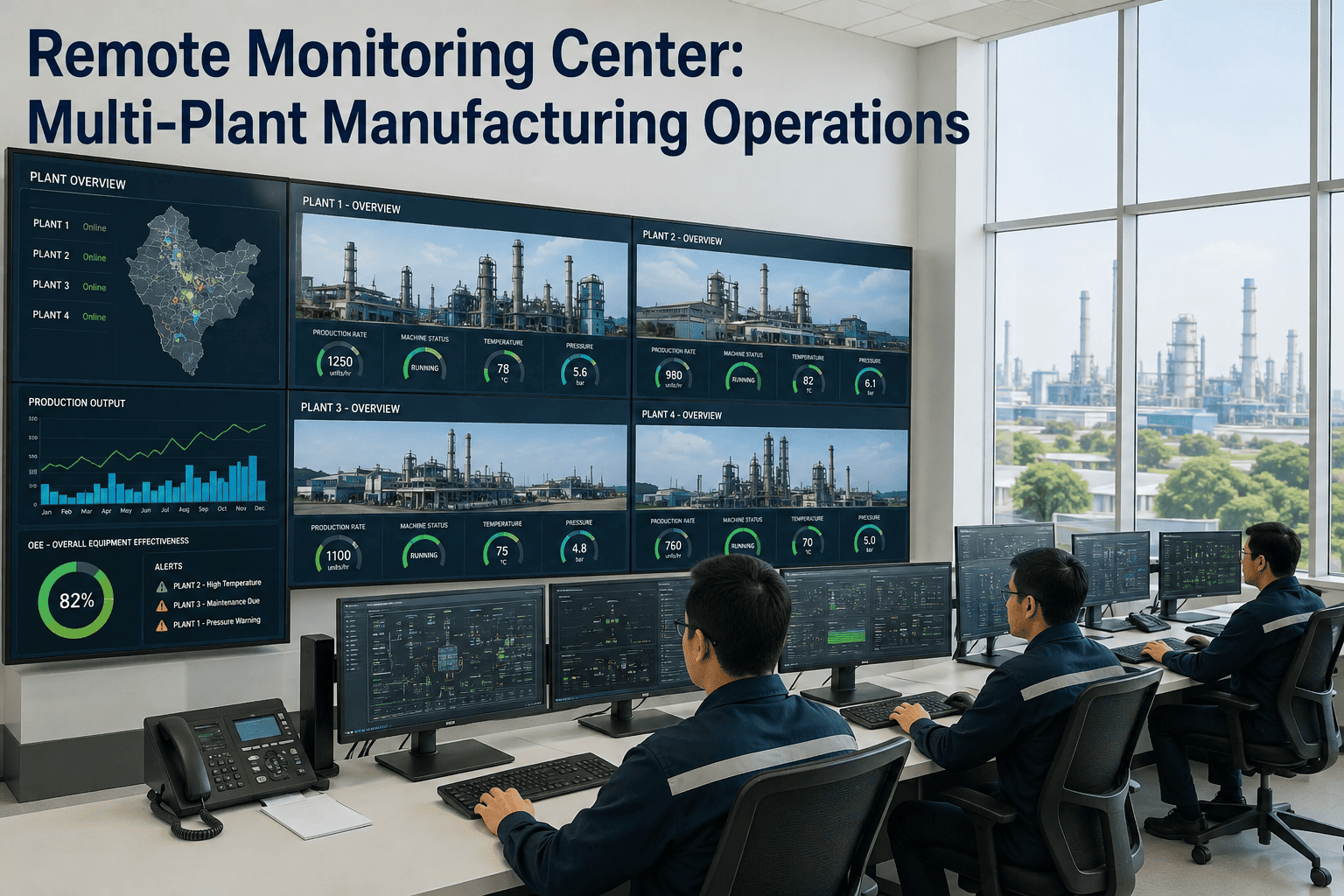
Centralized condition monitoring that pools sensor data from every connected facility, applies fleet-trained anomaly detection, and puts expert eyes on equipment health continuously instead of only during a scheduled site visit.
Why Site-by-Site Monitoring Leaves Blind Spots
Most multi-plant operators already have some form of condition monitoring at each individual site, but the expertise to actually interpret vibration trends, thermal patterns, and electrical signatures rarely gets distributed evenly. A large flagship plant might have a dedicated reliability engineer on staff, while three smaller sites in the same network share none, relying instead on periodic manual rounds or waiting for a fault code to appear on a screen.
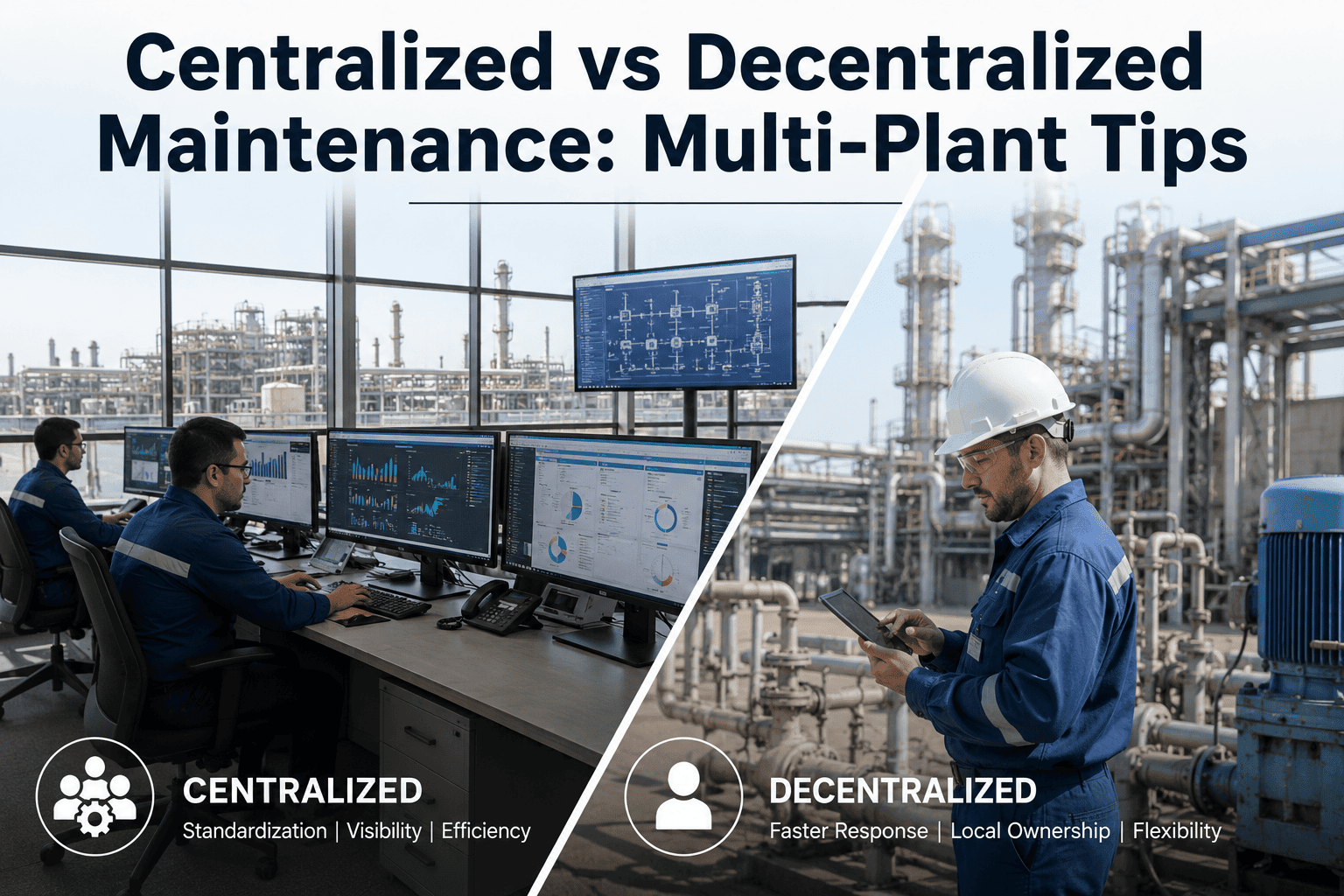
That uneven distribution means the same class of equipment, running the same failure modes, gets caught early at one site and missed entirely at another, purely based on which plant happened to have the expertise available. Pooling condition data into one remote center changes that math, because a single reliability team can now watch equipment health across every connected site rather than being limited to wherever they happen to be physically located.
The Hub-and-Spoke Model
A remote monitoring center works as a hub, with every connected plant feeding condition data inward and expert analysis and alerts flowing back out to each site's local response team.
Bring Your Site List and We Will Map the Coverage Gap
We will walk through which of your plants currently have reliability coverage and which are relying on reactive response.
What a Remote Monitoring Center Actually Watches
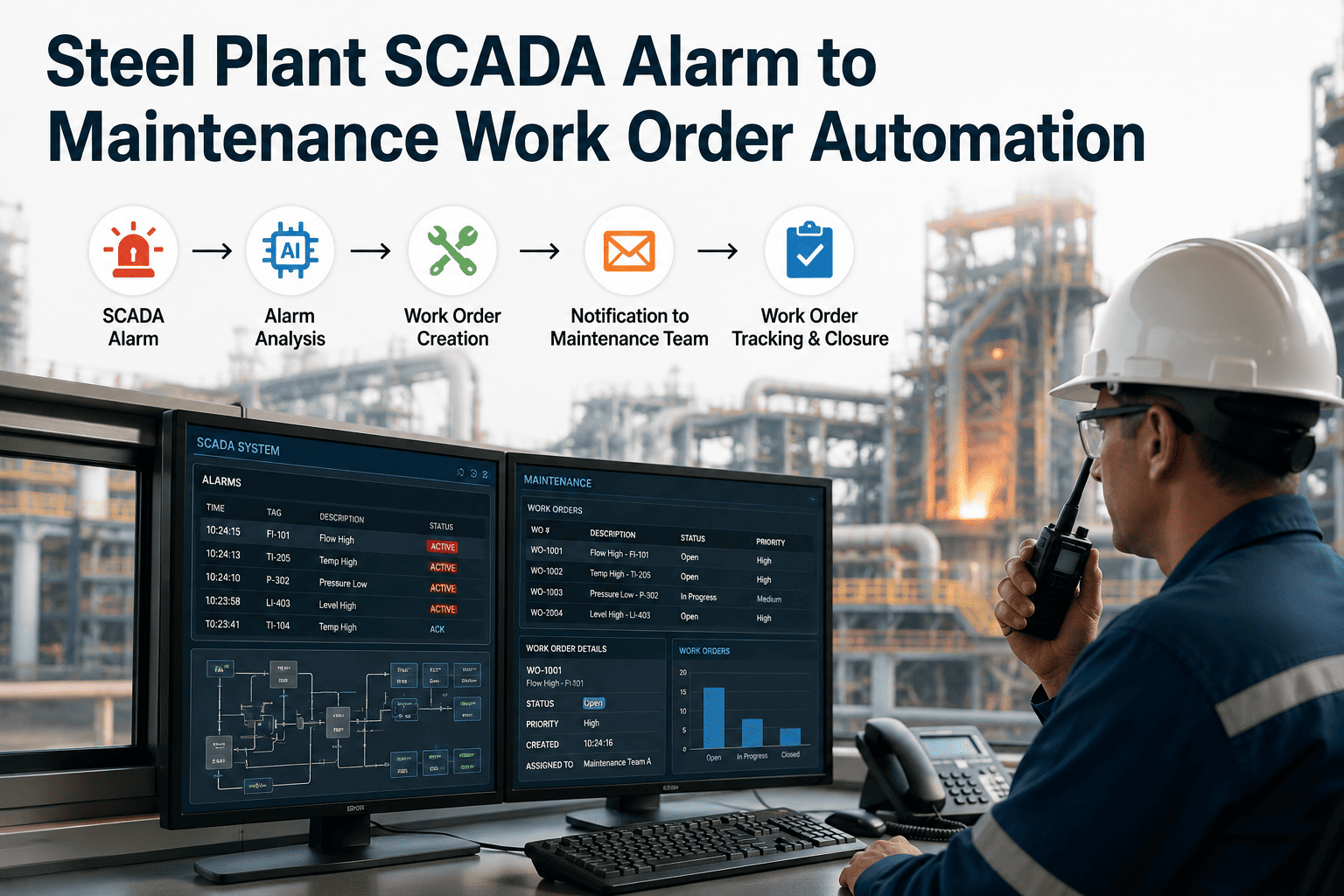
From Alarm to Expert Review to Local Action
Remote Monitoring Center vs Site-Only Monitoring
| Factor | Site-Only Monitoring | Remote Monitoring Center |
|---|---|---|
| Expert Coverage | Limited to whoever is staffed on site | Shared across every connected plant |
| Pattern Detection | Learns only from that plant's own history | Learns from failure patterns across the whole fleet |
| Small Site Coverage | Often minimal or none | Same standard of review as the largest plant |
| After-Hours Coverage | Dependent on local on-call staffing | Continuous, regardless of local shift schedule |
Getting a Remote Monitoring Program Off the Ground
Standing up a remote monitoring center does not require connecting every plant on day one. Most successful programs start with the sites or asset classes carrying the highest downtime cost, prove out the model on measurable results, and expand from there. That sequencing matters because it lets the reliability team build a fleet-specific baseline of normal behavior before trying to watch dozens of sites at once, and it gives the organization concrete evidence to justify expanding coverage to the smaller plants that would otherwise never get dedicated attention.
Frequently Asked Questions
Give Every Plant the Same Expert Eyes on Equipment Health
Bring your current site list and staffing gaps to the call. We will show how a centralized monitoring center would extend coverage across your entire network.