A midstream operator monitoring pipelines and compressor stations across hundreds of miles depends entirely on SCADA alarms to know something is wrong before it becomes a leak, a shutdown, or worse. Yet many control rooms still run alarm systems that were configured decades ago, generating far more noise than any operator can reasonably act on during a genuine upset. When alarms stop meaning something specific, operators stop trusting them — and that is the exact moment a real warning gets missed, so book a demo to see a rationalized alarm-to-workflow pipeline in action.
Oil & Gas · SCADA Integration
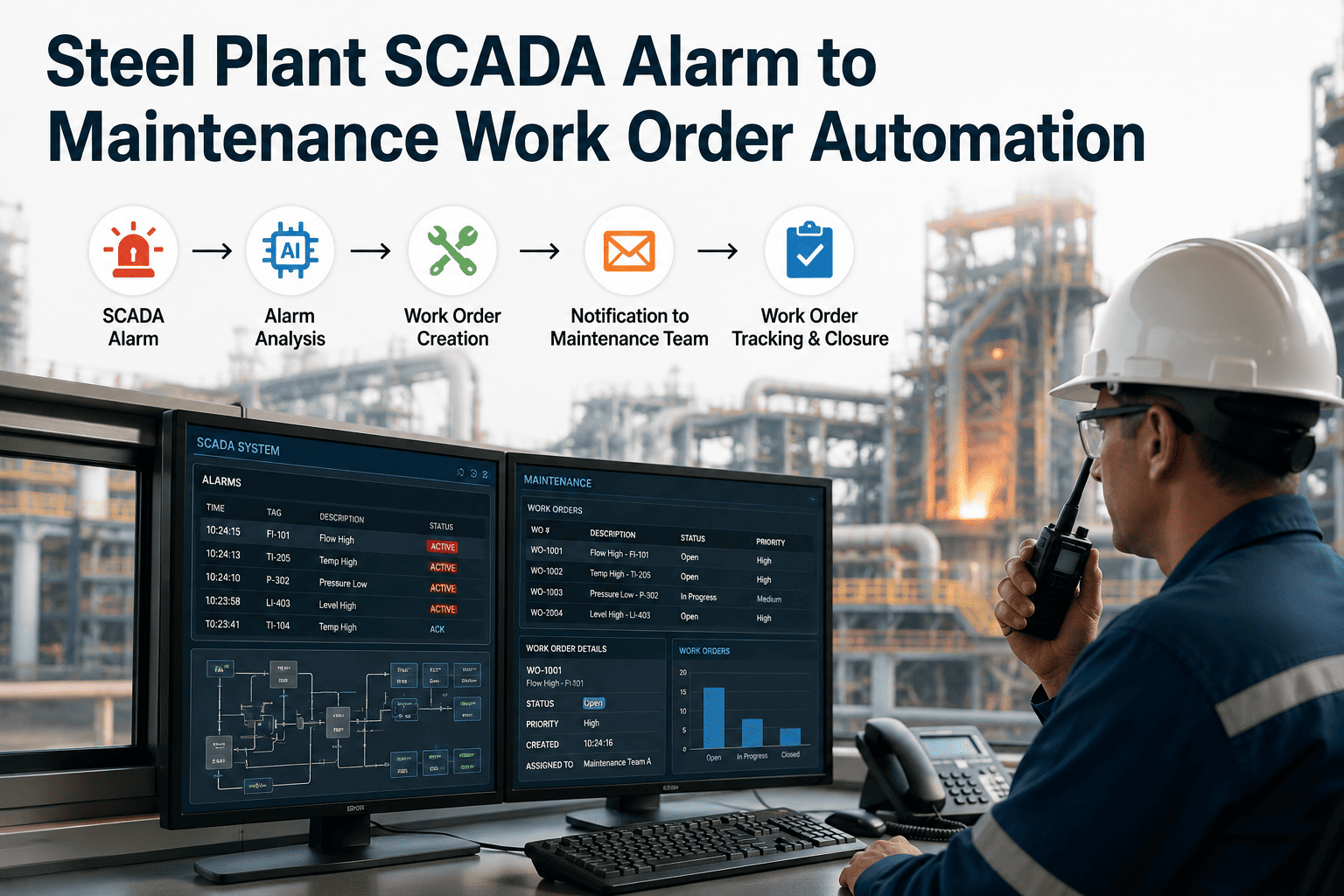
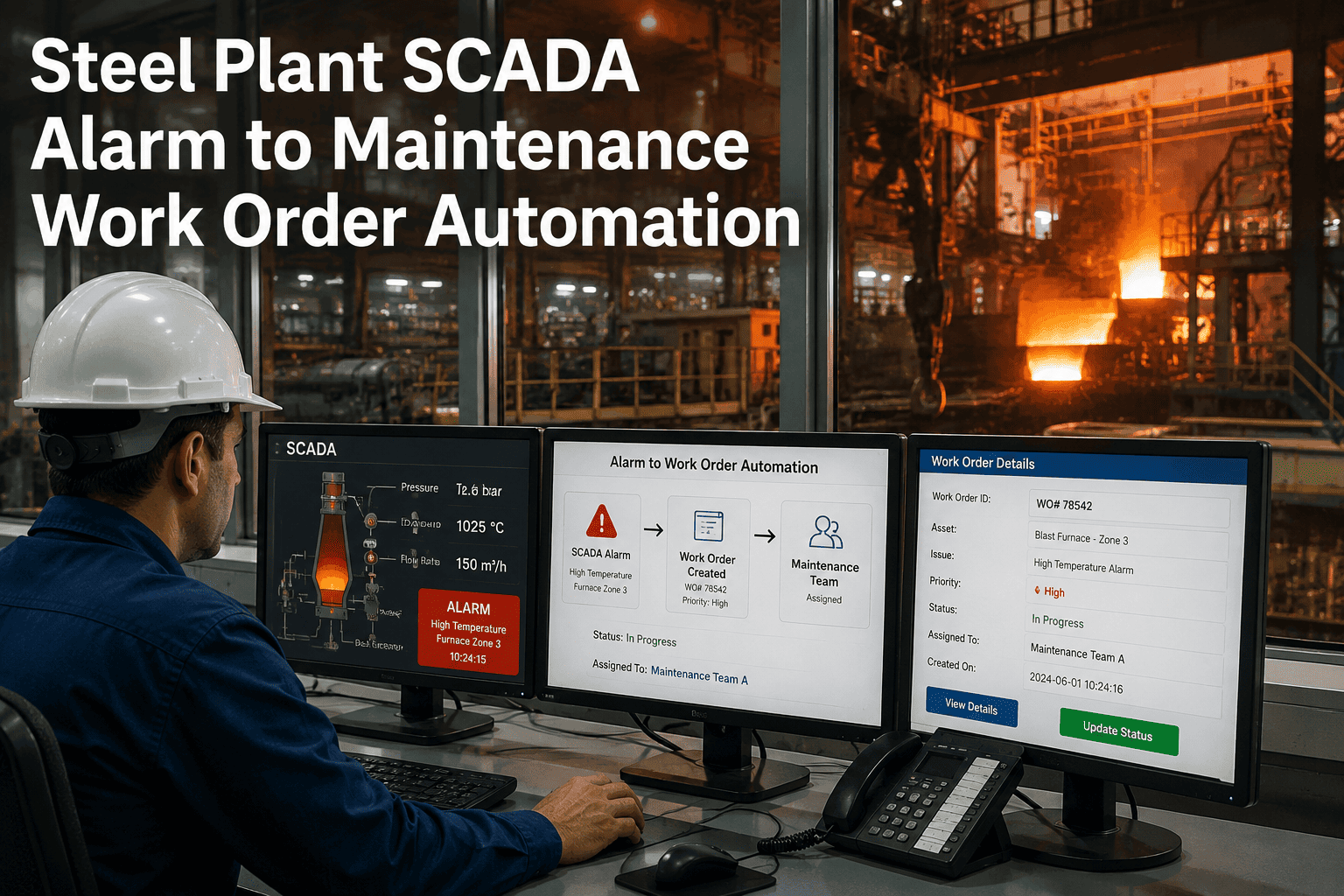
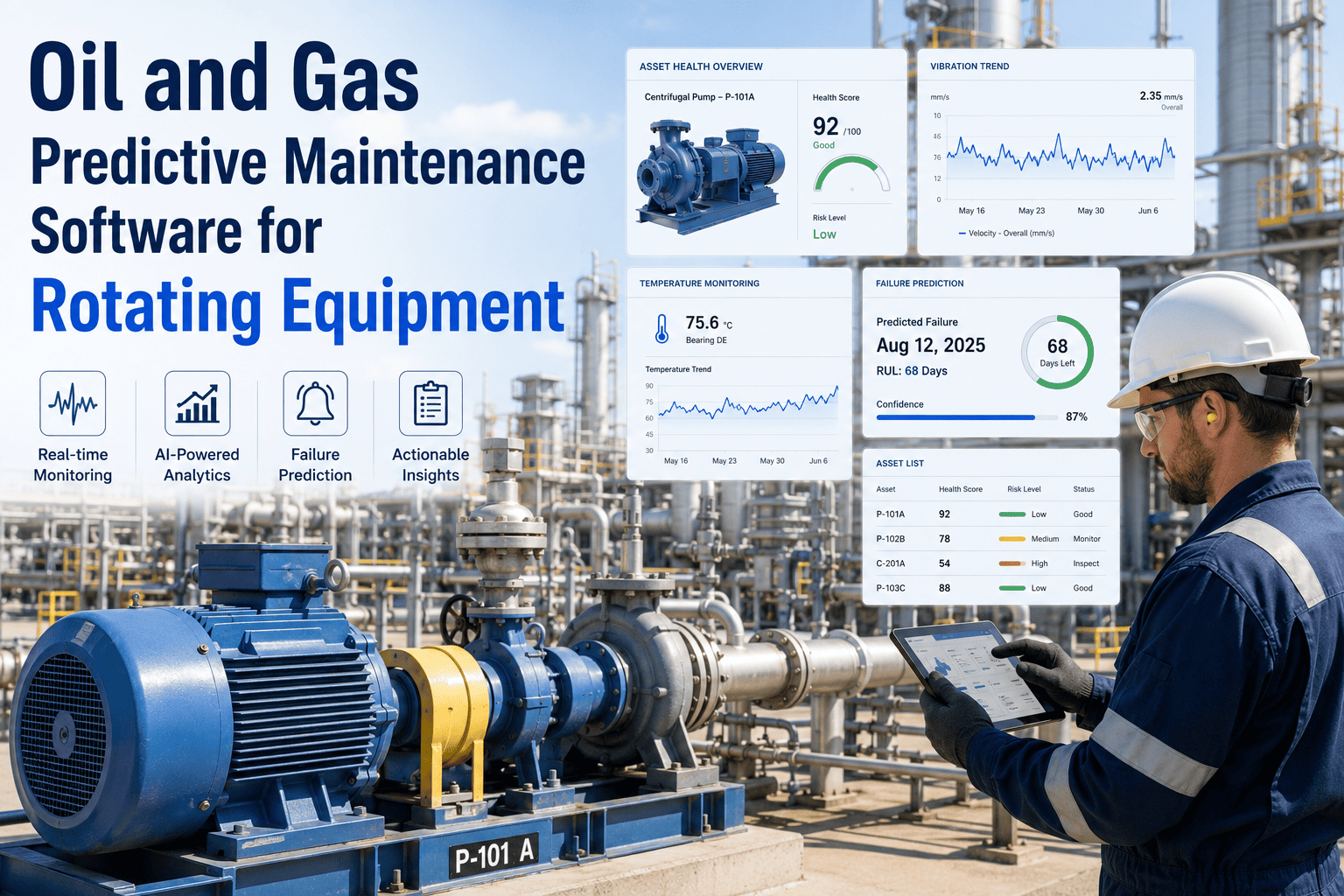
SCADA Alarm to Maintenance Workflow for Oil and Gas Operations
A structured pipeline that turns rationalized SCADA alarms into tracked maintenance actions across pipelines, compressor stations, and wellheads.
10 in 10
More than ten alarms in a ten-minute window is officially classed as an alarm flood under ISA-18.2 — and floods have been a contributing factor in some of the industry's most studied incidents.
The Three-Stage Alarm-to-Action Pipeline
Each stage exists to remove a specific point of failure between an abnormal condition occurring and a technician actually resolving it.
1
Rationalize
Every alarm reviewed against ISA-18.2 criteria — is it actionable, is the priority correct, is the response time defined.
2
Triage
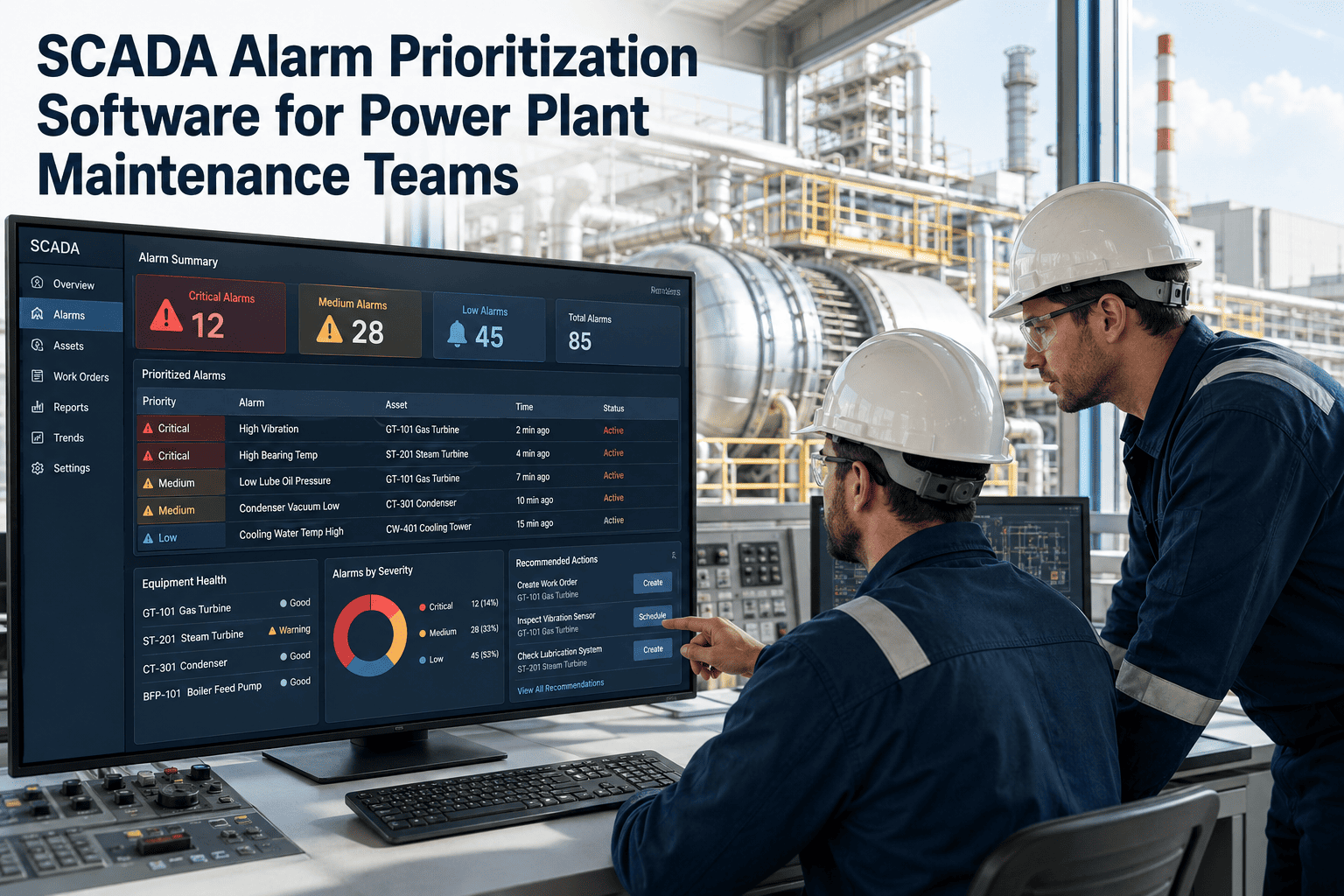
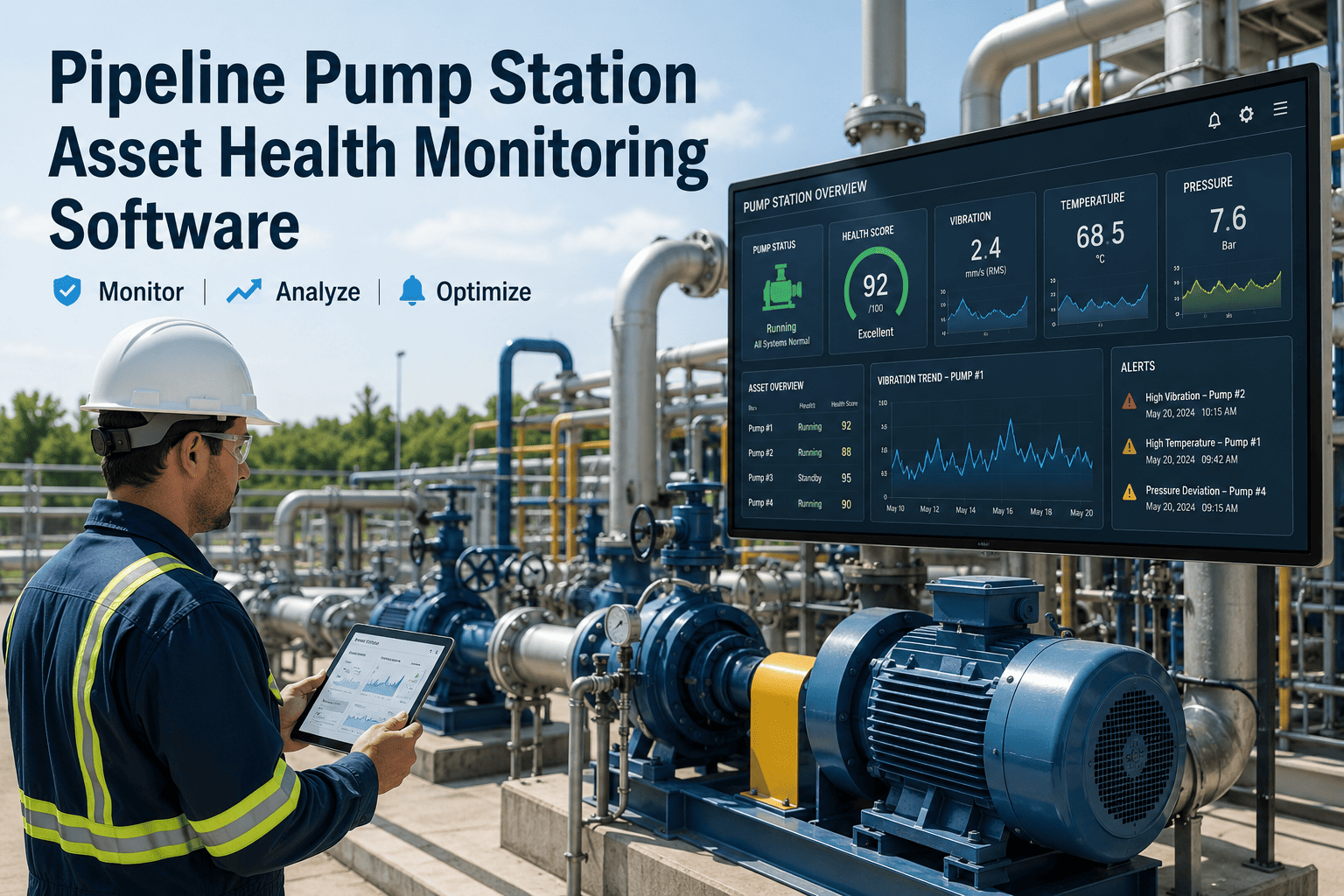
Live alarms are matched against the Master Alarm Database and correlated with asset health data for context.
3
Dispatch
A prioritized work order is generated automatically and routed to the field technician nearest the asset.
The Cost of an Unmanaged Alarm Environment
| Scenario | Typical Impact |
|---|
| Unplanned facility shutdown | Can exceed $260,000 per hour in lost throughput |
| Alarm flood during upset | Critical alarm buried among hundreds of nuisance alerts |
| Chattering alarm left unresolved | Trains operators to dismiss alerts as noise over time |
| No feedback loop to engineering | Same nuisance alarms recur across every shift indefinitely |
What a Rationalized Alarm System Looks Like
✓
Fewer than six alarms per operator per hour during steady-state operation
✓
Every alarm documented in a Master Alarm Database with cause and required response
✓
State-based suppression active during startup, shutdown, and changeover
✓
Chattering alarms configured with deadbands and on/off delays
✓
Every alarm automatically generates a tracked work order, not a verbal handoff
Alarm rationalization typically reduces flood frequency by up to 80%. That is not a marginal improvement — it is the difference between an operator seeing the one alarm that matters and missing it entirely.
Expert Insight
When a console fires two hundred alarms an hour, the operator is not failing to do their job — the alarm system has failed to do its job of telling them what actually matters. Rationalization is not about generating fewer alarms for its own sake; it is about restoring the operator's ability to trust that every alarm on the screen genuinely requires a response, which is the entire premise the ISA-18.2 standard was built around.
Industry guidance drawn from ANSI/ISA-18.2 and IEC 62682 alarm management standards
Frequently Asked Questions
How is this different from just adding more alarms to catch more problems?
Adding more alarms without rationalization typically makes the noise problem worse, not better, since every new alarm competes for the operator's limited attention against alarms that may not even be actionable. The goal of a rationalized system is fewer, higher-quality alarms where every single one on the screen genuinely requires a defined response, which is a very different outcome from simply monitoring more variables.
Book a demo to see how rationalization actually reduces alarm count while improving coverage.
Can this integrate with SCADA systems across multiple remote sites?
Yes, midstream and upstream operations typically span dozens or hundreds of remote sites reporting into a central control room, and the alarm-to-workflow pipeline is designed to aggregate and rationalize alarms across that entire footprint rather than site by site. Work orders generated from any location route to the field team responsible for that asset automatically.
Contact support to discuss multi-site SCADA integration.
What happens to alarms during a planned pipeline shutdown or changeover?
State-based suppression logic automatically silences alarms that are expected and non-actionable during a known transition such as a planned shutdown, startup, or product changeover, so operators are not flooded with alerts that reflect normal, expected process behavior rather than a genuine abnormal condition. This is one of the fastest ways to cut nuisance alarm volume without losing any real safety coverage.
Book a demo to see suppression rules configured for your operating states.
How does an alarm turn into an actual work order automatically?
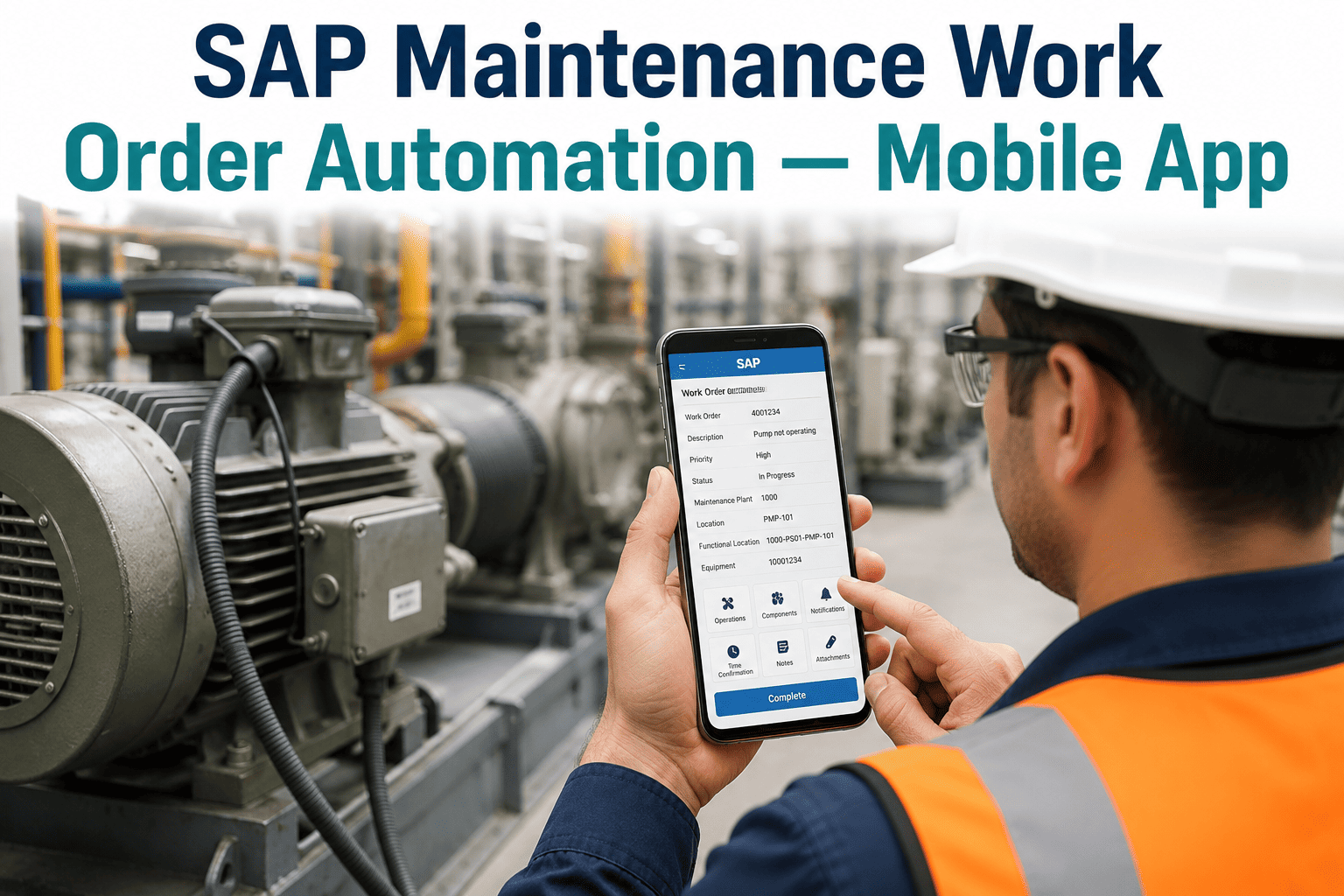
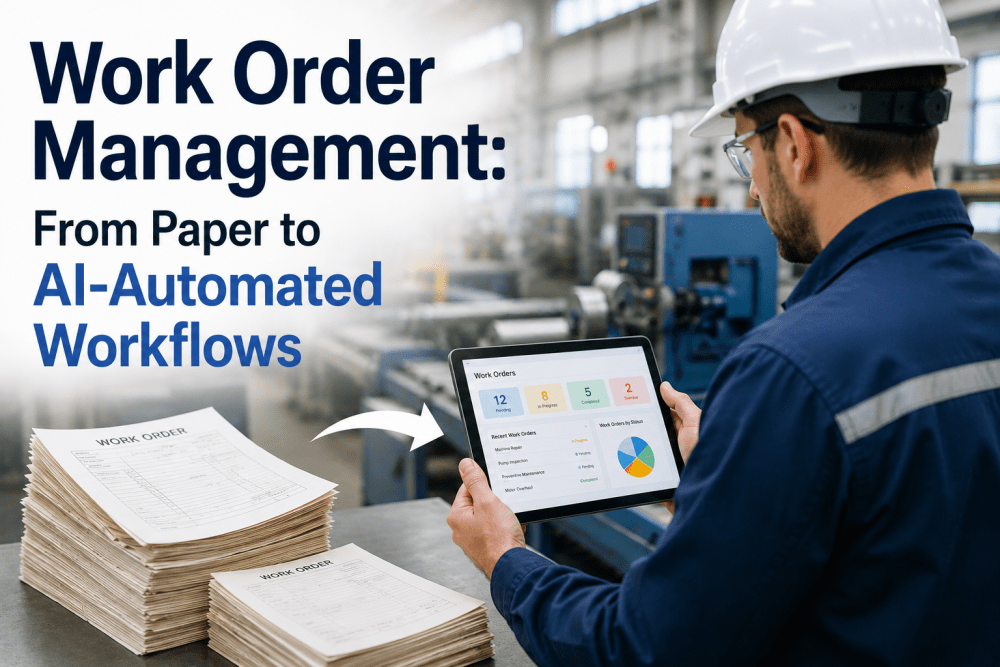
Once an alarm is rationalized and matched to its documented consequence and response requirement, the system generates a work order in the CMMS the moment that alarm fires, complete with priority, asset history, and the nearest available technician assigned. This replaces the manual radio call or logbook entry that traditionally created delay and inconsistency between detection and dispatch.
Contact support to review the work order generation logic for your CMMS.
Is a full alarm rationalization project disruptive to ongoing operations?
No, rationalization is a review and documentation process performed against existing alarm configuration data, and changes are typically deployed in staged rollouts validated against historical alarm performance before going live on the production system. Most operators complete this without any unplanned production disruption, working area by area rather than attempting a single disruptive cutover.
Book a demo to see a staged rollout plan for your facilities.
Turn Alarm Noise Into a Working Maintenance Pipeline
Rationalized alarms, automatic work order generation, and field dispatch — connected end to end across your operation.