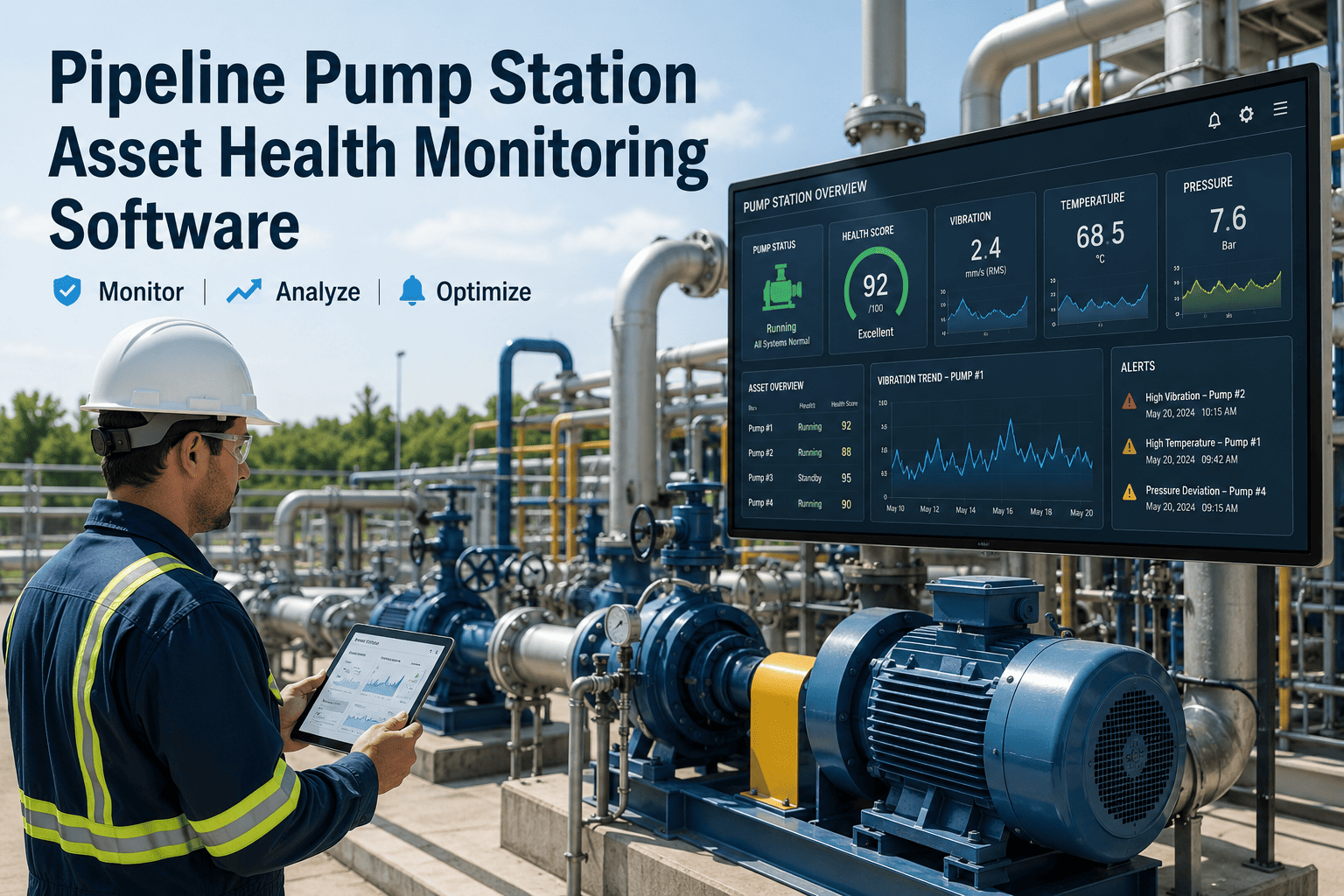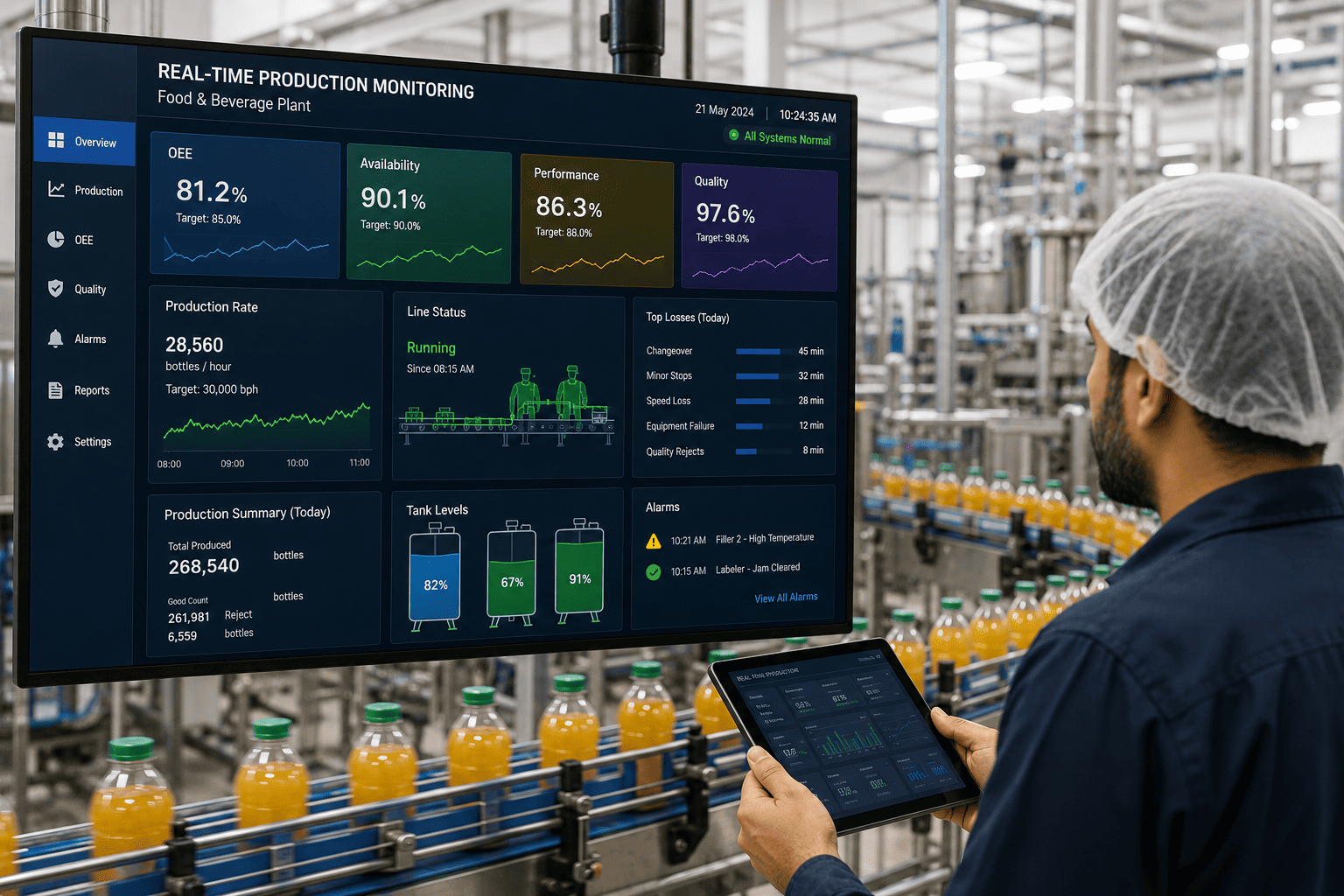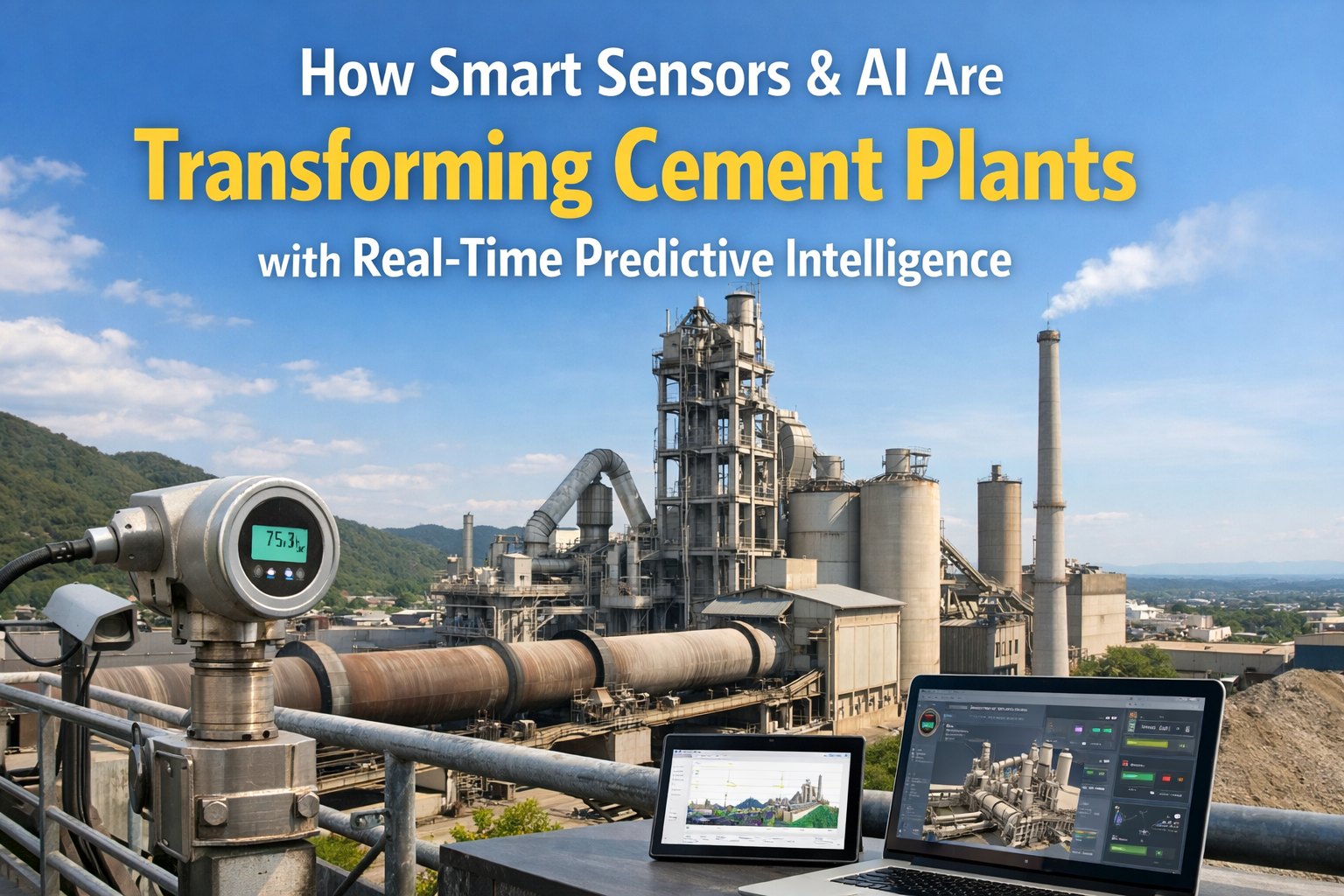
In the high-stakes environment of food and beverage manufacturing, the integrity of the cold chain is not merely a logistical concern—it is the bedrock of food safety, regulatory compliance, and brand reputation. A single temperature excursion or equipment failure in a refrigeration unit, freezer, or cold storage warehouse can lead to massive product spoilage, costly recalls, and irreversible damage to consumer trust. Traditional reactive maintenance approaches, where technicians respond only after a compressor fails or a temperature sensor drifts, are no longer acceptable in an era of Industry 4.0. Food plants now demand a proactive, data-driven strategy that continuously monitors the health of every critical asset in the cold chain. iFactory's Condition Monitoring software delivers exactly this capability, providing real-time asset health dashboards, predictive alerts, and seamless integration with existing automation systems. This comprehensive guide explores the technical architecture, implementation strategies, and transformative business outcomes of deploying AI-driven cold chain equipment monitoring in food manufacturing facilities. For a personalized walkthrough of how iFactory can safeguard your cold chain, Book a Demo today.
Secure Your Cold Chain Now
Prevent spoilage, ensure compliance, and maximize uptime with AI-driven monitoring.
Real-Time Temperature Tracking
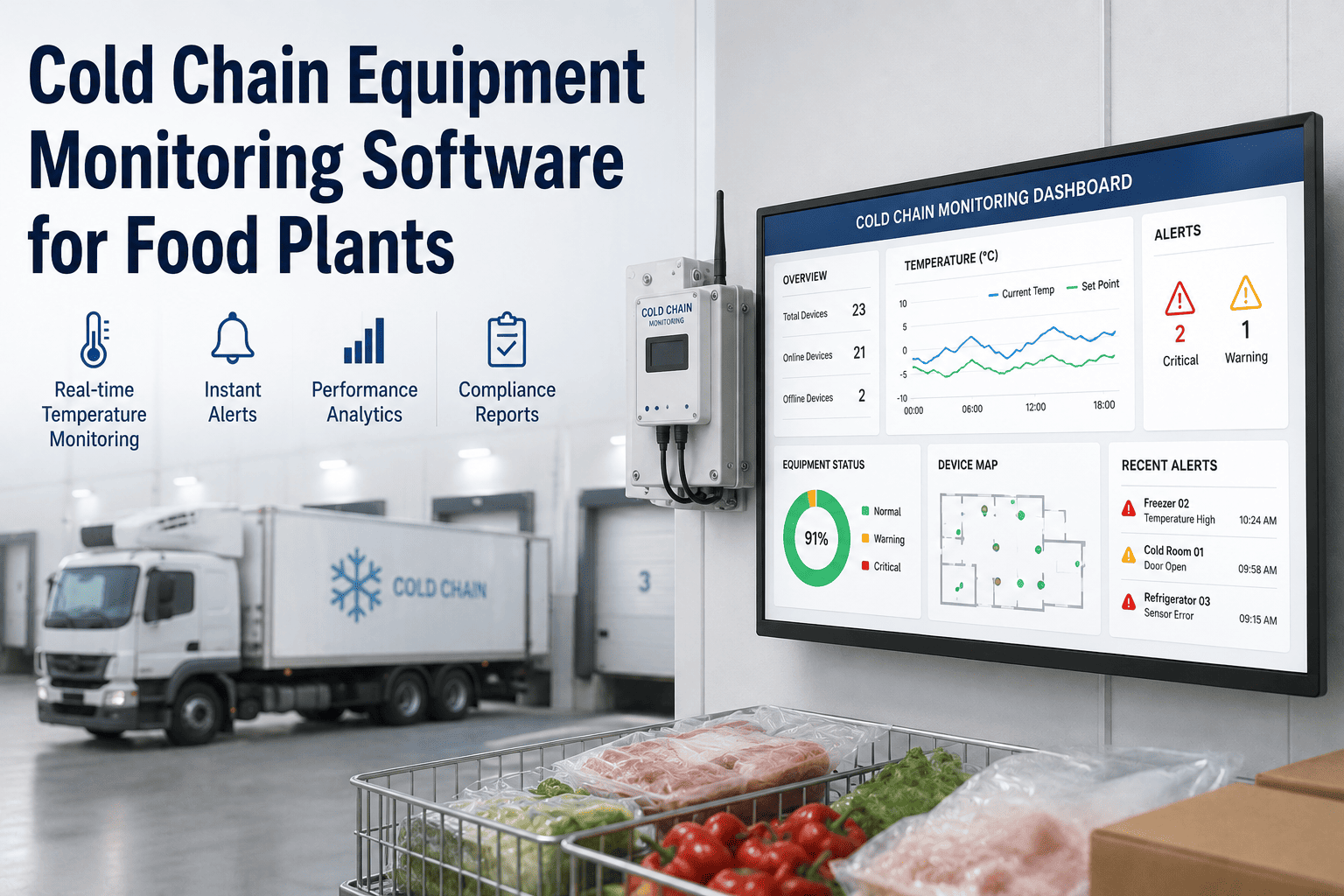
Monitor every cooler, freezer, and chiller with sub-second sensor data. iFactory's dashboard displays live temperature readings, historical trends, and deviation alerts, enabling operators to act before product quality is compromised. The system supports multiple sensor types including RTD, thermocouple, and wireless IoT probes, ensuring compatibility with any plant infrastructure.
Predictive Compressor Maintenance
Compressors are the heart of any refrigeration system. Using vibration analysis, current draw monitoring, and oil condition data, iFactory's AI models predict bearing wear, refrigerant leaks, and valve failures weeks in advance. This allows maintenance teams to schedule repairs during planned downtime, avoiding catastrophic failures that could halt production.
Automated Compliance Reporting
Food safety regulations require meticulous documentation of cold chain conditions. iFactory automatically generates HACCP-compliant reports, logging every temperature reading, alarm event, and corrective action. These reports are timestamped and tamper-proof, providing auditors with irrefutable evidence of due diligence.
Integration with PLC & SCADA
iFactory connects directly to existing PLCs (Allen-Bradley, Siemens, Mitsubishi) and SCADA systems via OPC UA, MQTT, or Modbus. This eliminates data silos and allows the condition monitoring platform to correlate equipment health with production metrics, such as batch quality and throughput.
How iFactory Implements Cold Chain Monitoring
Sensor Deployment & Network Setup
iFactory engineers conduct a site survey to identify all critical cold chain assets. Wireless sensors are installed on evaporators, condensers, doors, and storage zones. The mesh network ensures 99.9% data reliability even in challenging environments with metal shelving and high humidity.
Data Ingestion & Edge Processing
Data streams from sensors are ingested at the edge via iFactory's IoT gateway, which performs initial filtering and anomaly detection. Only meaningful events and aggregated metrics are sent to the cloud, minimizing bandwidth usage and enabling real-time local alerts even if connectivity is lost.
AI Model Training & Baseline Creation
Using historical data from your plant, iFactory's machine learning algorithms establish normal operating baselines for each asset. Models are trained to recognize subtle patterns that precede failures, such as gradual temperature rise or increased compressor cycling. These models continuously learn and adapt to seasonal changes and production shifts.
Dashboard Customization & Alert Configuration
Plant managers configure role-specific dashboards showing KPIs like average temperature deviation, compressor health score, and door open events. Alert thresholds are set for multiple severity levels—informational, warning, critical—ensuring the right people are notified via SMS, email, or directly in the iFactory mobile app.
Technical Architecture of Cold Chain Monitoring
The backbone of iFactory's condition monitoring software is a microservices architecture deployed on Kubernetes, ensuring high availability and scalability. Each sensor data stream is processed by a dedicated service that handles protocol translation, time-series storage, and real-time analytics. The platform uses Apache Kafka for message queuing, enabling it to handle millions of data points per second from thousands of sensors across multiple plants.
For cold chain applications, the system prioritizes latency and reliability. Edge gateways run a lightweight version of the iFactory runtime, capable of executing rule-based alerts without cloud connectivity. This is critical for food plants where a network outage cannot be allowed to compromise monitoring. The gateway stores up to 72 hours of data locally and synchronizes with the cloud when connectivity is restored.
Security is paramount. All data in transit is encrypted using TLS 1.3, and at rest using AES-256. Role-based access control (RBAC) ensures that only authorized personnel can modify alert thresholds or view sensitive compliance reports. The platform is SOC 2 Type II certified, meeting the rigorous security requirements of enterprise food manufacturers.
Comparative Analysis: Traditional vs. AI-Driven Monitoring
| Parameter | Traditional Monitoring | iFactory AI-Driven Monitoring |
|---|---|---|
| Detection Method | Reactive alarms after threshold breach | Predictive alerts days/weeks before failure |
| Data Granularity | Hourly temperature logs | Sub-second sensor data with trend analysis |
| False Alarm Rate | High (30-40%) | Low (<5%) due to AI context filtering |
| Compliance Reporting | Manual, error-prone | Automated, tamper-proof, HACCP-ready |
| Integration Capability | Standalone, no PLC/SCADA link | Full integration via OPC UA, MQTT, Modbus |
| Maintenance Strategy | Reactive or calendar-based | Predictive, condition-based |
| Total Cost of Ownership | High due to emergency repairs and spoilage | Low, with 3-6 month ROI |
Transform Your Cold Chain Operations
Leverage AI to eliminate spoilage and reduce maintenance costs by 45%.
Real-Time Alerts
Get instant notifications for temperature excursions, door left open, and equipment anomalies. Alerts are prioritized by severity and can be routed to maintenance teams, quality managers, and plant supervisors simultaneously.
Asset Health Score
Each compressor, fan, and pump receives a health score from 0-100 based on vibration, temperature, and runtime data. A declining score triggers a pre-maintenance workflow, ensuring parts and labor are ready before a breakdown occurs.
Energy Optimization
iFactory's analytics identify inefficient refrigeration cycles, such as excessive defrosting or condenser fouling. By optimizing these parameters, plants can reduce energy consumption by up to 20% while maintaining product safety.
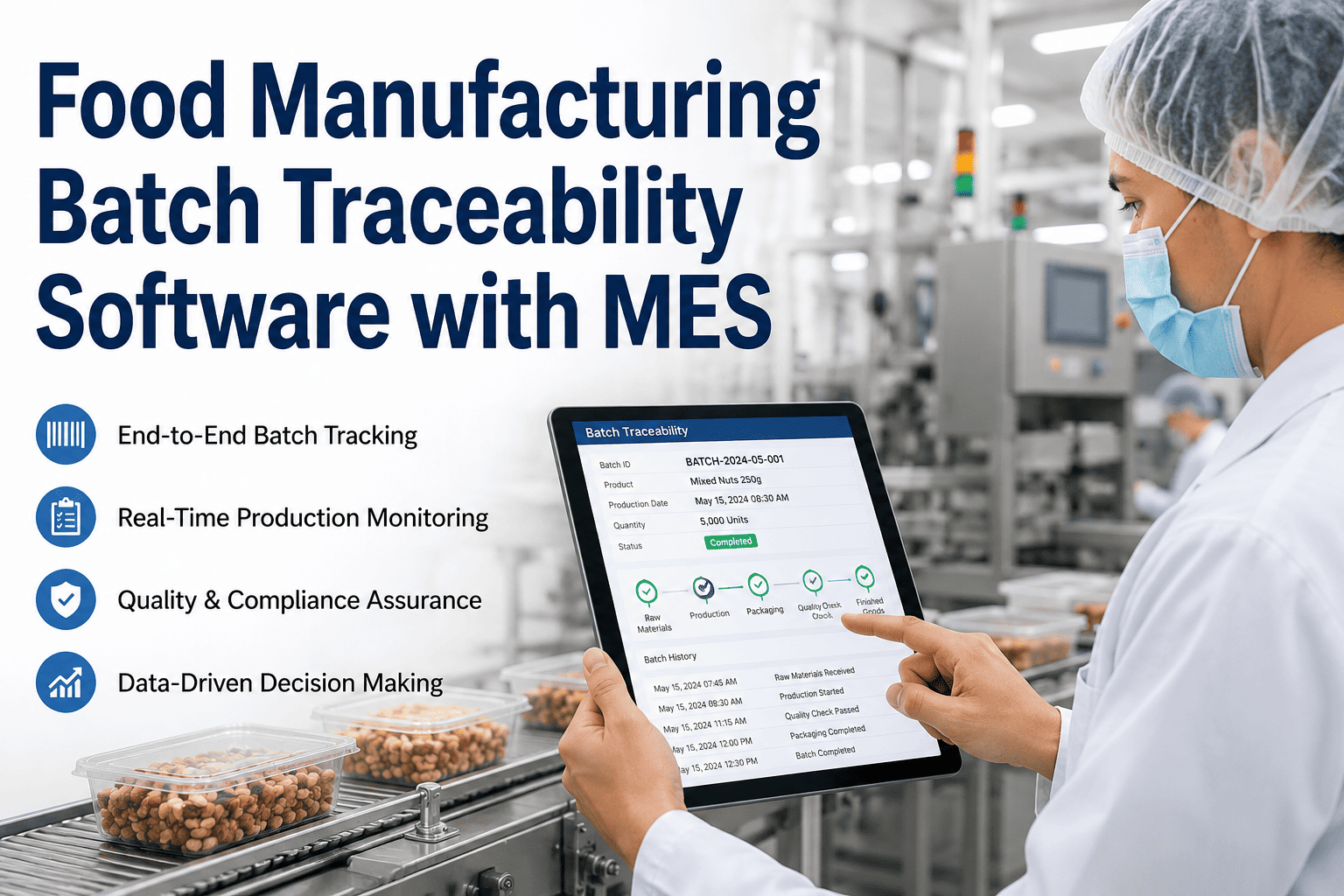
Batch Traceability
Link cold chain data to specific production batches. If a quality issue arises, iFactory can quickly identify whether any temperature abuse occurred during storage or transport, enabling targeted recall and root cause analysis.
Implementation Timeline & Milestones
Frequently Asked Questions
How does iFactory ensure data accuracy in cold storage environments?
iFactory uses multiple sensor fusion techniques to cross-validate temperature readings from different points within the same cold zone. For example, if a wireless probe near the door shows a different reading than a fixed RTD sensor, the system flags a potential calibration issue rather than a temperature excursion. This reduces false alarms and ensures that only genuine deviations trigger alerts. Additionally, all sensors are automatically recalibrated against a reference standard on a scheduled basis, maintaining accuracy within ±0.2°C. For more details on sensor calibration protocols, contact our support team.
Can iFactory integrate with my existing ERP system?
Yes, iFactory provides RESTful APIs and pre-built connectors for major ERP platforms such as SAP, Oracle, and Microsoft Dynamics. Cold chain data, including temperature logs, alarm events, and maintenance records, can be automatically pushed to your ERP for inventory management, quality holds, and preventive maintenance scheduling. This integration eliminates manual data entry and ensures that all departments—from production to finance—have a single source of truth. To discuss your specific ERP integration needs, book a demo with our solutions team.
What happens if the internet connection goes down?
iFactory's edge gateways are designed for resilience. They store up to 72 hours of sensor data locally and continue to execute alert rules even without cloud connectivity. When the connection is restored, the gateway automatically syncs all buffered data to the cloud, ensuring no gaps in your compliance records. Additionally, critical alerts can be configured to trigger local audible/visual alarms or be sent via SMS through a cellular backup module. This architecture guarantees continuous monitoring regardless of network stability. For a detailed technical whitepaper, visit our support page.
How long does it take to see ROI after implementation?
Most food plants see a positive ROI within 3 to 6 months. The primary drivers are reduction in product spoilage (typically 30-50%), decrease in emergency maintenance costs (40-60%), and energy savings (15-20%). For example, a mid-size dairy processor saved $1.2 million annually after deploying iFactory across 12 cold storage rooms. The exact timeline depends on plant size, current maintenance practices, and the number of assets monitored. To calculate your potential savings, book a demo and request a custom ROI analysis.
Is iFactory compliant with FDA and USDA regulations?
Absolutely. iFactory is designed to meet the requirements of FDA 21 CFR Part 11 (electronic records and signatures) and USDA HACCP guidelines. All temperature data is recorded with tamper-proof timestamps, and any manual override of automated controls is logged with user identification and reason. The system also supports electronic signatures for approvals and corrective actions. Regular audits are simplified with one-click report generation for any date range. For a compliance checklist, contact our support team.
Ready to Protect Your Cold Chain?
Join leading food manufacturers who trust iFactory for their critical asset monitoring.