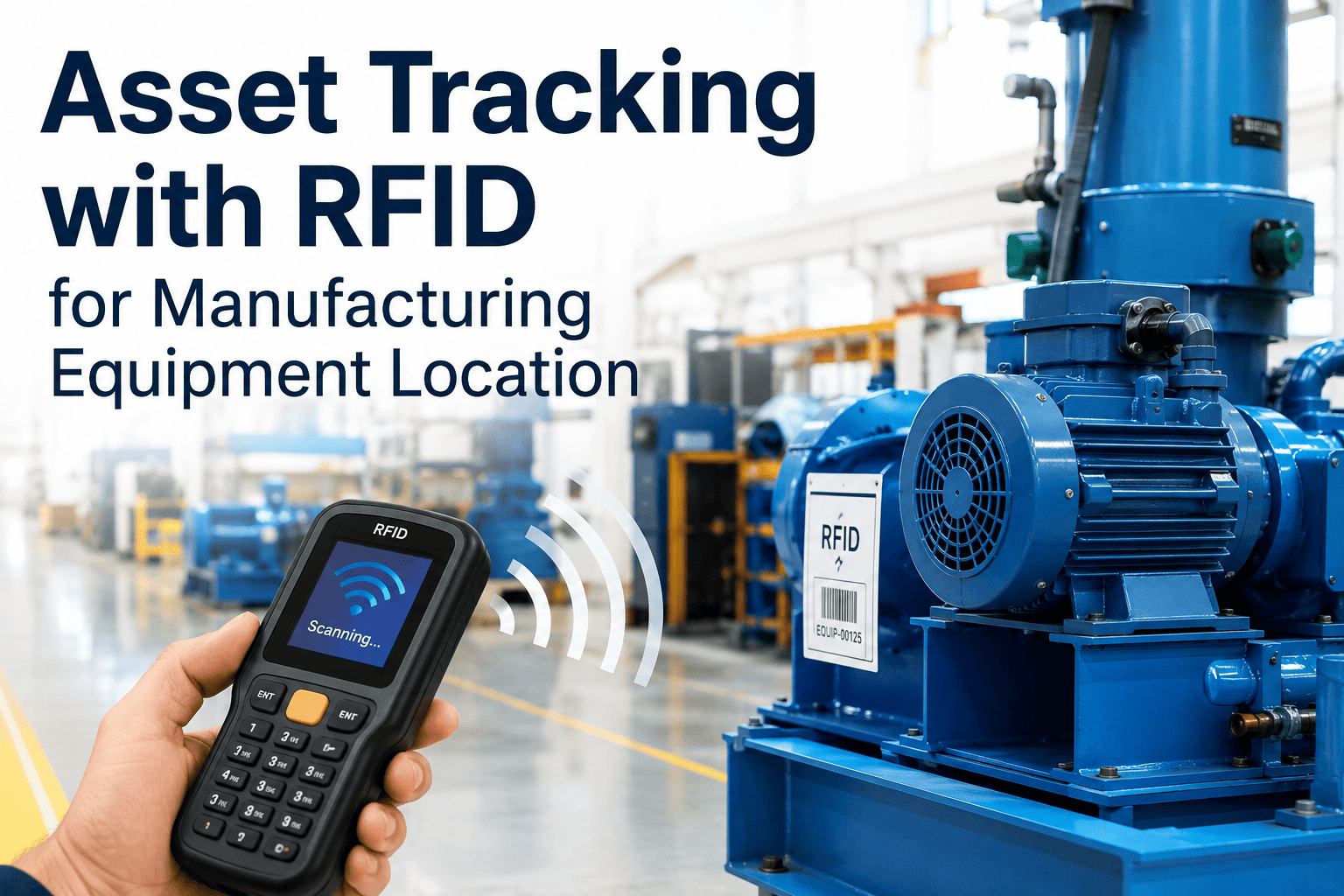
Ask any maintenance supervisor where the good torque wrench went last Tuesday and you will likely get a shrug, a radio call to three different departments, and twenty minutes of production time lost while someone walks the floor looking for it. Tooling and mobile equipment have a way of drifting between departments, riding home in the wrong toolbox, or sitting forgotten in a corner of the warehouse long after the job that needed it finished. iFactory's AI-powered RFID asset tracking platform gives every tool, cart, and piece of mobile equipment a live, searchable location on a floor map, and you can book a demo to see your own equipment list mapped this way.
If You Have Ever Asked "Who Has the Torque Wrench," This Page Is for You
iFactory tags your tooling, fixtures, and mobile equipment with RFID, then shows exactly where each item is, who checked it out, and how long it has been sitting idle, all from one live dashboard.
Lost, Misplaced, and Underused Equipment Is a Bigger Cost Than Most Plants Realize
Equipment loss and search time rarely show up as a single line item, so the true cost stays hidden inside overtime, rush purchase orders, and production delays that get attributed to other causes. The figures below reflect what independent tooling and asset audits typically find once a plant actually measures the problem.
Every Category of Equipment That Wanders Off a Manufacturing Floor
RFID tagging is not limited to high-value capital equipment. The most consistent return on investment usually comes from tracking the smaller, easily misplaced items that consume disproportionate search time relative to their cost.
Hand and Power Tools
Torque wrenches, calibrated gauges, and power tools that move between stations and departments throughout a shift, often without any formal checkout process.
Fixtures and Jigs
Changeover fixtures and jigs stored across multiple locations, where the wrong fixture reaching the wrong line can stall a changeover for a full shift.
Mobile Equipment
Forklifts, tuggers, and pallet jacks that operators track down manually at shift start, often losing productive minutes before the first move of the day.
Calibration Assets
Gauges and test equipment requiring scheduled calibration, where location visibility prevents an asset from missing its calibration window because nobody could find it.
Carts and Totes
Work-in-process carts and totes that accumulate in the wrong area of the plant, tying up material handling capacity without anyone noticing the drift.
Safety Equipment
Lockout kits, gas detectors, and emergency equipment that must be locatable within seconds during an incident, not searched for under time pressure.
Every Minute Spent Searching Is a Minute the Line Is Not Running
iFactory's RFID platform turns your equipment list into a live, searchable map so your team spends time using tools instead of hunting for them. Book a demo and see a live location dashboard built from a sample of your own asset list.
From RFID Tag to Live Location in Four Steps
The underlying technology is simple by design, because complexity in the tagging and reading layer is exactly what causes most asset tracking programs to stall after an enthusiastic first month.
Tag Every Tracked Asset
Passive or active RFID tags are attached to each item in the tracked inventory, matched against an asset record that includes owner, department, and calibration status.
Read Zones Capture Movement
Fixed readers at doorways, tool cribs, and department boundaries, along with handheld readers for spot checks, capture tag movement as items cross zones throughout the shift.
AI Resolves Location and Utilization
iFactory's AI reconciles read events into a live location per asset and flags items that have been idle in one zone far longer than their typical usage pattern.
Dashboard and Check-Out Management
Supervisors search any asset by name or category, see its current zone, and manage check-in and check-out history without a manual sign-out sheet.
Manual Tool Tracking vs iFactory RFID Asset Tracking
The comparison below sets side by side what a manual sign-out sheet or spreadsheet-based tracking process delivers against a live RFID location system, across the factors that matter most to floor supervisors.
| Factor | Manual Sign-Out / Spreadsheet | iFactory RFID Tracking |
|---|---|---|
| Location Accuracy | Accurate only if the log was updated correctly | Live, zone-level accuracy updated automatically |
| Search Time for a Missing Item | 15 to 30 minutes, often involving multiple people | Seconds, via dashboard search by asset name |
| Idle Asset Visibility | Not tracked unless someone notices | Automatically flagged when idle beyond normal pattern |
| Calibration Compliance | Manually cross-checked against a separate schedule | Linked to location record and automatically flagged |
| Audit Readiness | Manual reconciliation, often incomplete | Continuous, exportable location and usage history |
Results From RFID Asset Tracking Deployments on Manufacturing Floors
These figures reflect outcomes tracked at facilities after RFID-based tracking replaced manual sign-out processes for tooling, fixtures, and mobile equipment over a minimum ninety-day monitoring window.
Rolling Out RFID Tracking Without Disrupting the Floor
A tagging program that tries to cover every asset in the plant on day one usually stalls under its own weight. iFactory's rollout model starts narrow and expands once the highest-value category proves out.
Frequently Asked Questions About RFID Asset Tracking
Stop Losing Production Minutes to a Missing Tool
iFactory's RFID asset tracking platform gives your team a live map of every tracked tool, fixture, and piece of mobile equipment on the floor. Book a demo and see it running against your own equipment categories.