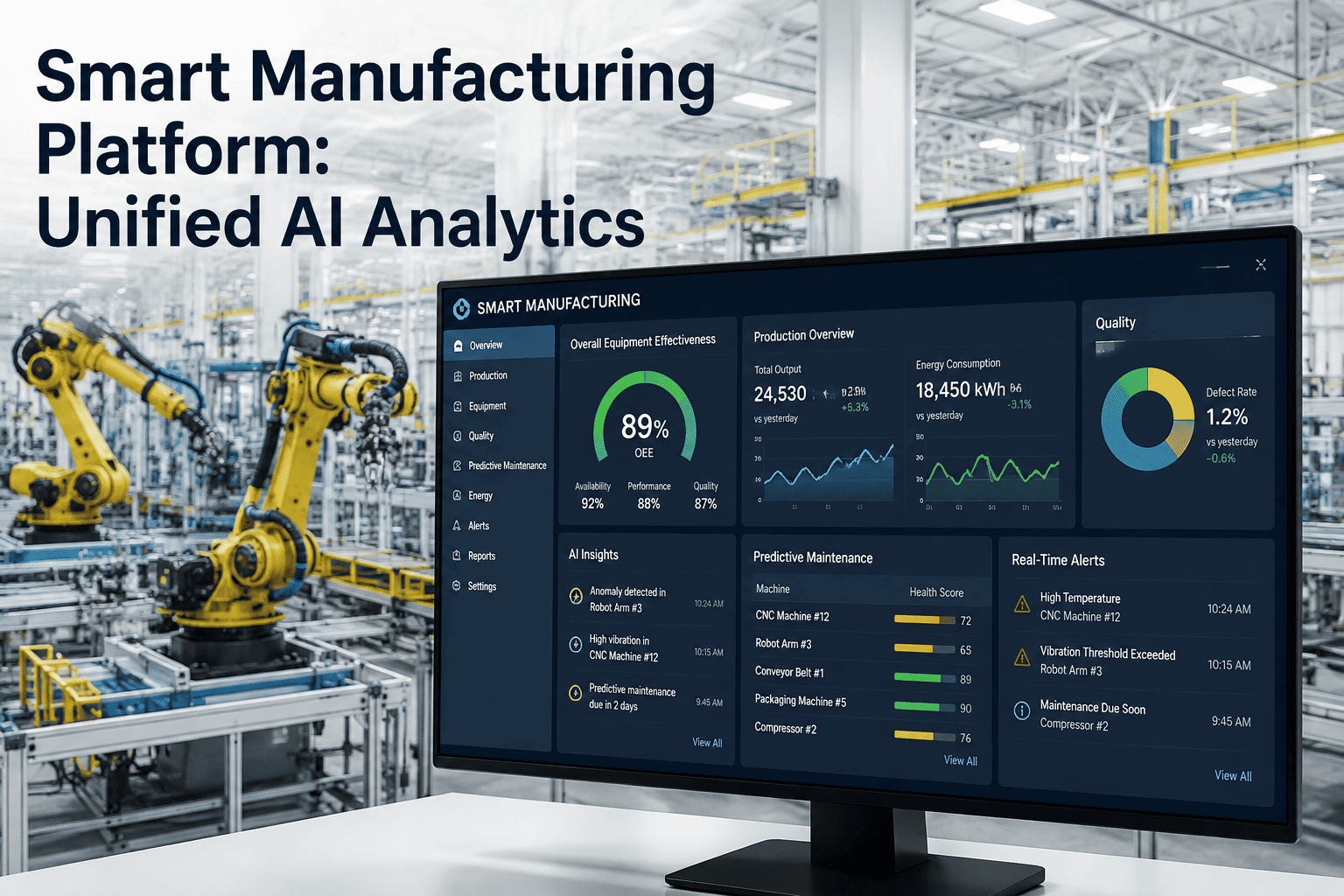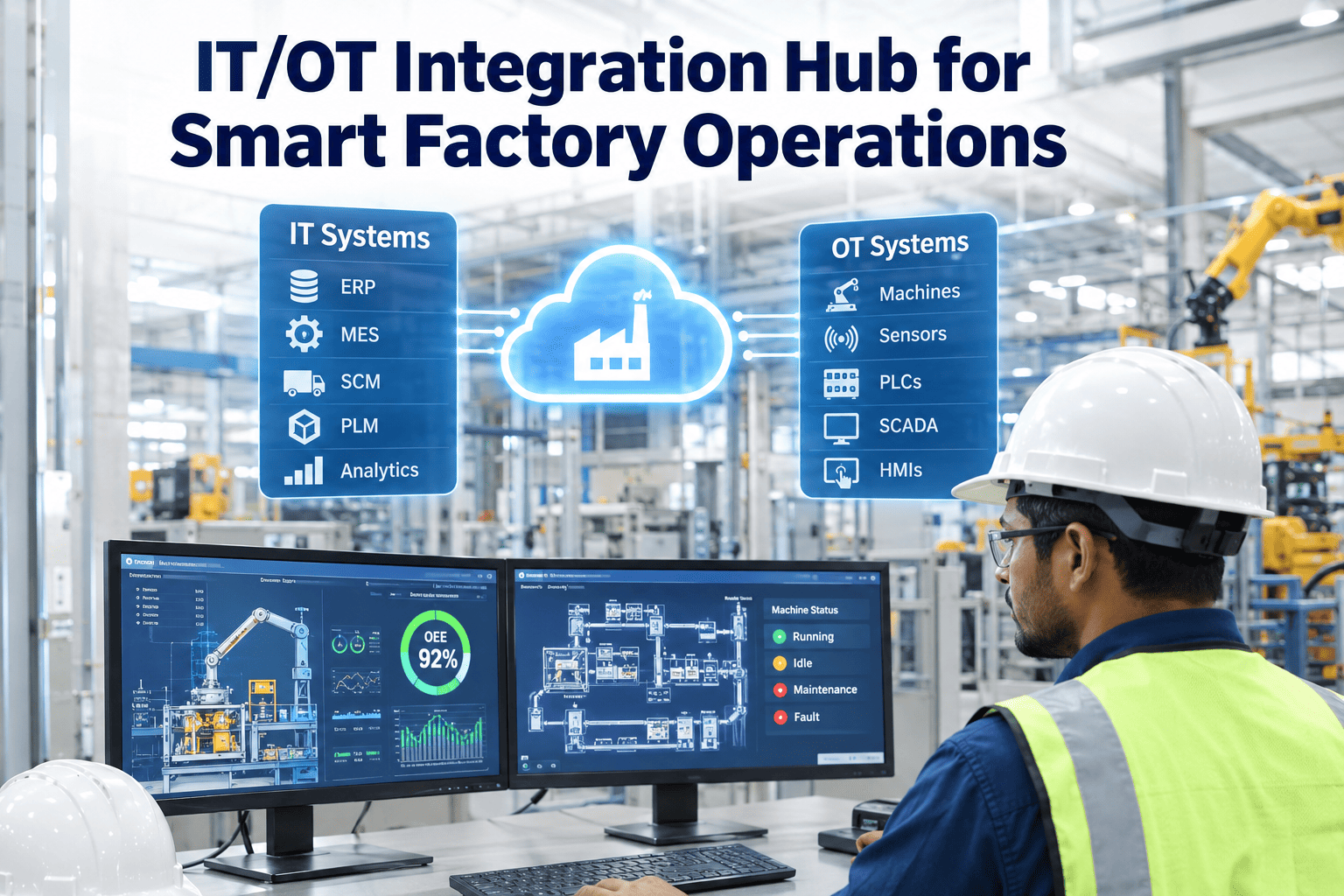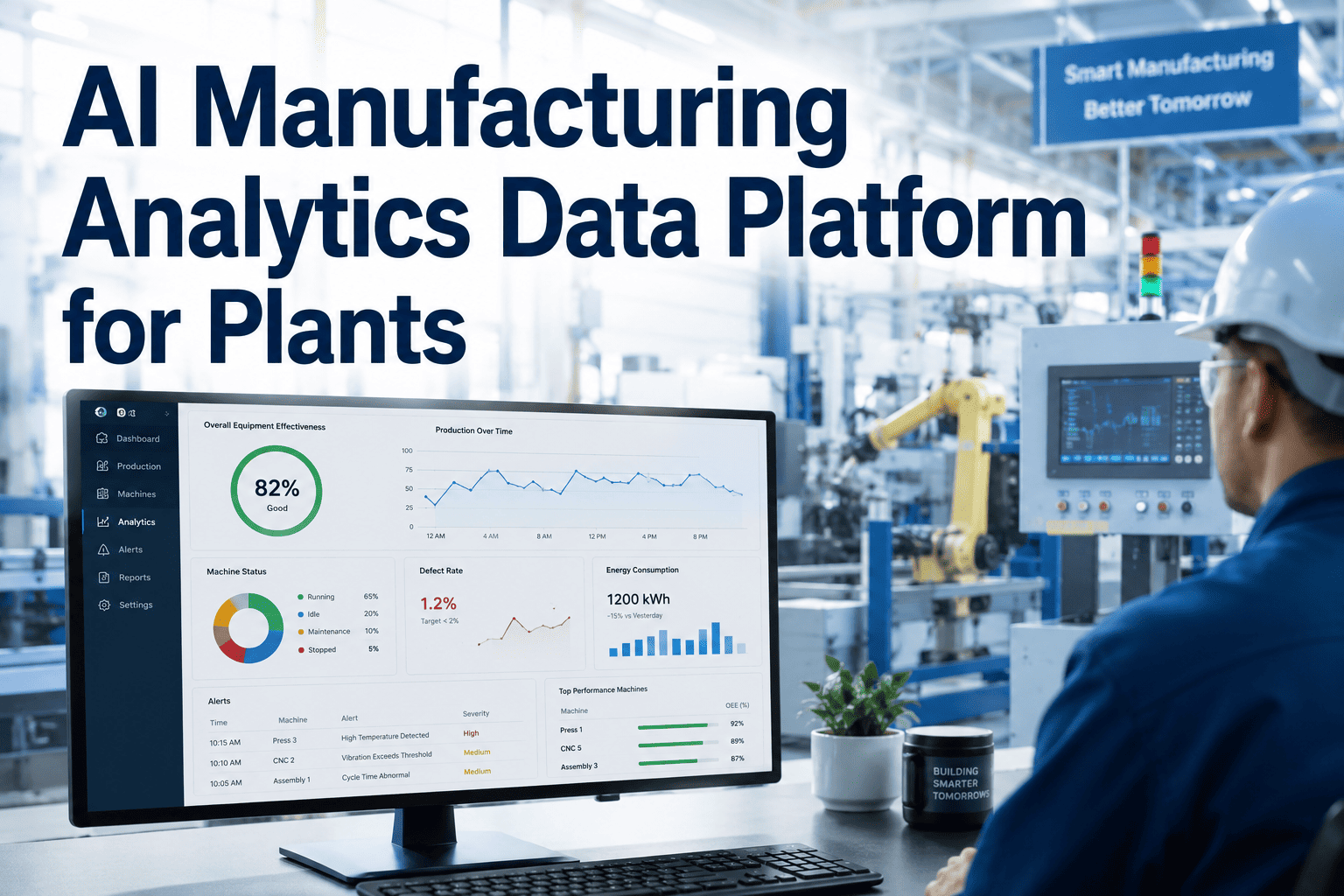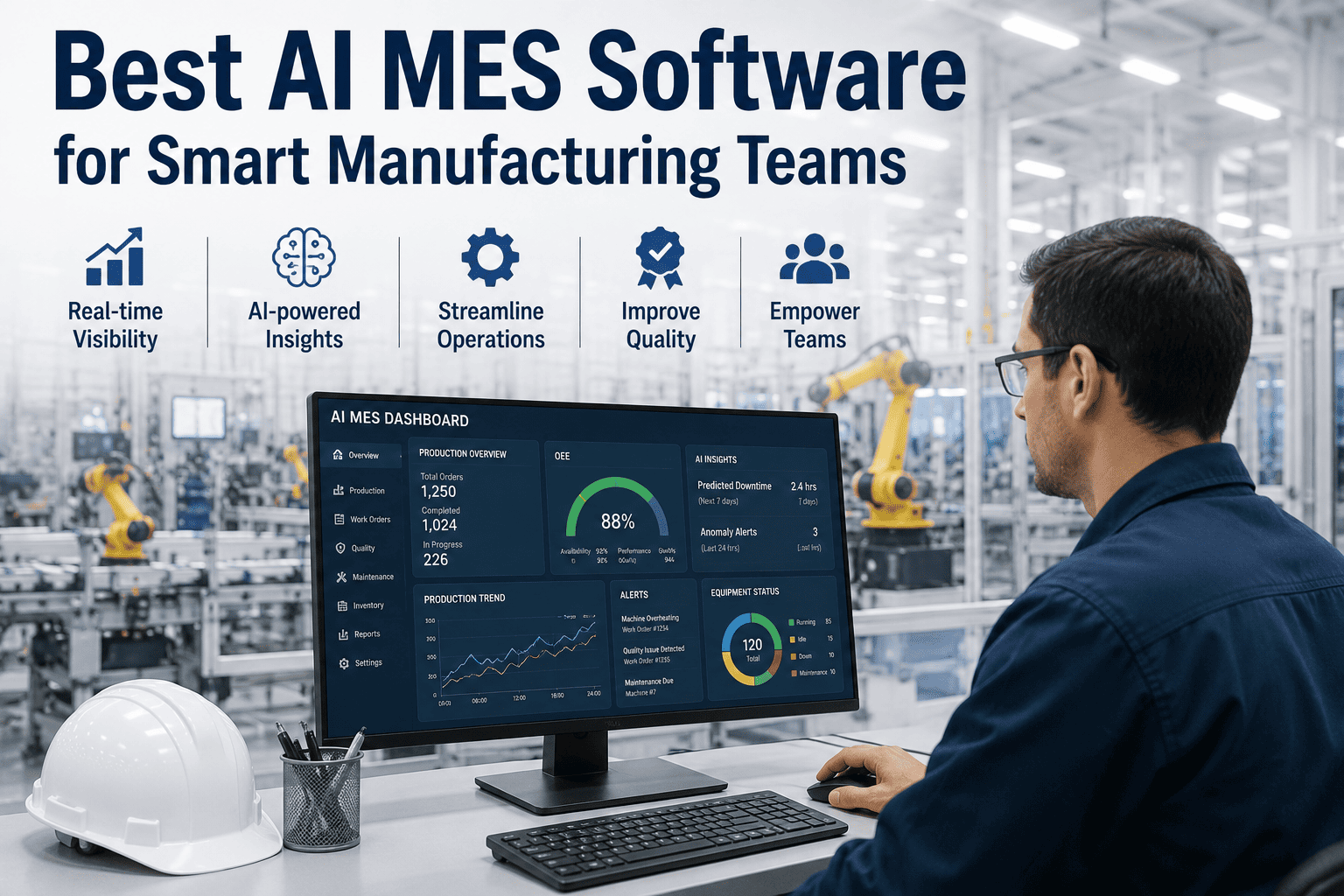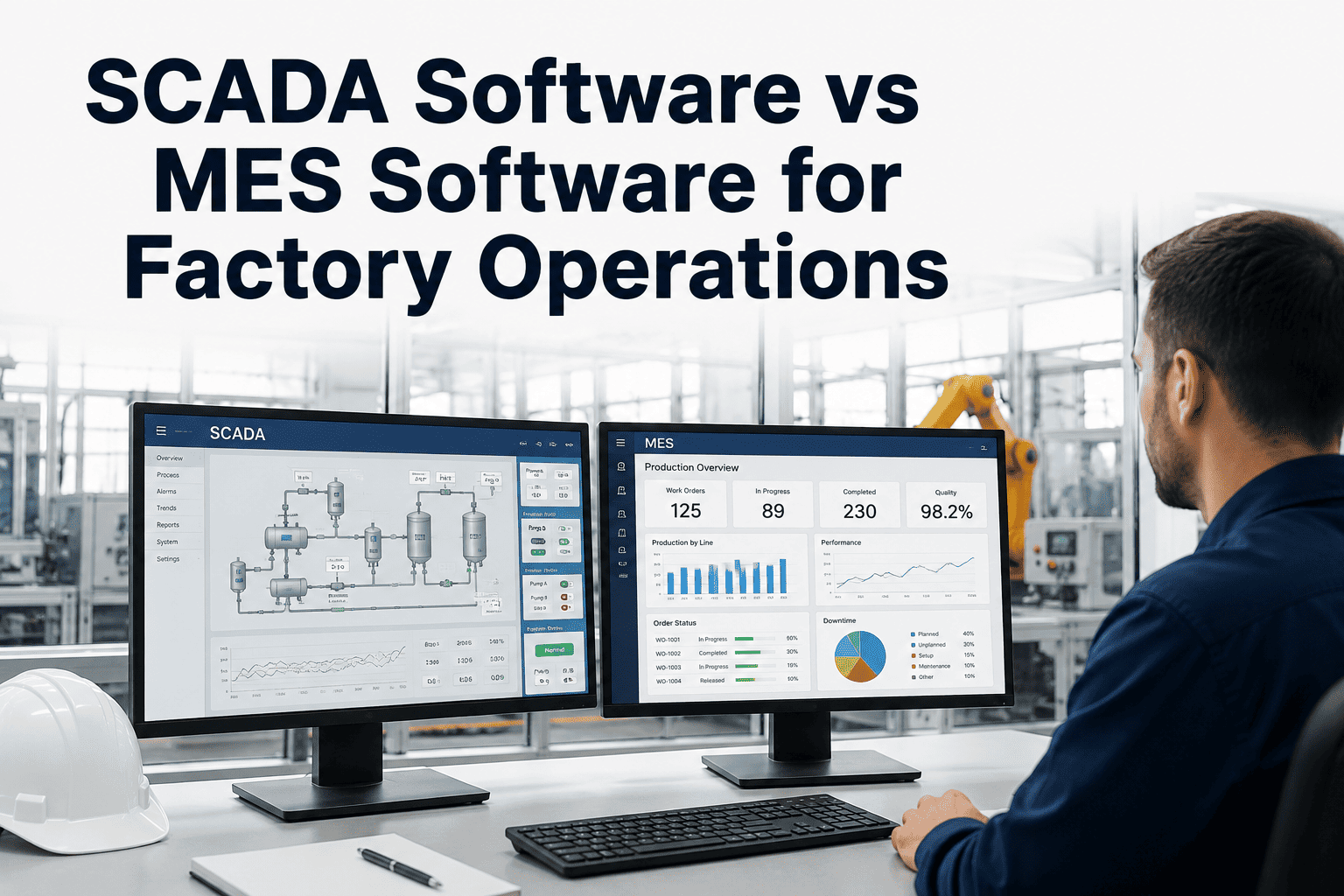
Manufacturing operations today demand seamless visibility from the shop floor to the top floor. SCADA (Supervisory Control and Data Acquisition) and MES (Manufacturing Execution Systems) are two critical software layers that serve distinct yet overlapping roles in factory automation. While SCADA excels in real-time data acquisition from sensors and PLCs, MES focuses on production execution, quality tracking, and workflow orchestration. For modern factories pursuing Industry 4.0, the line between these systems is blurring, and the need for integration has never been greater. iFactory bridges this gap by offering a unified platform that combines the strengths of both SCADA and MES, enabling manufacturers to monitor, analyze, and optimize operations in real time. This comparison will help you understand the differences, overlaps, and best practices for deploying these systems together. Book a Demo to see how iFactory can transform your factory data into actionable intelligence.
SCADA vs MES: A Side-by-Side Comparison
Understanding the core differences and synergies between SCADA and MES is essential for any smart factory initiative.
Ready to unify your factory data?
Get a live demo and see the difference.
Feature Comparison Table
| Feature | SCADA | MES | iFactory Unified |
|---|---|---|---|
| Real-time Data Acquisition | High | Low | High |
| Production Scheduling | Basic | Advanced | Advanced |
| Quality Management | None | Full | Full |
| Machine Monitoring | Excellent | Moderate | Excellent |
| Inventory Tracking | None | Yes | Yes |
| Alarm Management | Advanced | Basic | Advanced |
| Integration Capabilities | PLC/RTU | ERP/PLM | All |
| Industry 4.0 Readiness | Partial | Partial | Full |
Note: Ratings are based on typical standalone implementations. iFactory enhances both layers with AI and cloud connectivity.
SCADA: The Eyes of the Factory
SCADA systems are designed for high-speed data collection from sensors, PLCs, and RTUs. They provide real-time dashboards, alarm management, and historical trending. SCADA is ideal for continuous processes like oil & gas, water treatment, and power generation. However, SCADA lacks production management features like work orders, batch tracking, and quality checks. It is a monitoring tool, not a production execution system.
Modern SCADA platforms now include basic analytics and cloud connectivity, but they still fall short in managing complex manufacturing workflows. For discrete manufacturing, SCADA is often used alongside a separate MES to fill the gap.
MES: The Brain of the Factory
MES software manages and tracks work-in-progress on the shop floor. It handles production scheduling, quality assurance, genealogy, and performance analysis. MES is essential for regulated industries like pharmaceuticals, automotive, and food & beverage where traceability is mandatory. MES systems integrate with ERP for order management and with PLCs for machine data, but they often lack the high-frequency data acquisition capabilities of SCADA.
Many MES platforms now offer built-in dashboards, but they are not designed for sub-second data collection. This is why factories often run both SCADA and MES, leading to data silos and integration challenges.
Stop Managing Silos. Start Integrating.
Unify your SCADA and MES data with iFactory's AI-driven platform. Get real-time visibility and control.
Roadmap to Unified Factory Operations
Assess Current Systems
Map out your existing SCADA and MES deployments. Identify data gaps, integration points, and manual processes that can be automated.
Define Integration Goals
Set clear KPIs: reduce downtime by 20%, improve OEE by 15%, or enable real-time traceability. Align goals with business outcomes.
Select a Unified Platform
Choose a solution like iFactory that natively supports SCADA data ingestion and MES functionality. Avoid point-to-point integrations.
Pilot and Scale
Start with one production line or cell. Validate the integration, train operators, and then roll out across the factory.
Key Benefits of SCADA-MES Integration
Real-Time Production Visibility
Combine SCADA's high-speed data with MES's contextual information. See exactly what is happening on every machine, in every order, at any moment.
Automated Quality Checks
Trigger quality inspections based on real-time process parameters. If a temperature deviates, automatically hold the batch and notify the QC team.
Predictive Maintenance
Use historical SCADA data and MES production records to train AI models that predict equipment failures before they cause downtime.
End-to-End Traceability
Track every product from raw material to shipment, with time-stamped data from both SCADA sensors and MES work orders.
Energy Optimization
Monitor energy consumption per product unit using SCADA power meters and MES production counts. Identify waste and reduce costs.
Compliance Reporting
Automatically generate audit-ready reports by merging SCADA logs with MES quality data. Reduce manual effort and errors.
Frequently Asked Questions
Can SCADA replace MES in a factory?
No, SCADA and MES serve different purposes. SCADA is designed for real-time monitoring and control of industrial processes, while MES focuses on production execution, quality management, and traceability. Replacing MES with SCADA would leave gaps in work order management, genealogy, and compliance. However, a unified platform like iFactory can integrate both, giving you the best of both worlds without the complexity of maintaining separate systems. Book a Demo to see how iFactory bridges this gap effectively.
What are the main challenges of integrating SCADA and MES?
The primary challenges include data format differences, network security concerns, and the complexity of synchronizing real-time data with transactional records. Many factories also face vendor lock-in, where SCADA and MES come from different providers with incompatible APIs. iFactory addresses these issues with pre-built connectors, edge computing capabilities, and a unified data model that simplifies integration. Our platform ensures that data flows seamlessly from sensors to dashboards to ERP systems. For more details, visit our Support page.
How does iFactory handle real-time data from SCADA?
iFactory uses an edge gateway that connects directly to PLCs, RTUs, and SCADA servers via industry-standard protocols like OPC UA, Modbus, and MQTT. The data is processed locally for low-latency responses and then streamed to the cloud for analytics and long-term storage. This hybrid architecture ensures that your factory never loses visibility even if the internet goes down. iFactory also supports historical data import from existing SCADA historians, enabling trend analysis and AI model training. Book a Demo to see the architecture in action.
What is the cost difference between SCADA and MES?
SCADA systems typically have lower upfront costs but higher per-device licensing fees, especially for large numbers of tags. MES software is usually more expensive due to its broader functionality and integration requirements. However, running both separately doubles the total cost of ownership when considering maintenance, training, and integration. iFactory offers a cost-effective unified subscription model that covers both SCADA and MES capabilities, reducing overall IT spend by up to 40%. Contact our Support team for a customized quote.
How long does it take to implement iFactory for SCADA-MES integration?
Implementation time varies based on factory complexity, but most pilots are up and running within 4-6 weeks. The process includes edge gateway installation, data mapping, dashboard configuration, and user training. iFactory's low-code interface allows your team to customize workflows without heavy programming. Full factory rollout typically takes 3-6 months, depending on the number of production lines and systems to integrate. Book a Demo to discuss your specific timeline.
Ready to Modernize Your Factory Operations?
Stop juggling separate SCADA and MES systems. Unify your data, automate workflows, and achieve true Industry 4.0 with iFactory.