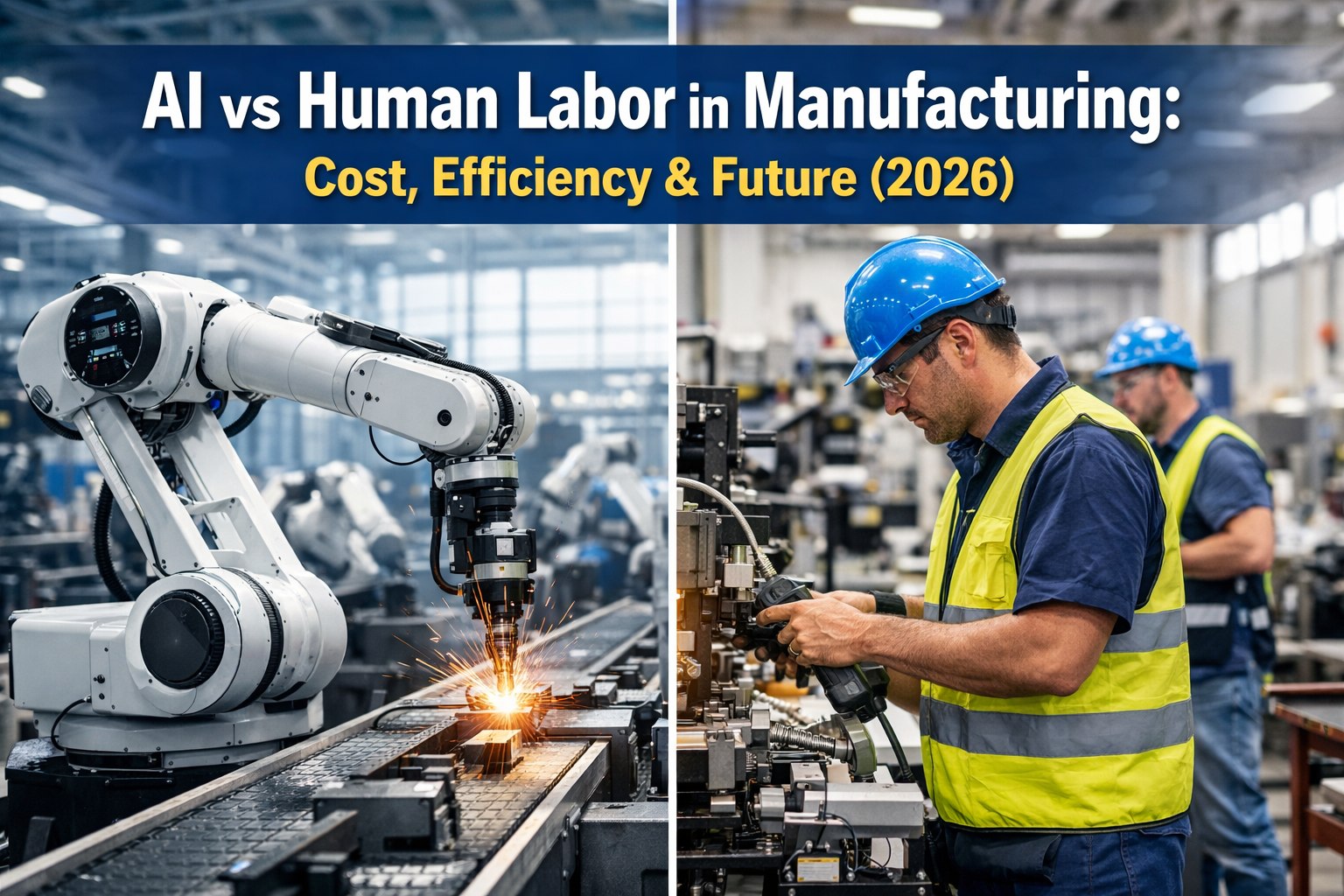
Building a brand-new industrial facility from scratch should be a strategic advantage, yet most greenfield projects face severe delays, cost overruns, and operational surprises. With average cost overruns near 30% and over 92% of large capital projects missing their original targets, early risk intelligence has become essential for success. AI-powered insights now help manufacturers predict, and prevent these challenges before they impact timelines and budgets.
Risk Insights for Greenfield Success
Top Challenges in Greenfield Projects and How to Solve Them
From hidden cost overruns to regulatory delays and ramp-up failures — discover the six biggest greenfield risks and proven AI strategies that keep projects on time, on budget, and performing from day one.
30%
Average cost overrun in greenfield projects
92%+
Of large capital projects miss targets
25–40%
Risk reduction with AI planning
Real-Time
Predictive visibility across all project phases
Sources: McKinsey · BCG · Accenture · Construction Industry Institute · 2025–2026 reports
Why Greenfield Projects Are Riskier Than They Appear
A greenfield project offers a clean slate for modern technology and optimized processes. However, without proactive risk management, common challenges like material volatility, labor shortages, and integration failures can quickly turn a promising project into a costly delay.
1. Cost Overruns
Material & Labor Volatility
Fluctuating raw material prices and skilled labor shortages drive unexpected budget increases throughout the project lifecycle.
2–6. Operational & Execution Risks
Schedule Delays
Weather, permitting delays, and supply chain bottlenecks often push timelines by months.
Regulatory & Permitting Issues
Complex environmental and safety approvals can stall projects for 6–18 months in many regions.
Labor & Talent Shortages
Shortage of experienced engineers, welders, and technicians slows construction and raises costs.
Supply Chain Disruptions
Long-lead equipment and global logistics issues frequently cause cascading delays.
Technology Integration Failures
Poor compatibility between new automation systems and existing infrastructure leads to costly rework.
Traditional Planning vs AI-Powered Risk Management
Legacy approaches rely on static plans and manual tracking. AI transforms greenfield execution by providing predictive insights, dynamic simulations, and automated risk mitigation throughout the project lifecycle.
Traditional Method
Static Gantt charts
Reactive problem solving
Manual risk registers
Periodic progress reports
Post-launch surprises
AI-Powered Approach
Dynamic digital twin modeling
Predictive risk alerts
Automated what-if scenarios
Real-time visibility dashboard
Optimized ramp-up from day one
Proven Results with AI Risk Intelligence
Manufacturers using AI-driven risk management in greenfield projects are achieving significant improvements in cost control, timeline adherence, and operational readiness.
25–40%
Reduction in Cost Overruns
Through predictive modeling and early intervention
20–35%
Faster Project Completion
With real-time schedule optimization
30–50%
Better Ramp-Up Performance
By integrating condition monitoring from commissioning
Under 12 Months
Typical ROI Timeline
Many projects recover investment during construction
The Intelligent Execution Loop for Greenfield Projects
Successful greenfield delivery follows a continuous intelligence loop that minimizes risk at every stage — from planning through full production ramp-up.
1
Plan
Build digital twins and run AI scenario simulations before construction begins.
2
Predict
AI continuously monitors emerging risks in supply chain, labor, permitting, and integration.
3
Mitigate
Receive automated alerts and precise recommendations to prevent issues from escalating.
4
Optimize
Embed predictive maintenance and production loss analysis from day one for faster, higher OEE ramp-up.
Industries That Benefit Most
Complex, high-capital greenfield projects gain the greatest advantage from AI-powered risk intelligence.
Automotive & EV
Complex automation and high-speed lines make integration and ramp-up risks especially critical.
Pharmaceuticals
Strict regulatory requirements amplify permitting and validation challenges.
Food & Beverage
Tight timelines and hygiene standards leave little margin for labor or supply disruptions.
Semiconductors
Massive capital investment and long-lead equipment demand precise risk prediction.
Planning a greenfield project? Book a free Greenfield Risk Assessment and get a customized report highlighting your top risks with mitigation strategies.
Frequently Asked Questions
What are the most common reasons greenfield projects fail?
The primary causes include cost overruns, schedule delays, regulatory hurdles, labor shortages, and technology integration failures. AI risk tools significantly reduce these issues when implemented early.
When should AI risk intelligence be introduced?
The best outcomes occur when digital twins and predictive analytics are used during conceptual design and FEED stages, well before construction starts.
Does this integrate with existing EPC contractors?
Yes. It works alongside your current project management systems and EPC partners, providing an independent intelligent risk layer.
Turn Uncertainty Into Confidence
Your Greenfield Project Deserves Predictable Success
With iFactory’s AI-powered risk intelligence, gain early visibility, faster decision-making, and a smoother path from groundbreaking to full-scale production.
25–40%
Typical reduction in cost overruns
92%
Of projects benefit from early AI planning
Weeks
To first actionable insights