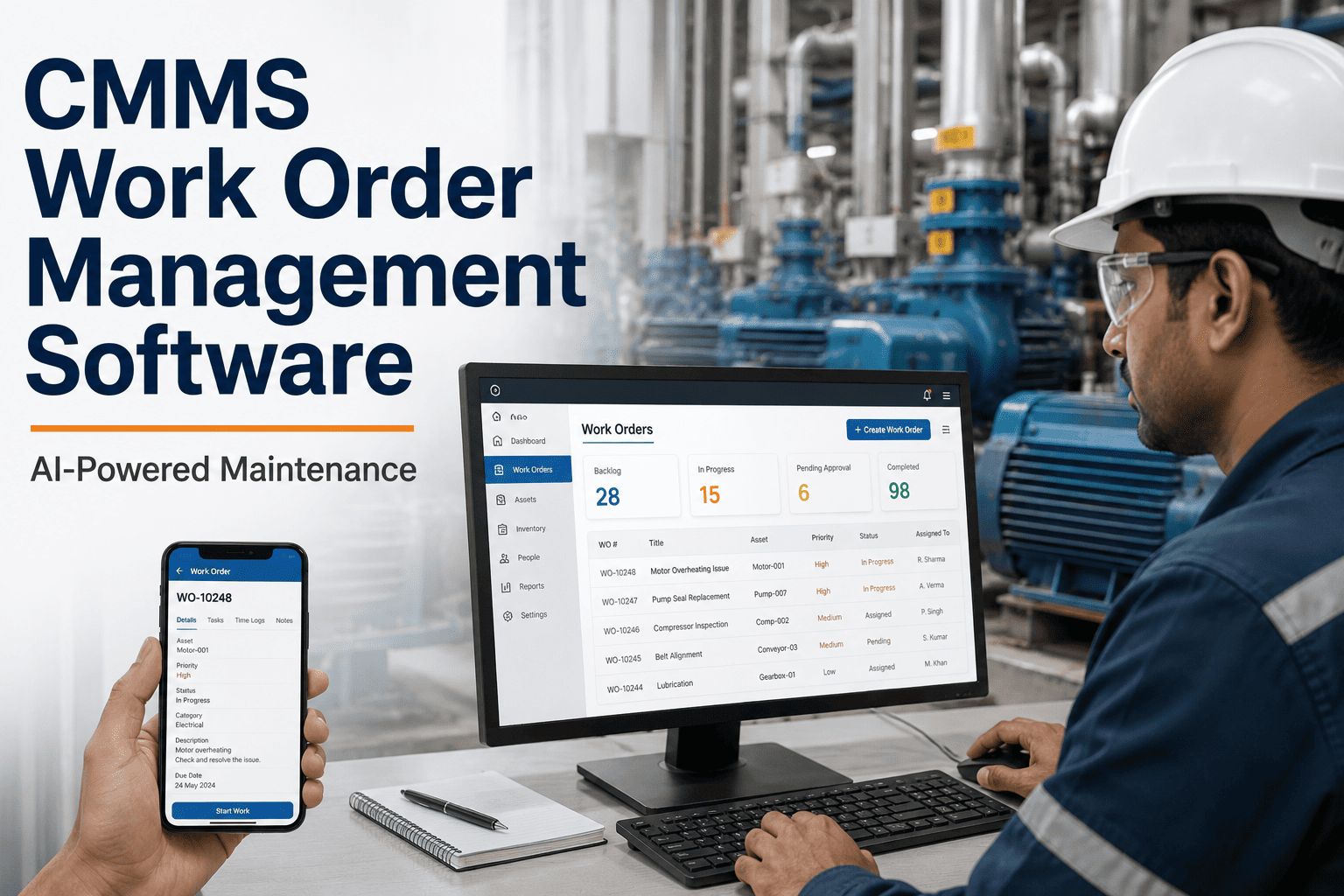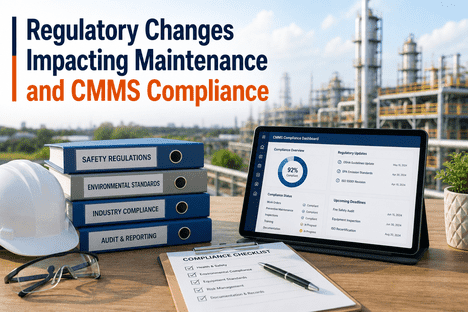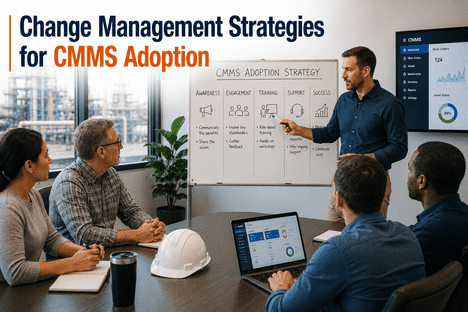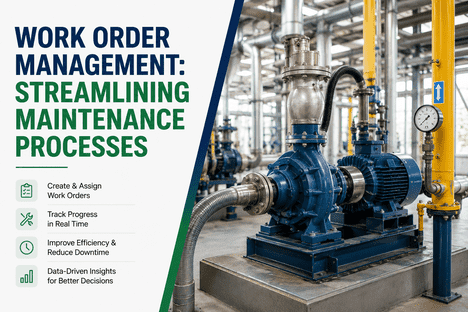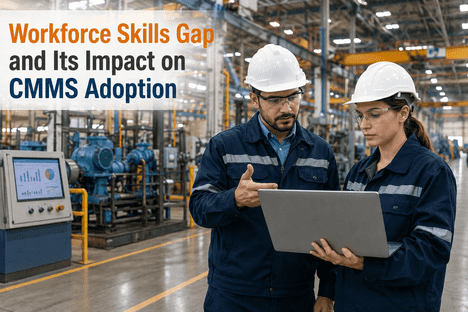
The widening workforce skills gap in industrial maintenance is creating a hidden bottleneck for Computerized Maintenance Management System adoption. As experienced technicians retire at an accelerating rate, taking decades of equipment-specific knowledge with them, facilities across oil and gas, manufacturing, and process industries find themselves unable to extract the full value from their CMMS investments — not because the technology is lacking, but because the human expertise required to operate it effectively is disappearing. When veteran maintenance personnel who instinctively understand equipment behavior, failure patterns, and optimal intervention timing are replaced by a less experienced workforce, CMMS modules for work order management, preventive maintenance scheduling, and predictive analytics remain underutilized or configured incorrectly. The result is a costly paradox: organizations invest heavily in CMMS platforms to reduce reliance on tribal knowledge, yet the skills gap prevents them from achieving the adoption rates necessary to realize any return. iFactory addresses this challenge at its root by combining AI-powered computer vision with automated data capture, reducing the dependency on specialized manual skills and enabling a less experienced workforce to operate at the competency level of seasoned veterans.
Close Your Maintenance Skills Gap with AI
iFactory AI Vision Camera automates visual inspections and data capture, enabling your team to maximize CMMS value regardless of experience level. Start closing the skills gap today.
Workforce Skills Gap and Its Impact on CMMS Adoption: The Hidden Cost of Tribal Knowledge Attrition
A technical analysis of how the retiring industrial workforce undermines Computerized Maintenance Management System ROI — and how AI-powered visual inspection and automated data capture restore maintenance excellence without requiring years of experience. Book a Demo to see iFactory in action across industrial asset classes.
Six Ways the Workforce Skills Gap Undermines CMMS Adoption — and Your Maintenance Budget
When experienced maintenance professionals retire, they take with them the tacit knowledge that makes a CMMS effective — knowledge of equipment quirks, optimal inspection routes, and early failure indicators that no software can replace on its own. iFactory closes that gap with AI Vision Camera technology that captures asset condition data automatically and translates it into actionable CMMS work orders, independent of operator experience level. You can Book a Demo to see how this approach works across your specific asset classes.
Aging Workforce Knowledge Loss
Experienced technicians retiring at record rates take equipment-specific failure mode knowledge with them. CMMS databases become incomplete or inaccurate when new staff lack the expertise to document observations correctly — rendering the system's predictive insights unreliable.
Low CMMS Utilization Rates
Facilities with significant skills gaps see CMMS utilization drop below 35% within two years of key personnel departures. Technicians revert to paper-based or verbal work order systems because they lack the digital literacy or equipment knowledge to navigate the CMMS effectively.
Inaccurate Work Order Data
Incomplete or incorrect data entry cascades into failed preventive maintenance schedules, misplaced priority allocations, and unreliable asset history records. The CMMS becomes a source of misinformation rather than a decision support tool — eroding trust across the maintenance organization.
Resistance to Digital Transformation
Less experienced workers who lack confidence in their equipment knowledge often resist CMMS enforcement, seeing digital tracking as a surveillance mechanism rather than a productivity enabler. Adoption stalls when training cannot compensate for missing foundational expertise.
Extended Ramp-Up Timelines
New maintenance hires take 18–24 months to reach full CMMS proficiency in complex facilities. During this window, work order backlogs grow, preventive maintenance compliance falls behind schedule, and asset reliability degrades measurably — directly increasing operating costs.
Reduced Predictive Maintenance Capability
Predictive maintenance modules require accurate baseline data and consistent observation inputs to train machine learning models. Without experienced personnel feeding high-quality data, predictive algorithms produce false alerts or miss genuine failure signals — destroying confidence in the system.
Traditional CMMS Adoption vs. iFactory AI-Enhanced Approach: Key Benchmarks
Moving from skills-dependent manual CMMS operation to AI-automated data capture and work order generation produces measurable improvements across the metrics that define maintenance excellence in industrial facilities. Book a Demo to learn how your facility compares.
| KPI | Traditional CMMS Operation | iFactory AI-Enhanced | Improvement |
|---|---|---|---|
| CMMS Utilization Rate | 35–50% | 85–94% | ~2x improvement |
| Work Order Accuracy | ~45% (manual entry) | 92–97% (AI-captured) | 2x improvement |
| New Hire Ramp-Up Time | 18–24 months | 4–6 weeks | 90% reduction |
| PM Compliance Rate | 55–65% | 90–98% | ~50% increase |
| Maintenance Cost per Asset | $8,200–$11,500/yr | $4,100–$5,800/yr | ~48% reduction |
iFactory AI Vision Camera: Four Intelligence Layers That Eliminate the Skills Dependency in CMMS Adoption
iFactory does not require your workforce to become CMMS experts overnight. Instead, it uses AI-powered computer vision to automate the data capture and analysis that previously demanded years of equipment-specific experience. Maintenance teams that Book a Demo typically see work order accuracy improve within the first two weeks of deployment.
AI Vision Camera — Automated Visual Inspection
iFactory's AI Vision Camera continuously captures and analyzes visual data from gauges, dials, valve positions, equipment surfaces, and leak indicators — eliminating the need for experienced technicians to perform manual rounds. The system detects anomalies, reads analog and digital displays, and logs observations directly into the CMMS with timestamped photographic evidence.
Intelligent Data Capture and Asset Fingerprinting
The system learns the normal visual state of every monitored asset — compressor oil levels, pump seal conditions, pressure gauge ranges, belt tension indicators — and builds a unique visual fingerprint. Any deviation from the expected state generates a structured data packet that feeds directly into your CMMS work order system.
Automated Work Order Generation and Prioritization
Visual anomalies detected by the AI camera are automatically translated into standardized CMMS work orders with correct priority levels, asset IDs, failure mode codes, and recommended actions. The system follows your existing maintenance taxonomy — so work orders arrive in the CMMS ready for assignment, regardless of who captured the observation.
Skills-Independent Maintenance Execution
New technicians follow AI-guided inspection workflows displayed on mobile devices, with the AI Vision Camera verifying each step has been completed correctly. The system provides real-time feedback, reducing the need for shadowing by senior personnel and accelerating ramp-up from 18 months to 4–6 weeks.
Stop Losing CMMS Value to the Skills Gap
iFactory AI Vision Camera connects to your existing CMMS in weeks — no infrastructure overhaul required. Empower every technician to perform at expert level from day one.
From Deployment to Skills Independence: iFactory's 5-Week Program
iFactory follows a structured, five-week deployment program designed to minimize disruption while maximizing CMMS adoption improvement. Facilities completing the program report average work order accuracy improvement of 45% and CMMS utilization rate increase from under 40% to over 85% within the first month of operation.
AI Vision Camera Installation and CMMS Integration
iFactory AI Vision Cameras are installed at priority asset locations — compressor decks, pump stations, separator units, and critical utility systems. The cameras integrate with your existing CMMS via standard API connectors. No operational shutdown is required.
Visual Fingerprinting and Baseline Establishment
AI models learn the normal visual state of each monitored asset — gauge ranges, equipment surfaces, fluid levels, valve positions. Initial anomaly detection models are validated against your maintenance team's known equipment states.
Automated Work Order Generation Activates
The system begins generating structured CMMS work orders from visual anomaly data. Your maintenance team receives prioritized, pre-populated work orders complete with asset IDs, failure codes, and photographic evidence. CMMS utilization rates begin rising immediately.
Full Skills-Independent Operation
Complete AI Vision ecosystem is operational — including automated inspections, data capture, work order generation, and mobile-guided workflows. Your team is fully trained and capable of maintaining expert-level CMMS accuracy regardless of individual experience levels.
"iFactory's AI Vision Camera completely changed our relationship with the CMMS. We lost our two most experienced maintenance technicians to retirement in the same quarter, and our CMMS utilization dropped to 28%. Within five weeks of deploying iFactory's cameras, our work order accuracy hit 94%, our PM compliance rate went from 58% to 92%, and our new hires were operating at expert proficiency in under a month. The skills gap went from our biggest risk to a non-issue."
The Skills Gap Is Not Going Away — But the Dependency on Manual Skills Can
The workforce skills gap in industrial maintenance is structural, not cyclical. As experienced technicians continue to retire and the talent pipeline remains constrained, facilities cannot rely on hiring their way out of the problem. The only sustainable solution is to reduce the dependency of CMMS adoption on individual operator expertise — and that is exactly what iFactory delivers. By combining AI-powered computer vision with automated data capture and work order generation, iFactory enables industrial facilities to maintain expert-level CMMS accuracy, PM compliance, and asset reliability regardless of who is performing the inspection. The result is a maintenance operation that runs at peak efficiency even as the workforce turns over — delivering consistent, data-backed maintenance excellence without requiring years of tribal knowledge. Facilities looking to future-proof their maintenance operations against the skills gap should Book a Demo to see how iFactory's AI Vision Camera integrates with their existing CMMS and asset base.
Frequently Asked Questions
Q: How does the workforce skills gap specifically affect CMMS adoption?
The skills gap reduces CMMS adoption because effective CMMS operation requires consistent, accurate data entry and equipment knowledge that less experienced workers often lack. Without experienced personnel, work order data quality degrades, PM schedules are missed, and the system loses credibility — leading to abandonment of the CMMS in favor of informal methods.
Q: How does iFactory AI Vision Camera improve CMMS adoption without requiring experienced staff?
iFactory automates the data capture and work order generation process entirely — the AI Vision Camera reads gauges, detects anomalies, and logs structured observations directly into your CMMS. Technicians do not need to know what to look for or how to document it; the system handles both, and the CMMS receives accurate, standardized inputs automatically.
Q: Can iFactory AI Vision Camera integrate with our existing CMMS platform?
Yes — iFactory integrates with all major CMMS platforms via standard API connectors, including SAP, IBM Maximo, Infor, Fiix, Maintenance Connection, and custom-built systems. Integration is typically completed within one to two weeks without disrupting existing workflows.
Q: How quickly does the AI Vision Camera learn our equipment's normal visual state?
The visual fingerprinting process completes within the first 21 days of operation, after which the system begins generating validated anomaly alerts and automated work orders. Accuracy continues to improve as more data is collected, reaching 92–97% within the first 60 days.
Q: What is the typical ROI timeline for iFactory AI Vision Camera deployment?
Most facilities achieve full platform cost recovery within 4–6 months through improved CMMS utilization, reduced rework costs, higher PM compliance rates, and accelerated new hire ramp-up. The reduction in skills-gap-related maintenance failures alone typically delivers measurable ROI within the first quarter of deployment.
Q: Can iFactory operate in remote or hazardous industrial environments?
Yes — iFactory AI Vision Cameras are rated for hazardous area installations and support both wired and wireless connectivity including satellite backhaul for remote wellheads, offshore platforms, and pipeline stations. Edge processing ensures continuous operation even with intermittent network connectivity.
Future-Proof Your Maintenance Operation Against the Skills Gap
Speak with an iFactory maintenance technology specialist today. Get a site-specific assessment of your CMMS adoption gaps and a clear deployment roadmap — no obligation, no pressure.