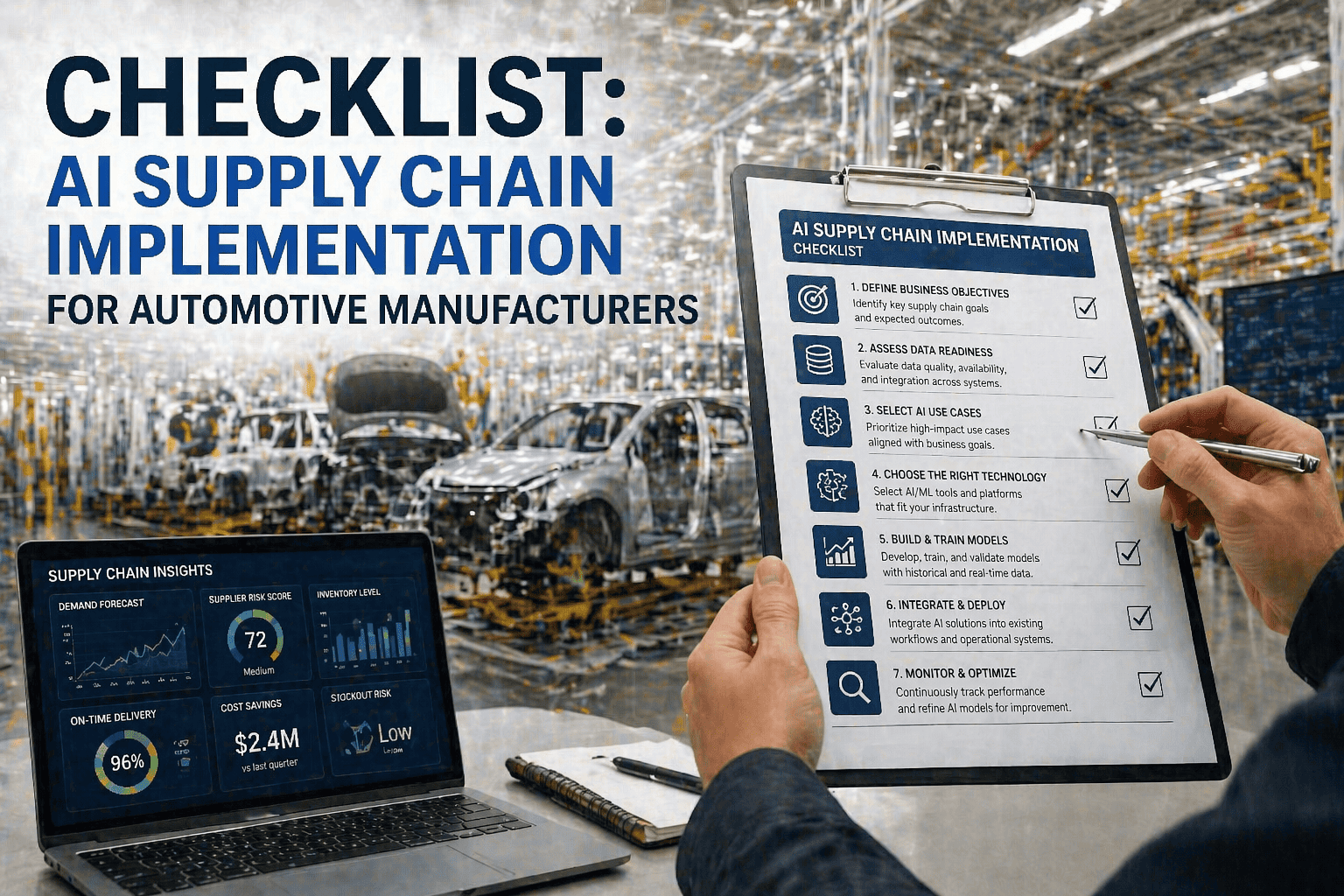
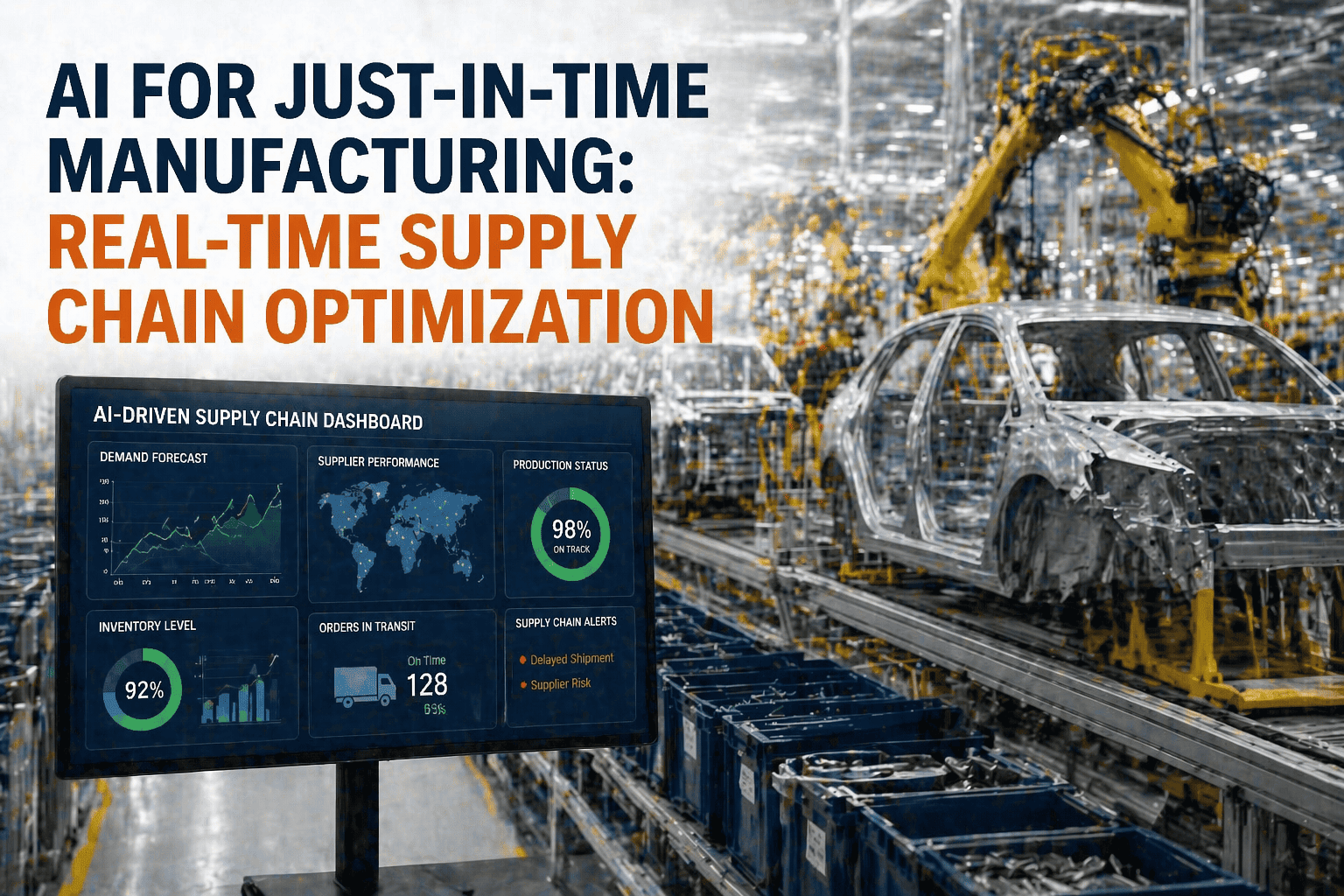
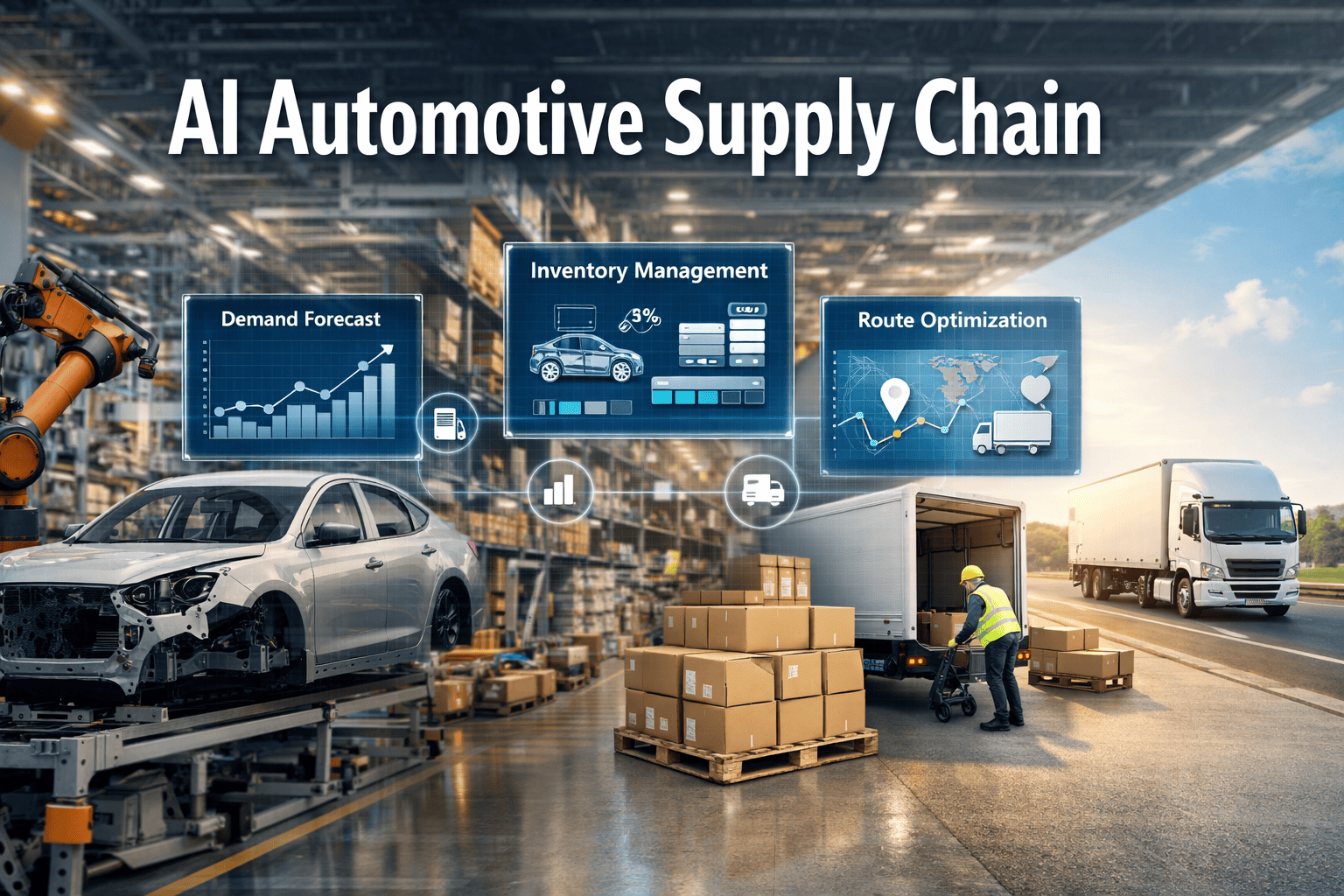
Automotive manufacturers spend 50-70% of revenue on procurement across raw materials, components, and supplier services while managing thousands of supplier relationships with inconsistent performance metrics and opaque pricing. Manual procurement processes, disconnected supplier data, and reactive sourcing decisions waste 8-15% of procurement budget annually through suboptimal negotiations, redundant orders, and missed consolidation opportunities. A typical tier-1 automotive supplier managing $2B annual procurement leaves $160M-$300M on the table to cost reduction opportunities. By the time procurement teams conduct annual supplier reviews, dozens of contracts have already expired at higher renewal costs and competitive advantages have been missed. iFactory's AI-powered procurement optimization platform detects supplier performance degradation, predicts cost escalation risks 6-12 weeks ahead, optimizes component sourcing across competing suppliers, and integrates with ERP systems to reduce procurement costs by 8-18% while improving supplier performance and delivery reliability. Predict Failures Before They Stop Production. Book a Demo to see how iFactory reduces procurement costs and optimizes supplier performance across your automotive supply chain.
Procurement Optimization Guide
How AI detects supplier risk, optimizes sourcing decisions, and reduces procurement costs in automotive manufacturing
14 min read
Procurement Cost Crisis in Automotive Manufacturing
50-70%
Of total automotive manufacturer revenue spent on procurement — 8-15% wasted to manual processes and suboptimal supplier selection
$160M-$300M
Annual cost reduction opportunity for $2B procurement spend — left on table through price negotiation gaps and supplier consolidation
3.2x
Price variance for identical components across supplier base — caused by disconnected negotiations and lack of cross-functional visibility
18%
Procurement cost reduction achievable through AI optimization, supplier consolidation, and predictive contract renewal management
Quick Answer
AI-powered procurement optimization detects supplier performance gaps, predicts price escalation risks, identifies consolidation opportunities, and optimizes component sourcing across competing suppliers. Connects to Your Existing SCADA/PLC Systems. In 2026, effective procurement management requires real-time supplier performance monitoring, dynamic price benchmarking aligned to market conditions, predictive contract renewal alerts, and integrated demand planning. AI integrates with ERP systems to identify 5-12% procurement savings opportunities that manual quarterly reviews cannot detect until contracts expire at higher renewal costs.
Five Critical Procurement Cost Drivers in Automotive
These represent systemic inefficiencies across raw material sourcing, component procurement, and supplier management. Procurement costs compound across thousands of purchase orders annually. Without continuous real-time supplier performance monitoring and price benchmarking, cost drift occurs undetected until annual contract reviews reveal suppliers have increased prices 5-12% since last negotiation. iFactory's AI platform identifies each cost driver with precision and quantifies specific savings opportunity before supplier renewals approach deadline.
01
Fragmented Supplier Negotiations and Price Variance
Automotive manufacturers source identical components from multiple suppliers without cross-functional visibility into negotiated pricing. Plant A pays $18 per unit while Plant B pays $24 for the same component from different divisions of the same supplier. Disconnected negotiations result in 3-4x price variance for commodity items. Procurement teams lack consolidated visibility into total supplier spend and comparative pricing. One automotive OEM with $4B annual spend identified $180M consolidation opportunity when AI revealed duplicate suppliers delivering identical specifications at 30-40% price variance.
02
Undetected Supplier Cost Escalation and Price Drift
Suppliers increase prices 2-4% annually beyond inflation through material surcharges, minimum order quantity increases, and volume discounts expiring without renegotiation. These escalations appear normal in monthly invoices and remain undetected until annual reviews when contracts are already locked. By the time procurement identifies the issue, renewing at competitive rates becomes difficult. AI detects price trends and predicts escalation 6-12 weeks before contract expiry, enabling proactive renegotiation and competitive bidding before cost increases lock in.
03
Supplier Performance Degradation
Suppliers with declining delivery, quality defects, or rising lead times continue receiving volume at original allocations. Real-time monitoring enables dynamic reallocation to best performers, reducing expedited freight 3-7% annually.
04
Inefficient Demand Forecasting
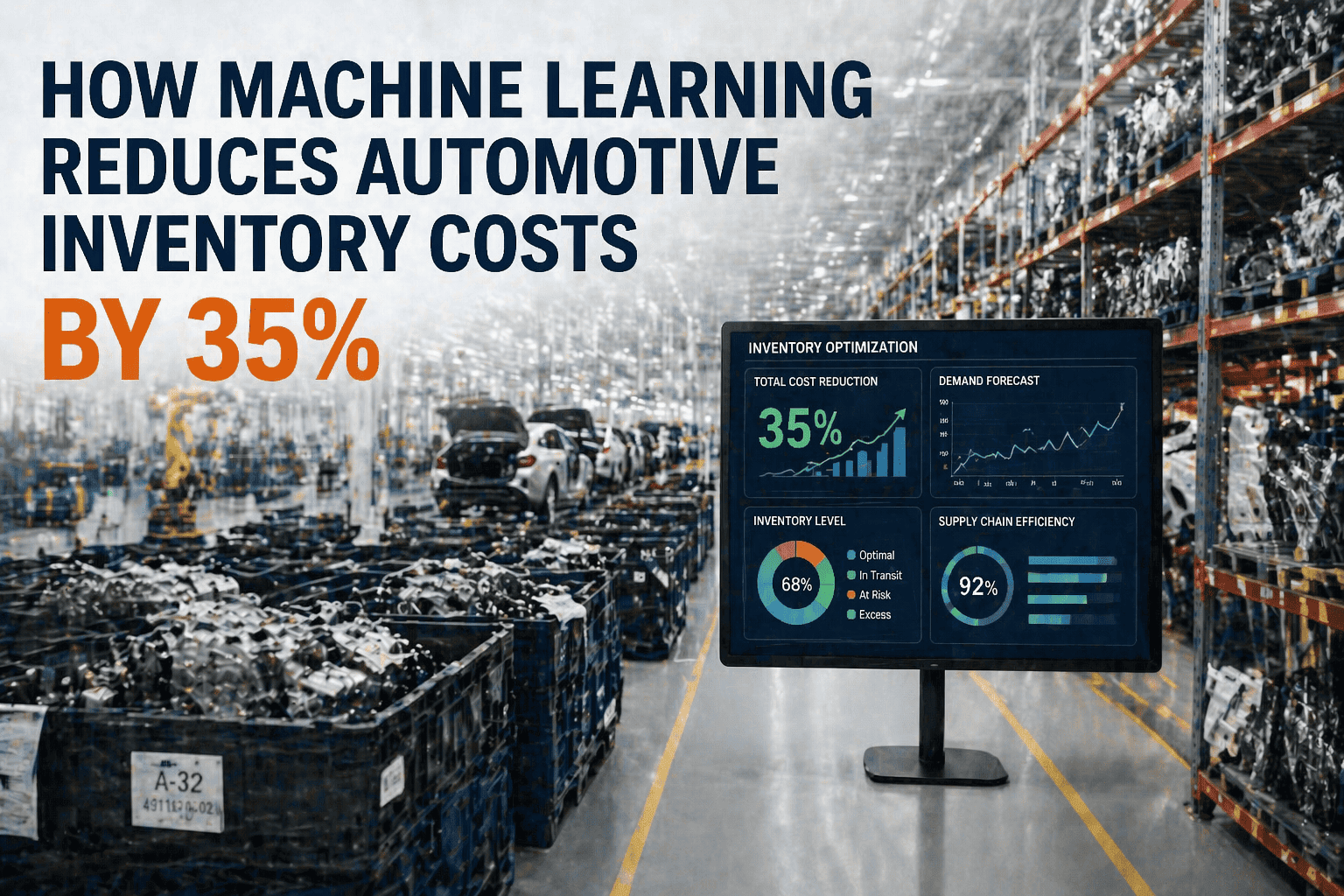
Manual forecasting creates 15-30% excess safety stock. AI-powered demand planning aligns orders to actual production with 92-96% accuracy, reducing inventory costs 12-18%.
05
Missed Supplier Consolidation Opportunities
Manufacturers maintain 40-60% more suppliers than necessary. Consolidating to top suppliers per category unlocks 8-15% volume discounts. AI maps redundancy and quantifies consolidation savings automatically.
How AI Optimizes Procurement and Reduces Costs
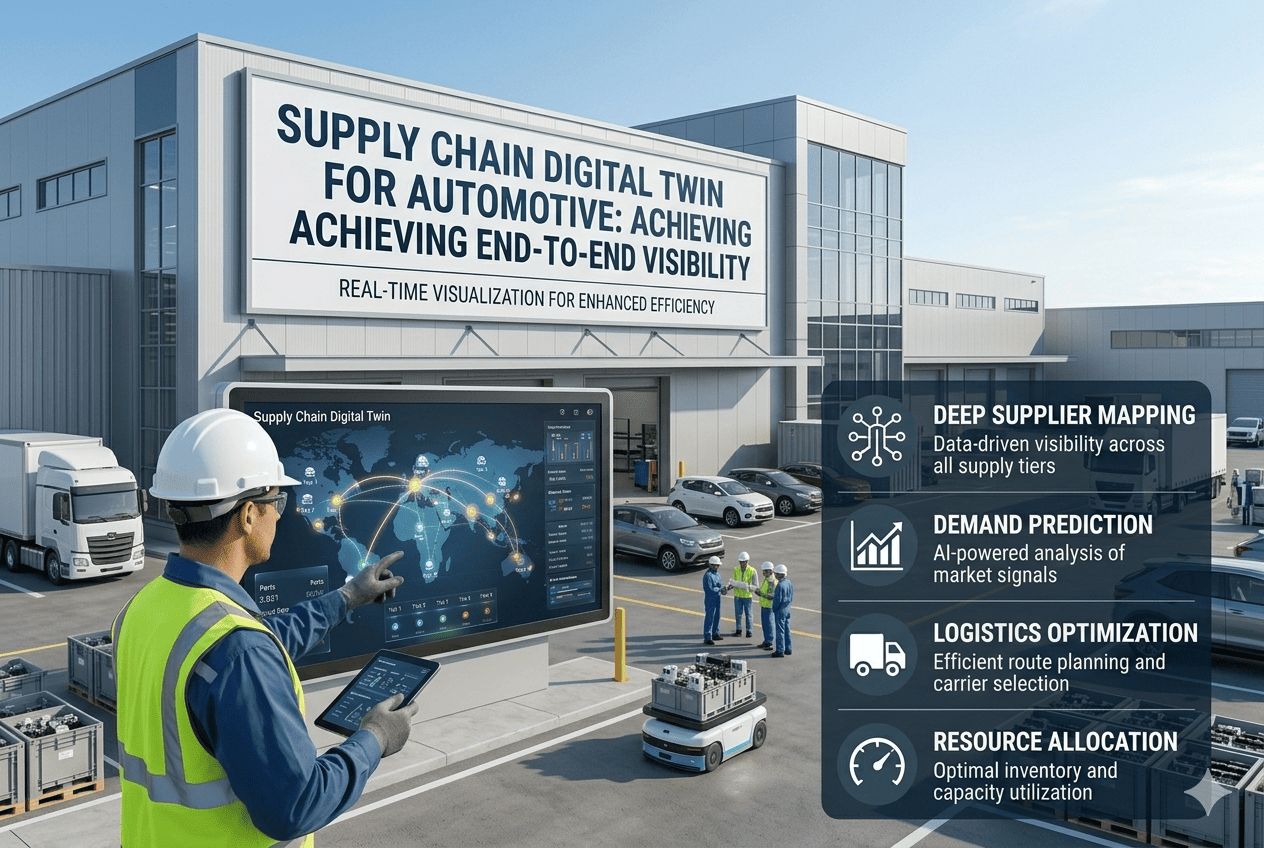
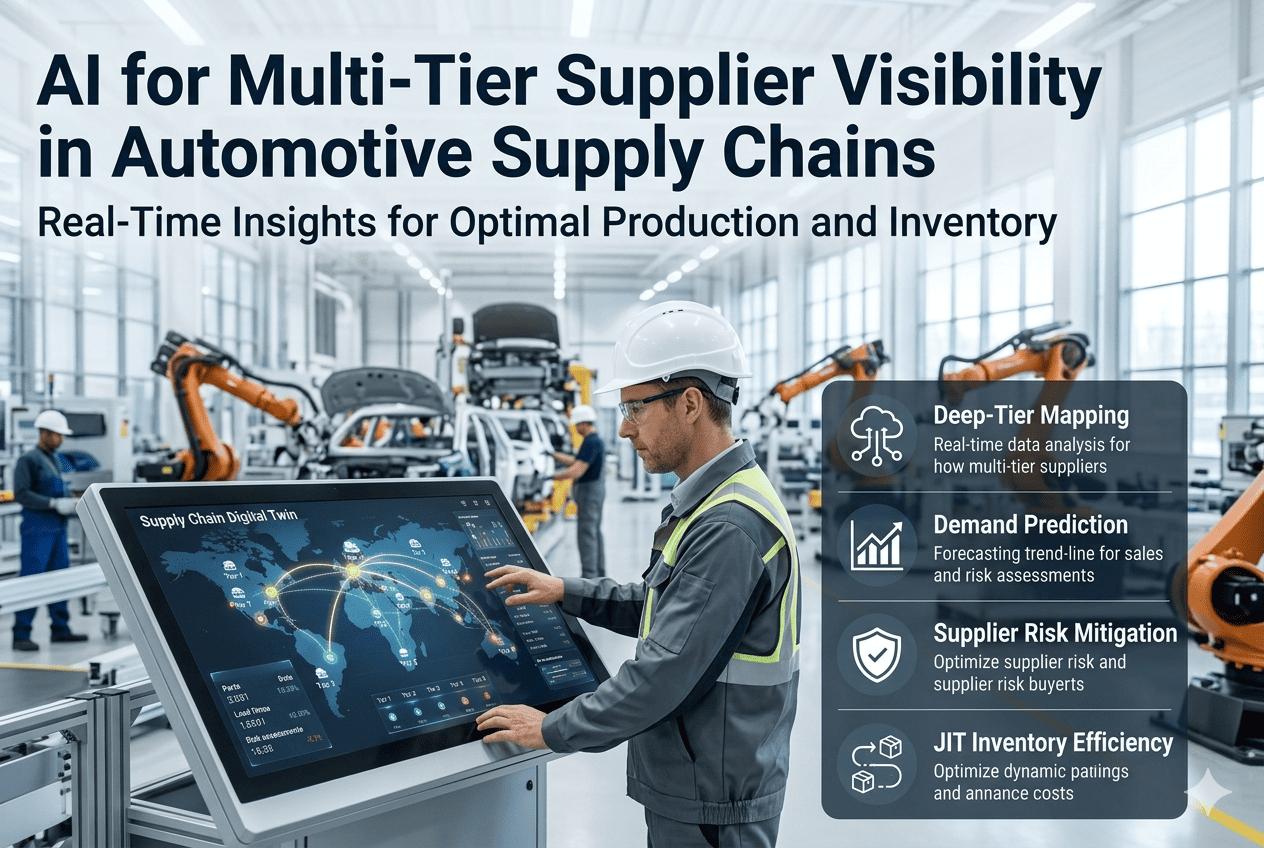
AI-powered procurement optimization monitors supplier performance, pricing, and delivery metrics across thousands of suppliers simultaneously in real time, learns baseline performance signatures unique to each supplier, and alerts procurement teams to cost reduction opportunities 6-12 weeks before contract expiry or performance issues escalate. Real-Time Visibility Into Every Production Line. See live AI procurement optimization across tier-1, tier-2, and OEM automotive suppliers.
01
Real-Time Supplier Performance Monitoring
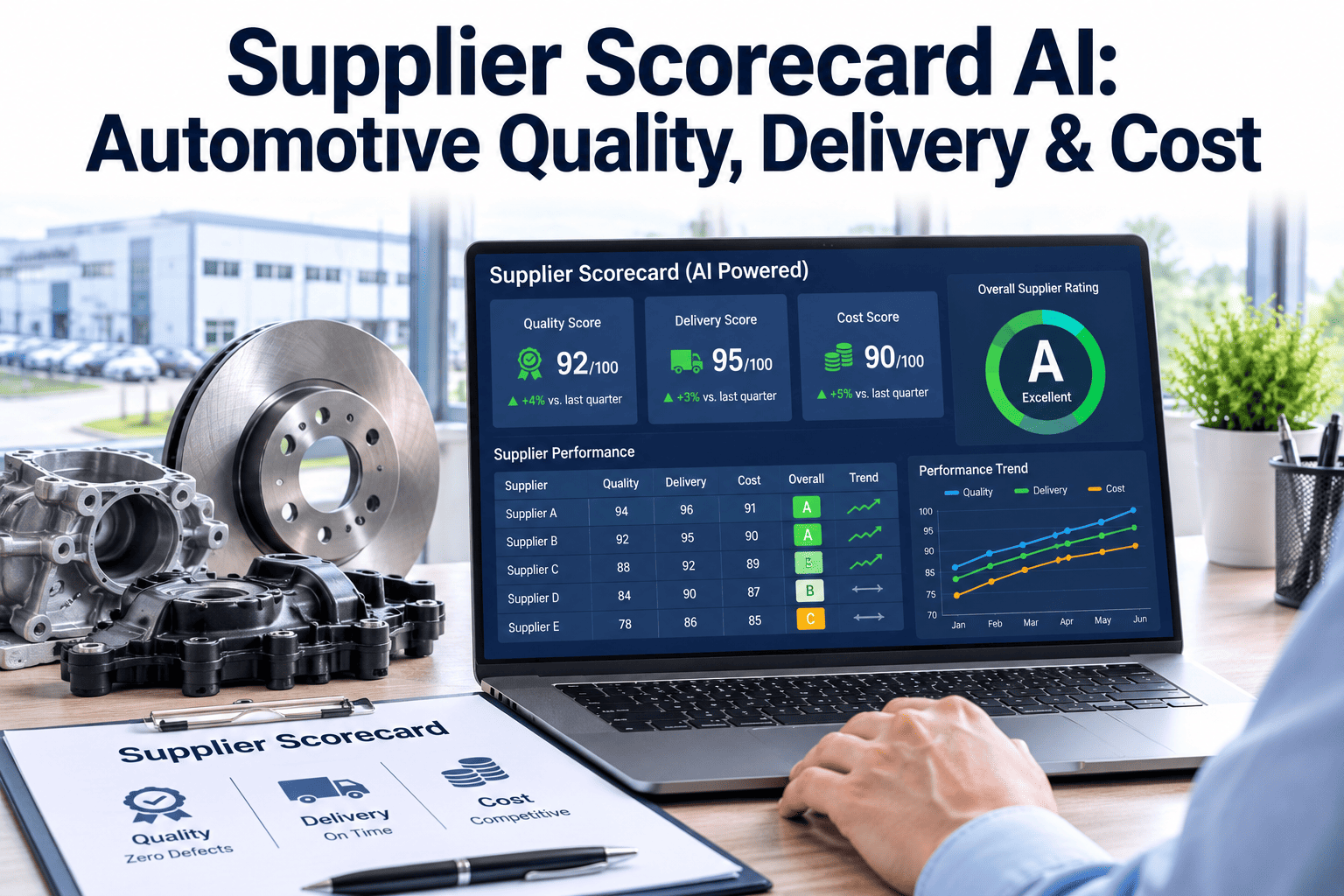
iFactory monitors on-time delivery, quality defect rates, lead time consistency, pricing trends, and communication responsiveness continuously — detecting performance degradation patterns before they impact production schedules or costs.
02
Predictive Price Escalation Detection
ML models predict when supplier pricing will increase 3-5% 6-12 weeks in advance through trend analysis and market commodity tracking. Enable proactive renegotiation before price locks in and competitive alternatives are sourced.
03
Intelligent Supplier Consolidation
AI identifies redundant suppliers delivering identical or equivalent specifications, quantifies volume consolidation savings, and recommends optimal supplier mix — unlocking 8-15% discounts through volume leverage.
04
Comparative Price Benchmarking
Real-time market price tracking and competitive benchmarking enable procurement to identify when suppliers are pricing above market by 5-12%. Armed with competitive data, negotiators secure 8-12% price reductions before renewals.
05
Demand-Driven Procurement Planning
AI forecasts component demand with 92-96% accuracy, aligning purchase orders to actual production schedules — reducing excess inventory 12-18% while improving supply reliability and reducing expedited freight costs.
06
ERP Integration & Automated Procurement
Eliminate Manual Logs with AI Digital Shift Logbooks. iFactory optimizations execute through ERP systems — generating purchase orders, adjusting supplier allocations, and triggering renegotiation workflows automatically without manual intervention. One Platform for Smart Manufacturing with AI-Powered Maintenance, OEE, and Operations.
Procurement Optimization Strategies by Category
Each procurement category in automotive operations presents unique cost reduction opportunities. iFactory includes pre-built optimization models for raw materials, components, services, and capital equipment across OEM and supplier operations. Built for Manufacturing Plants, Not Generic CMMS. Customization occurs automatically based on your specific supply base, historical spend, and performance data.
Raw Materials & Steel Procurement
- ✓Commodity price tracking and hedging optimization alerts
- ✓Supplier consolidation across grade/specification redundancy
- ✓Volume forecast accuracy improvement reducing safety stock
- ✓Long-term contracts vs spot market optimization
- ✓Grade substitution opportunities without design impact
Components & Subsystems
- ✓Price variance detection across plant locations
- ✓Equivalent component sourcing from multiple suppliers
- ✓Quality performance scoring to validate price negotiation
- ✓Delivery performance alignment to supplier scorecards
- ✓Volume consolidation modeling and negotiation support
Services & Logistics
- ✓Freight cost optimization and expedited freight avoidance
- ✓SLA enforcement and logistics carrier rate benchmarking
- ✓Contract renewal alerts and alternative sourcing
Capital Equipment & Machinery
- ✓TCO modeling and financing vs leasing optimization
- ✓Maintenance cost benchmarking across vendors
- ✓Multi-year contract negotiation and renewal management
Supplier Performance Management
iFactory tracks on-time delivery, quality metrics, lead time consistency, and pricing across your supplier base — enabling data-driven renegotiation discussions grounded in performance evidence.
Implementation Roadmap
iFactory deploys procurement optimization across your supplier base on a structured 8-week roadmap — delivering pilot cost reduction results in week 4 and full optimization by week 8.
Use Cases & Results from Live Deployments
These outcomes reflect actual cost reduction results from iFactory deployments at tier-1, tier-2, and OEM automotive suppliers. Each use case represents 6-month post-deployment performance data. Request the full case study report for your supplier segment.
Use Case 01
Supplier Consolidation & Price Variance Elimination — Tier-1 Automotive
Tier-1 supplier with $600M annual procurement spent through 2,200 active suppliers with no consolidated visibility. iFactory identified 840 redundant suppliers delivering equivalent components. Consolidation to top 3-5 suppliers per category, combined with price renegotiation backed by competitive benchmarking data, reduced procurement costs 9.2% ($55M annual savings) within 18 weeks. Delivery performance improved 12% from increased volume commitment.
Use Case 02
Demand-Driven Procurement Planning & Inventory Reduction
OEM manufacturer forecast error of 22% resulted in 28% excess safety stock across 14,000 SKUs, tying up $240M in working capital. AI-powered demand planning reduced forecast error to 6%, enabling inventory reduction to $180M while improving fill rates from 94% to 98.6%. Savings of $21M annually from reduced carrying costs and expedited freight elimination.
Use Case 03
Predictive Price Escalation Prevention & Early Renegotiation
Supply chain organization managing $850M procurement identified supplier price increases averaging 3.8% annually undetected until renewal. iFactory predicted 34 suppliers planning 4-6% increases 8 weeks before contract expiry. Early renegotiation backed by competitive benchmarking prevented $18M in unnecessary cost increases and secured 7% overall savings through improved supplier competition.
Frequently Asked Questions
QHow does iFactory measure procurement cost reduction ROI?
iFactory calculates baseline procurement spend per supplier and category, then tracks actual savings from price negotiations, volume consolidation, and demand-driven planning reduction. Savings quantified directly as dollars recovered per dollar spent on optimization. Typical ROI: 8-15% procurement cost reduction within 12 weeks of deployment.
QCan iFactory integrate with SAP, Oracle, or other ERP systems?
Yes. iFactory connects to SAP, Oracle NetSuite, Infor, and Kinaxis via standard APIs and data extracts. Purchase order, invoice, supplier master, and payment history data imported automatically. No modifications to ERP systems required. Data stays within your security infrastructure.
QHow long does full procurement optimization deployment take?
8-12 weeks from data integration to live cost reduction recommendations. Weeks 1-2: ERP integration and data audit. Weeks 3-4: supplier performance baseline. Weeks 5-6: AI model training. Week 7+: Live cost reduction recommendations and renegotiation support.
QWill AI recommendations require approval before execution?
Yes. All cost reduction recommendations require procurement approval before supplier contact or contract modification. iFactory provides supporting data and business case. Procurement team retains full control of negotiation strategy and final decisions.
Reduce Procurement Costs by 8-18%. Deploy AI in 8 Weeks.
Real-time supplier performance monitoring, predictive price escalation detection, intelligent supplier consolidation, and demand-driven procurement planning — fully integrated with ERP in 8 weeks with cost reduction results in week 4. One Platform for Smart Manufacturing with AI-Powered Maintenance, OEE, and Operations.
8-18% procurement cost reduction
$160M-$300M annual savings potential
8-week fixed deployment