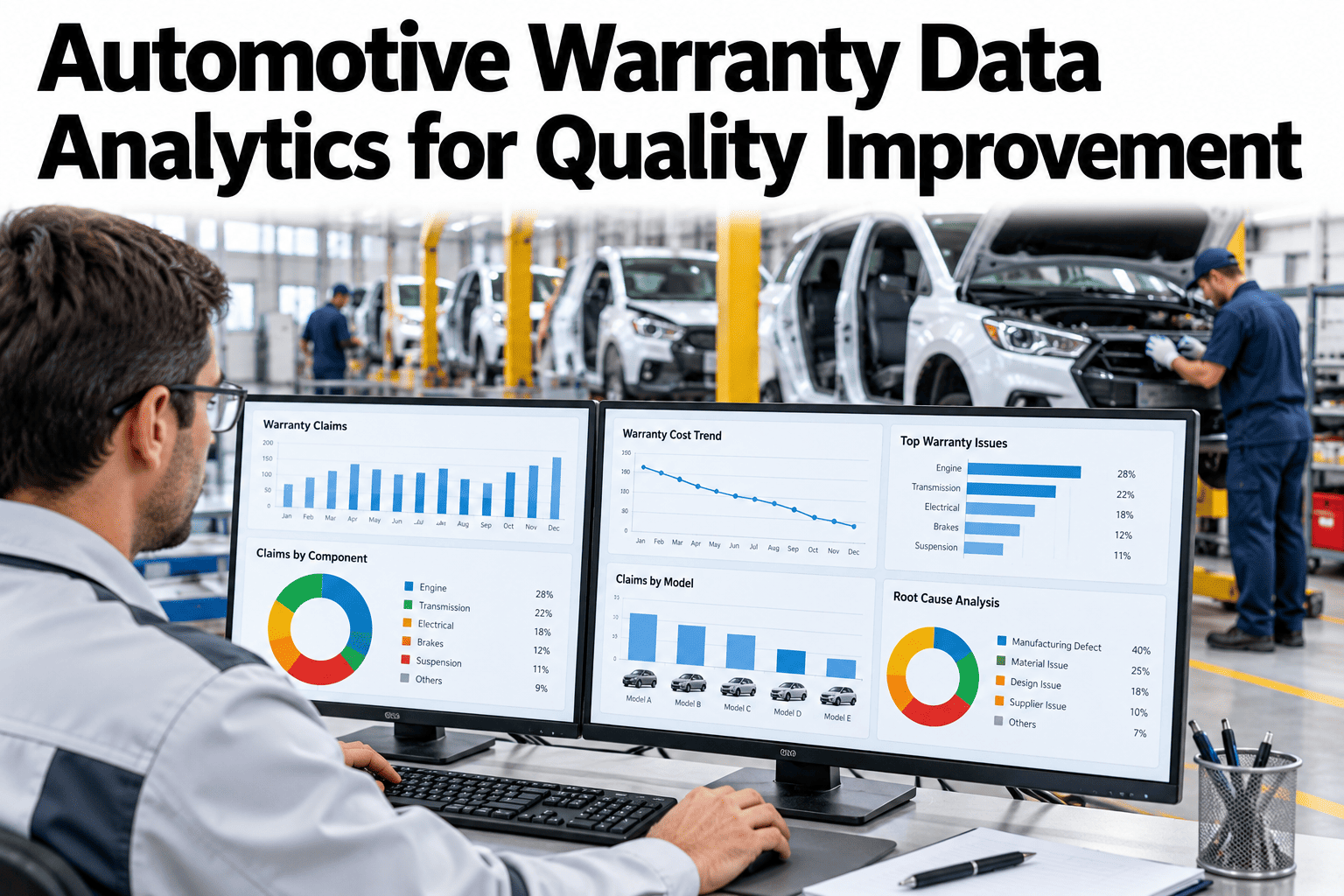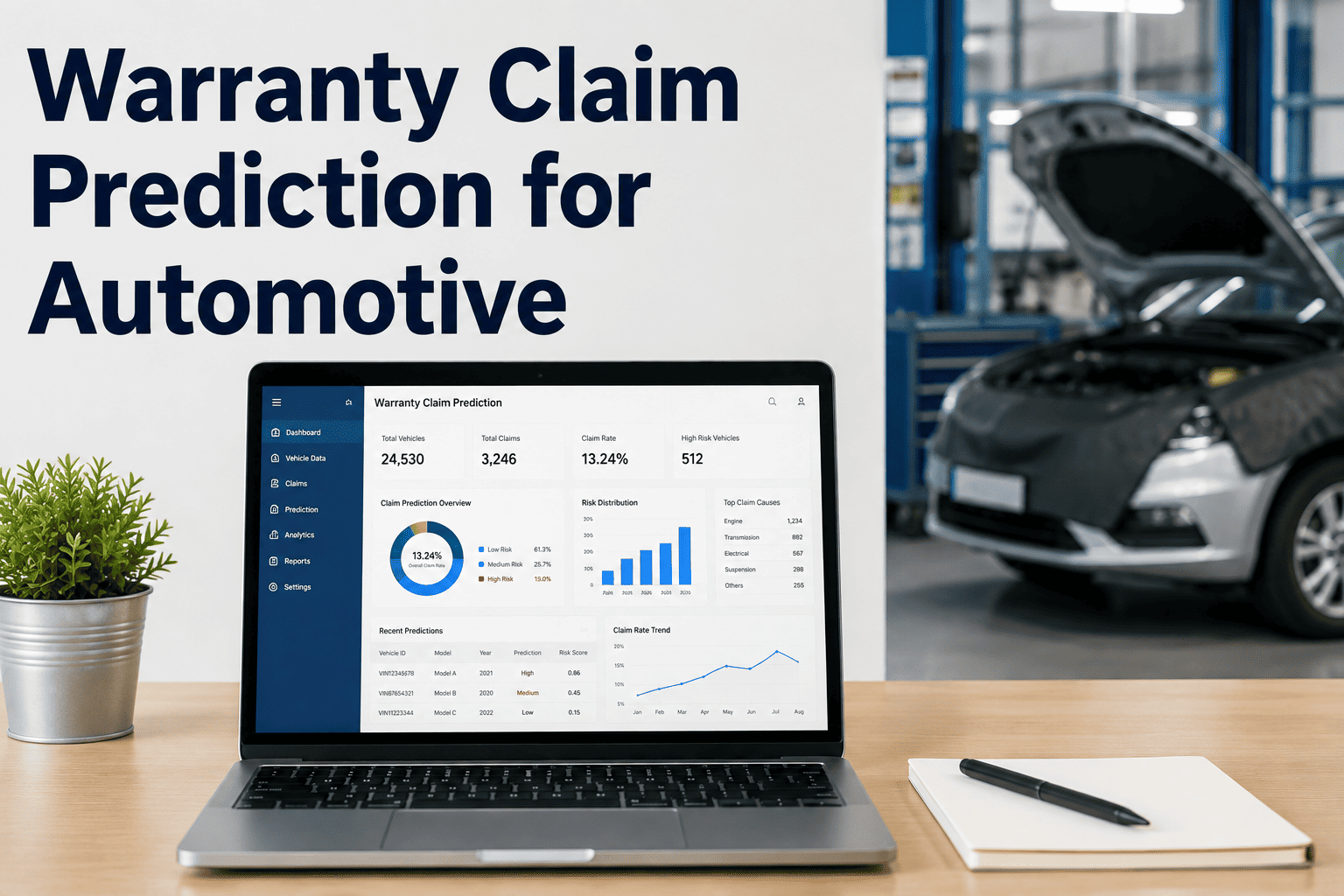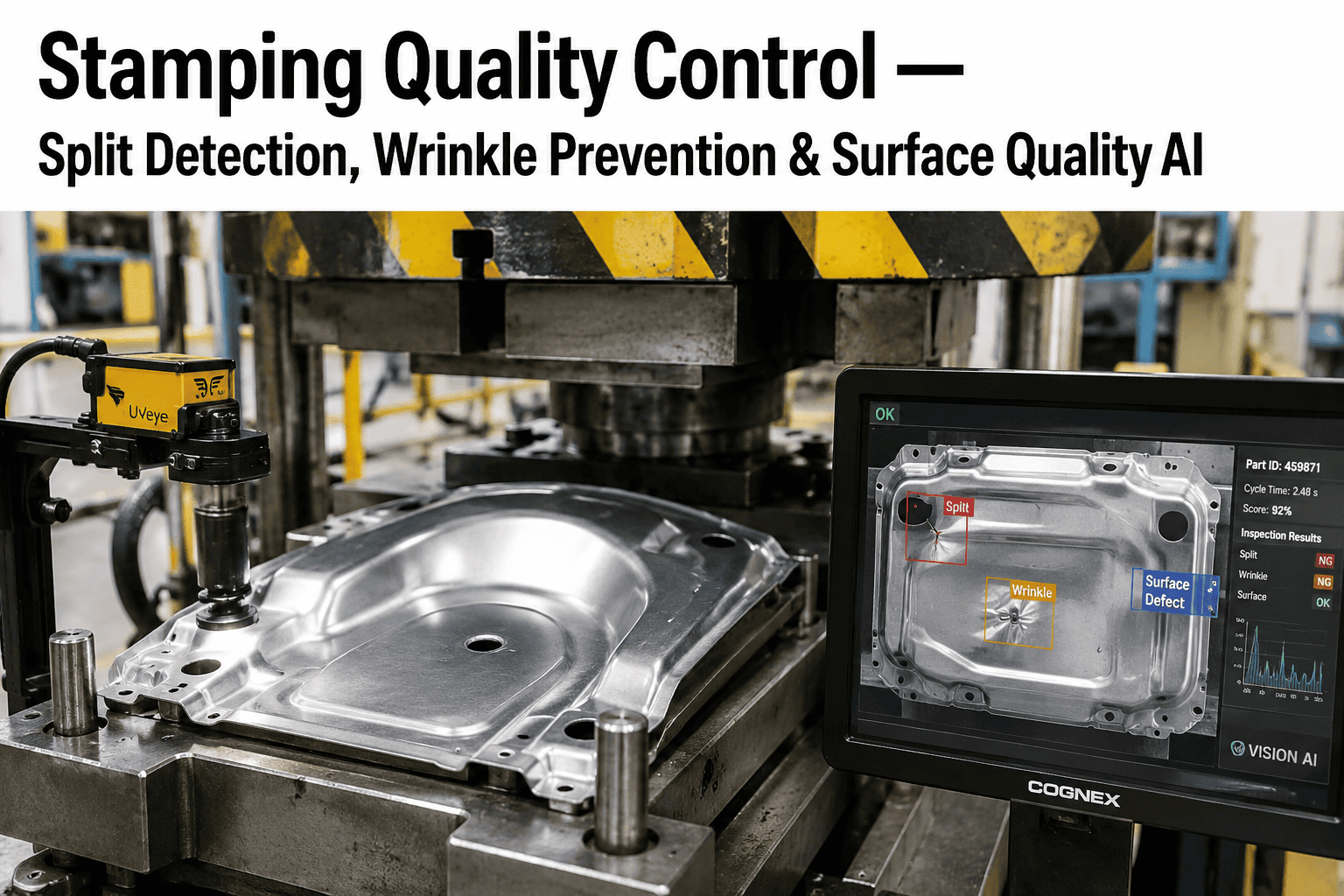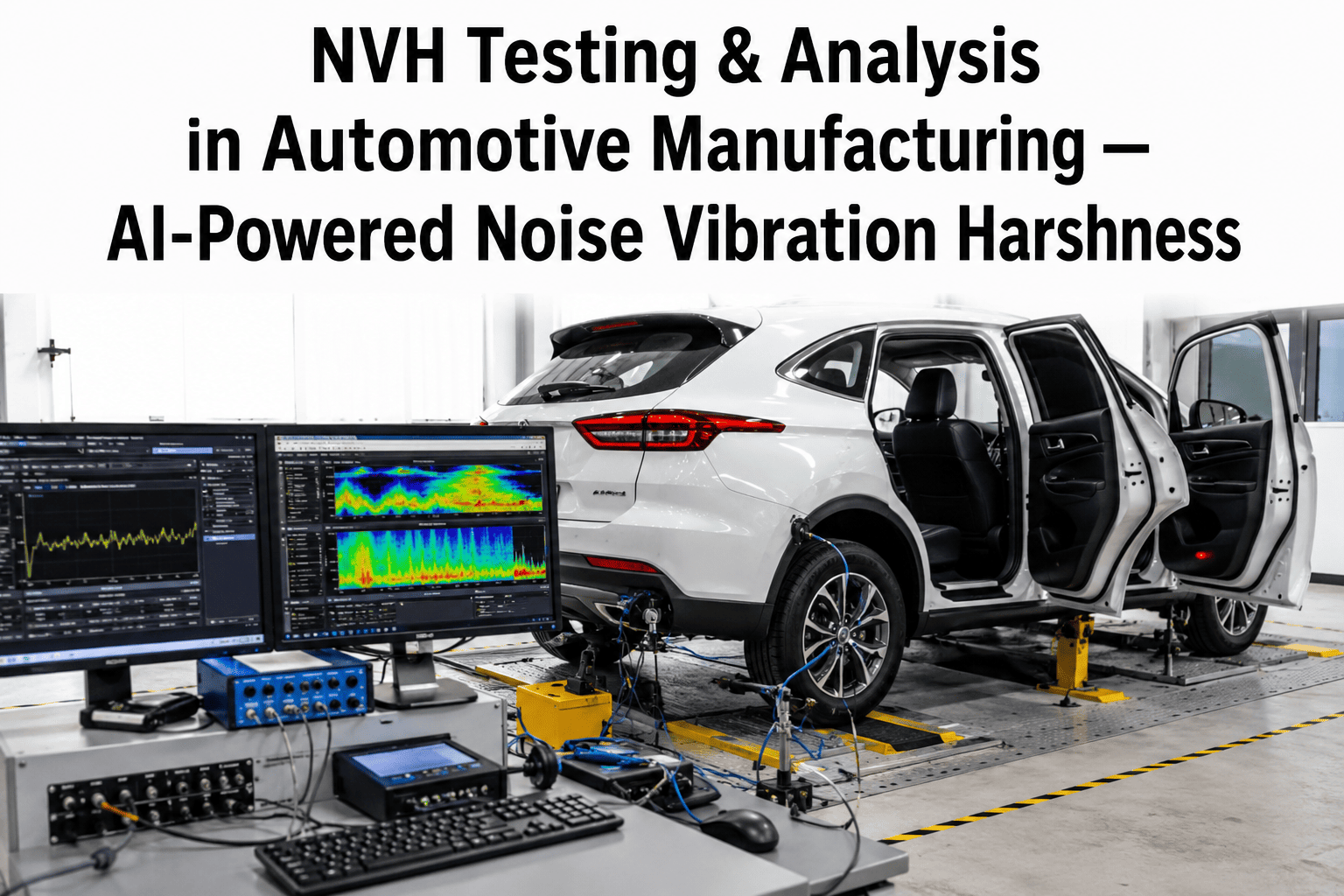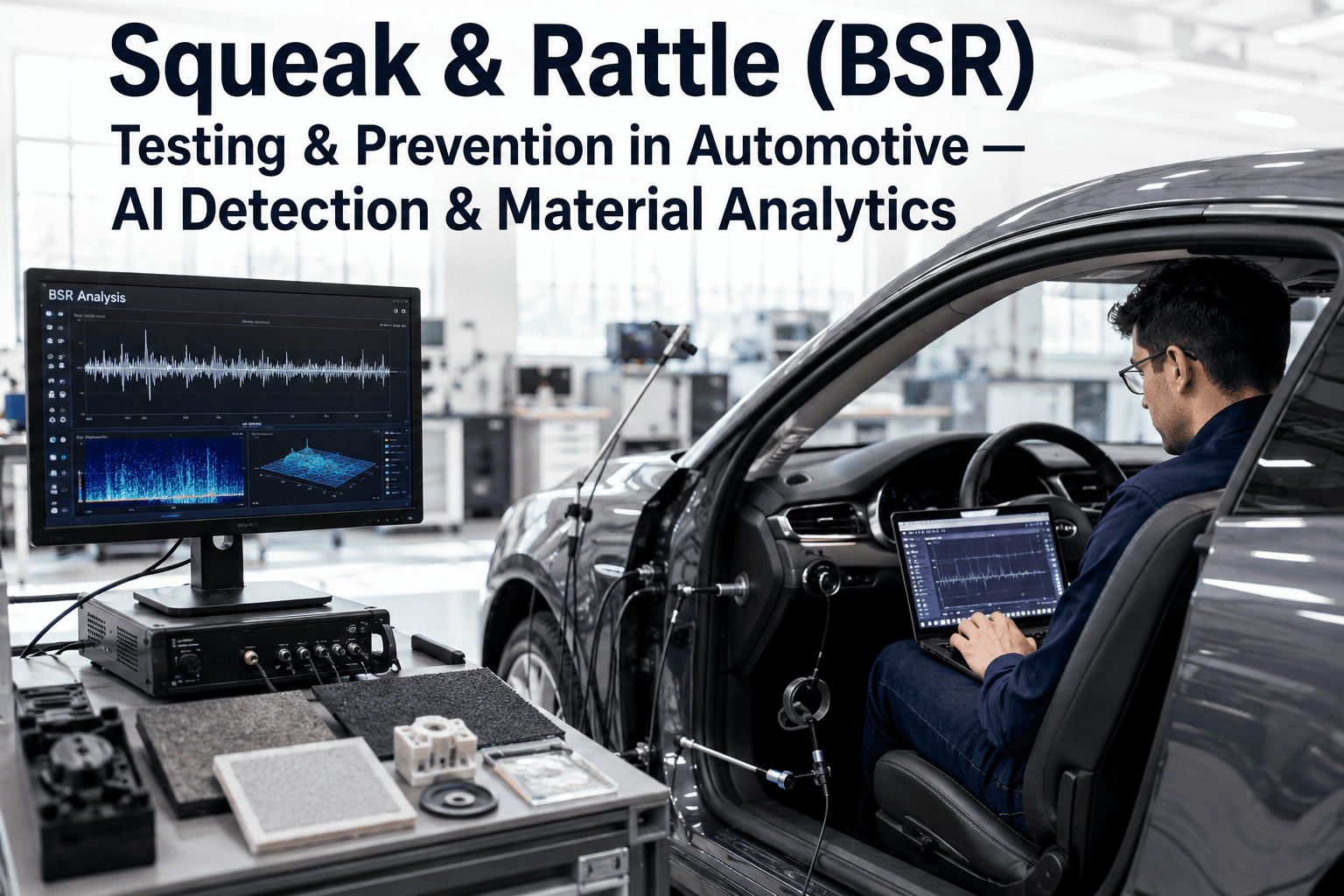
A quality manager reviewing warranty data knows exactly how expensive a squeak or rattle complaint really is — buzz, squeak, and rattle issues have been consistently rated among the top quality concerns raised by new vehicle owners, and detecting and correcting them before production can save manufacturers substantial warranty cost across a program's life. The frustrating part is that most BSR sources are not defects in a single component; they are interface problems, two parts that individually pass inspection but generate noise together once they are assembled and start experiencing real-world vibration. AI-powered BSR detection and material interface analysis is built specifically to catch that interface risk before it reaches a customer, rather than after a warranty claim arrives.
Squeak & Rattle (BSR) Testing and Prevention — AI Detection Across Every Interior Interface
AI-powered BSR detection analyzes material interfaces across the vehicle interior — trim, consoles, seats, HVAC assemblies — flagging the friction and clearance combinations most likely to generate noise during assembly, before they become a customer-facing warranty complaint.
The Interior Zones Most Likely to Generate an Audible Noise Complaint
BSR risk is not distributed evenly across a vehicle interior — certain zones concentrate the friction and clearance conditions that produce buzz, squeak, and rattle far more than others. Door trims, instrument panel consoles, seat structures, and HVAC vent registers each carry their own known interface risks, which is why testing labs commonly build dedicated fixtures for exactly these components rather than testing a full vehicle as a single undifferentiated unit.
Why BSR Is a Material Interface Problem, Not a Single-Part Defect
Squeak and rattle noises typically originate from micro slip between two surfaces, loose fit at a fastening point, hard contact between rigid materials, or resonance in a panel or bracket — all of which depend on how two parts interact, not on either part being individually defective. That is why an in-process BSR detection system for something like a car door trim assembly focuses on friction as a function of relative motion between the specific material pair involved, rather than inspecting either component in isolation.
Material pair testing measures stick-slip characteristics between the actual materials used at a given interface — leather against plastic trim, one grade of foam against another, a metal bracket against a rubber isolator — because the same nominal materials from different suppliers or different batches can produce meaningfully different friction behavior once installed. AI-powered analysis extends this by tracking which material pair combinations, at which assembly tolerances, have historically produced confirmed BSR complaints, so a quality manager can flag a risky combination before it reaches full vehicle assembly rather than after a customer notices it.
Catch a BSR Risk at the Material Interface, Before It Reaches a Customer
See how AI detection flags high-risk friction and clearance combinations across every interior zone.
Subjective and Objective BSR Evaluation, and Where AI Fits Between Them
Electrification Has Made BSR a Bigger Quality Issue, Not a Smaller One
As vehicles have shifted toward electrification and cabin insulation has improved, the engine noise that used to mask a marginal squeak or rattle has disappeared for a growing share of the fleet — meaning interior noises that were previously inaudible are now the first thing a customer notices about ride quality. Testing labs report that BSR evaluation has become an increasingly critical part of design, engineering, and validation precisely because of this shift, which raises the bar for how early in a program BSR risk needs to be caught.
Carrying BSR Risk Data From Design Testing Into Production Monitoring
Design verification testing catches BSR risk before a program launches, but production introduces its own variation — batch-to-batch material differences, assembly tolerance drift, and fastener torque variation that a design-stage test never saw. AI-powered production monitoring extends the same material interface risk model built during design verification into ongoing production, flagging when a specific supplier batch or assembly line trend starts drifting toward a combination previously associated with a confirmed BSR complaint.
Questions Quality Managers Ask About AI-Powered BSR Testing
Catch BSR Risk at the Interface, Before It Becomes a Warranty Claim
AI-powered material interface analysis across every high-risk interior zone — from design verification through full production.