Material handling rarely gets the attention that stamping presses or paint booths receive, right up until a conveyor chain snaps or an AGV fleet starts missing battery cycles mid-shift, and suddenly every downstream station is starving for parts at the same time. Conveyors and AGVs are the circulatory system of an automotive plant, and like any circulatory system, small degradations compound quietly until they cause a system-wide event. Reliability engineers who want to catch that degradation before it becomes a material flow disruption typically start with Book a Demo of what continuous motor and drive analytics actually surface.
See Conveyor and AGV Failures Weeks Before They Stop Material Flow
ifactoryApp monitors motor, drive, and battery signals across your material handling fleet continuously, flagging degradation long before it becomes a line-stopping event.
Why Material Handling Failures Feel Sudden but Rarely Are
A conveyor chain does not snap without warning. Wear accumulates gradually through elongation, misalignment, and increasing load on the drive motor, all of which produce measurable signal changes weeks before a visible failure. The same is true of AGV fleets, where battery degradation, motor bearing wear, and navigation sensor drift all show gradual signatures long before a vehicle actually fails to complete its route. The reason these failures still feel sudden to most plants is that nobody is watching the signal continuously enough to catch the trend before it becomes a threshold-crossing event.
Traditional maintenance on material handling equipment tends to be either purely reactive, fixing things after they fail, or purely calendar-based, replacing components on a fixed schedule regardless of actual condition. Both approaches waste resources in opposite directions: reactive maintenance causes exactly the unplanned stops it should prevent, while calendar-based maintenance replaces perfectly healthy components early while occasionally missing components that degrade faster than the schedule assumes. Condition-based prediction, driven by continuous signal monitoring, closes both gaps at once.
What Continuous Monitoring Actually Looks Like Across a Fleet
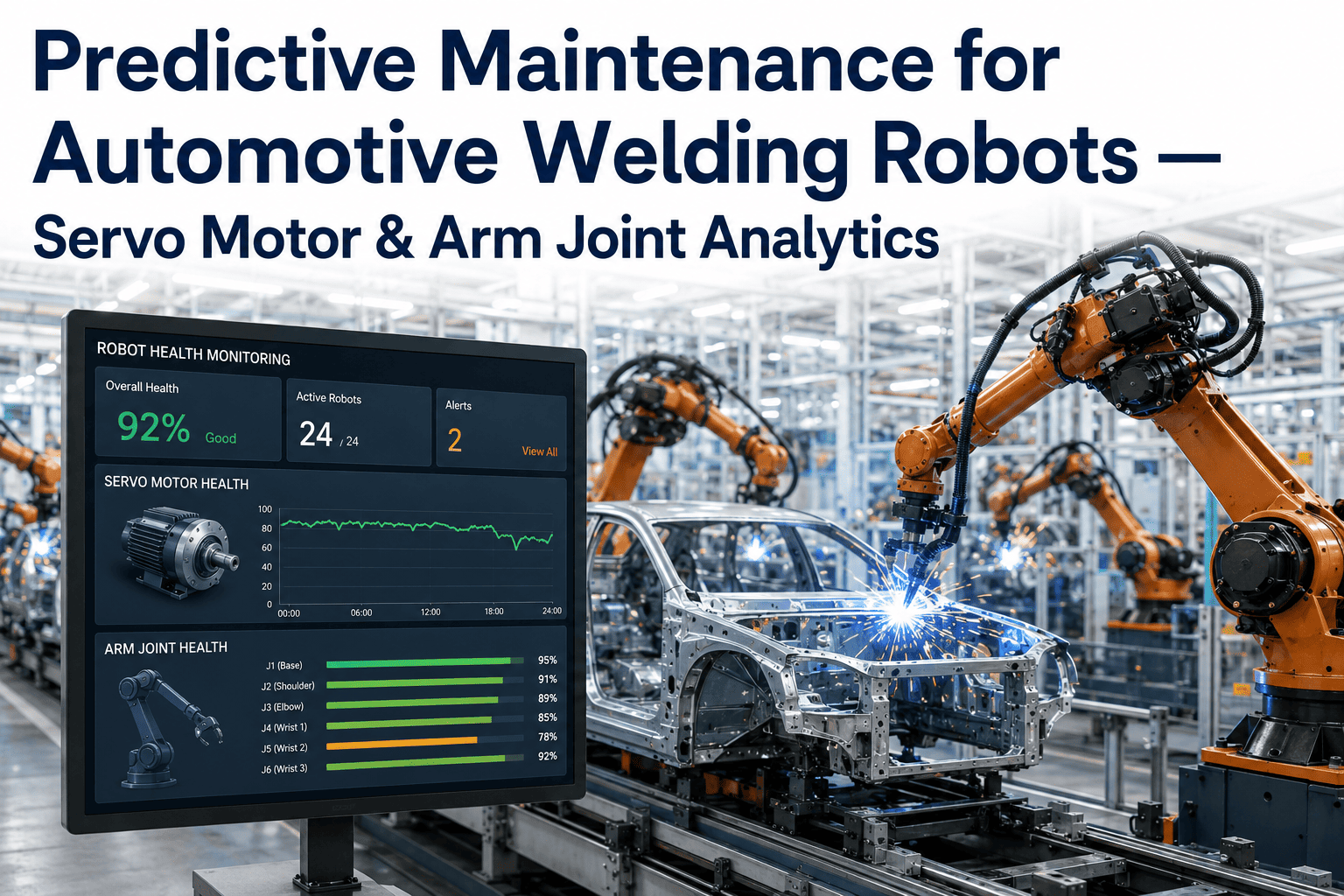
Rather than treating each conveyor segment or AGV as an isolated asset, ifactoryApp maintains a live health score across the entire material handling fleet, so reliability engineers can see exactly where attention is needed first.
The Signals That Reveal Wear Before Material Flow Is Disrupted
Conveyor Systems
Drive motor current draw, chain tension trends, belt tracking deviation, and gearbox vibration are monitored continuously to catch elongation and misalignment before they cause a jam or snap.
AGV Fleets
Battery charge and discharge curves, motor bearing vibration, wheel wear patterns, and navigation sensor confidence scores are tracked per vehicle to predict which unit needs attention next.
Drive & Motor Systems
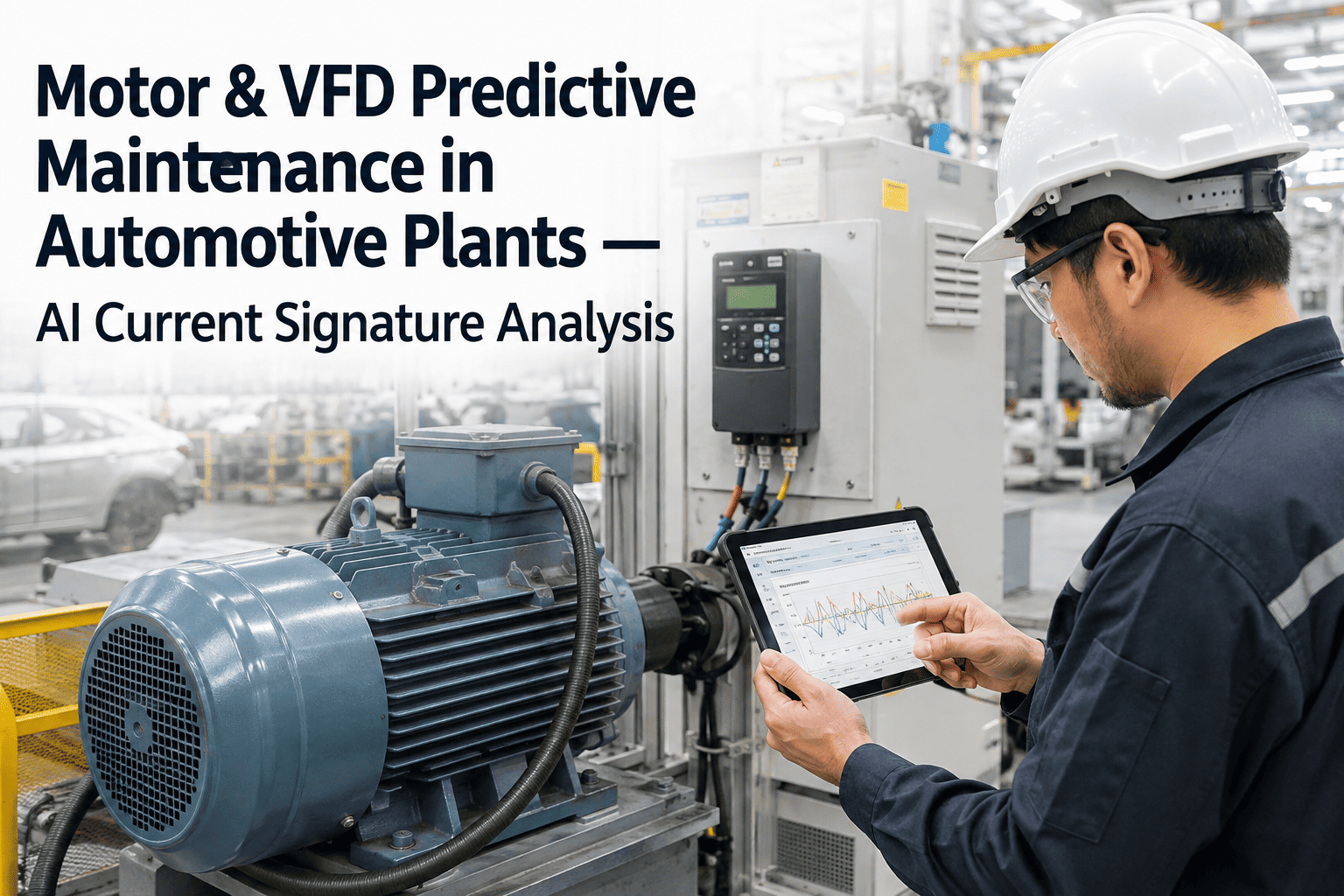
Motor temperature, current signature analysis, and load variance are combined to detect early-stage bearing wear and winding degradation across every drive in the material handling network.
Map Your Own Fleet's Health in a Live Session
Bring recent conveyor and AGV telemetry. ifactoryApp's team will show what trend signals were already visible before your last unplanned material handling stop.
Reactive vs. Calendar-Based vs. Predictive Material Handling Maintenance
| Approach | Failure Detection | Resource Efficiency | Unplanned Stop Risk |
|---|---|---|---|
| Reactive maintenance | After failure occurs | Low — emergency repairs cost more | High |
| Calendar-based maintenance | Not condition-aware | Moderate — some early replacement waste | Moderate |
| AI-driven predictive maintenance | Weeks before failure threshold | High — action matched to actual wear | Low |
Reliability Metrics After Predictive Deployment
Unplanned conveyor stoppage events
AGV fleet downtime from battery failures
Average component service life extension
Average early-warning lead time before failure
Predictive Maintenance for Material Handling — Common Questions
What sensors are required to start monitoring our conveyor and AGV fleet?
Many AGVs already report battery, motor, and navigation data through their existing fleet management system, which ifactoryApp can connect to directly. Conveyor systems typically need motor current and vibration sensors added at drive points if not already present, and our support team will assess your existing instrumentation during onboarding to identify any gaps.
How early can the system actually predict a failure before it happens?
Lead time varies by failure mode, but conveyor chain elongation and AGV battery degradation typically show detectable trend signals three to six weeks before crossing a failure threshold, giving reliability teams enough time to schedule a repair during planned downtime instead of reacting to an unplanned stop.
Does this replace our existing AGV fleet management software?
No, it typically works alongside your existing fleet management platform by adding a predictive health layer on top of the data it already collects. ifactoryApp focuses specifically on wear prediction and maintenance scheduling rather than route optimization or task assignment, which your existing platform likely already handles well.
Can this scale across multiple plants with different conveyor and AGV vendors?
Yes, the monitoring approach is built around signal patterns rather than vendor-specific proprietary data formats, which allows it to work across mixed-vendor material handling fleets that are common in plants that have expanded or upgraded equipment over multiple years.
How long until we see a measurable reduction in unplanned stops?
Most reliability teams see their first predictive alert catch a real developing issue within the first four to eight weeks of deployment, since baseline signal patterns are established quickly. Fleet-wide reductions in unplanned stoppage typically become clearly measurable over one full production quarter as more assets build sufficient historical trend data.
Stop Losing Shifts to Material Flow Surprises
Talk to ifactoryApp about putting continuous predictive monitoring across your conveyor and AGV fleet before the next unplanned stop happens.