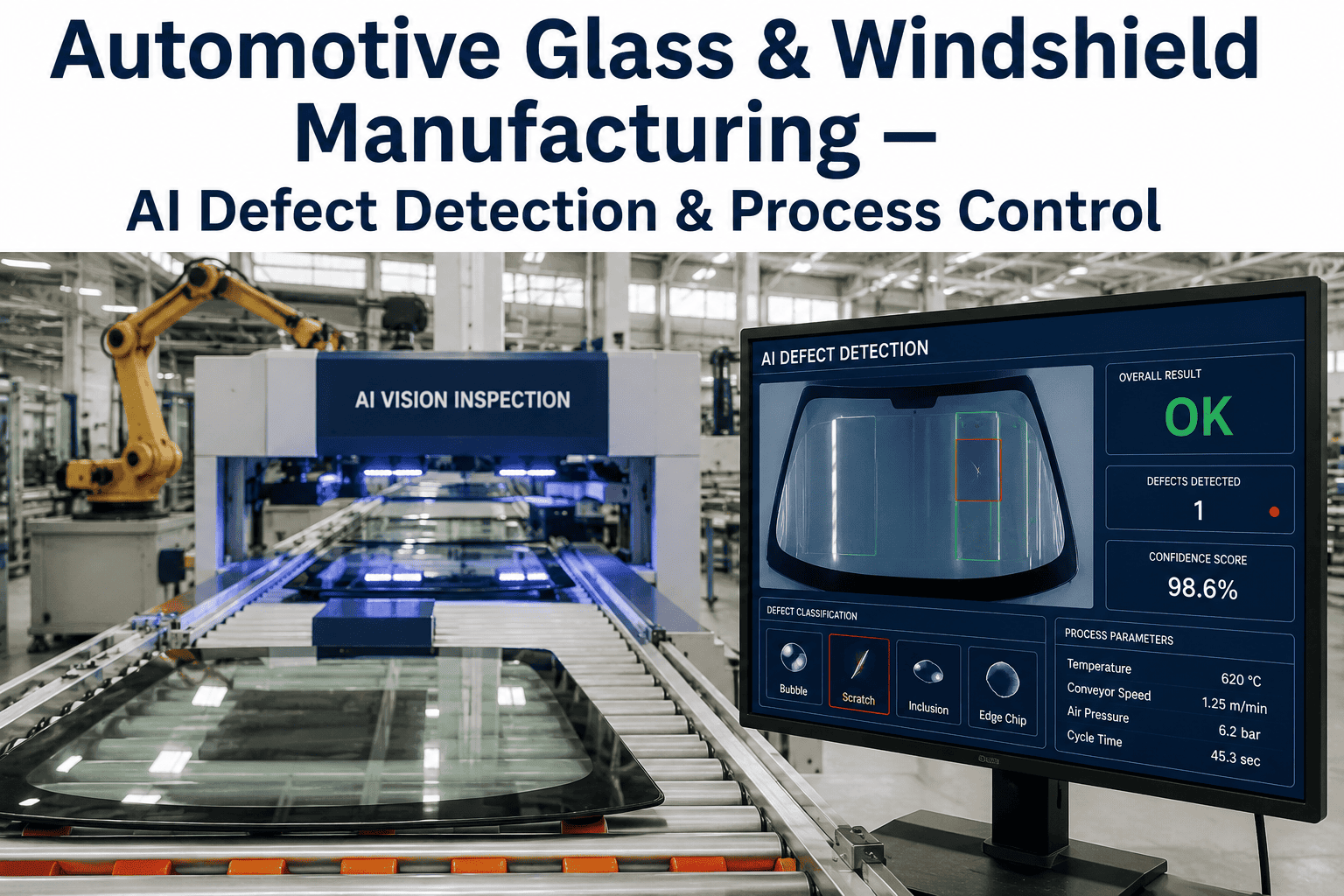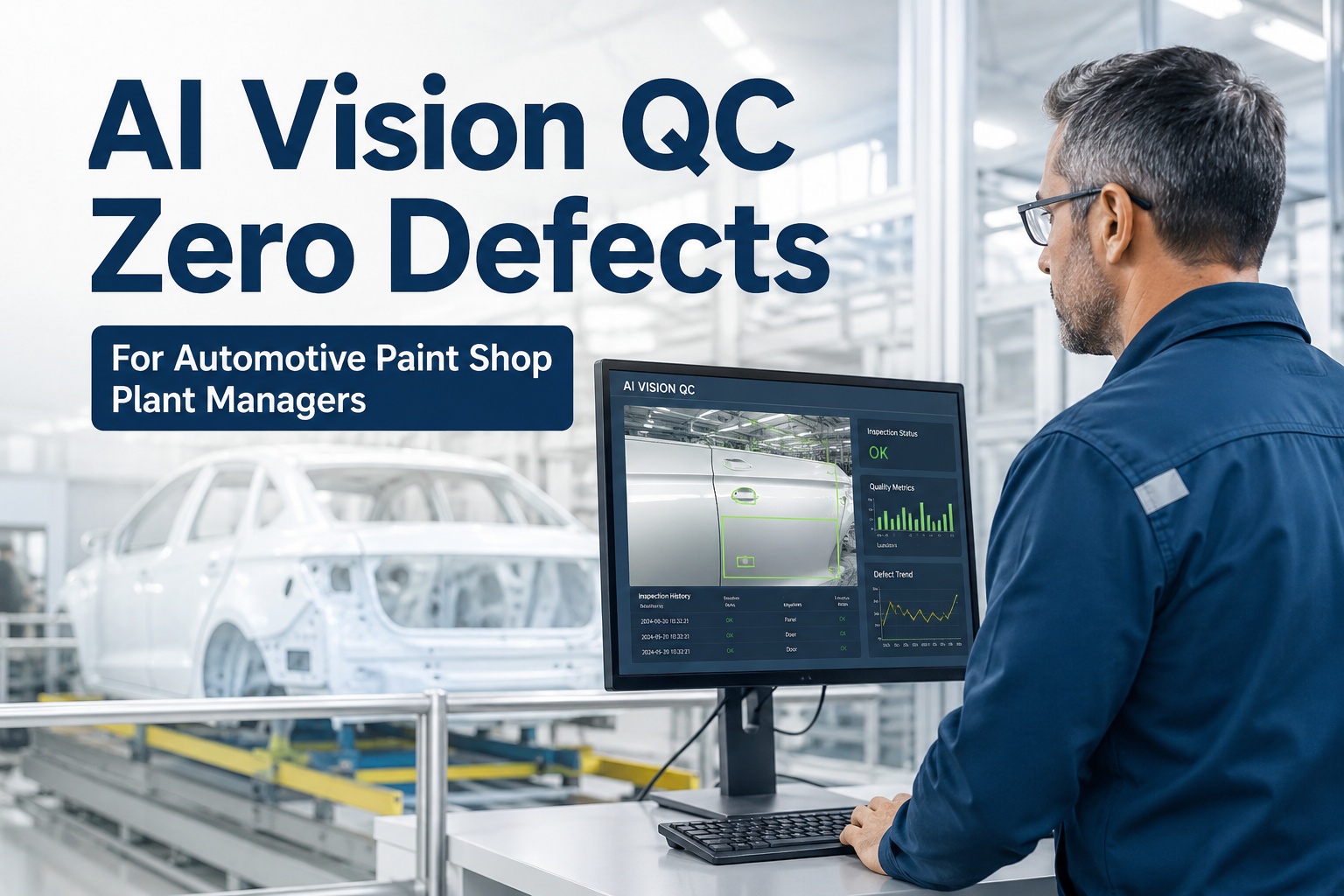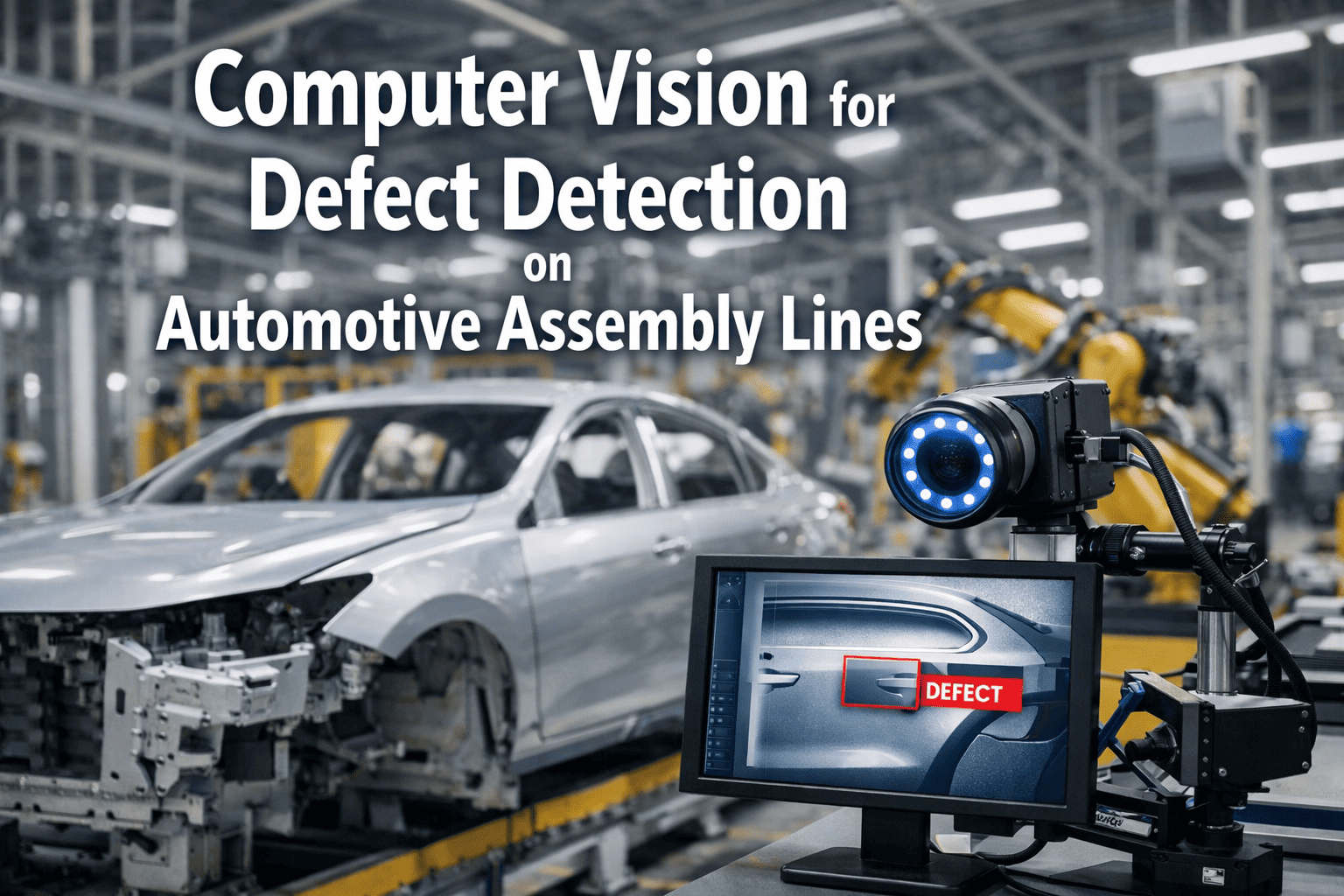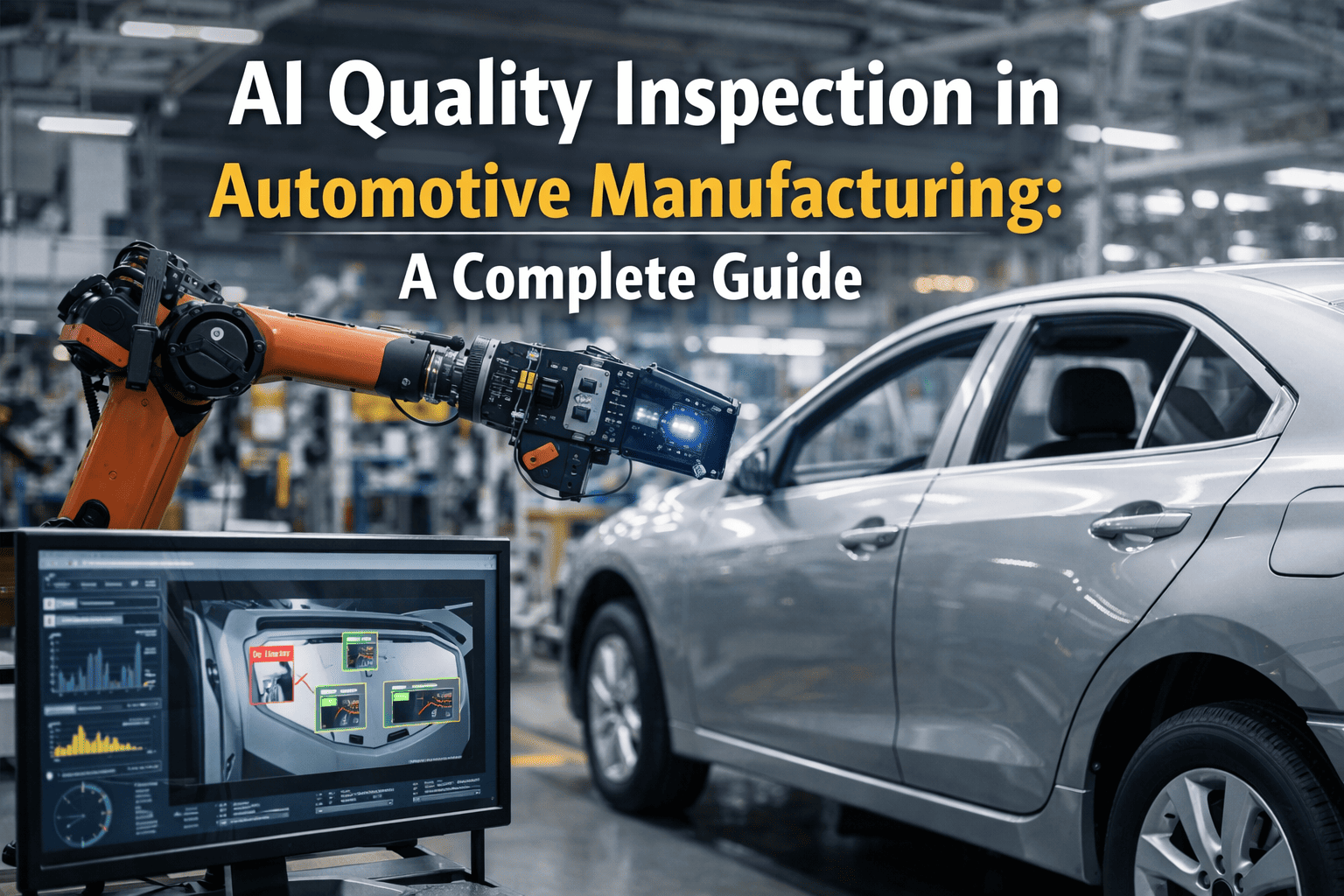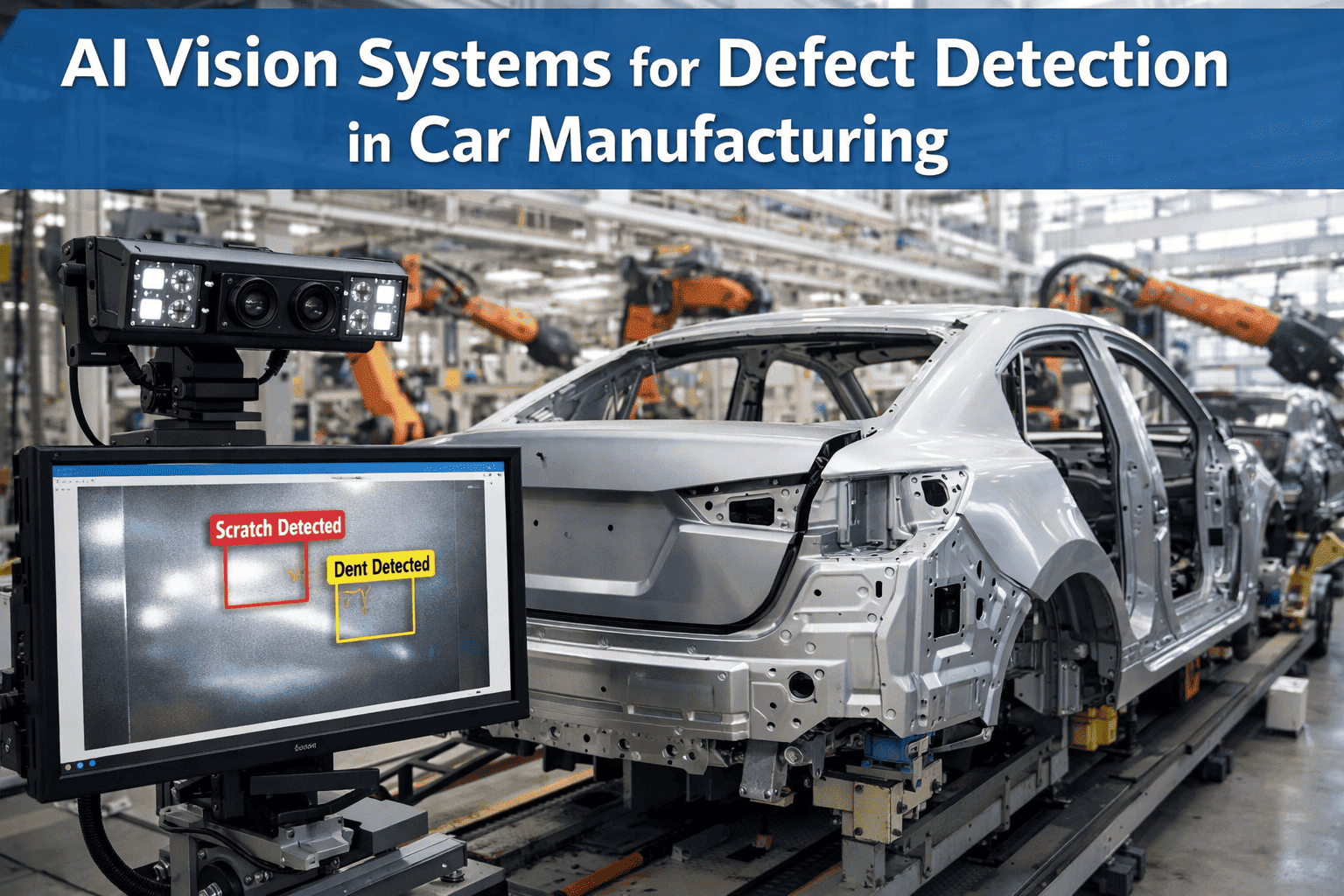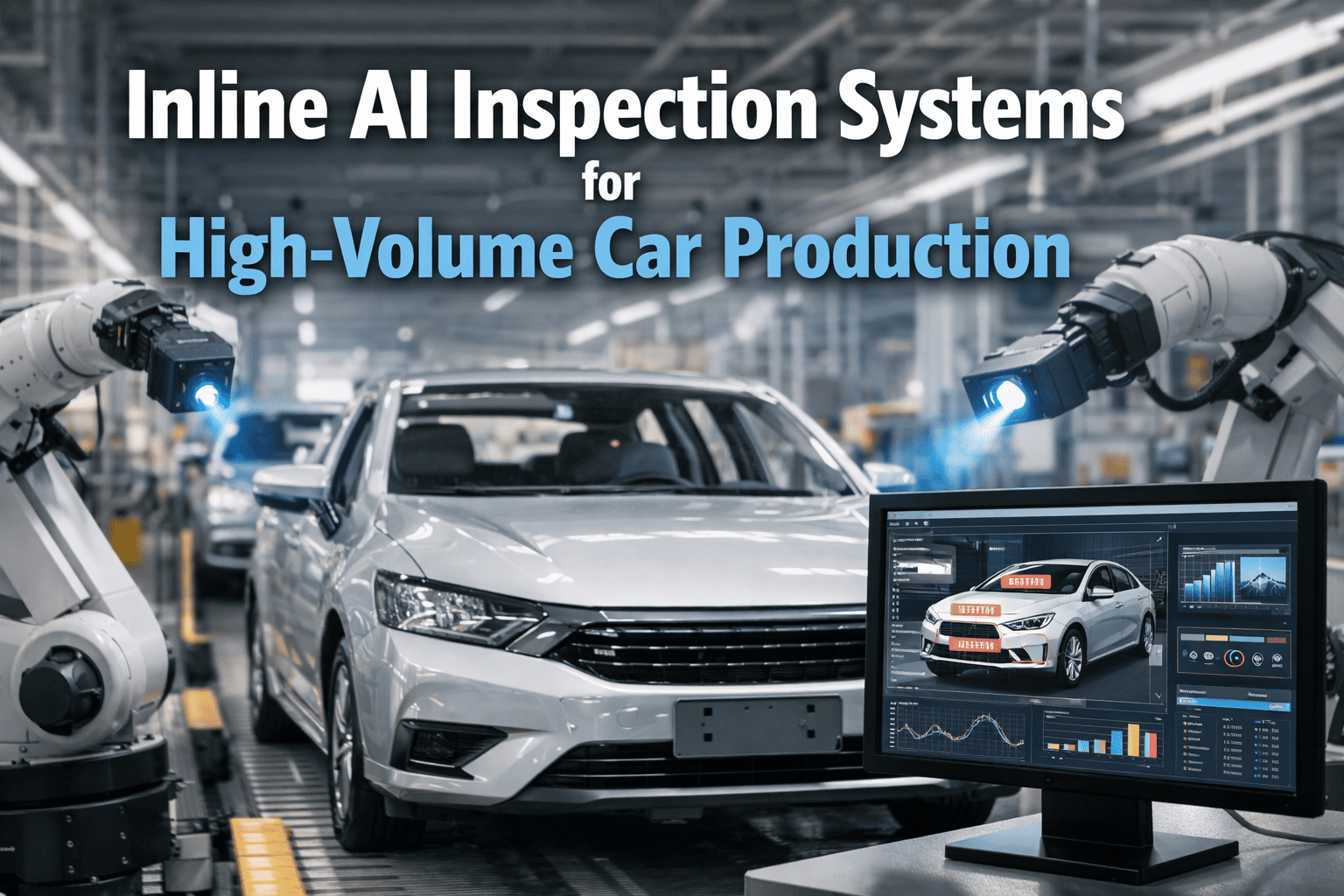
A surface defect on a painted door panel discovered three days after final assembly should not cost $4,200 in rework labor and logistics to pull the vehicle from shipping queue, disassemble door, strip paint, repair substrate, repaint, reassemble, and re-inspect before delivery deadline missed and customer satisfaction compromised.iFactory's AI-powered inline inspection system deploys computer vision cameras at every critical production stage, analyzing 100% of parts in real-time for paint defects, weld quality, gap measurements, and surface contamination with 99.4% detection accuracy, flagging non-conforming components for immediate rework before they progress to next assembly station, eliminating costly end-of-line failures and ensuring zero-defect delivery to customers. The defect that would have reached the customer now caught and corrected within 90 seconds of occurrence. Book a demo to see inline AI inspection for your production line.
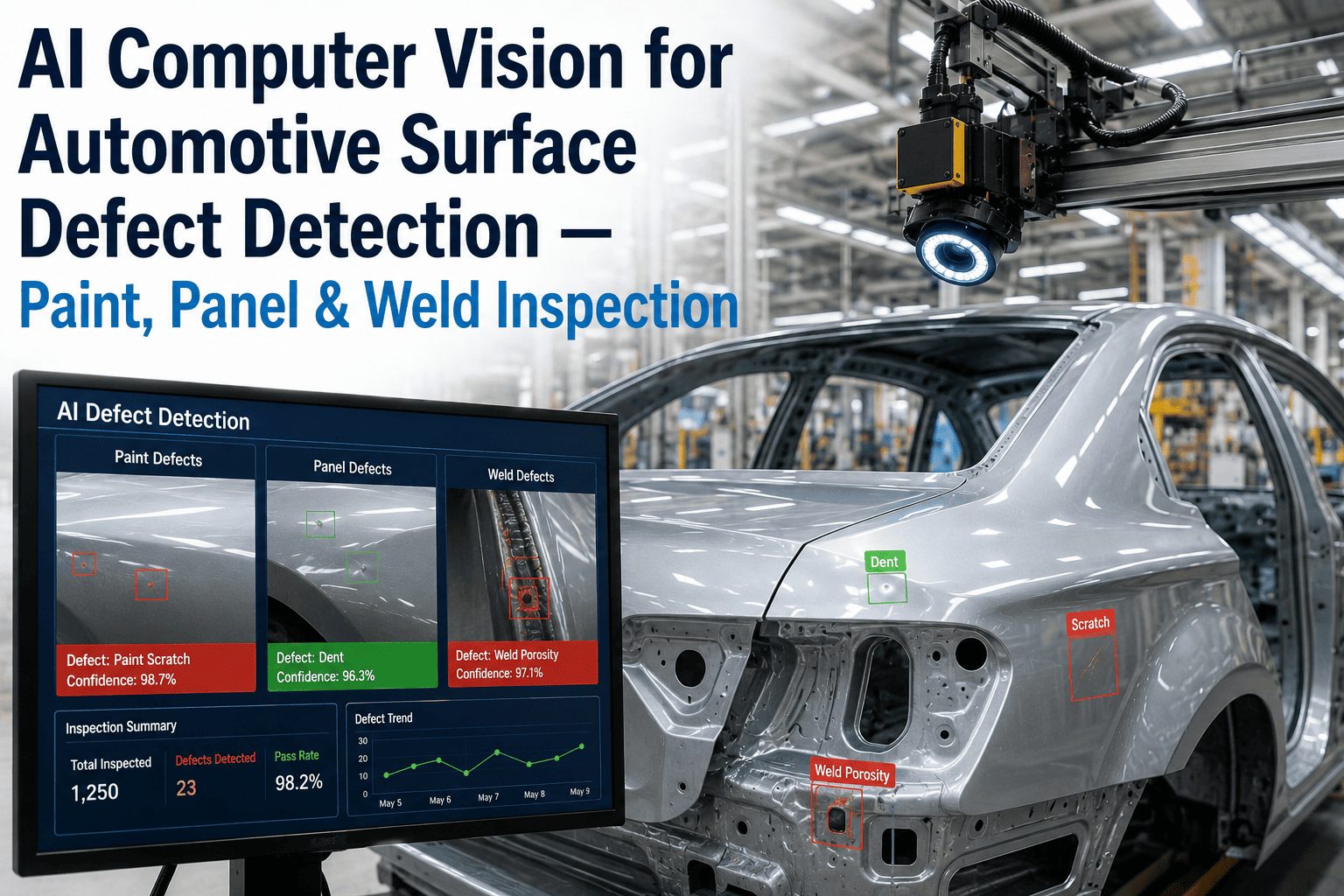
iFactory's machine learning vision system captures high-resolution images of every part at critical inspection points including body shop welds, paint booth application, final assembly fit and finish, and pre-delivery verification. Deep learning models trained on millions of defect images classify anomalies including scratches, dents, color mismatches, contamination, dimensional variations, and incomplete operations with 99.4% accuracy at production line speeds of 60 jobs per hour. Result: 94% reduction in end-of-line rework, 86% fewer customer quality complaints, zero defects escaping to field, and real-time process feedback that enables immediate upstream correction before defect patterns multiply across production batches.
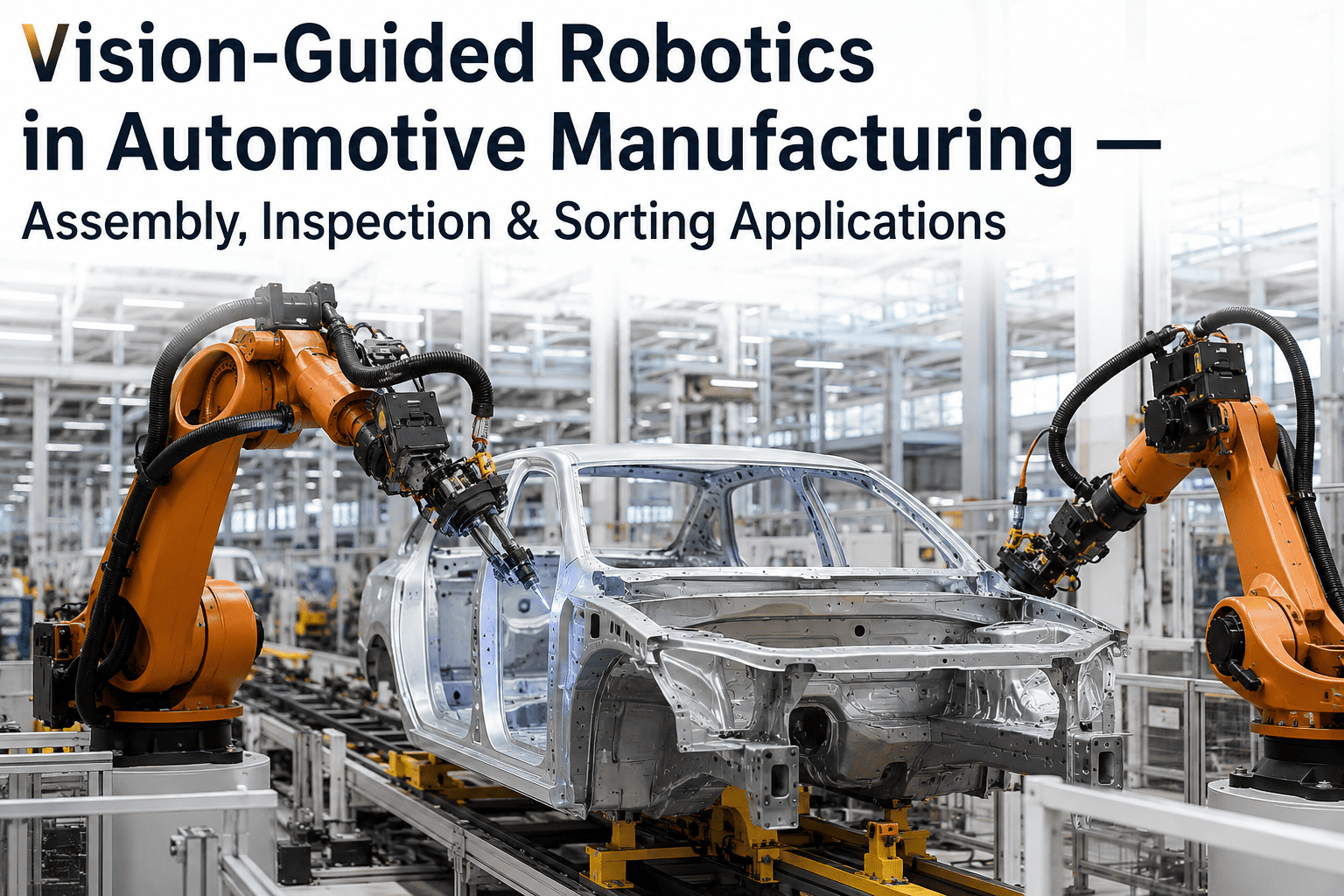
See how iFactory deploys computer vision at every assembly stage to inspect 100% of parts in real-time, detecting defects invisible to human inspectors and enabling immediate correction before non-conforming components progress downstream.
Inline AI Inspection Deployment Workflow
The system executes continuous quality verification across five production stages, from body shop welding through final vehicle delivery, ensuring defect-free progression through assembly sequence.
Inline Inspection Problems AI Vision Solves
Each scenario represents a real quality escape that occurs when manual inspection cannot achieve 100% detection consistency at production line speed, resulting in downstream rework costs and customer dissatisfaction. Talk to an expert about your quality challenges.
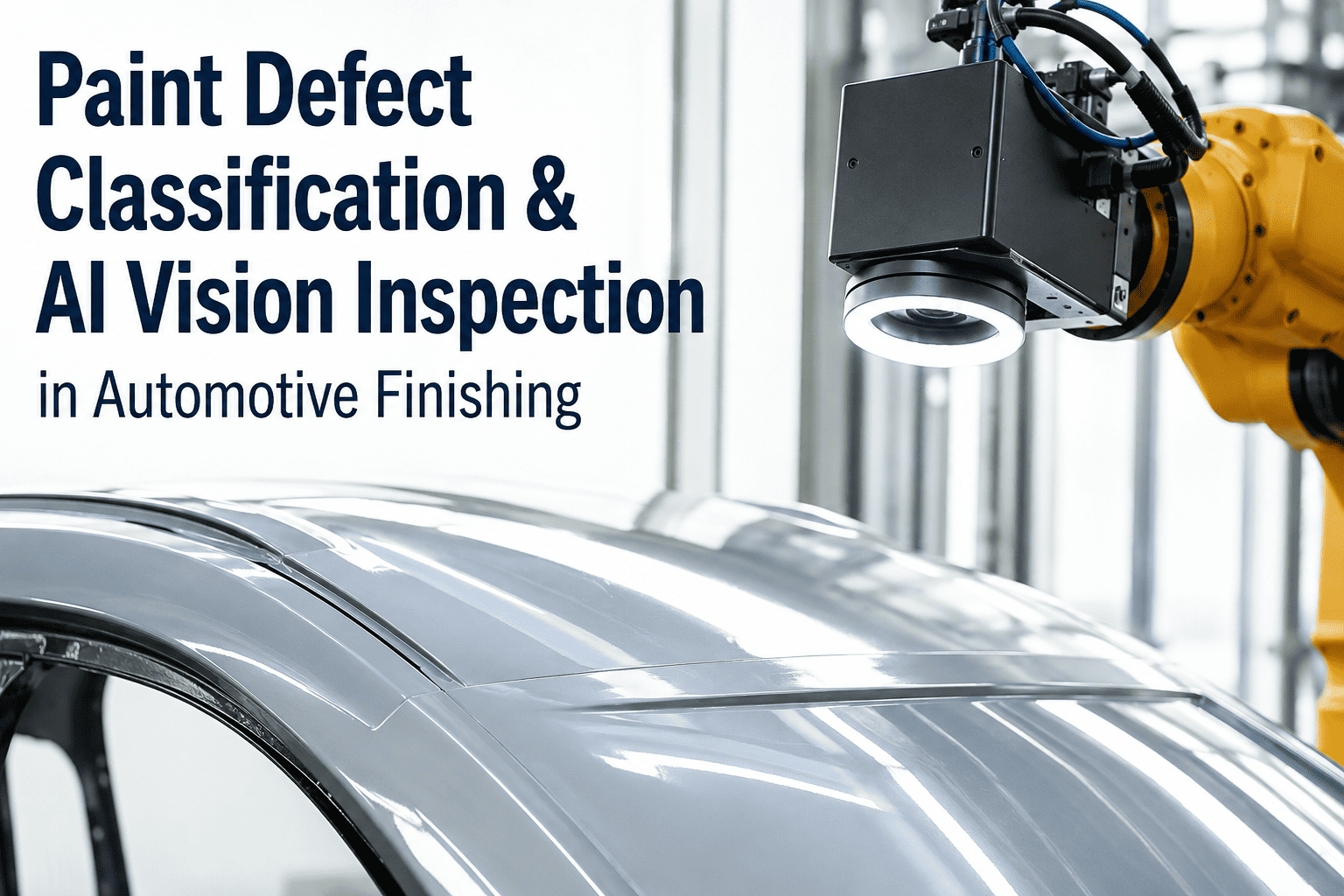
AI fix: Vision system in paint tunnel lighting booth captures door panel at 6 angles with polarized illumination optimized for defect detection. AI identifies 3.8mm scratch through base coat immediately after paint application, before clear coat. Vehicle diverted to paint repair station, scratch sanded and resprayed, re-inspected by AI, approved within 22 minutes. Rework cost $120 completed before assembly begins. Door never disassembled, zero assembly rework, $876 cost avoided per incident. Across 240,000 annual production volume with 2.4% paint defect rate, annual savings $5.06 million.
AI fix: Computer vision system operates 24/7 with consistent 99.4% detection accuracy regardless of time, shift, or production volume. No performance degradation over continuous operation. System inspects all 820 daily vehicles with uniform quality standard application. Defect escape rate reduced from 27% to 0.6% (false negative rate of AI system). Daily vehicles with escaped defects reduced from 221 to 5. Downstream rework volume reduced 98%, end-of-line quality gate first-pass rate improved from 94.2% to 99.7%, customer warranty claims for visual defects reduced 91% in first 12 months of deployment.
AI fix: 3D vision sensors measure all 127 gap and flush points on 100% of vehicles in 8.2 seconds per unit at line speed. Door-to-fender gap variation detected when measurement exceeds 5.5mm tolerance. Vehicle automatically routed to adjustment station where technician corrects door striker position, re-measurement confirms compliance, vehicle released to next station. Adjustment completed within 3 minutes at assembly line vs 2.4 hours at dealership. Dimensional defects causing 40% of customer visual quality complaints eliminated before delivery. Customer satisfaction scores for fit and finish improved 34 points in first year of AI measurement deployment.
AI fix: Vision camera at dashboard assembly station captures image after operator completes work. AI verifies all components present and correctly installed including 2 trim clips securing center console. System detects missing clips, immediately alerts operator via workstation display showing highlighted image of exact location requiring attention. Operator installs clips, presses verification button, AI re-inspects and confirms completion. Total correction time 28 seconds. Vehicle never leaves station incomplete, zero warranty claims for missing components, 100% installation verification vs 5% sample audit coverage. Component installation defect rate reduced from 1.2% to 0.03% after AI verification deployment across 47 assembly workstations.
AI fix: Vision system inspects all 248 weld points on 100% of bodies immediately after welding. First defective weld from robot #12 detected on unit #1, system flags VIN and alerts maintenance that weld quality degrading on robot #12 electrode position #3. Maintenance inspects robot, identifies electrode wear, replaces electrode within 12 minutes. Only 1 body requires weld repair at $840 cost vs 127 bodies at $2.1 million. Production line continues during electrode replacement using backup weld station. Zero downstream impact, defect contained at source, process issue corrected before defect pattern multiplies. 100% weld inspection vs 2% coverage from manual sampling prevents batch quality escapes.
AI fix: Vision system detects contamination particles in real-time, logs defect location, size, and frequency. After 48 hours of operation, AI identifies contamination pattern concentrated on left side of paint booth, correlates with ventilation airflow from filter bank #2. Alert generated to maintenance: "Contamination source detected, investigate filter bank #2." Maintenance inspects filters, discovers degradation, replaces filters. Contamination defects drop from 3.8% to 0.2% baseline within 4 hours. Total affected vehicles: 120 over 48-hour period vs 14,400 over 6-month period. Real-time defect analytics enables rapid root cause identification and elimination, preventing defect pattern escalation. Contamination-related rework reduced 97%, warranty claims eliminated.
Platform Capability Comparison
Generic machine vision systems capture images but lack automotive-specific defect libraries and production line integration. Manual inspection achieves inconsistent detection rates and cannot scale to 100% coverage at high production volumes. iFactory differentiates on deep learning models trained on millions of automotive defects, real-time process feedback for defect prevention, and seamless integration with existing MES and quality management systems. Book a comparison demo.
| Capability | iFactory | QAD Redzone | Evocon | Mingo Smart Factory | L2L Platform |
|---|---|---|---|---|---|
| Vision Inspection | |||||
| Automotive defect detection AI | Paint, weld, gap, surface trained | Not available | Not available | Not available | Not available |
| Real-time inline inspection at line speed | 60+ JPH verified | Not available | Not available | Not available | Not available |
| 3D dimensional measurement | Gap, flush, alignment sensors | Not available | Not available | Not available | Not available |
| Quality Management | |||||
| Defect classification and tracking | 127 defect types, auto-categorized | Manual entry | Manual entry | Manual entry | Manual entry |
| Process feedback for prevention | Real-time root cause alerts | Post-analysis only | Post-analysis only | Post-analysis only | Post-analysis only |
| VIN-level quality traceability | Full defect history per vehicle | Limited tracking | Limited tracking | Limited tracking | Limited tracking |
| Production Integration | |||||
| Automatic rework routing | MES integration for defect handling | Manual routing | Manual routing | Manual routing | Manual routing |
| Line speed adaptation | Scales 30-90 JPH | Not applicable | Not applicable | Not applicable | Not applicable |
| Multi-model configuration | Auto-adapt to model changeover | Not applicable | Not applicable | Not applicable | Not applicable |
Based on publicly available product documentation as of Q1 2025. Verify current capabilities with each vendor before procurement decisions.
iFactory's inline inspection catches defects at every production stage before they progress downstream, reducing end-of-line rework by 94% and ensuring zero-defect delivery to customers.
Regional Quality Standards & Automotive Compliance
iFactory's AI inspection platform helps automotive manufacturers meet quality standards and regulatory requirements across global production regions, ensuring consistent defect detection and documentation for certification compliance.
| Region | Key Standards | Quality Requirements | iFactory Implementation |
|---|---|---|---|
| United States | IATF 16949 automotive quality, FMVSS safety standards, EPA emissions certification, NHTSA recall requirements | Zero defect manufacturing targets, 100% traceability for safety-critical components, documented quality control processes per IATF 16949, first-time-through quality metrics for OEM scorecards, visual quality standards per customer specifications | IATF 16949 compliant quality documentation with automated defect logging and corrective action tracking, VIN-level traceability linking all inspection results to individual vehicles, safety-critical component verification with image retention for regulatory audit, automated OEM scorecard data export for supplier quality ratings, EPA and NHTSA compliance data integration |
| United Arab Emirates | UAE standardization requirements, Gulf Cooperation Council automotive standards, Emirates Authority specifications | Visual quality standards for high-temperature climate durability, paint adhesion and corrosion resistance verification for desert environment exposure, dimensional tolerance compliance for extreme temperature variation, component installation verification preventing sand and dust ingress | Climate-specific defect detection for UAE market including paint adhesion testing criteria, seal and gasket installation verification ensuring dust protection, dimensional measurement validating thermal expansion tolerances, automated compliance documentation formatted for UAE regulatory submissions and import certification |
| United Kingdom | IATF 16949, British Standards Institution automotive quality, DVSA vehicle approval, WLTP emissions compliance | Right-hand drive configuration verification, UK market-specific component installation validation, paint and corrosion protection per British climate requirements, quality documentation for DVSA type approval, emissions system component installation verification | Right-hand drive specific inspection templates validating mirror placement, steering components, and dashboard configuration, DVSA compliance documentation auto-generation, British Standards compliant measurement protocols, quality data formatted for WLTP certification submissions, automated defect classification per UK market warranty tracking requirements |
| Canada | IATF 16949, Transport Canada Motor Vehicle Safety Standards, Canadian Environmental Protection Act, CSA automotive standards | Bilingual labeling verification (English and French), cold climate durability quality standards, corrosion protection for road salt exposure, emission control component installation verification, Transport Canada safety compliance documentation | Bilingual label presence and readability verification using OCR technology, cold climate specific paint and seal inspection criteria, corrosion protection coating verification, Transport Canada MVSS compliance data auto-generation, French and English dual-language defect reporting for Quebec production facilities |
| Germany | VDA 6.3 process audit, IATF 16949, TUV certification requirements, German Federal Motor Transport Authority (KBA) standards | VDA quality capability studies for process validation, precise dimensional tolerances per German engineering standards, surface finish specifications for premium vehicle segments, comprehensive quality documentation for TUV audits, KBA type approval quality evidence | VDA 6.3 compliant process capability data collection and analysis, high-precision dimensional measurement meeting German OEM specifications (0.1mm tolerance validation), surface finish measurement quantifying gloss and orange peel per premium standards, TUV audit-ready quality documentation with statistical process control charts, KBA type approval data packages auto-generated from inspection results |
| Europe (EU) | IATF 16949, WLTP emissions, EU type approval, General Safety Regulation, CE marking requirements | WLTP emissions component installation verification, EU type approval quality documentation, advanced driver assistance system (ADAS) sensor alignment verification, pedestrian safety feature validation, multi-country market specification compliance | WLTP component installation verification with image documentation for regulatory audit, EU type approval automated data packages, ADAS sensor alignment measurement and certification, pedestrian safety feature presence validation (hood sensors, bumper design), multi-market configuration management enabling single platform inspection for pan-European production, GDPR-compliant quality data handling with EU data residency options |
iFactory maintains compliance with evolving regional standards through regular software updates and model training. Contact support for specific OEM quality requirements.
Measured Outcomes from Deployed Automotive Production Lines
From the Field
Frequently Asked Questions
iFactory's inline inspection system catches quality issues before they progress downstream, eliminating costly end-of-line rework and customer quality complaints through 100% real-time defect detection at production line speed.