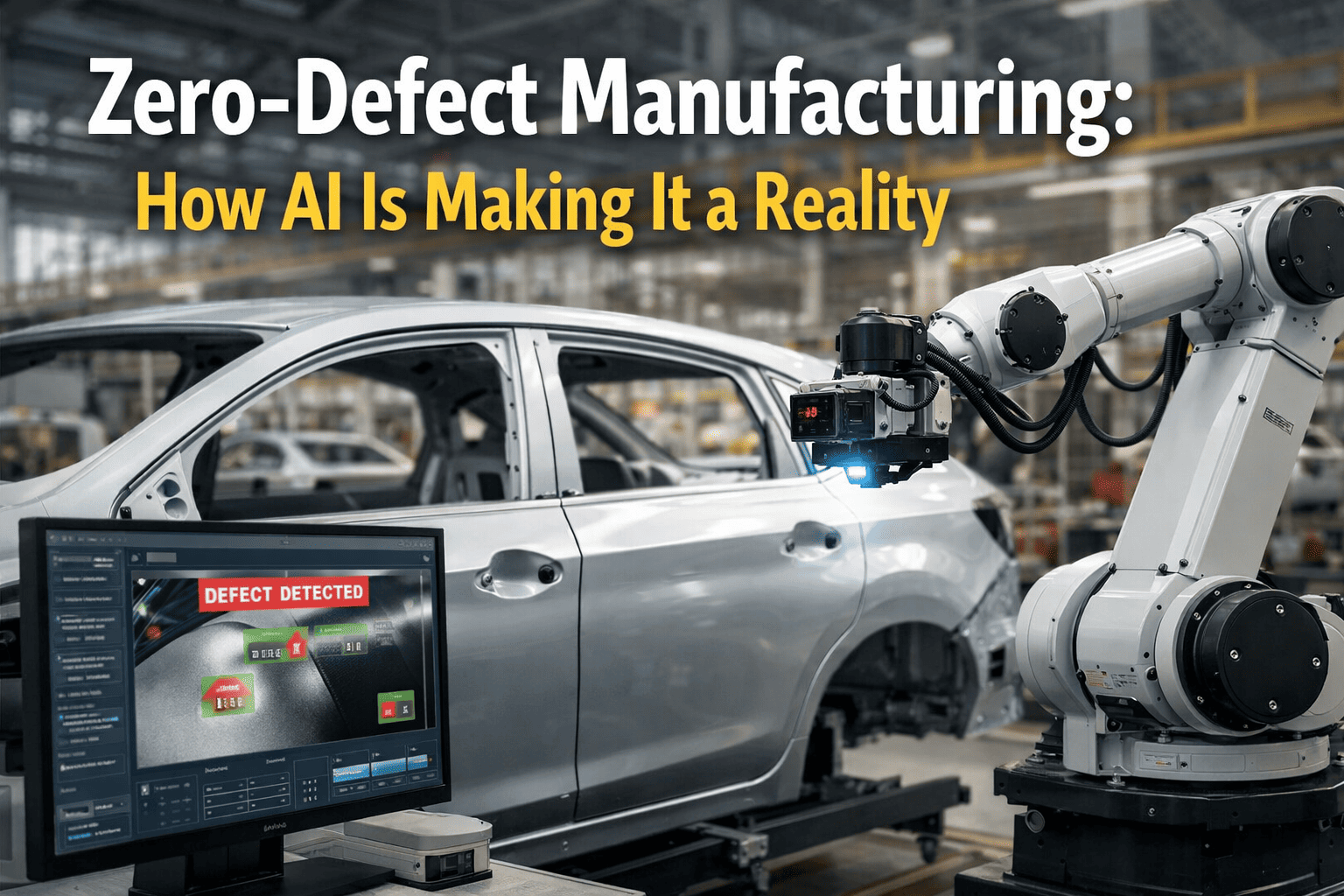
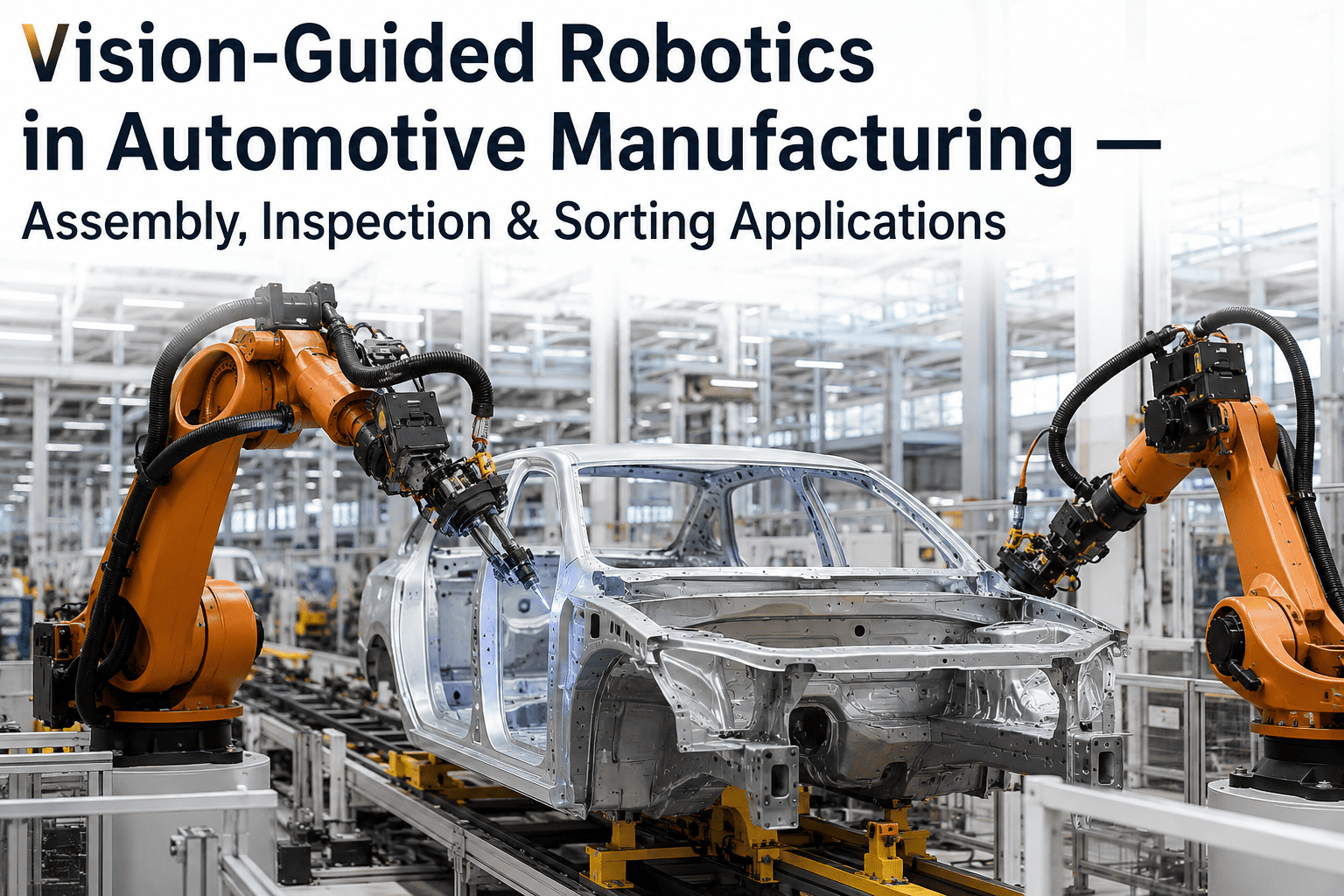
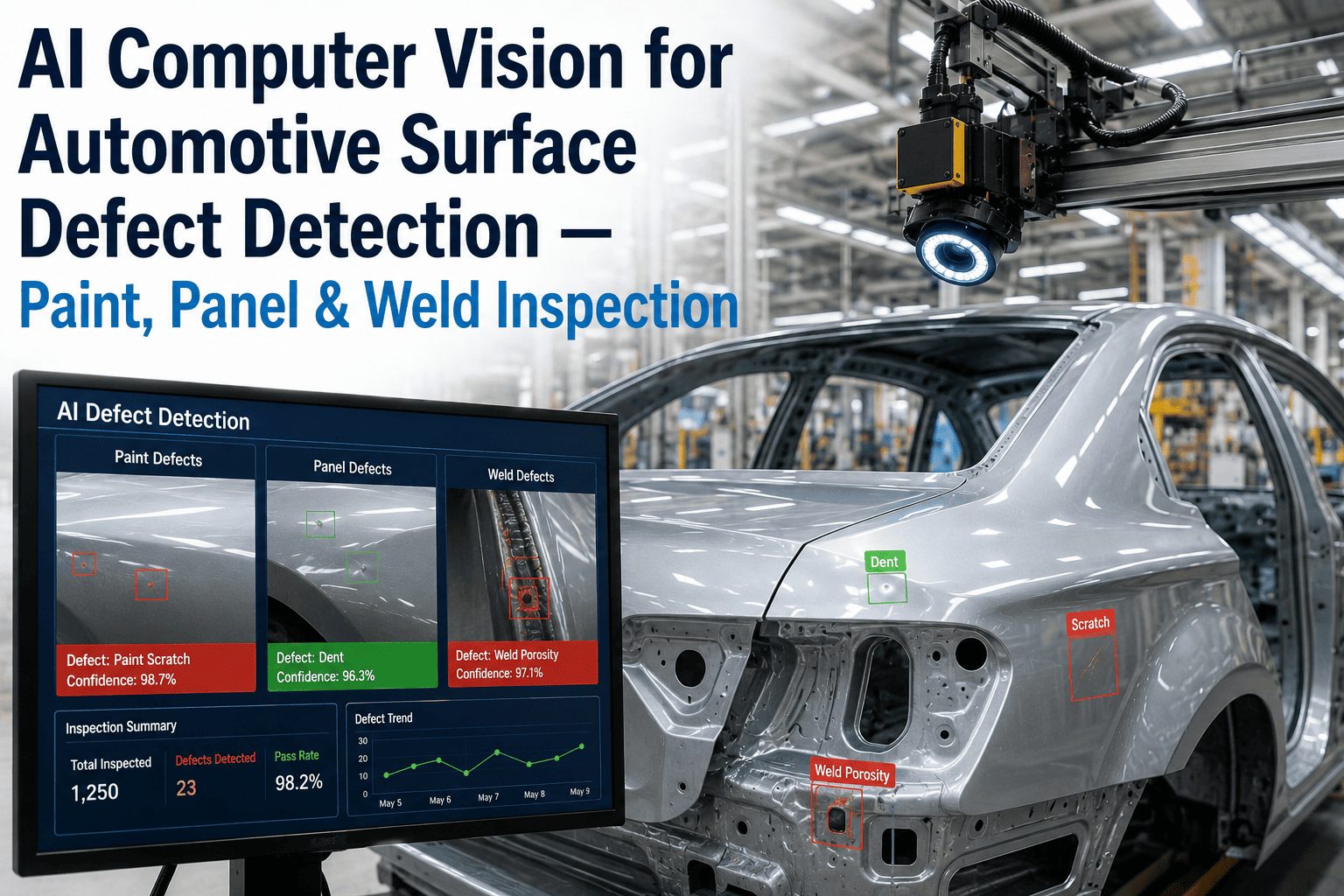
Manual visual inspection on automotive assembly lines misses 8-12% of critical defects because human inspectors cannot maintain consistent attention across 400-600 parts per hour, leading to warranty claims costing $1,200-$3,800 per vehicle and recall risks averaging $18M per incident. Traditional quality gates rely on sampling inspection (checking 1 in 50 units), creating statistical blind spots where defective components reach final assembly undetected. iFactory's AI-powered computer vision platform inspects 100% of parts at line speed with 99.7% defect detection accuracy, identifying paint defects, weld inconsistencies, surface scratches, and dimensional variations invisible to human inspection while generating real-time quality data that prevents defects from propagating downstream. Book a demo to see computer vision deployed on your assembly line.
Quick Answer
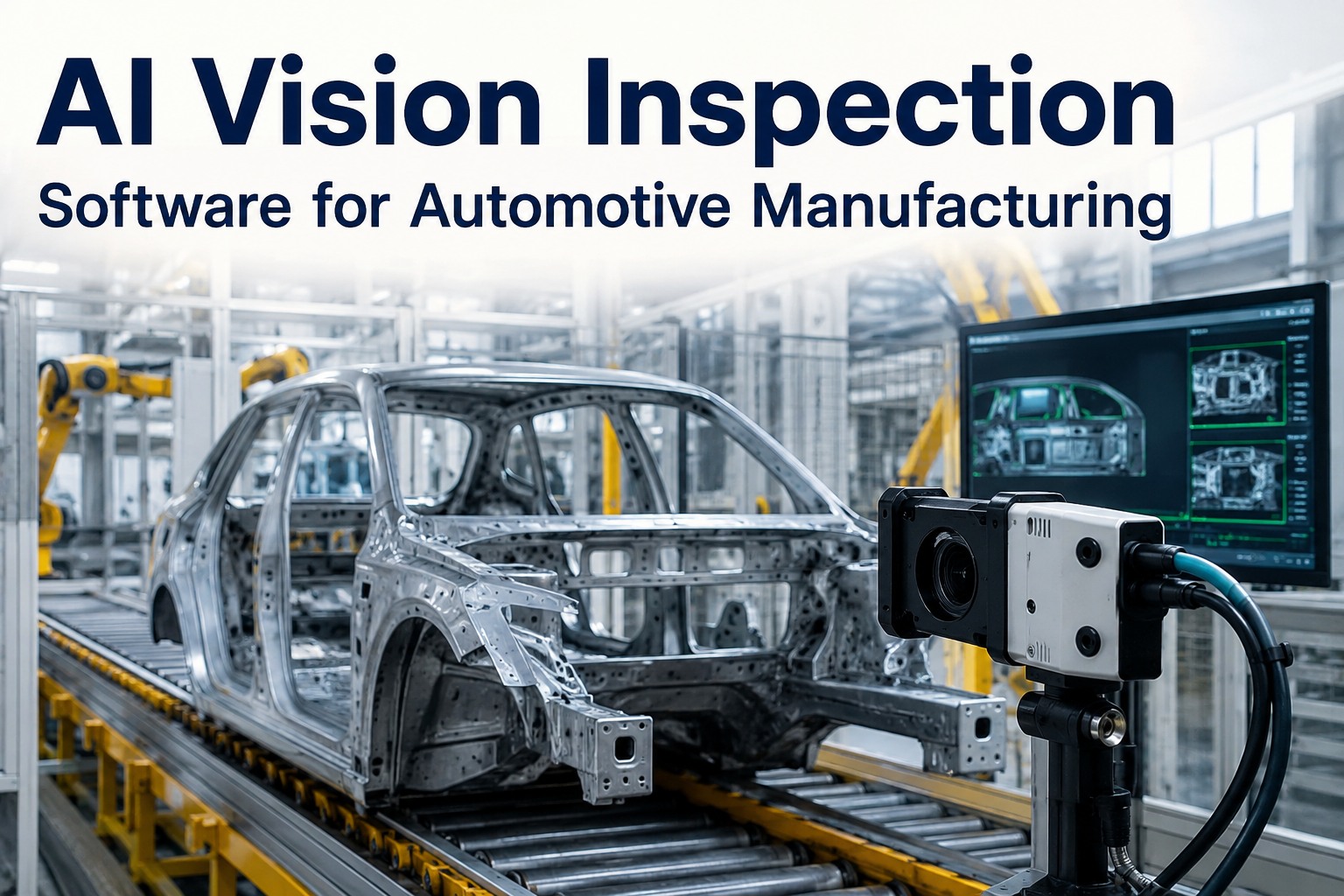
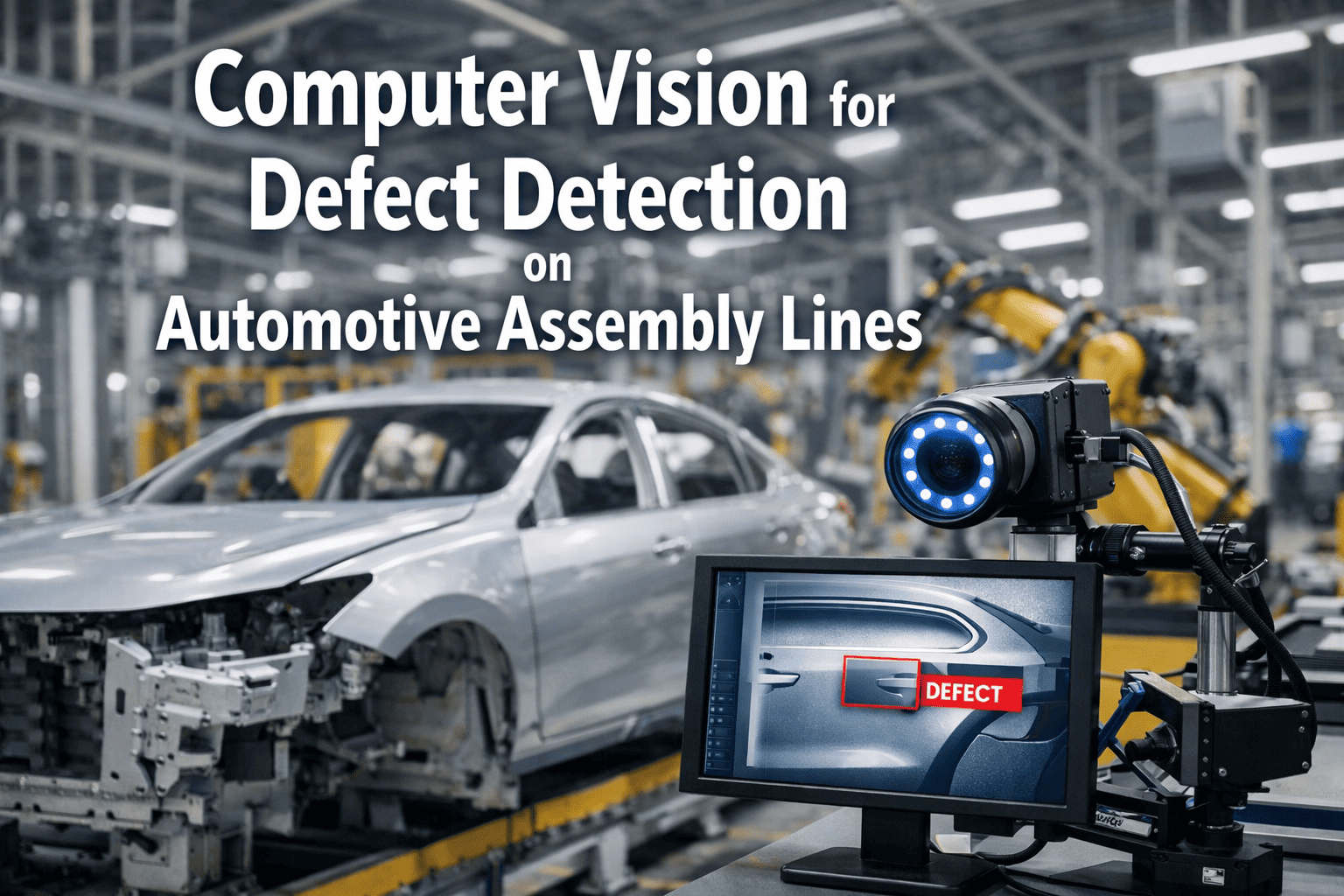
Computer vision for defect detection uses AI-trained cameras and deep learning algorithms to inspect automotive parts at production speed, identifying surface defects, dimensional errors, assembly mistakes, and quality variations with accuracy exceeding 99%. Unlike human inspection limited by fatigue and sampling constraints, computer vision systems inspect every single part, capture defect images for root cause analysis, and integrate with production systems to trigger automatic rejection or line stops when defect rates exceed thresholds.
How Computer Vision Transforms Automotive Quality Inspection
Traditional automotive quality control operates on sample-based inspection where quality inspectors manually check a statistical subset of production. A paint line producing 120 vehicles per hour might inspect 12 units (10% sampling rate), missing defects in the 90% that pass uninspected. Computer vision eliminates sampling by inspecting every part at full production speed while maintaining consistent detection standards across all shifts.
1
Image Acquisition
High-resolution cameras capture multiple angles of each part under controlled lighting. Paint inspection requires 6-8 camera positions to detect defects across complex body panel curvature. Weld inspection uses specialized lighting to reveal surface irregularities invisible under ambient conditions.
Multi-Angle CaptureControlled Lighting100% Coverage
2
AI Defect Recognition
Deep learning models trained on thousands of defect examples identify scratches, dents, paint orange peel, weld porosity, and dimensional variations. AI distinguishes between acceptable manufacturing variation and actionable defects, reducing false positive rates to under 2%.
Deep LearningPattern Recognition99.7% Accuracy
3
Real-Time Decision
System classifies defects by severity: critical defects trigger automatic rejection, minor defects flag for rework station routing, acceptable variations log for trending analysis. Decision latency under 200ms enables inline integration without slowing production.
Instant ClassificationAuto RejectionRework Routing
4
Data Integration & Analytics
Defect data flows to quality management systems, triggering Pareto analysis by defect type, shift performance tracking, and predictive alerts when defect rates trend upward. Root cause correlation links defects to specific equipment, operators, or material batches.
Every defect captured with location coordinates, severity classification, timestamp, and defect image for continuous improvement analysis.
AI Quality Inspection
Inspect 100% of Parts at Production Speed
iFactory computer vision eliminates sampling inspection, detects defects invisible to human inspectors, and provides real-time quality data for immediate process correction.
Critical Defect Types Computer Vision Detects
Automotive manufacturing presents unique inspection challenges across paint, welding, assembly, and final inspection stages. Computer vision systems train on defect-specific datasets to achieve detection rates exceeding manual inspection capabilities.
Paint Surface Defects
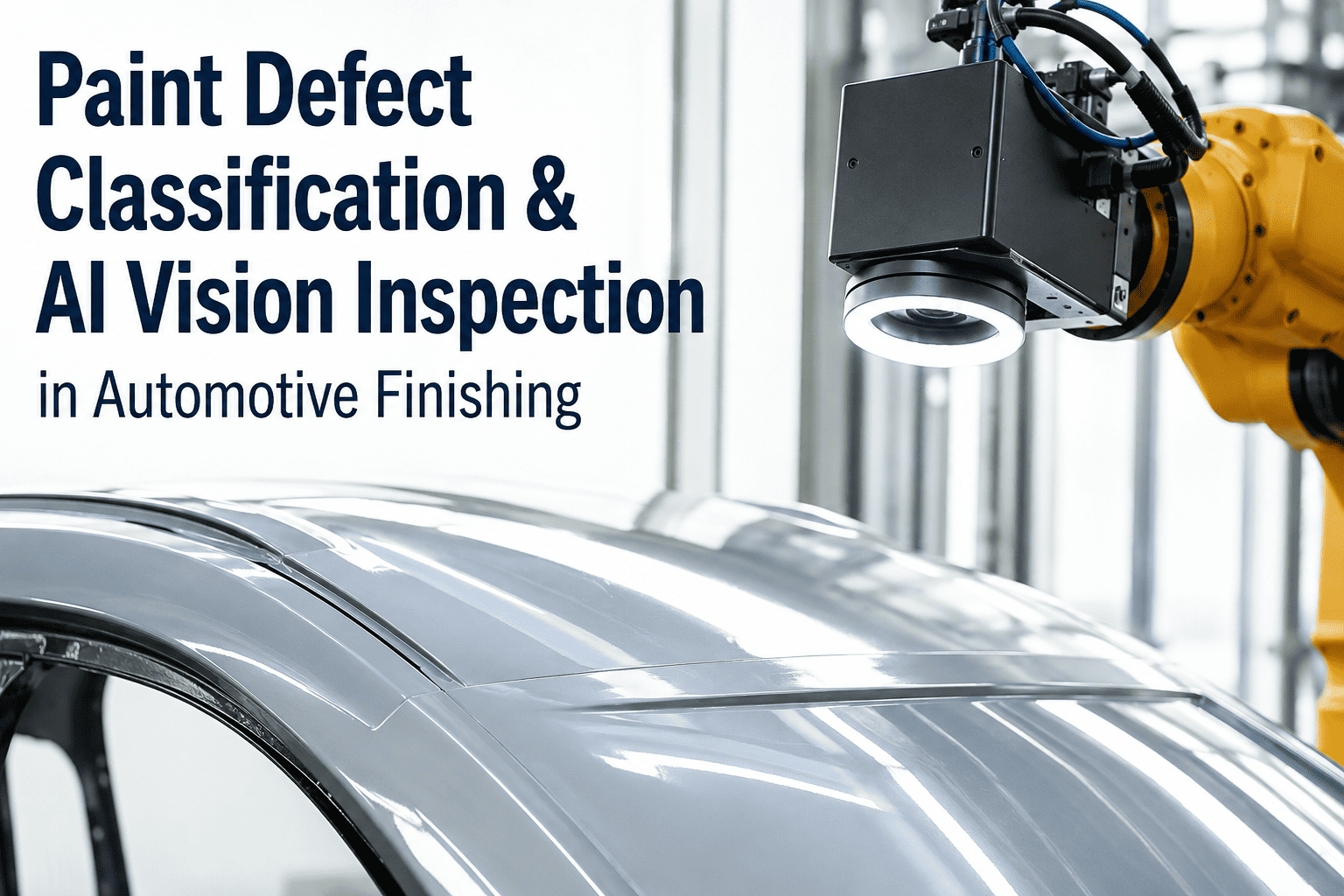
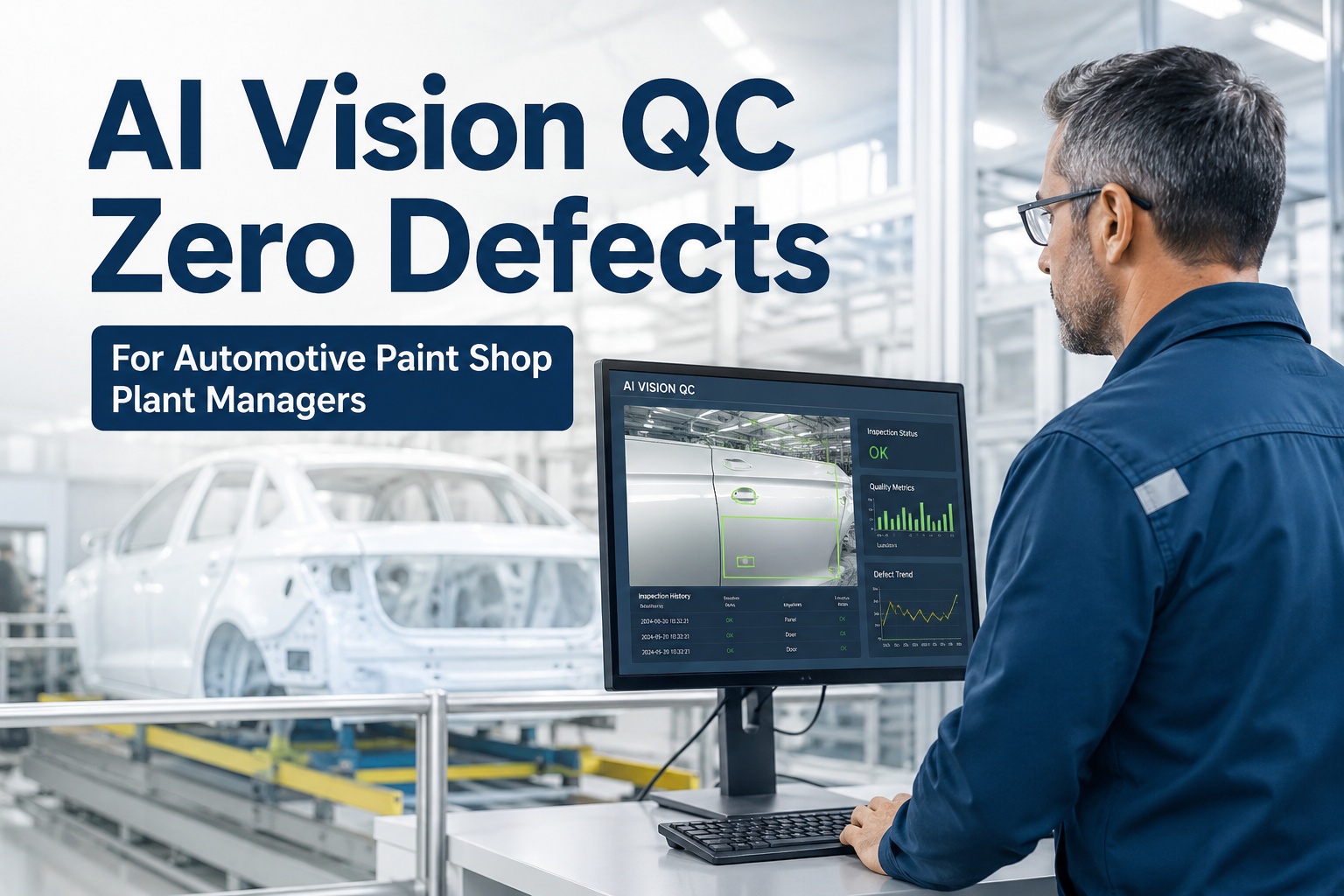
Orange peel, dirt contamination, runs and sags, color mismatch, and clearcoat unevenness. Human inspectors miss 15-22% of paint defects under standard booth lighting. Computer vision with polarized illumination detects surface texture variations down to 50 microns, identifying defects requiring rework before vehicles leave paint shop.
Weld Quality Issues
Porosity, incomplete penetration, spatter, undercut, and weld bead irregularities. Traditional inspection relies on destructive testing of sample welds. Computer vision inspects every weld using surface topography analysis and thermal imaging, detecting structural defects that compromise crash safety without destructive methods.
Dimensional Variations
Panel gaps, alignment errors, fitment issues, and tolerance deviations. Manual measurement samples 5-10% of production. Computer vision with laser profiling measures gap and flush specifications on 100% of units with repeatability within 0.1mm, preventing assembly issues downstream.
Assembly Errors
Missing components, incorrect parts, reversed installation, and fastener verification. Manual assembly verification checks critical fasteners on sample basis, missing installation errors. Computer vision confirms presence, orientation, and torque stripe alignment on every fastener, preventing safety recalls from assembly mistakes.
Regional Automotive Manufacturing Compliance
iFactory operates under automotive industry quality and data protection standards across major manufacturing regions.
| Region |
Quality Standards |
Data Security |
Regulatory Bodies |
| United States | IATF 16949, ISO 9001, AIAG APQP, PPAP | ISO 27001, SOC 2 Type II, US data residency | NHTSA, EPA, OSHA, SAE International |
| UAE | IATF 16949, ISO 9001, ESMA standards | UAE Data Protection Law, ISO 27001 | ESMA, Dubai Economy, ADNOC quality reqs |
| Germany | VDA 6.3, IATF 16949, ISO 9001 | GDPR, ISO 27001, German data residency | VDA, KBA, TUV certification bodies |
| United Kingdom | IATF 16949, ISO 9001, UK automotive standards | UK GDPR, ISO 27001, UK data centers | SMMT, VCA, HSE workplace safety |
| Canada | IATF 16949, ISO 9001, Transport Canada reqs | PIPEDA, ISO 27001, Canadian data residency | Transport Canada, CVMA, provincial safety |
iFactory vs Competitor Vision Systems
Generic machine vision provides basic inspection capabilities. iFactory differentiates on automotive-specific AI training, real-time analytics integration, and predictive quality capabilities.
| Capability |
iFactory |
Cognex |
Keyence |
Omron |
| AI Detection |
| Deep learning defect recognition | Automotive-trained models | Generic training | Rule-based detection | Pattern matching |
| Detection accuracy | 99.7% on complex defects | 95-97% | 94-96% | 92-95% |
| Integration |
| Real-time quality analytics | Integrated dashboards | Separate system | Manual export | Not included |
| Predictive defect alerts | Trend-based warnings | Reactive only | Not available | Not available |
| Deployment |
| Setup time to production | 2-3 weeks with training | 4-6 weeks | 6-8 weeks | 4-6 weeks |
Zero Defect Manufacturing
Achieve 99.7% First Pass Yield with AI Inspection
iFactory computer vision catches defects before they propagate downstream, reducing warranty claims, recall risk, and rework costs while improving production throughput.
Implementation Roadmap
Deploying computer vision on automotive assembly lines follows structured phases from proof of concept through full production integration. Typical timeline: 8-12 weeks to live inspection.
Week 1-2
Baseline Assessment
Analyze current defect rates, identify critical inspection points, collect sample defect images. Define success metrics and ROI targets.
Week 3-5
AI Model Training
Train deep learning models on collected defect examples. Validate detection accuracy on test dataset. Iterate until achieving 99%+ accuracy target.
Week 6-8
System Integration
Install cameras and lighting at inspection stations. Connect to production control systems. Configure automatic rejection triggers and data export.
Week 9-12
Production Validation
Run parallel with existing inspection for validation. Measure detection rates, false positive rates, and production impact. Full cutover after validation.
Measured Results
99.7%
Defect Detection Accuracy
85%
Reduction in Escaped Defects
100%
Parts Inspected at Speed
$2.4M
Average Annual Savings
Frequently Asked Questions
QHow does computer vision achieve higher defect detection than human inspectors?
Computer vision maintains consistent attention across every part without fatigue, uses specialized lighting to reveal defects invisible under standard conditions, and applies AI trained on thousands of defect examples to recognize subtle variations humans miss. Human inspectors achieve 88-92% detection on repetitive tasks; AI consistently exceeds 99%.
Book a demo to see detection comparison.
QCan computer vision inspect at automotive production speeds?
Yes, iFactory systems process inspection images in under 200ms, supporting production rates exceeding 120 units per hour. Multi-camera configurations capture all required angles simultaneously, eliminating sequential inspection bottlenecks. System scales to any production speed with additional camera stations.
QWhat happens when the system detects a defect during production?
System classifies defects by severity programmed thresholds. Critical defects trigger automatic part rejection and optional line stop. Minor defects route parts to rework stations. All defects log with images, coordinates, and timestamps for root cause analysis. Quality team receives real-time alerts when defect rates exceed control limits.
QHow long does computer vision implementation take for automotive assembly?
Typical deployment spans 8-12 weeks: 2 weeks baseline assessment, 3 weeks AI model training, 3 weeks system integration, 4 weeks production validation running parallel with existing inspection. Timeline varies based on number of inspection stations and defect types.
Book a demo for timeline estimate.
QDoes computer vision replace human quality inspectors?
Computer vision handles repetitive 100% inspection tasks where human fatigue causes detection errors. Quality inspectors shift to higher-value activities: root cause analysis on flagged defects, process improvement initiatives, final audit verification, and continuous AI model refinement. Most plants reduce inspector headcount 40-60% while improving overall quality metrics.
Continue Reading
Deploy Computer Vision Defect Detection on Your Assembly Line
iFactory AI-powered inspection achieves 99.7% detection accuracy, inspects 100% of parts at production speed, and provides real-time quality analytics preventing defects from reaching customers.
99.7% Accuracy
100% Inspection
Real-Time Analytics
Zero Sampling
85% Defect Reduction