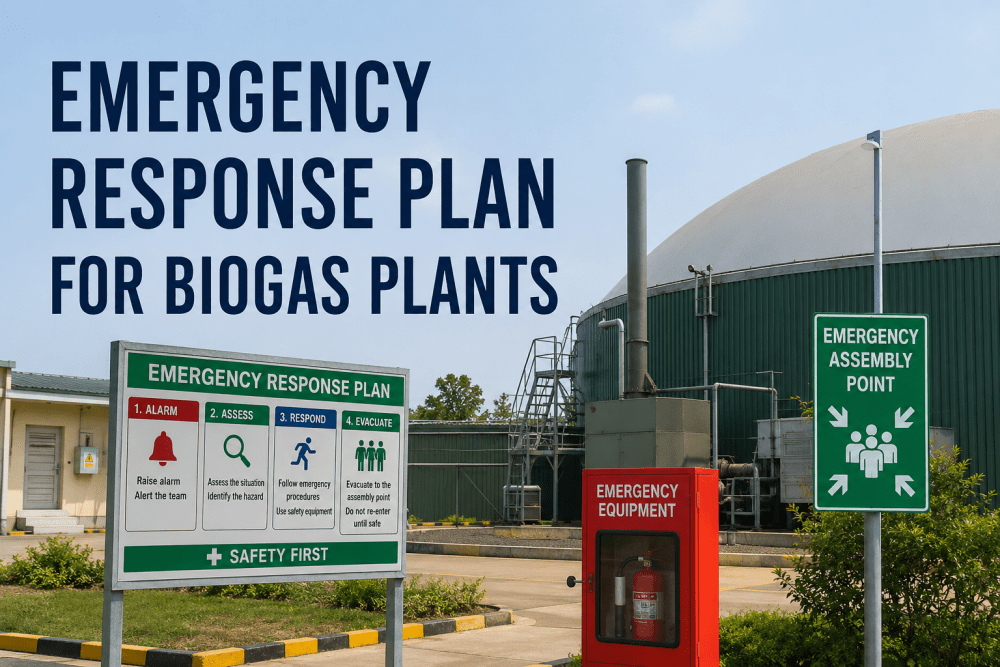
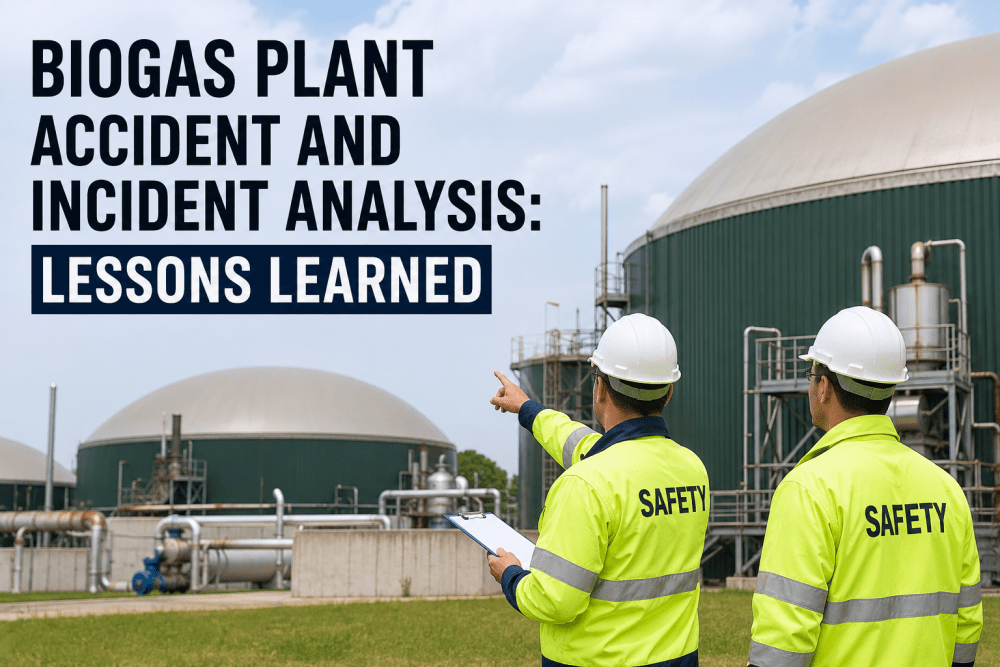
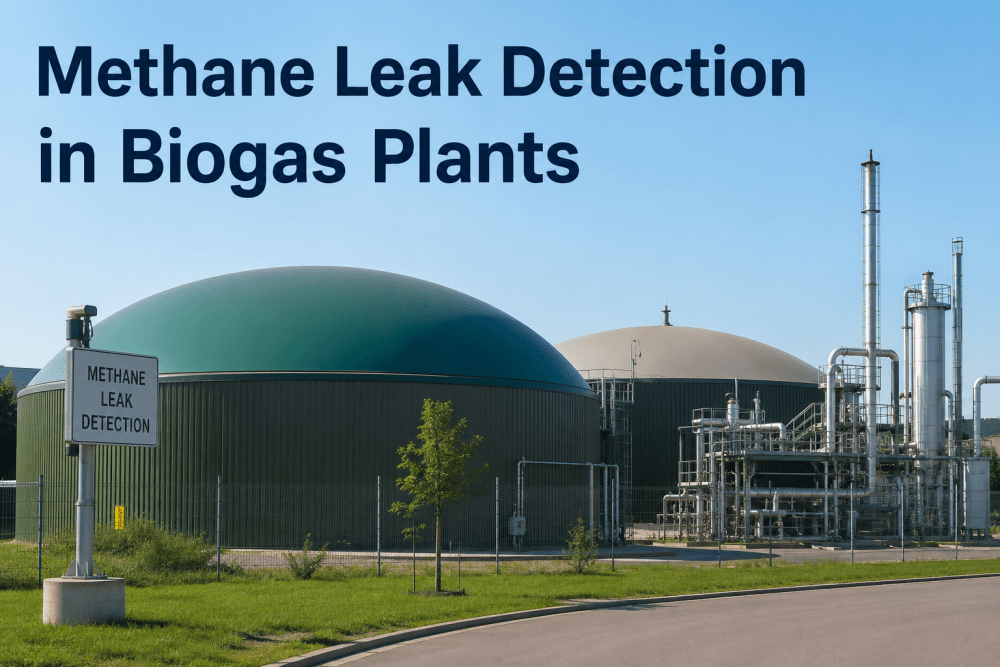
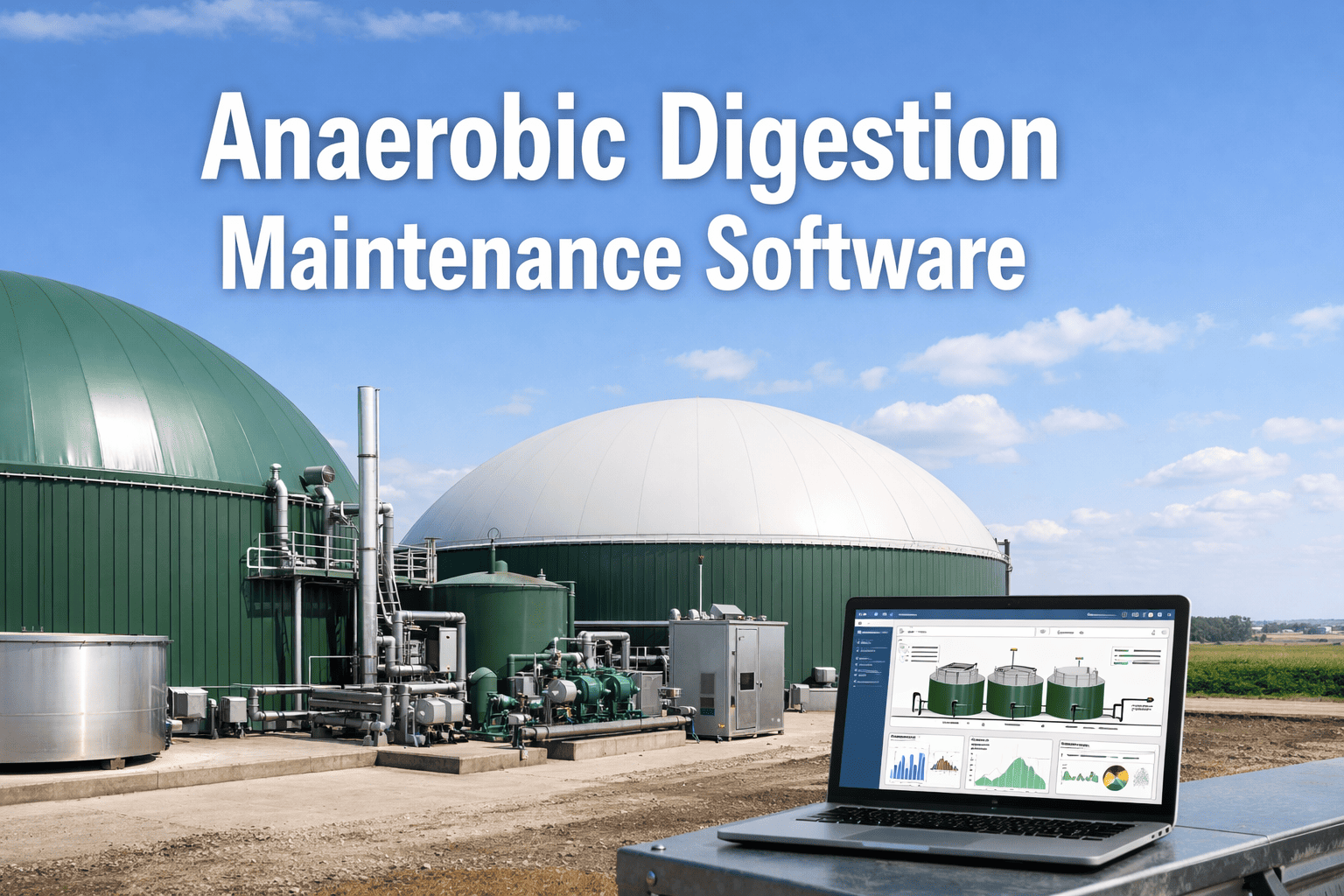
In a biogas plant, the margin between a controlled shutdown and a catastrophic pressure event is measured in seconds — not minutes. To see how iFactory's AI-driven Biogas Safety & Response platform transforms your plant's emergency preparedness, Book a Demo with our biogas process safety team today.
BIOGAS SAFETY & RESPONSE
Is Your Emergency Response Plan Keeping Pace with Your Operational Risk?
iFactory delivers real-time digester intelligence and automated emergency response workflows for biogas facilities — eliminating the blind spots that turn process deviations into safety incidents.
62%
of biogas plant incidents involve undetected gas pressure anomalies in the 30 minutes preceding the event
$2.8M
Average cost of a biogas facility explosion including downtime, regulatory fines, and equipment replacement
40%
Reduction in emergency response time achieved by plants using AI-driven gas monitoring and automated alerting
3.8x
Higher mean-time-between-incidents for biogas plants using predictive analytics on digester health and gas integrity
The Hidden Risk Landscape in Biogas Operations
Why Periodic Monitoring Creates a False Sense of Safety
Biogas plants operate in a uniquely hazardous environment — pressurized digesters containing flammable methane, toxic hydrogen sulfide (H2S), and oxygen-deficient atmospheres, all within close proximity to electrical equipment and personnel.Book a Demo
5 Root Causes of Emergency Response Failure in Biogas Plants
Diagnosing the Gaps Before the Next Incident
01
Undetected Digester Overpressure Events
Most digesters only monitor headspace pressure at a single point. iFactory deploys distributed pressure sensing across the gas collection system, identifying localized overpressure zones caused by foam, scum layer formation, or blocked gas outlets before they trigger a PRV release.
Book a Demo to see our digester integrity monitoring in action.
02
Delayed H2S and Methane Detection
Gas detection systems in biogas plants often sample on a rotating cycle, meaning a specific zone may go unchecked for minutes at a time. iFactory's continuous gas analytics platform provides real-time concentration tracking across all zones, with automatic source isolation triggers and immediate operator notification.
03
Manual Emergency Shutdown Sequences
Paper-based or human-dependent emergency shutdown sequences introduce unacceptable delays during critical events. iFactory automates the entire "Emergency Isolation Sequence" — triggering valve closure, vent activation, and gas routing changes within milliseconds of a verified alarm condition.
04
Inadequate Pressure Relief Valve Diagnostics
A stuck or partially lifted PRV can silently vent explosive gas to the atmosphere without any operator awareness. iFactory monitors PRV position feedback, downstream temperature trends, and acoustic signatures to identify leakage or incomplete reseating immediately.
05
Fragmented Incident Response Documentation
Regulatory compliance under OSHA PSM and EPA RMP requires a complete, timestamped record of every process deviation and operator response. iFactory's Digital Logbook captures all sensor data, alarm events, and operator actions in an unbroken chain-of-custody audit trail.
Book a Demo
Emergency Response Failure Modes & Cost Impact
Quantifying the True Cost of Biogas Safety Gaps
An emergency event in a biogas plant is never a "safety-only" incident — it cascades into operational downtime, environmental release, regulatory penalties, and reputational damage. When your emergency response posture is reactive, every minute of delayed detection compounds the financial exposure. The table below outlines the annualized risk profile of common biogas failure modes for a 5 MW anaerobic digestion facility.
| Failure Mode |
Primary Asset Impact |
Secondary Operational Risk |
Annualized Cost Range |
| Digester Overpressure |
Structural Damage / PRV Failure |
Uncontrolled Methane Release |
$180K – $450K |
| H2S Leak (Confined Space) |
Personnel Exposure / PEL Exceedance |
Regulatory Citation (OSHA) |
$95K – $310K |
| Foam-Induced Overpressure |
Gas Flare Activation |
Loss of Gas Utilization Revenue |
$60K – $180K |
| Methane Leak (Uncaptured) |
GHG Emission / Air Permit Violation |
EPA Enforcement Action |
$140K – $520K |
| Combustion Engine Overspeed |
CHP Unit Damage |
Total Plant Power Outage |
$210K – $680K |
Building a Digitized Emergency Response Framework
The 5-Step Blueprint for Biogas Plant Safety Modernization
Step 01
Real-Time Gas Inventory Baseline
Establish a continuous baseline of methane, H2S, O2, and CO2 levels across all digester zones, gas piping, and confined spaces. iFactory's sensor fusion layer creates a "Gas Digital Twin" that becomes the foundation of your emergency response logic and alarm threshold configuration.
Step 02
Automated Emergency Isolation Sequences
Configure cause-and-effect matrices that automatically execute isolation steps when gas levels or pressures exceed safe thresholds. iFactory's automation engine triggers valve trains, vent stacks, and gas routing changes in sub-second cycles.
Step 03
Predictive PRV & Valve Health Monitoring
Deploy acoustic and position-based monitoring on every pressure relief and isolation valve. A 200ms drift in response time is a leading indicator of stem corrosion or spring fatigue — iFactory flags it before the next scheduled inspection.
Book a Demo
Step 04
Digital Twin Emergency Scenario Simulation
Use iFactory's Digital Twin engine to simulate emergency scenarios — from line ruptures to power failures — and validate your response procedures in a risk-free virtual environment before they are needed in the field.
Step 05
Audit-Ready Incident Documentation
Every sensor reading, alarm, and operator action is automatically logged with precise timestamps. When regulators arrive, your incident record is complete, time-synchronized, and ready for review — without manual logbook reconstruction or forensic data recovery.
Safety & Regulatory Compliance in Biogas Operations
Navigating OSHA, EPA, and NFPA Requirements with Digital Precision
In biogas plant operations, safety compliance is not optional — it is the license to operate. OSHA's Process Safety Management (PSM) standard, EPA's Risk Management Plan (RMP) requirements, and NFPA 69 (Explosion Prevention Systems)
OSHA PSM Compliance
Automate the documentation of process safety information, mechanical integrity inspections, and incident investigations required under 29 CFR 1910.119 with iFactory's integrated PSM module that maps directly to regulatory requirements.
EPA RMP Reporting
Maintain an unbroken chain of evidence for all hazardous substance releases. iFactory's audit trail automatically populates the five-year accident history required for EPA Risk Management Plan submissions.
NFPA 69 Explosion Prevention
Monitor and document all explosion prevention system parameters — including gas concentration, oxidant concentration, and ignition source detection — to demonstrate ongoing compliance with NFPA 69 requirements.
Emergency Response Training Validation
Track and verify that every operator has completed required emergency response drills. iFactory's training module links personnel qualifications directly to your digital emergency response procedures.
"Before iFactory, our emergency response plan was a three-ring binder on the plant manager's shelf. We were manually logging gas readings every two hours — and we missed a developing overpressure event during a night shift because the operator was busy with a feed pump issue. Since implementing iFactory's real-time gas monitoring and automated isolation sequences, our emergency response time has dropped by over 50%, and our insurance carrier has recognized the improvement with a measurable premium reduction."
Plant Operations Director
Anaerobic Digestion Facility, Midwest USA
Conclusion: The Transition to Proactive Biogas Safety
The biogas industry is at an inflection point. Regulatory scrutiny is intensifying, insurance carriers are demanding verifiable safety improvements, and the operational complexity of modern AD facilities continues to increase. The facilities that will thrive in this environment are those that recognize emergency response as a continuous, data-driven capability rather than a static document. iFactory's AI-driven platform provides the real-time intelligence, automated response, and compliance documentation that transforms your emergency response plan from a regulatory requirement into a competitive advantage. Book a Demo to start your safety modernization journey.
Frequently Asked Questions
What are the most common emergency scenarios in a biogas plant?
The most frequent emergency events include digester overpressure (often caused by foam or scum layer formation blocking gas outlets), methane leaks from gas piping or valve seal failures, H2S detection in confined spaces exceeding IDLH thresholds, and CHP unit overspeed events. Each requires a distinct, pre-planned response procedure executable within seconds of detectionBook a Demo.
How does real-time gas monitoring improve emergency response times?
Real-time monitoring eliminates the data gap between periodic manual readings. iFactory's platform detects gas concentration changes and pressure deviations within seconds, automatically correlating them with process conditions to distinguish between normal operational variation and genuine emergency precursors. This allows operators to intervene before a minor deviation escalates into a full-scale incident.
What regulatory standards apply to biogas plant emergency response?
Biogas plants in the U.S. are subject to OSHA's PSM standard (29 CFR 1910.119), EPA's RMP requirements (40 CFR Part 68), and NFPA standards including NFPA 69 (Explosion Prevention Systems) and NFPA 820 (Fire Protection in Wastewater Treatment Plants). State-level air quality regulations may impose additional emergency reporting requirements for fugitive emissions.
Can iFactory integrate with existing biogas plant control systems?
Yes. iFactory is designed to integrate with existing Level-1 and Level-2 control systems, including major PLC and DCS platforms from Rockwell, Siemens, Emerson, and ABB. We ingest existing sensor data and supplement it with our own high-frequency monitoring where coverage gaps exist, creating a unified safety intelligence layer without requiring a full control system replacement.
How long does it take to implement a digital emergency response system?
Typical implementation takes 8–12 weeks from initial assessment to go-live. The process includes a site safety audit, sensor gap analysis, deployment of monitoring hardware and software, configuration of automated response sequences, and operator training. Most facilities see measurable improvement in emergency response metrics within the first 30 days of operation.
STRENGTHEN YOUR BIOGAS SAFETY POSTURE
Get a Free Biogas Emergency Response Readiness Assessment
Our process safety engineers will evaluate your current emergency response capabilities, identify critical gaps in monitoring coverage, isolation automation, and regulatory compliance, and deliver a structured roadmap for achieving a digitally integrated safety posture.