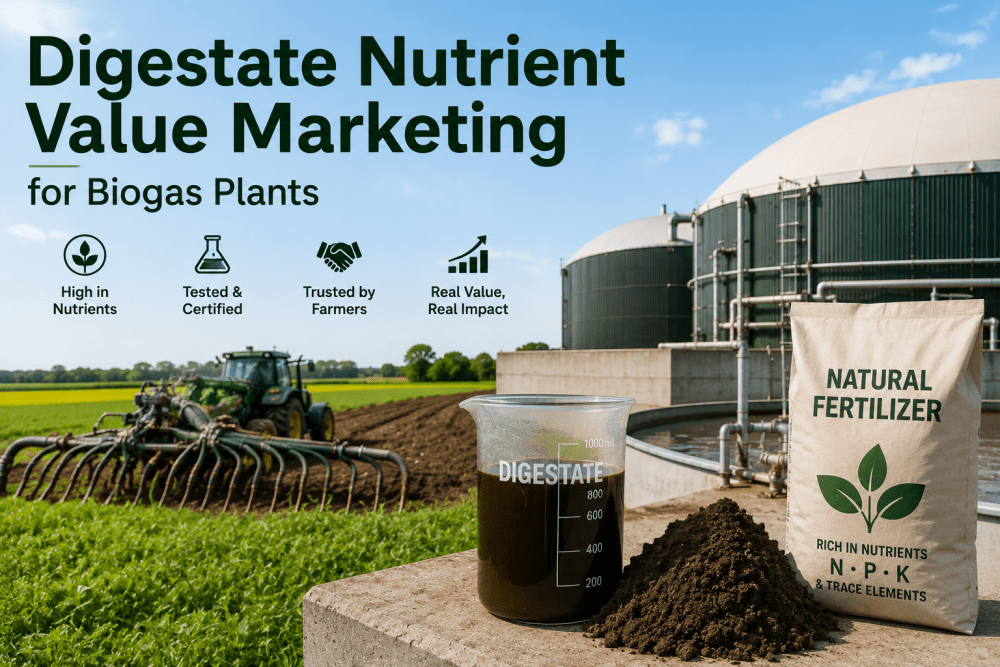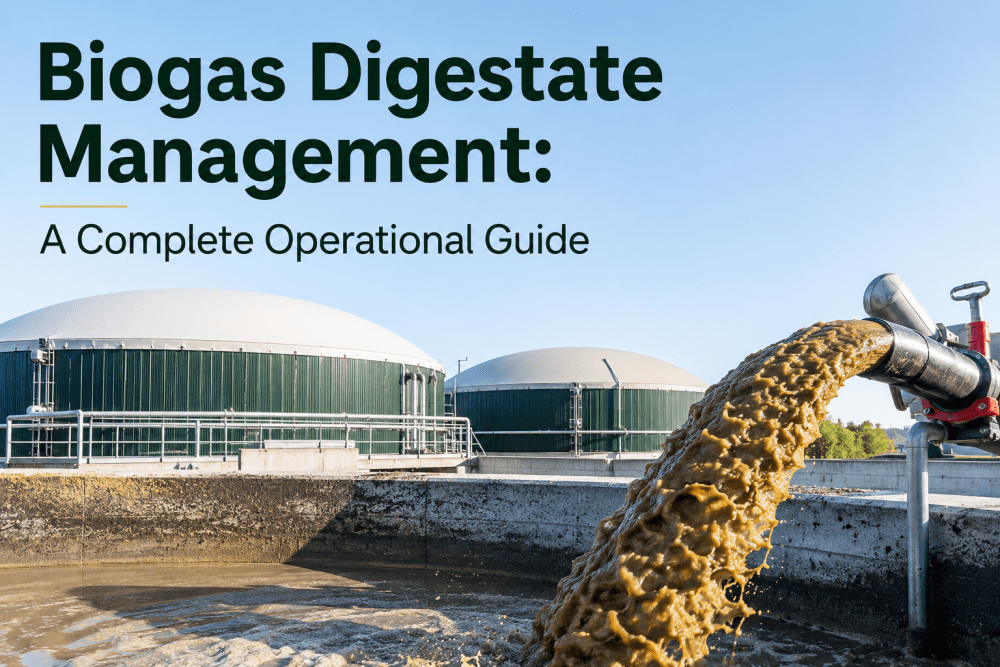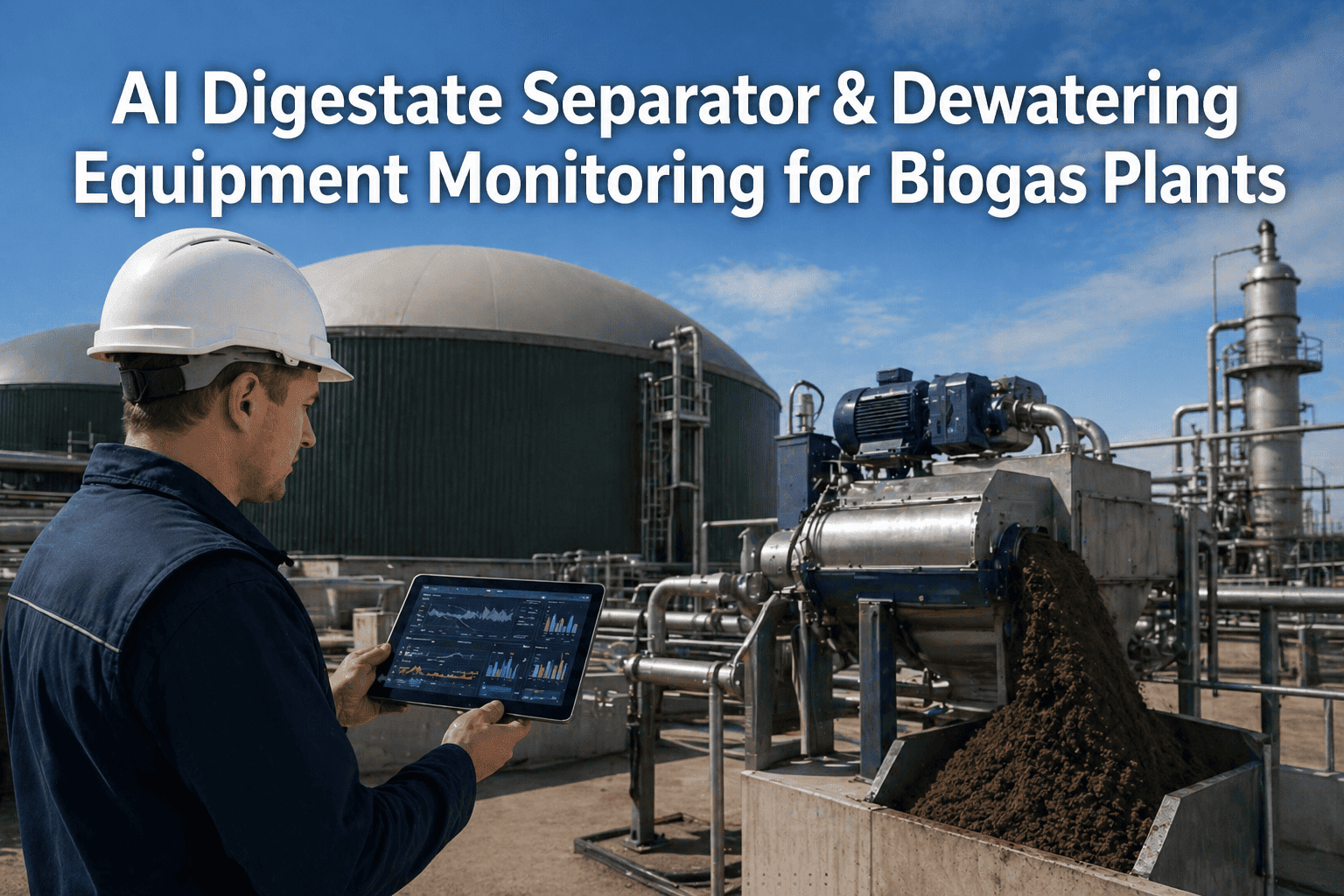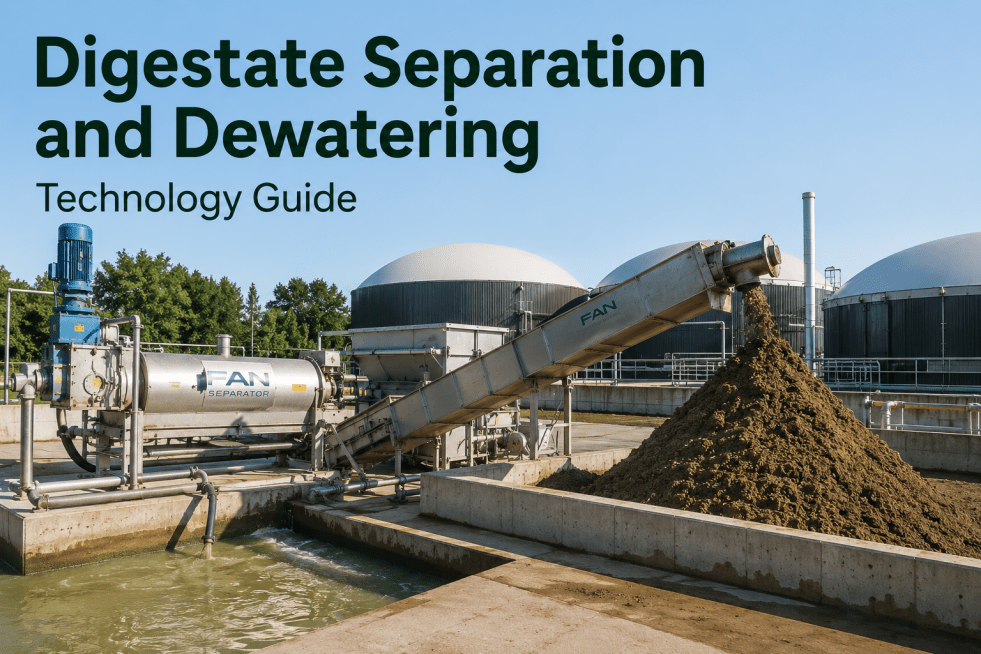
Digestate management is the second product of every anaerobic digestion facility — and in many cases, it is the difference between a plant that merely processes waste and one that generates a second revenue stream. Facilities that deploy effective dewatering technology consistently report 40–60% reductions in haulage costs, higher-value fertilizer products, and reduced nutrient runoff liability. Operations teams evaluating their options find it valuable to Book a Demo to assess how iFactory's AI-driven monitoring platform optimizes separation performance across screw presses, centrifuges, and belt filter presses in real time.
Maximize Fertilizer Value with AI-Driven Digestate Separation
iFactory's Mobile AI-driven App delivers continuous solids content monitoring, polymer dosing optimization, and predictive maintenance for dewatering equipment — purpose-built for anaerobic digestion facilities.
Three Technologies That Define Digestate Dewatering Economics
The choice of solid-liquid separation technology determines the nutrient concentration, dry matter content, and handling characteristics of both the solid fraction and the liquid phase. Each technology occupies a distinct position on the capital-operating cost curve, with trade-offs in throughput, polymer consumption, and achievable solids content that directly affect the plant's fertilizer revenue model. Plant operators building their separation strategy typically Book a Demo to model how iFactory's real-time monitoring would integrate with their chosen equipment configuration.
Screw Press Separator
The workhorse of agricultural biogas plants. Screw presses use a rotating auger inside a cylindrical screen to separate solids from liquid. Achieves 25–35% dry matter in the solid fraction with moderate polymer use.
Decanter Centrifuge
High-speed centrifugation produces the driest solid fraction — up to 40% dry matter — and the clearest liquid phase. Higher capital cost but significantly lower polymer consumption per ton of solids separated.
Belt Filter Press
Dual moving belts compress digestate through progressively higher pressure zones. Produces 28–38% dry matter with the lowest energy consumption per ton. Ideal for municipal co-digestion facilities.
Rotary Drum Thickener
Low-speed rotating drum with internal screens thickens digestate before final dewatering. Often used as a pre-concentration step to improve centrifuge or press throughput by 20–30%.
Digestate Separation Technology: Performance and Cost Comparison
Selecting the right dewatering technology requires a complete cost model that accounts for capital investment, polymer consumption, energy use, maintenance intervals, and the market value of the separated fractions. The table below presents a side-by-side comparison of the four primary separation technologies used in U.S. biogas plants, with performance data drawn from operating facilities.
| Technology | Solids Output (% DM) | Polymer Consumption | Energy Use (kWh/ton) | Capital Cost Range | Throughput Range |
|---|---|---|---|---|---|
| Screw Press | 25–35% | Moderate | 2–4 | $80K–$150K | 10–50 m³/h |
| Decanter Centrifuge | 35–42% | Low | 6–12 | $200K–$450K | 15–80 m³/h |
| Belt Filter Press | 28–38% | Moderate–High | 1.5–3 | $150K–$300K | 5–40 m³/h |
| Rotary Drum Thickener | 8–15% | Very Low | 0.5–1.5 | $40K–$80K | 20–100 m³/h |
The right technology depends on feedstock type, target fertilizer market, and existing infrastructure. Facilities processing high-fiber feedstocks like corn silage or manure often start with a screw press and add a centrifuge for summer liquid fraction polishing. Teams navigating this decision find it valuable to Book a Demo and review iFactory's separation analytics module configured for their specific feedstock profile.
How Separation Technology Affects Digestate Fertilizer Value
The economic case for digestate separation rests on nutrient concentration. The solid fraction retains the majority of phosphorus and organic matter, producing a stable, stackable fertilizer with 5–7 kg P₂O₅ per ton. The liquid fraction carries soluble nitrogen — primarily ammonium-N — at concentrations of 3–5 kg N per m³, which can be applied through irrigation systems with precision. This separation creates two distinct, marketable products instead of one bulk digestate stream with limited application windows.
Building a Scalable Digestate Management Strategy
A structured approach to digestate management addresses the operational and economic dimensions of separation technology deployment. The framework below defines three maturity tiers that allow biogas plants to scale their investment as feedstock volume and fertilizer revenue increase.
Basic Solid-Liquid Separation
For: Small to mid-size plants
- Screw press or rotary drum installation
- Gravity settling basin for liquid fraction
- Manual polymer dosing adjustment
- Weekly solids sampling and lab analysis
Optimized Nutrient Recovery
For: Growth-stage facilities
- Centrifuge or belt press for higher DM output
- Automated polymer dosing with real-time feedback
- Continuous solids content monitoring
- iFactory mobile dashboard integration
Full Nutrient Recovery & Export
For: Large commercial plants
- Multi-stage separation train
- AI-predicted polymer demand optimization
- Ammonium stripping or membrane concentration
- Real-time N P K value tracking per batch
Each tier builds on the previous layer, allowing plants to deploy capital incrementally as digestate volume grows. Most facilities begin with Tier 1 and advance to Tier 2 within 12–18 months once the economic value of optimized separation becomes visible in reduced haulage costs and higher fertilizer revenue. Operations planning their tier advancement typically Book a Demo to align iFactory's analytics rollout with their equipment upgrade schedule.
Measurable Gains from AI-Optimized Digestate Separation
Biogas plants that deploy real-time monitoring and AI-driven optimization of their dewatering equipment report substantial improvements across the key economic drivers of digestate management. The results below reflect 90-day post-implementation outcomes across iFactory-supported digestate processing systems.
"Before we integrated iFactory's monitoring platform, our screw press was running at 22% dry matter on average — and we had no idea we were leaving polymer efficiency on the table. Within 60 days of deploying real-time solids feedback and AI-driven polymer dosing optimization, we hit 34% DM consistently and cut our polymer spend by 28%. The separation upgrade paid for itself in seven months."
Digestate Separation Technology — Frequently Asked Questions
What is the optimal dry matter content for digestate solid fraction?
The target dry matter content depends on the intended use. For land application with standard spreaders, 28–35% DM is optimal — dry enough to stack and transport efficiently but not so dry that dust becomes a handling issue. For composting or biomass boiler fuel, 35–42% DM is preferred. The centrifuge achieves the highest DM output, while screw presses typically produce 25–30% DM depending on feedstock fiber content.
How does polymer dosing affect separation efficiency and operating cost?
Polymer flocculant is typically the largest variable operating cost in digestate dewatering, accounting for 30–50% of total separation operating expenses. Overdosing wastes chemical and increases liquid fraction COD. Underdosing reduces solids capture and produces wetter cake. iFactory's AI model predicts the optimal polymer dose based on real-time feedstock characteristics, solids loading rate, and target DM content — consistently reducing polymer consumption by 25–35% while improving cake dryness.
Can digestate liquid fraction be used for irrigation or fertigation?
Yes — the separated liquid fraction is an excellent source of readily available nitrogen and potassium for crop fertigation. Typical ammonium-N content ranges from 3–5 kg N per m³ with a K₂O content of 2–4 kg per m³. The key requirement is sufficient storage capacity — minimum 6 months for most U.S. growing regions — and a calibrated injection or dribble-bar applicator to minimize ammonia volatilization losses during application.
What maintenance does a screw press or centrifuge require in digestate service?
Screw presses require weekly screen inspection for blinding or wear, with screen replacement typically every 2,000–3,000 operating hours depending on feedstock abrasiveness. Centrifuge maintenance is more intensive: bowl and scroll wear monitoring, bearing replacement at 8,000–12,000 hours, and gearbox rebuilds at 15,000–20,000 hours. iFactory's predictive maintenance module tracks vibration, power draw, and throughput trends to schedule interventions before component failure causes unplanned downtime.
What is the expected return on investment for installing digestate separation equipment?
For a mid-size biogas plant processing 50,000 tons per year of feedstock, the ROI for a screw press or centrifuge installation typically ranges from 12–24 months. The primary value drivers are: 40–60% reduction in digestate haulage and land application costs, 15–25% increase in fertilizer revenue from producing a higher-value solid product, reduced tillage costs from precision liquid application, and lower nutrient runoff liability from stabilized solid fraction storage. Facilities also benefit from expanded application windows — separated solids can be stockpiled for dry weather application while liquid is injected during the growing season.
Scale Your Digestate Value with AI-Driven Separation Analytics
iFactory's Mobile AI-driven App delivers integrated digestate management modules, real-time solids content monitoring, and predictive polymer optimization — built for biogas plant operators ready to turn digestate into a profit center.