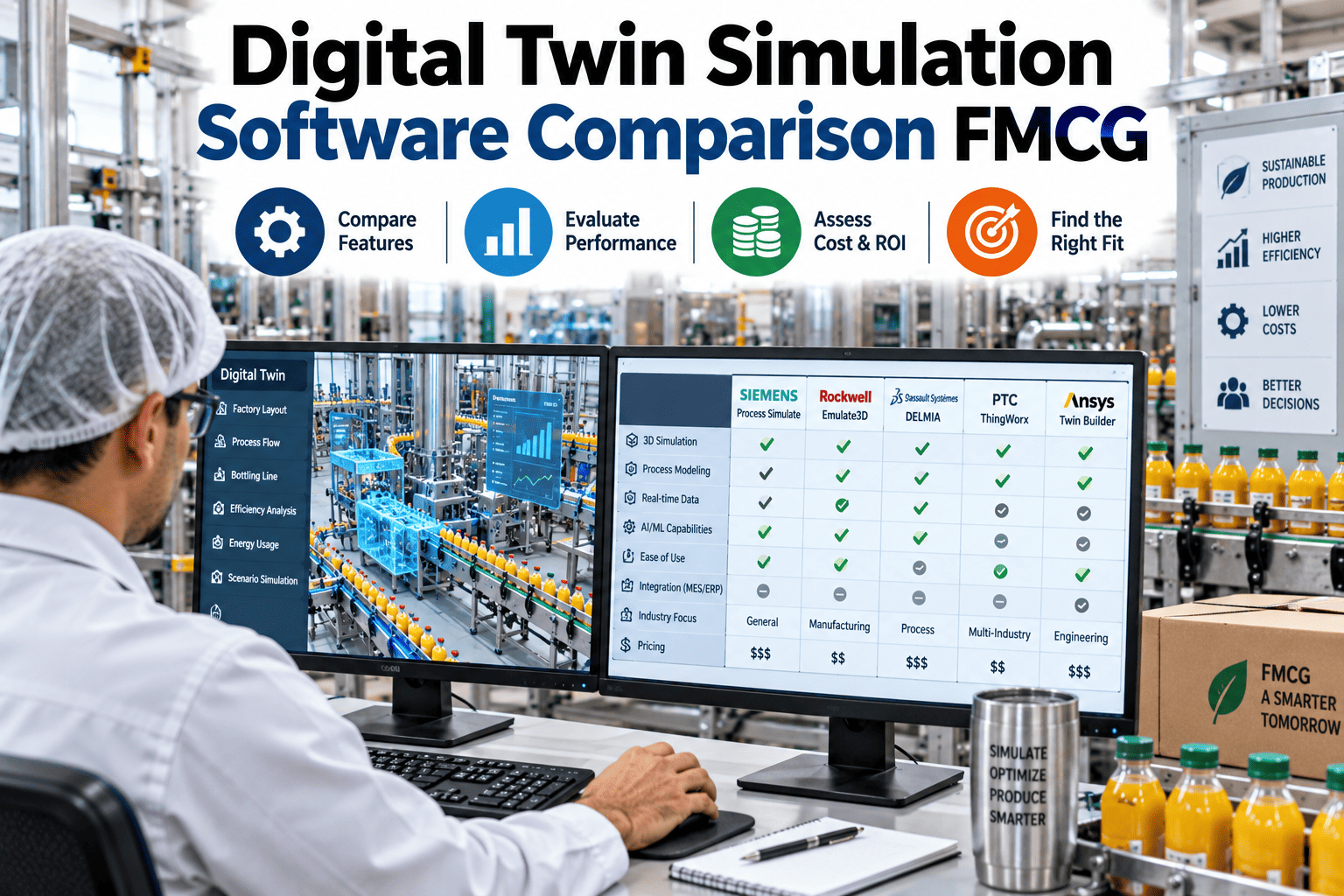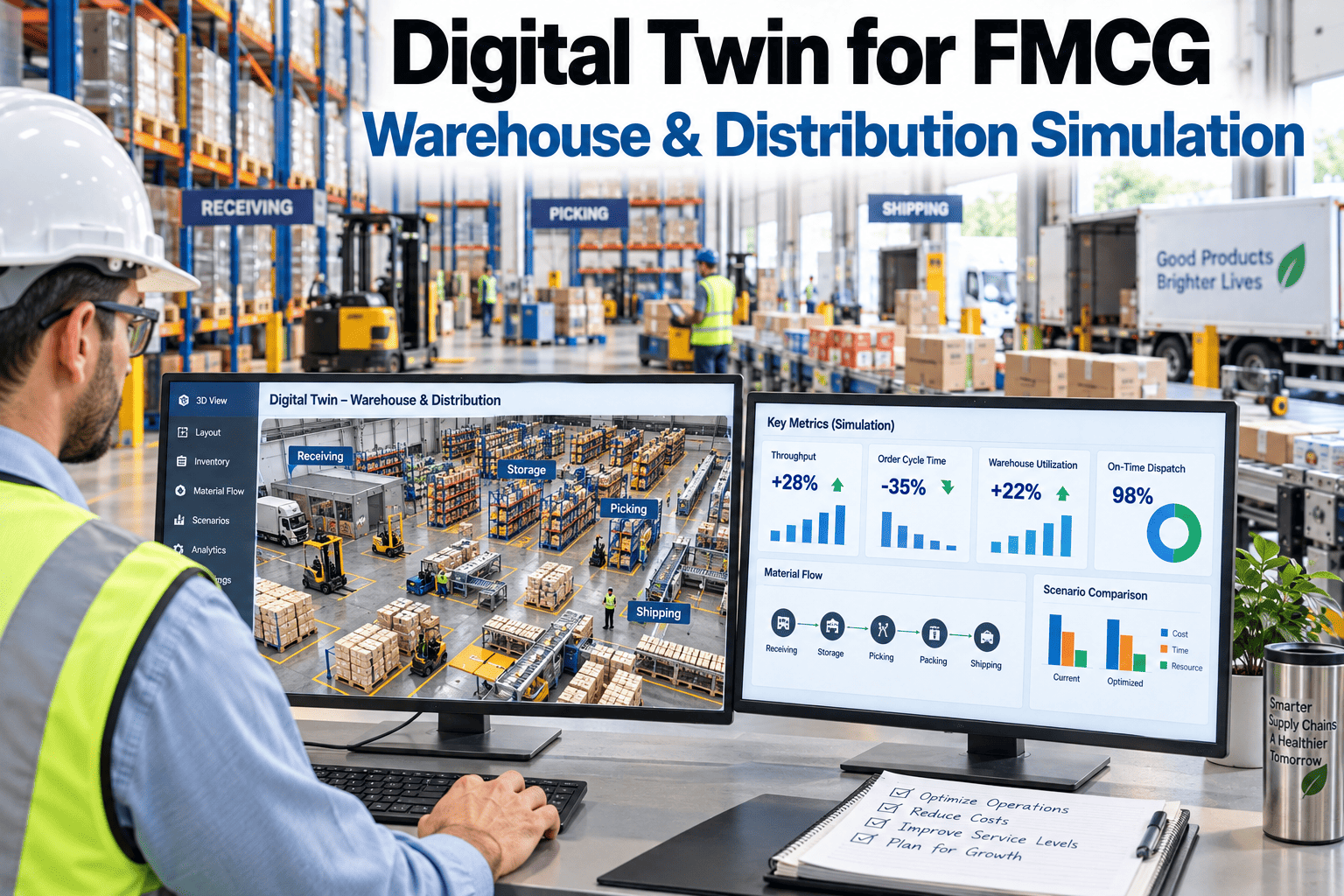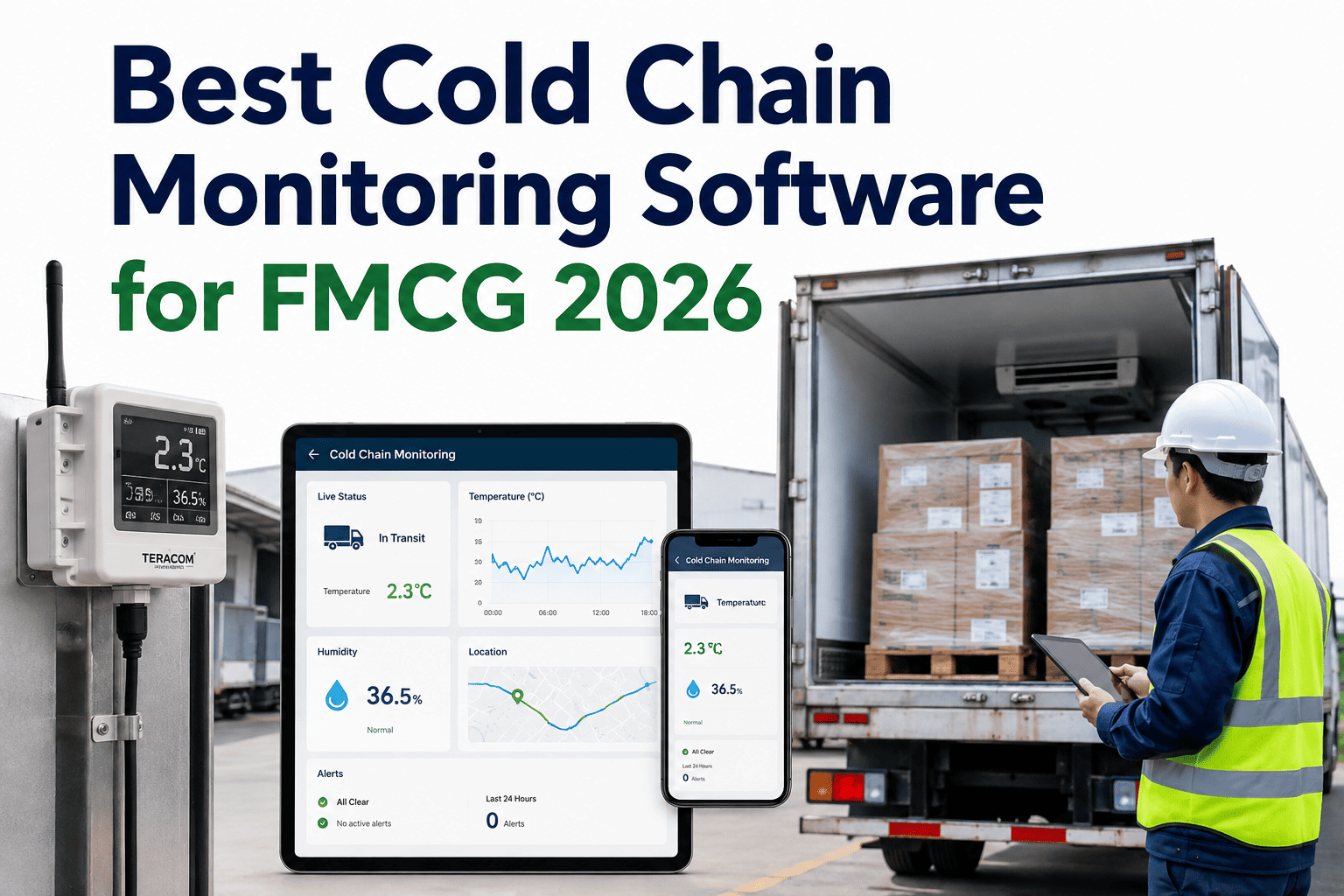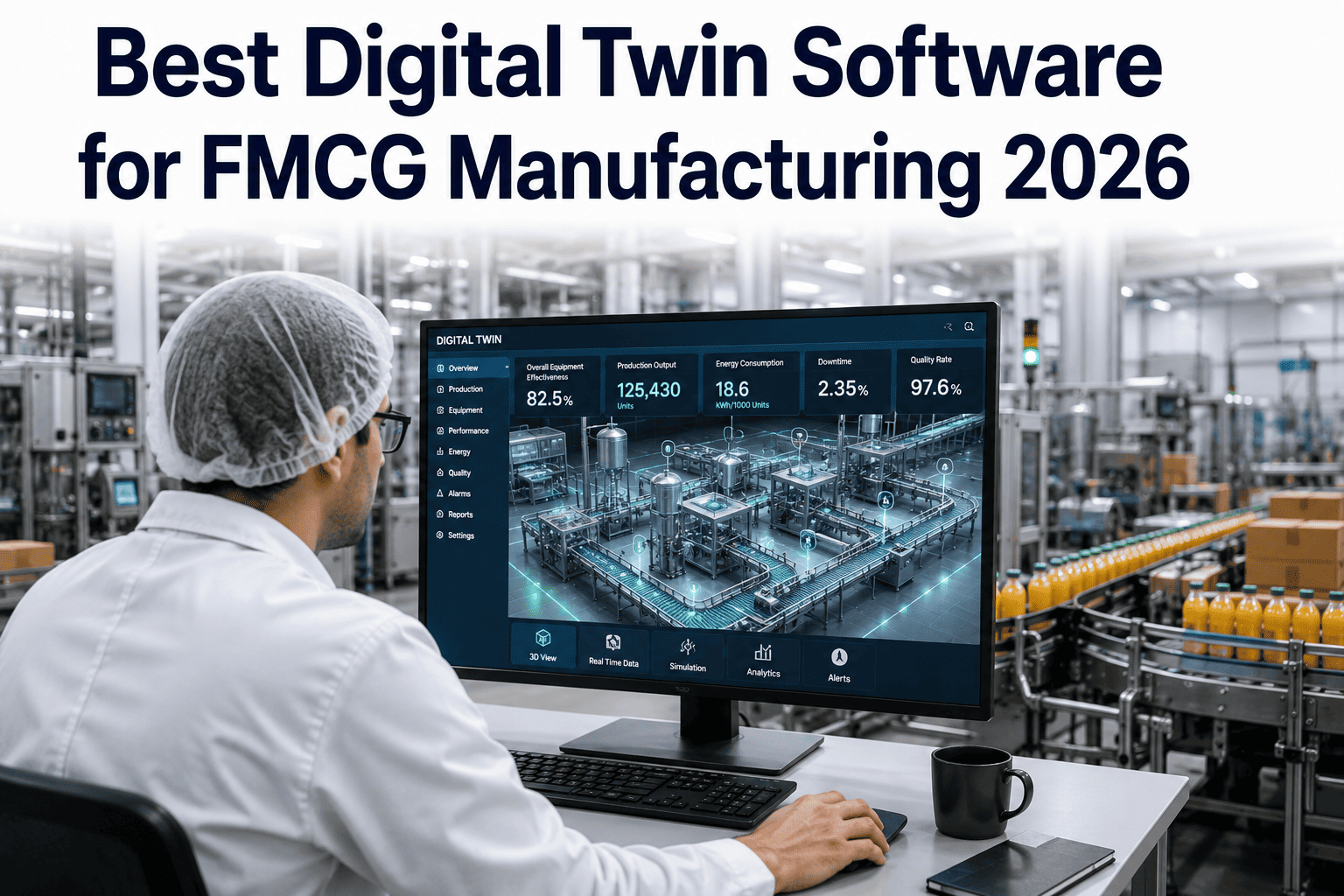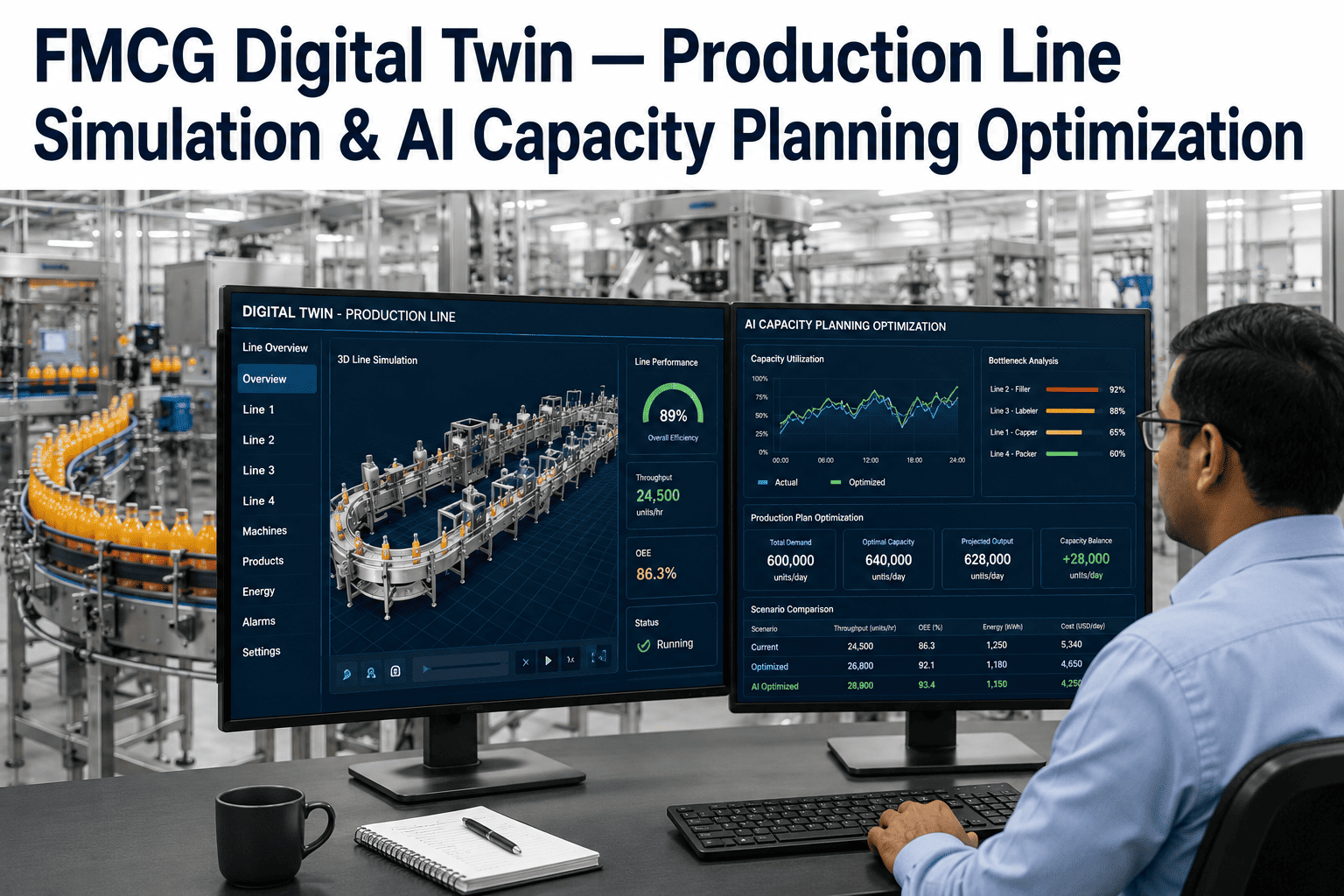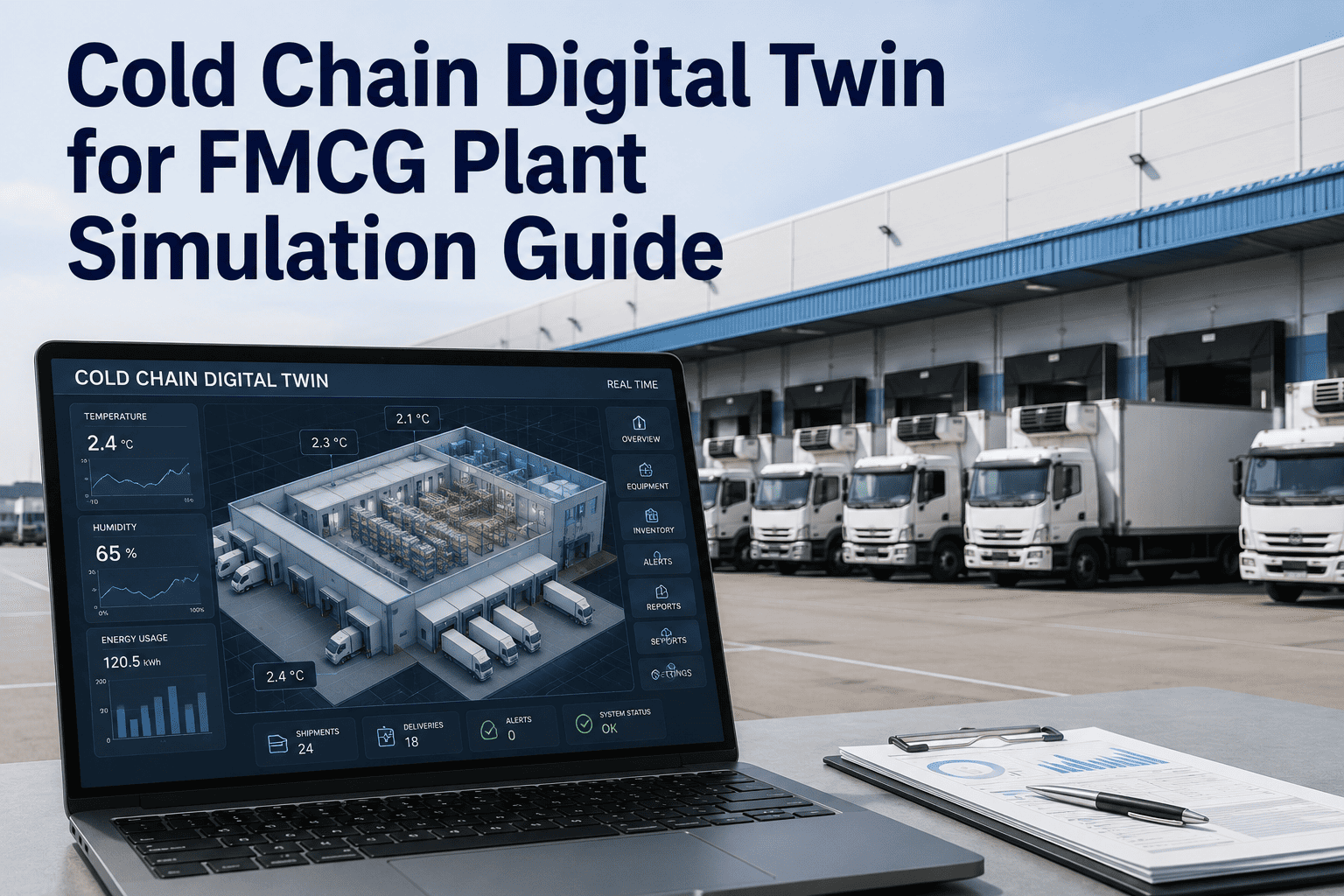
Testing a new dock configuration, a different rack layout, or an extra door cycle used to mean committing to a physical change and finding out months later, through energy bills and temperature logs, whether the decision actually helped. A digital twin flips that sequence: the refrigeration load, the dock heat gain, and the impact of adding another door cycle all get modeled against a virtual version of the facility before a single wall moves or a single dollar gets spent on equipment. The model is only as useful as the data behind it, but for FMCG plants making six and seven figure infrastructure decisions, simulating the change first is a fraction of the cost of getting it wrong in the physical world. See how a digital twin would model your own facility's next decision at ifactory support.
Test the Next Facility Change Before You Build It
A virtual model of your cold chain plant that simulates refrigeration load, dock heat gain, and door-cycle impact, so infrastructure decisions get tested first instead of discovered after the fact.
What a Cold Chain Digital Twin Actually Models
A digital twin for a cold storage plant is a working simulation built from the facility's real dimensions, equipment specifications, product mix, and operational patterns, not a generic thermal model applied to a standardized building. It takes inputs like refrigeration unit capacity, dock door frequency and duration, rack layout, and ambient conditions, and produces outputs like predicted energy consumption, temperature distribution across zones, and how sensitive the whole system is to a specific proposed change. The value is not the simulation itself, it is the ability to run the same proposed change against the model dozens of times with different assumptions before committing to it physically.
Simulation vs Physical Trial-and-Error
The traditional way to answer "what happens if we add a second shift" or "what happens if we change the rack layout" has been to make the change and watch the energy bill and temperature logs over the following months, which is slow, expensive when the answer turns out badly, and difficult to reverse cleanly once product and operations have adapted to the new configuration. A simulation-first approach answers the same question in hours rather than months, at the cost of building and maintaining an accurate model, which is a real cost but a much smaller one than a failed physical change.
| Factor | Physical Trial-and-Error | Digital Twin Simulation |
|---|---|---|
| Time to Answer | Weeks to months of observation | Hours to days per scenario |
| Cost of a Wrong Decision | Full cost of the physical change, often hard to reverse | Limited to modeling time, no physical commitment |
| Number of Scenarios Testable | Effectively one at a time | Many, run in parallel against the same model |
| Confidence in Result | High, but only after the fact | Directional, validated against real sensor data over time |
See a Model of Your Own Facility, Not a Generic Example
Bring your facility layout and equipment specs to the call. We will walk through what a digital twin of your specific plant would surface.
Book a Demo Talk to a SpecialistBuilding the Model: What Data Actually Feeds It
A digital twin is only as accurate as the data used to build and continuously validate it, and the most common reason a simulation drifts away from reality over time is that it was built once from a facility's design specifications and never updated against actual operating data afterward. The strongest models combine the facility's physical and equipment specifications with a live feed from existing cold chain sensors, so the model's predictions can be continuously checked against what the facility is actually doing, and adjusted when reality and prediction start to diverge.
Where This Actually Pays Off Fastest
Not every facility decision needs a full simulation, and the highest-value use cases tend to share a common trait: a large capital commitment, limited ability to reverse the decision once made, or a change that affects multiple interacting systems where intuition alone struggles to predict the outcome. Adding a second production shift changes door-cycle frequency, refrigeration duty cycle, and staffing patterns simultaneously, which is exactly the kind of multi-variable change where a simulation earns its cost back quickly compared to finding out through several expensive months of trial.
Where a Digital Twin Falls Short
A simulation is a directional decision-support tool, not a guarantee, and it is worth being honest about where its limits sit. A model built from incomplete or outdated facility data will produce confident-looking but inaccurate predictions, which is arguably worse than no model at all if the output is trusted without validation. Human and operational variables, like how consistently staff actually follow a proposed new process, are much harder to model accurately than physical systems like refrigeration load, so the further a proposed change depends on behavior change rather than physical infrastructure, the less weight a simulation's prediction should carry on its own.
Curious whether your next planned change is a good candidate for simulation first? Talk to our team before you commit capital.
Frequently Asked Questions
Simulate Your Next Facility Decision First
Bring your facility layout, equipment specs, and the change you are considering to the call. We will show what a validated digital twin would predict.