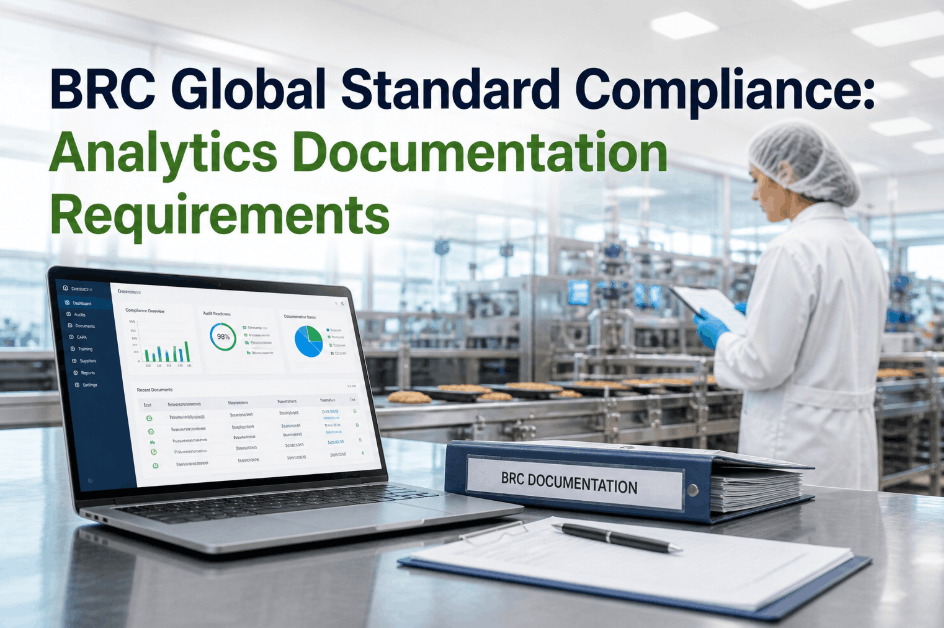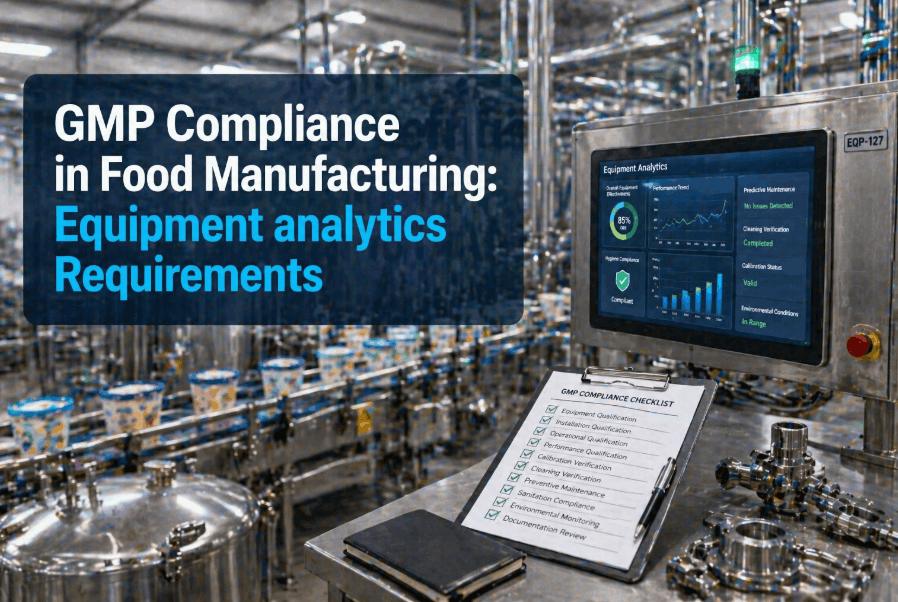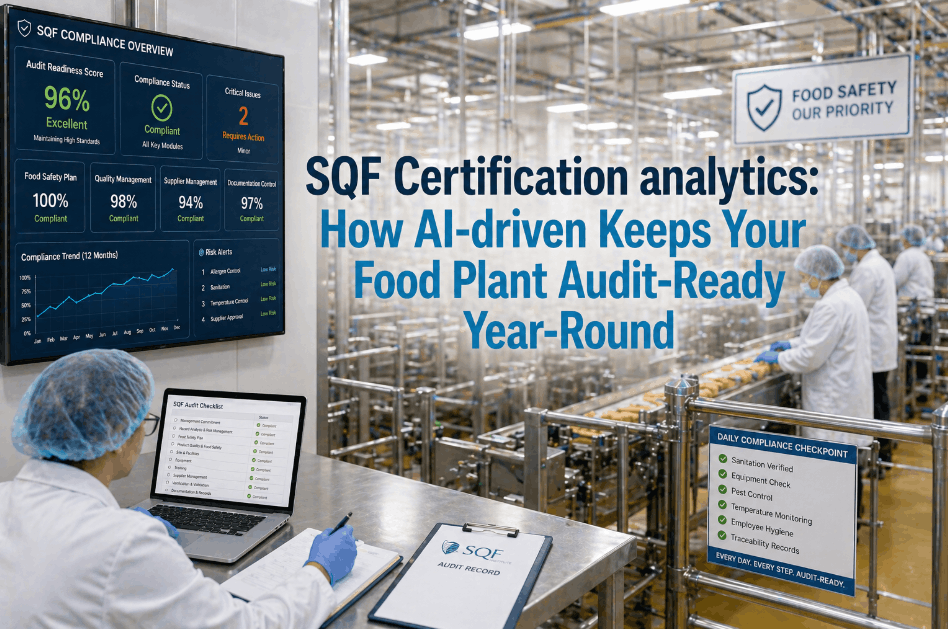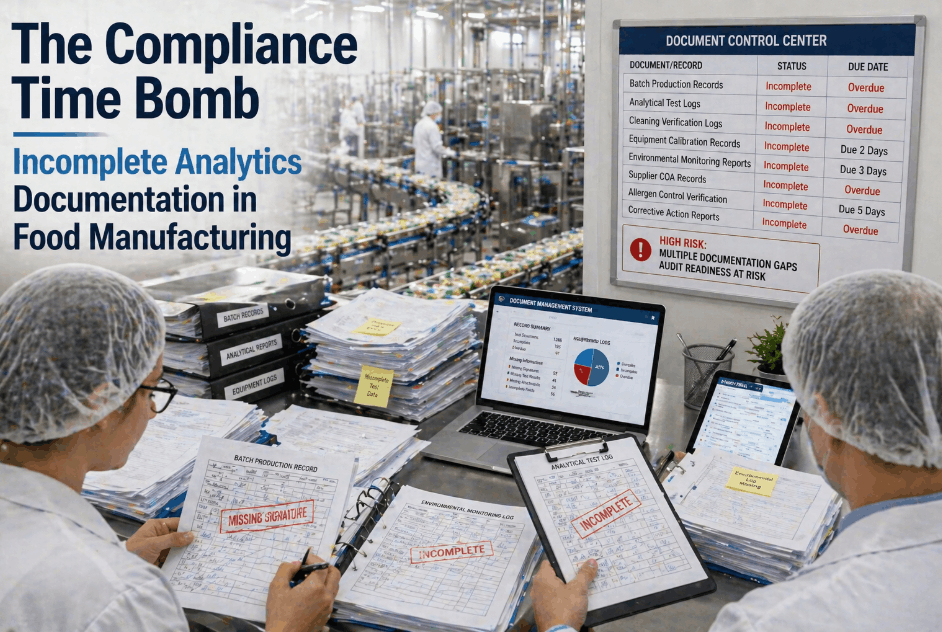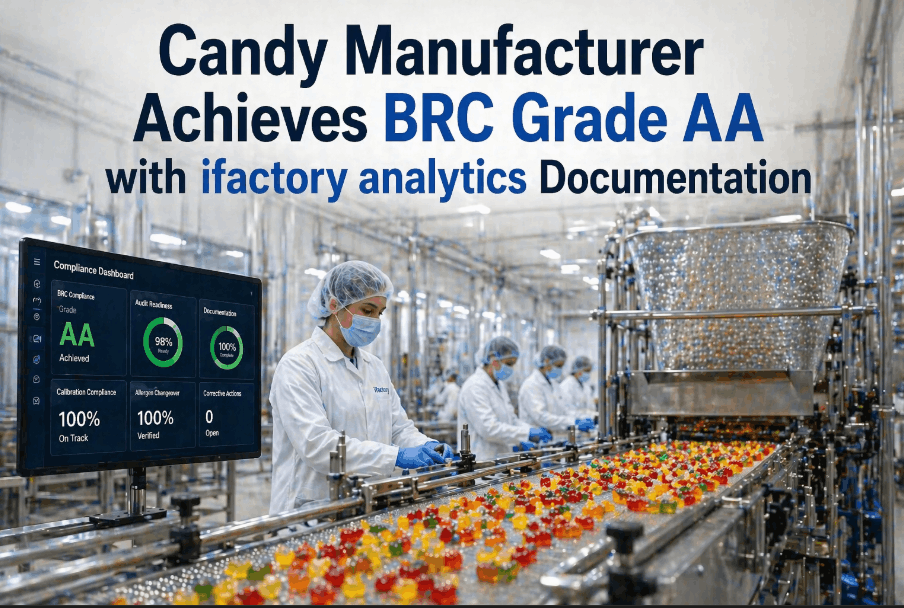
A mid-sized candy manufacturer operating a single high-throughput confectionery plant was managing BRC audit preparation through a combination of paper-based batch records, spreadsheet-driven calibration logs, and manually coordinated allergen changeover procedures — a documentation model that had capped the facility at BRC Grade B across three consecutive audit cycles. Following a structured assessment of its compliance gaps and a phased deployment of ifactory's AI-driven Analytics platform, the manufacturer achieved BRC Grade AA certification within fourteen months — eliminating 93% of documentation non-conformances, reducing allergen changeover verification time by 61%, and establishing a fully auditable digital compliance record across every monitored control point in the facility. To explore how ifactory structures BRC compliance deployments for confectionery operations, book a demo with the engineering team.
A Single-Site Confectionery Plant with a Persistent BRC Grade B Ceiling
Why Paper-Based Compliance Documentation Was Structurally Incompatible with BRC Grade AA Requirements
BRC Grade AA certification demands not only that compliance procedures exist — it demands that every required record is complete, timestamped, traceable, and retrievable in real time during an unannounced audit. For confectionery manufacturers managing allergen changeovers across shared production lines, calibration verification schedules across hundreds of instruments, and HACCP monitoring records across multiple critical control points simultaneously, paper-based and spreadsheet-driven documentation systems generate structural gaps that accumulate across audit cycles rather than closing. This manufacturer's QA team was not failing to perform the required compliance activities — it was failing to generate records that satisfied the completeness, timeliness, and traceability standards that separate BRC Grade B from Grade AA. Each audit cycle surfaced the same categories of non-conformance: incomplete calibration sign-offs, allergen changeover verification records missing operator identity or timestamp data, and HACCP monitoring logs with entry gaps during high-volume production shifts.
ifactory AI-driven Analytics: Structured Compliance Intelligence Across Every BRC Documentation Requirement
Following a structured gap analysis against BRC Global Standard Issue 9 requirements, the manufacturer selected ifactory's AI-driven Analytics platform for its ability to digitize and enforce compliance documentation workflows across calibration management, allergen changeover verification, HACCP monitoring records, and supplier approval documentation — without requiring the QA team to adopt a generic quality management system requiring extensive customization. The platform was configured to reflect the facility's specific BRC scope, production line structure, allergen matrix, and CCP monitoring schedule — generating compliance records that were complete, timestamped, operator-attributed, and immediately retrievable from any device at the point of audit request. To see how ifactory configures this for confectionery BRC compliance programs, book a demo with the team.
BRC-Aligned Platform Deployment Completed in 44 Days Without Production Interruption
ifactory's food safety engineering team completed a clause-by-clause gap analysis against BRC Global Standard Issue 9, mapped all 320+ compliance control points to their corresponding BRC documentation requirements, and configured the platform's allergen matrix to reflect the facility's six allergen classes and 14 production lines. Calibration instrument register imported and scheduled verification cycles confirmed against existing calibration database.
Digital calibration workflows deployed across all 380+ instruments with structured templates aligned to BRC clause 6.2 requirements. HACCP monitoring record generation activated across all active CCPs on all 14 production lines, with real-time deviation alerts configured for critical limit breaches. QA team trained on platform workflows within three days of deployment — first automated corrective action record generated on Day 11 following a CCP temperature deviation on the chocolate enrobing line.
Structured allergen changeover verification workflows deployed across all 14 production lines, with mobile-native checklists configured for each allergen transition scenario in the facility's allergen management matrix. Line operators trained on mobile verification workflows within two days per production shift group. First fully digitized allergen changeover completed on Day 26 — verification time recorded at 19 minutes versus the prior 47-minute manual average. Book a demo to see how ifactory configures allergen changeover workflows for your production environment.
Internal BRC audit simulation conducted across full platform-generated compliance record set. Record retrieval time validated at under 7 minutes per production lot. Zero documentation gaps identified across calibration, allergen changeover, and HACCP monitoring record categories. QA director confirmed full compliance record coverage across all BRC clause areas prior to scheduling the formal third-party audit.
BRC Grade AA Achieved Within Fourteen Months — Measured Across Every Tracked Compliance Dimension
The transition from manual paper-based compliance documentation to ifactory's AI-driven Analytics platform produced measurable improvement across every BRC audit-relevant metric within the first 90 days of full deployment. Documentation non-conformance rates fell by 93% as the platform enforced record completeness at the point of activity — eliminating the gap between compliance activity performed and compliance record generated. Allergen changeover verification time dropped by 61% as structured digital workflows replaced open-format paper checklists. BRC Grade AA certification was awarded at the facility's next formal third-party audit, fourteen months after platform deployment.
| Metric | Before ifactory | After ifactory | Change |
|---|---|---|---|
| BRC Certification Grade | Grade B (3 consecutive cycles) | Grade AA | Grade AA achieved |
| Non-conformances per audit cycle | 31 documented | 2 minor observations | −93% non-conformance reduction |
| Compliance record retrieval time | 3.2 hours per lot | Under 7 minutes per lot | −96% retrieval time |
| Allergen changeover verification time | 47 minutes per transition | 18 minutes per transition | −61% changeover time |
| Allergen changeover documentation completeness | 81% | 100% | +19 pts — full compliance |
| Calibration records with missing sign-off | 18% of records | 0% | Fully eliminated |
| HACCP monitoring record gaps | Multiple per audit cycle | Zero gaps recorded | 100% record continuity |
| CCP deviation response time | Identified post-shift review | Real-time alert, avg. 4 min response | Real-time detection |
| Audit-ready record coverage | Partial — manual retrieval only | 100% — all clauses covered | Full BRC scope coverage |
| Annual compliance cost exposure | ~$620,000 | ~$195,000 | −69% cost reduction |
| Full deployment timeline | N/A | 44 days | Live in 44 days |
Why the Compliance Transformation Was This Decisive
Documentation completeness at point of activity eliminated the primary source of non-conformances. BRC Grade AA non-conformances are rarely caused by absent procedures — they are caused by incomplete records of procedure execution. ifactory's structured digital workflows enforced mandatory field completion, operator attribution, and timestamp generation at the moment of compliance activity — making a partial or unsigned record structurally impossible to submit, eliminating 93% of the audit cycle's non-conformance volume at its root cause.
Structured allergen changeover workflows eliminated the facility's highest-risk compliance gap. Allergen management is among the most scrutinized clause areas in BRC audits for confectionery manufacturers operating shared production infrastructure. By converting paper-based allergen changeover checklists into structured digital workflows with mandatory verification steps, real-time QA supervisor approval gates, and automatic record linkage to subsequent production lots, ifactory eliminated the documentation completeness failures that had generated recurring non-conformances in this category across three consecutive audit cycles.
Real-time CCP monitoring transformed reactive compliance into active food safety management. Under the prior paper-based model, HACCP monitoring records were reviewed post-shift — meaning CCP deviations were identified hours after occurrence, with limited corrective action traceability. ifactory's real-time CCP monitoring record generation produced deviation alerts with an average 4-minute operator response time, generating a complete corrective action record at the point of deviation rather than during post-production documentation review.
Instant record retrieval capability satisfied unannounced audit requirements that paper systems structurally cannot meet. BRC unannounced audit protocols require on-demand record access across multiple clause areas simultaneously. The facility's prior 3.2-hour retrieval time for a single production lot's compliance record set was incompatible with this requirement regardless of record quality. Reducing retrieval time to under 7 minutes unlocked a practical audit readiness that no paper or spreadsheet system can replicate at scale. To see how ifactory's record architecture applies to your facility's BRC scope, book a demo with the food safety engineering team.
Operational, Commercial, and Quality Outcomes Delivered by BRC Grade AA Certification
From Grade B to Grade AA: How Structured Compliance Documentation Unlocked BRC Certification in a Single Audit Cycle
This candy manufacturer's BRC Grade AA outcome was not achieved by redesigning its compliance procedures — it was achieved by building the documentation infrastructure capable of generating a complete, verifiable, and instantly retrievable record of those procedures at every production event. ifactory's AI-driven Analytics platform gave the facility's QA team standardized digital workflows across calibration management, allergen changeover verification, and HACCP monitoring — converting compliance activities that had been performed but inadequately documented into audit-ready records that satisfied every BRC clause requirement the facility had previously failed to evidence.
The compounding value of this documentation model extends well beyond the first certification cycle. Every calibration record, allergen changeover log, and HACCP monitoring entry contributes to an accumulating compliance evidence base that strengthens BRC audit performance, supports proactive non-conformance identification, and provides the traceability infrastructure required to protect the facility's Grade AA status across future audit cycles. To assess what a BRC compliance documentation deployment through ifactory would look like for your confectionery operation, book a demo with ifactory's food safety engineering team.