In the high-stakes arena of food manufacturing mergers and acquisitions, traditional due diligence often falls short, leaving acquirers exposed to hidden liabilities and operational inefficiencies. A superficial review of financial statements and equipment lists can mask critical issues such as undocumented equipment wear, looming compliance violations, and outdated technology stacks that hinder scalability. For VP Operations and strategic decision-makers, a deep-dive, data-driven assessment is non-negotiable to uncover true plant value and integration risk. This comprehensive guide provides an enterprise-grade framework for food plant due diligence, covering physical asset condition, regulatory compliance, technology infrastructure, and AI-driven valuation models. By leveraging advanced analytics and industry 4.0 insights, you can transform due diligence from a checkbox exercise into a strategic competitive advantage. To explore how our AI-powered platform can streamline your next acquisition, Book a Demo today.
Strategic Food Plant M&A Due Diligence
Uncover hidden value and mitigate risk with AI-driven asset assessment, compliance audits, and technology evaluations.
Food manufacturing M&A due diligence requires a multi-dimensional approach that goes beyond financials to assess physical assets, regulatory compliance, and technology readiness. This guide provides a systematic framework for evaluating plant condition, uncovering compliance gaps, and leveraging AI for accurate valuation. By following this checklist, VP Operations can ensure a smooth acquisition and integration process, maximizing ROI and minimizing risk.
Comprehensive Due Diligence Checklist
Equipment Condition
Assess age, maintenance history, wear patterns, and remaining useful life using predictive analytics.
Compliance Status
Review FDA, USDA, OSHA, and local regulations; identify non-compliance and potential fines.
Technology Stack
Evaluate ERP, MES, SCADA, and IIoT systems for integration readiness and cybersecurity.
Capacity Analysis
Measure throughput, OEE, and bottleneck analysis to determine true production capacity.
Supply Chain
Map supplier dependencies, logistics efficiency, and inventory management systems.
Workforce
Assess skill levels, training programs, and labor relations for post-acquisition retention.
Equipment Condition Assessment
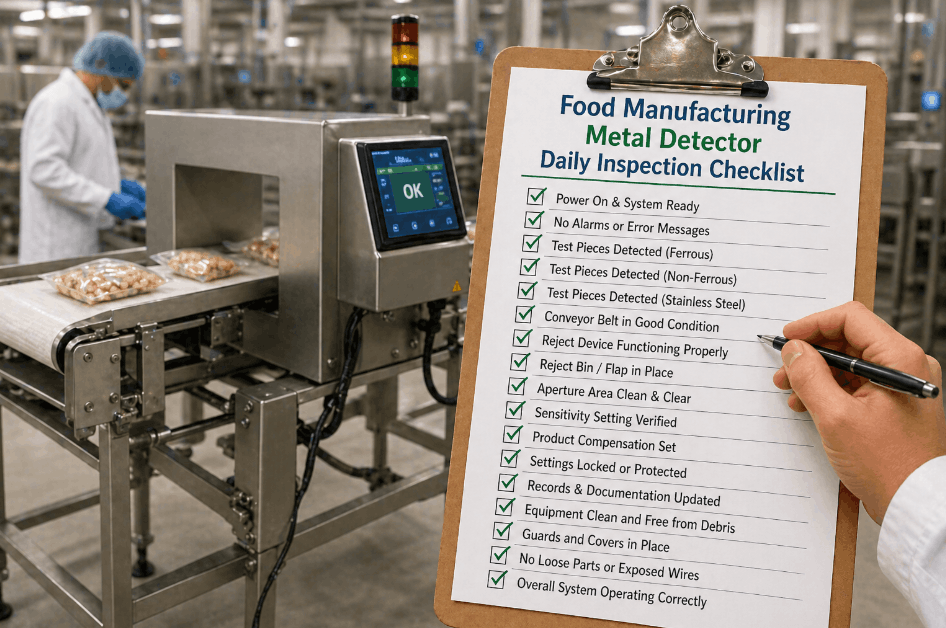
A thorough equipment condition assessment is the cornerstone of food plant due diligence. Traditional methods rely on visual inspections and age-based assumptions, but these often miss latent defects that can cause costly downtime post-acquisition. Advanced techniques such as vibration analysis, thermography, and oil analysis provide quantitative data on equipment health. AI-driven predictive maintenance models can analyze historical sensor data to estimate remaining useful life and recommend optimal replacement timing. For example, a food processing line with aging motors may show no signs of failure during a walkthrough, but vibration data reveals bearing wear that could lead to unplanned stoppages within six months. By incorporating these insights into the valuation model, acquirers can negotiate price adjustments or plan capital expenditures upfront. This approach not only reduces risk but also enhances operational efficiency from day one.
Regulatory Compliance Audit
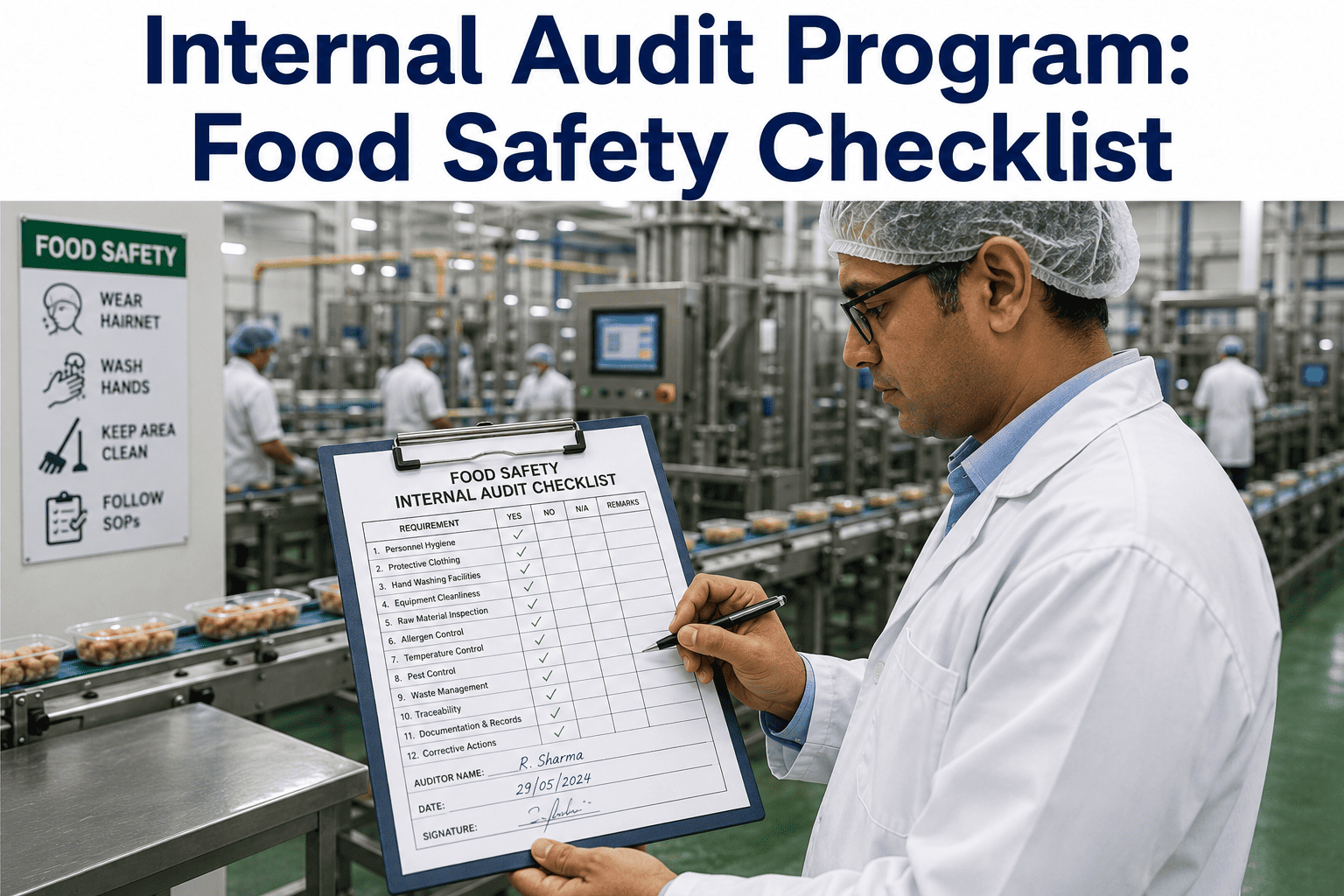
Food manufacturing is one of the most heavily regulated industries, with stringent requirements from agencies like the FDA, USDA, OSHA, and EPA. A compliance audit must cover food safety plans (HACCP, FSMA), sanitation protocols, allergen management, labeling accuracy, and environmental permits. Non-compliance can result in fines, product recalls, and even plant shutdowns. The audit should also review historical inspection reports, warning letters, and corrective action plans. Using AI-powered compliance software, you can quickly scan thousands of documents for red flags and benchmark the plant against industry standards. For instance, a facility with a history of Listeria positives may require significant investment in sanitation infrastructure. By identifying these issues early, you can factor remediation costs into the deal structure and avoid unpleasant surprises post-close.
Technology Stack Evaluation
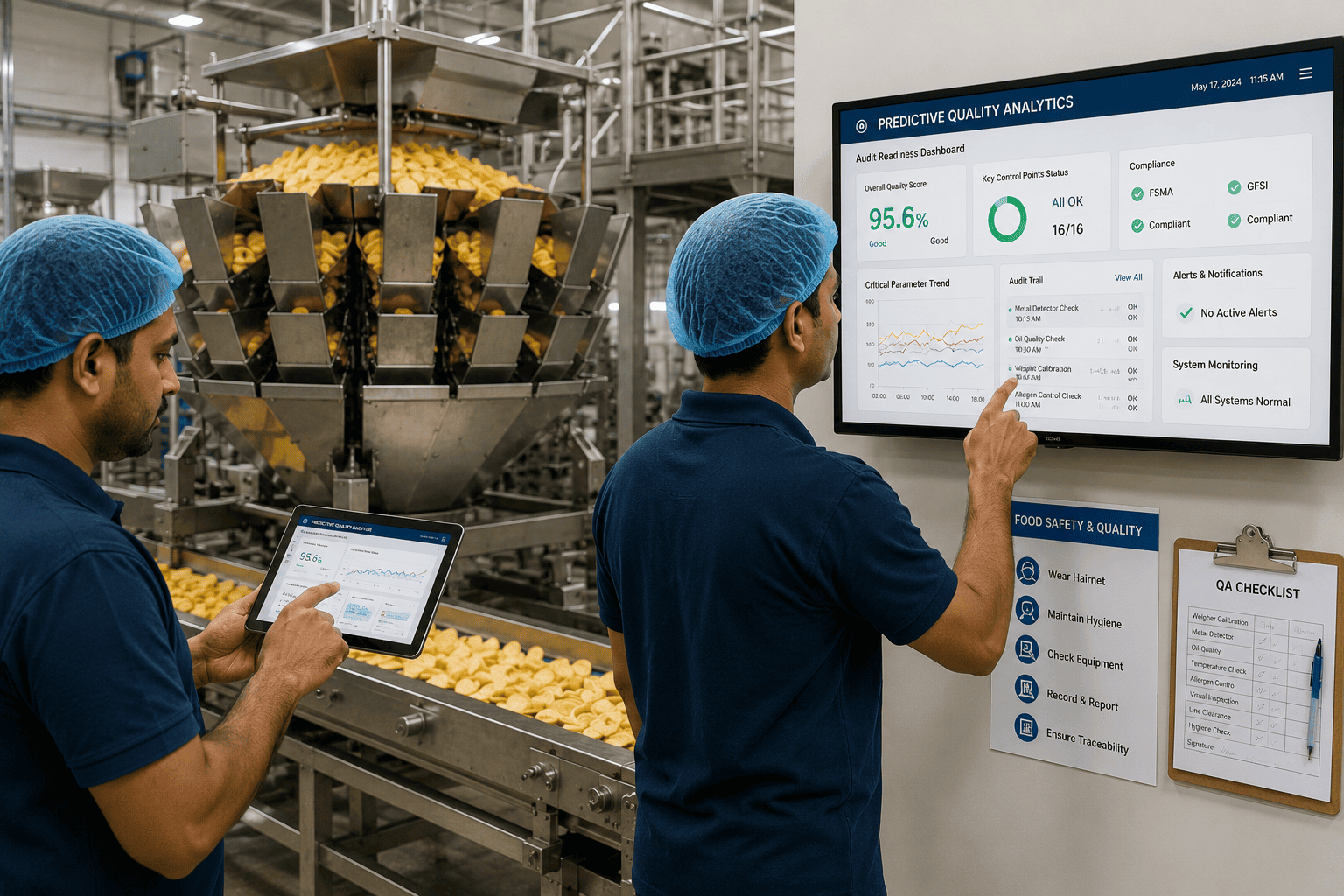
The technology stack of a food manufacturing plant directly impacts its scalability, efficiency, and cybersecurity posture. Key systems to evaluate include ERP (e.g., SAP, Oracle), MES (Manufacturing Execution Systems), SCADA (Supervisory Control and Data Acquisition), and IIoT platforms. Assess the age, customization level, integration capabilities, and vendor support for each system. Outdated or heavily customized systems may be difficult to integrate with the acquirer's existing infrastructure, leading to costly migrations. Additionally, cybersecurity vulnerabilities are a growing concern, with food manufacturers increasingly targeted by ransomware. A technology audit should include penetration testing, vulnerability scanning, and a review of access controls. AI-driven analytics can help identify system interdependencies and potential points of failure. For example, a plant using a legacy SCADA system with no network segmentation may be at high risk for cyber attacks. Investing in a modern, integrated technology stack post-acquisition can improve OEE by 15-20% and reduce IT costs by 30%.
Production Capacity & Bottleneck Analysis
Understanding true production capacity is critical for valuation and integration planning. Traditional capacity calculations based on nameplate ratings often overestimate actual output due to inefficiencies, changeovers, and maintenance downtime. A data-driven approach uses OEE (Overall Equipment Effectiveness) metrics to calculate real throughput. Bottleneck analysis identifies the slowest process step that limits overall production. For example, a filling line may have a theoretical capacity of 200 units/minute, but due to frequent jams and slow changeovers, actual output is only 140 units/minute. By analyzing sensor data and production logs, you can pinpoint the root cause and estimate the cost of upgrades. This analysis also helps in planning post-acquisition capacity expansion, ensuring that new products or increased volumes can be accommodated without major capital investment.
Supply Chain & Logistics Review
A resilient supply chain is essential for food manufacturing continuity. Due diligence should map all key suppliers, their geographic locations, financial health, and dependency on single sources. Evaluate logistics efficiency, including inbound raw material delivery times, warehouse management systems, and outbound distribution networks. Food manufacturers are particularly vulnerable to supply chain disruptions due to perishable ingredients and strict temperature controls. AI-powered supply chain analytics can simulate disruption scenarios and identify critical vulnerabilities. For instance, a plant that sources a key ingredient from a single supplier in a hurricane-prone region may need to diversify sources post-acquisition. Additionally, review inventory management practices, including FIFO compliance, shelf-life tracking, and waste levels. Efficient supply chain management can reduce costs by 10-15% and improve service levels.
Workforce & Organizational Assessment
The success of any acquisition hinges on the people. Assess the plant's workforce demographics, skill levels, training programs, and labor relations. High turnover rates or union disputes can disrupt operations and increase costs. Review organizational structure, key personnel, and succession plans. Evaluate the effectiveness of training programs, especially for new equipment or processes. AI-driven HR analytics can identify skill gaps and predict retention risks. For example, a plant with an aging workforce and no succession plan may face critical knowledge loss when senior operators retire. Post-acquisition, investing in cross-training and leadership development can improve productivity and morale. Additionally, assess cultural fit between the two organizations to ensure smooth integration.
AI-Driven Plant Valuation
Traditional valuation methods based on EBITDA multiples often fail to capture the true value of a food manufacturing plant. AI-driven valuation models incorporate a wide range of factors, including equipment condition, compliance status, technology readiness, and market trends. Machine learning algorithms can analyze historical data from similar acquisitions to predict future performance and identify value drivers. For example, a plant with a high OEE, modern technology stack, and strong compliance record may command a premium over its peers. Conversely, a plant with aging equipment and compliance issues may be undervalued. AI models can also simulate different post-acquisition scenarios, such as investment in automation or capacity expansion, to estimate ROI. This approach provides a more accurate and defensible valuation, reducing the risk of overpayment.
Post-Acquisition Integration Strategy
Integration is where many deals fail. A well-defined integration plan should cover technology, operations, supply chain, and culture. Prioritize quick wins such as consolidating IT systems, standardizing maintenance procedures, and cross-training teams. Use AI-powered project management tools to track progress and identify risks. For example, migrating to a unified ERP system can improve data visibility and decision-making. However, integration must be phased to avoid disrupting ongoing operations. Establish clear KPIs and milestones, and communicate regularly with all stakeholders. A successful integration can unlock synergies worth 20-30% of the deal value.
Ready to Transform Your Due Diligence?
Leverage AI-powered analytics for faster, more accurate plant assessments. Book a demo to see how we can help.
Risk Mitigation & Red Flags
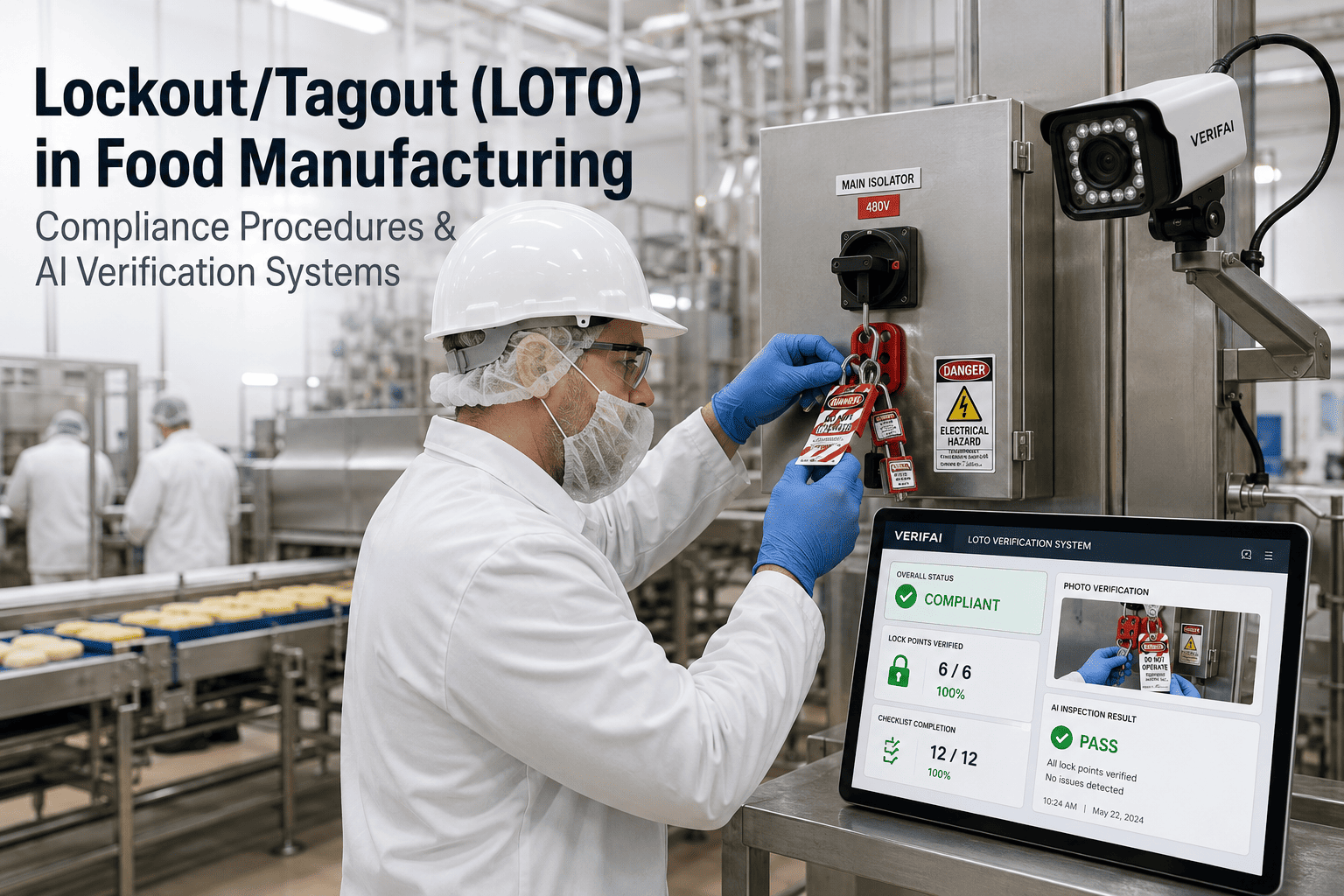
Due diligence is as much about identifying red flags as it is about assessing value. Common red flags in food manufacturing M&A include undocumented equipment modifications, frequent regulatory violations, high employee turnover, and cybersecurity incidents. Use a risk matrix to prioritize issues based on likelihood and impact. AI-powered risk assessment tools can scan public records, social media, and news articles for negative sentiment or legal issues. For example, a plant with multiple OSHA violations may have a poor safety culture that leads to accidents and downtime. Early identification of red flags allows acquirers to adjust the deal terms or walk away if the risk is too high.
Financial & Operational Synergies
Beyond valuation, due diligence should identify potential synergies that can be realized post-acquisition. These include cost savings from shared services, revenue growth from cross-selling, and operational improvements from best practices. AI-driven synergy analysis can model different scenarios and estimate the net present value of each. For example, consolidating two plants' maintenance teams can reduce labor costs by 15%, while standardizing equipment can lower spare parts inventory by 20%. Operational synergies often require investment in technology and training, but the long-term payoff can be substantial.
Legal & Contractual Review
A thorough review of all legal and contractual documents is essential. This includes supplier contracts, customer agreements, leases, insurance policies, and intellectual property rights. Pay special attention to change-of-control clauses, termination rights, and indemnification provisions. AI-powered contract analysis can quickly identify unfavorable terms and obligations. For example, a supplier contract with a long notice period may limit flexibility post-acquisition. Legal due diligence also covers pending litigation, warranty claims, and product liability issues. Addressing these issues upfront prevents costly surprises later.
Environmental & Sustainability Audit
Environmental compliance is increasingly important for food manufacturers due to regulations on waste, water usage, and emissions. Assess the plant's environmental permits, waste management practices, and sustainability initiatives. AI-driven environmental monitoring can track energy consumption, water usage, and carbon footprint in real time. For example, a plant with high water consumption may face regulatory pressure or increased costs. Sustainability can also be a value driver, as consumers and investors favor eco-friendly brands. Investing in green technologies, such as energy-efficient refrigeration or solar panels, can reduce operating costs and enhance brand reputation.
Frequently Asked Questions
What are the key components of food plant due diligence?
Key components include equipment condition assessment, regulatory compliance audit, technology stack evaluation, capacity analysis, supply chain review, workforce assessment, and financial analysis. Each component provides critical insights into the plant's operational health and future potential. For a detailed checklist, visit our support page.
How does AI improve due diligence accuracy?
AI analyzes vast amounts of data from sensors, maintenance logs, and compliance records to identify patterns and predict future performance. It can estimate remaining useful life of equipment, detect compliance risks, and simulate post-acquisition scenarios. Book a Demo to see AI in action.
What are common red flags in food manufacturing M&A?
Common red flags include undocumented equipment modifications, frequent regulatory violations, high employee turnover, cybersecurity incidents, and supplier concentration. Early identification allows for better risk management. Learn more on our support page.
How long does a comprehensive due diligence process take?
A thorough due diligence process typically takes 4-8 weeks, depending on the plant's size and complexity. AI-powered tools can reduce this timeline by 30-50% by automating data collection and analysis. For faster results, Book a Demo.
What is the role of technology stack in plant valuation?
The technology stack significantly impacts valuation because it affects scalability, efficiency, and integration costs. Modern, integrated systems can increase valuation by up to 20%, while outdated systems may require costly overhauls. Contact us for a technology audit.
Optimize Your Next Acquisition
Use AI-driven insights to make smarter M&A decisions. Book a demo or contact our team today.