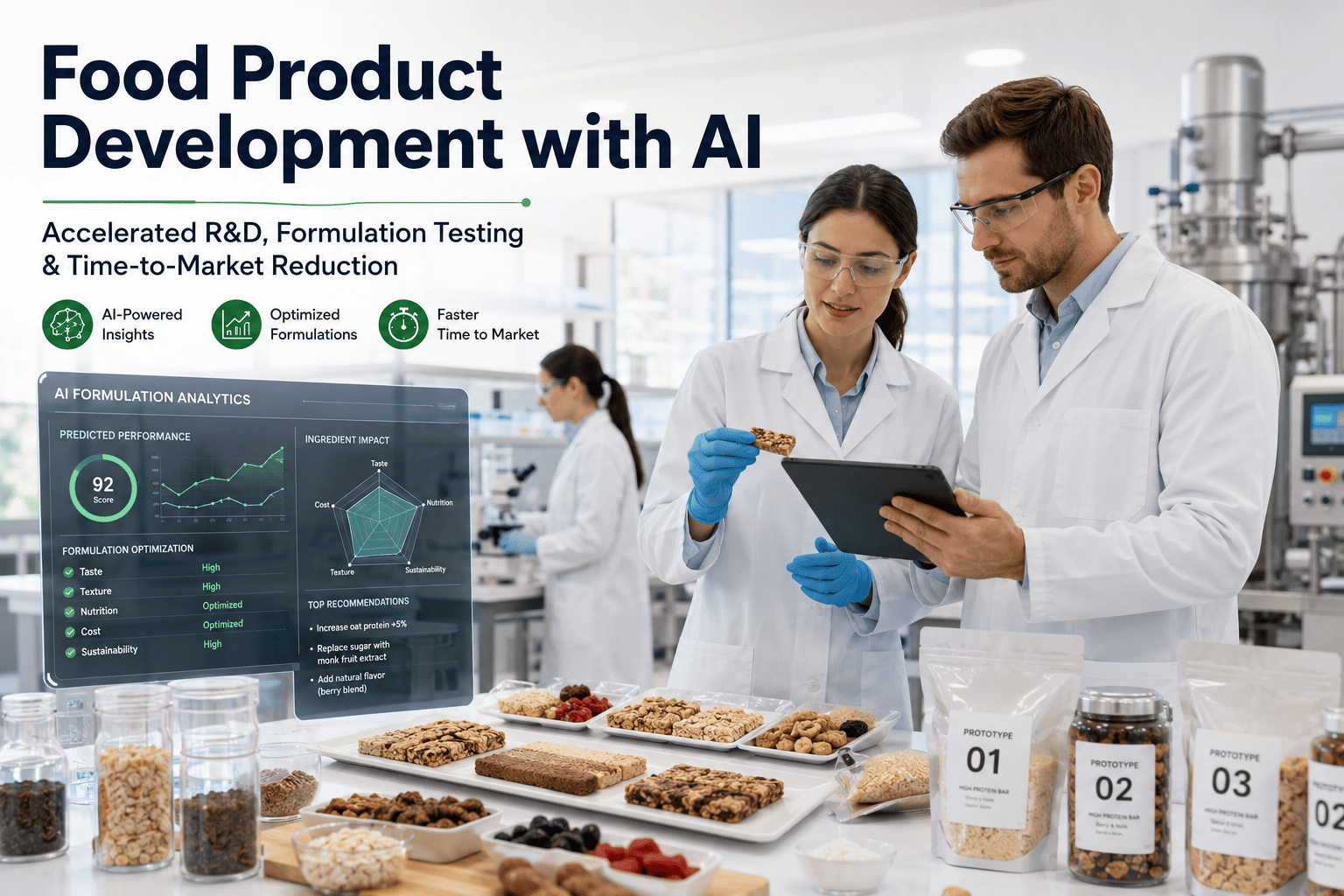
Trained sensory panels are excellent at describing a product precisely, using consistent language across dozens of attributes, but they are expensive to run and slow to schedule, which means most quality teams save them for the reformulations that already look promising. That leaves a gap: the early-stage formulation changes that never get a full panel because nobody could justify the time, some of which might have been the better product. AI-assisted sensory correlation models fill that gap by predicting likely attribute scores from formulation and prior panel data, helping quality managers decide which candidates earn a full trained panel session, something worth reviewing in a demo against your own panel history.
Trained Sensory Panels Are Precise but Scarce. Most Formulation Candidates Never Get One
iFactory's AI sensory correlation models predict likely attribute scores and consumer preference direction from formulation data, helping quality teams prioritize which candidates deserve a full trained panel.
Sensory Evaluation Breaks a Product Into Attributes, Not One Overall Score
A single "consumers liked it" result hides which specific attribute drove that reaction. Trained panels score each attribute independently, and that same structure is what AI correlation models learn to predict ahead of a full session.
Bars illustrate typical correlation strength between AI-predicted and panel-scored results by attribute; flavor and texture tend to correlate most reliably, aftertaste the least.
Four Ways iFactory Supports a Sensory Evaluation Program
The goal isn't to replace a trained panel's judgment, it's to use it more selectively and interpret its results faster once the session happens.
Pre-Panel Candidate Ranking
Predicts likely attribute scores for new formulations, ranking candidates so panel time goes to the most promising ones first.
Consumer Preference Direction
Models how a trained panel's attribute scores are likely to translate into broader consumer preference, bridging the two data types.
Panel Data Consistency Checks
Flags when an individual panelist's scoring pattern drifts from their historical baseline, supporting panel calibration.
Attribute-to-Formulation Mapping
Links specific ingredient or process changes to the attribute shifts they historically produce, speeding up root-cause analysis.
Give Your Trained Panel's Time to the Candidates Most Likely to Succeed
iFactory's sensory correlation models help quality teams prioritize panel sessions instead of running them on every formulation change.
Trained Panels, Consumer Panels, and AI-Assisted Screening Side by Side
Each method serves a different stage of development, and most mature sensory programs use a combination rather than relying on just one.
| Method | Best Used For | Speed | Cost |
|---|---|---|---|
| Trained Sensory Panel | Precise attribute description | Slow, scheduled sessions | Highest |
| Consumer Preference Panel | Overall liking and purchase intent | Moderate | Moderate to high |
| AI-Assisted Screening | Early-stage candidate ranking | Near-instant | Lowest incremental cost |
Results Reported by Quality Teams Using AI-Assisted Sensory Screening
These figures reflect changes reported by food manufacturers after adding AI sensory correlation tools ahead of trained panel sessions.
Questions Quality Managers Ask About AI-Assisted Sensory Evaluation
Make Your Sensory Program's Scarcest Resource Go Further
Book a walkthrough of iFactory's AI-assisted sensory screening and see how it fits alongside your existing panel process.