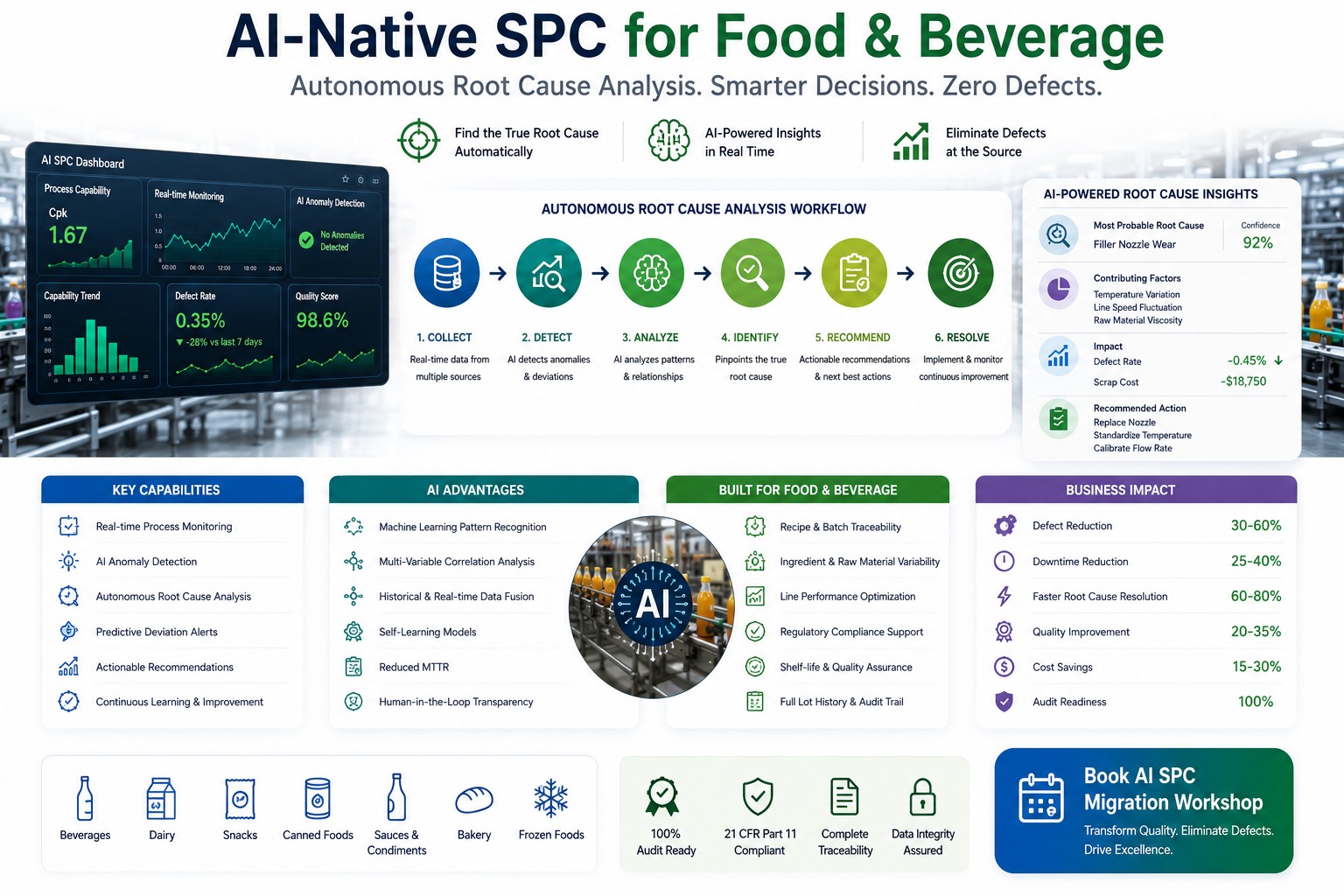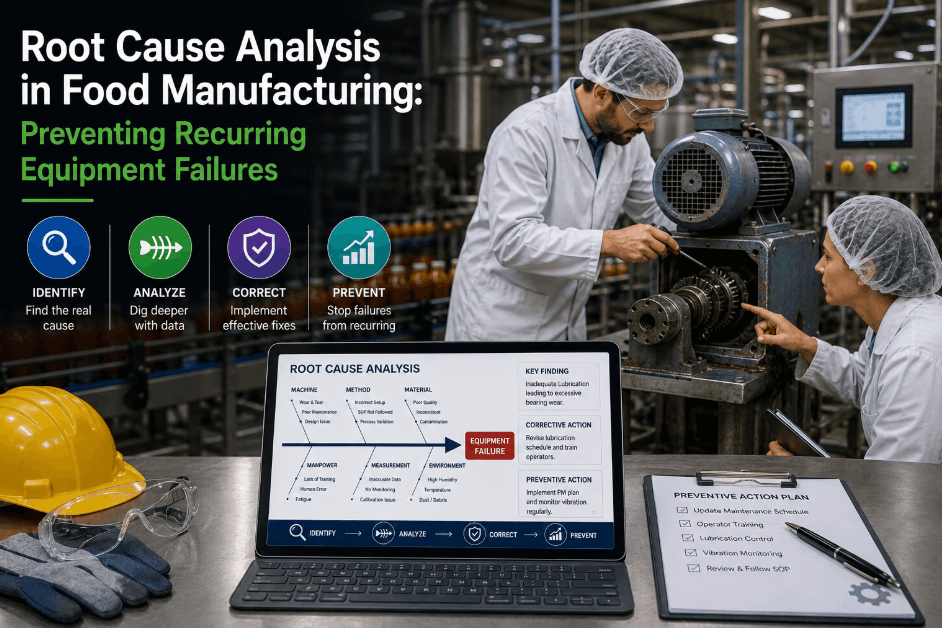
A process engineer investigating a recurring defect knows the frustrating pattern well: the same fishbone diagram gets redrawn every quarter, the same five whys get asked, and the same "operator error" box gets checked because nobody has time to dig past the surface-level answer before the line needs to restart. Manual root cause analysis is thorough in theory and rushed in practice, which is exactly why the same defects keep coming back under a different corrective action number. iFactory AI applies pattern recognition across historical quality, downtime, and sensor data to accelerate root cause analysis from a multi-day investigation into a same-shift finding.
Why the Same Defects Keep Coming Back
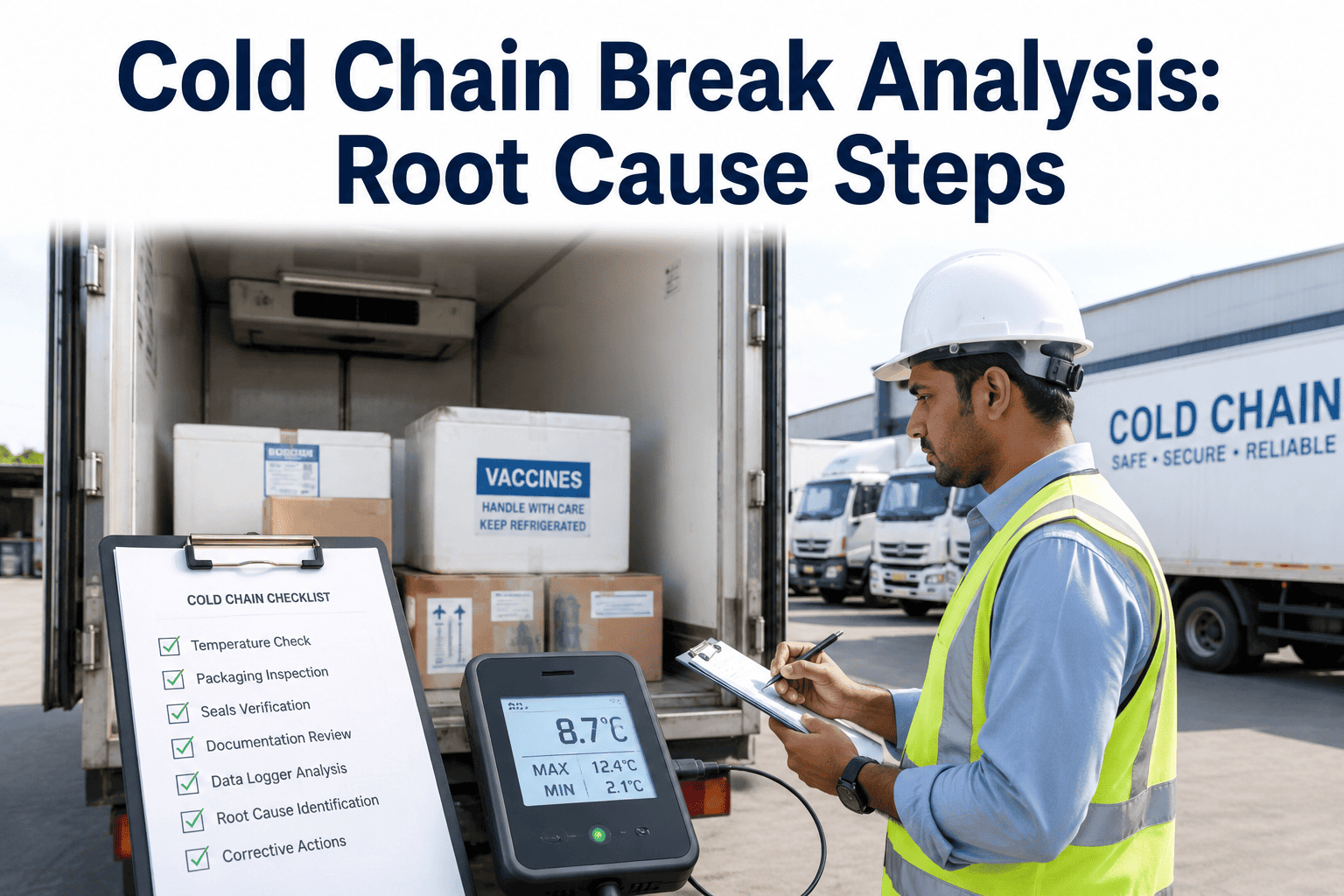
Root cause analysis fails most often not because the tools are wrong, but because the investigation stops at the first plausible answer instead of continuing to the actual cause. A fishbone diagram filled out from memory in a thirty-minute meeting reflects what the team remembers, not what the data shows, and a 5-Why session that keeps landing on "operator did not follow procedure" has usually stopped one or two whys too early.
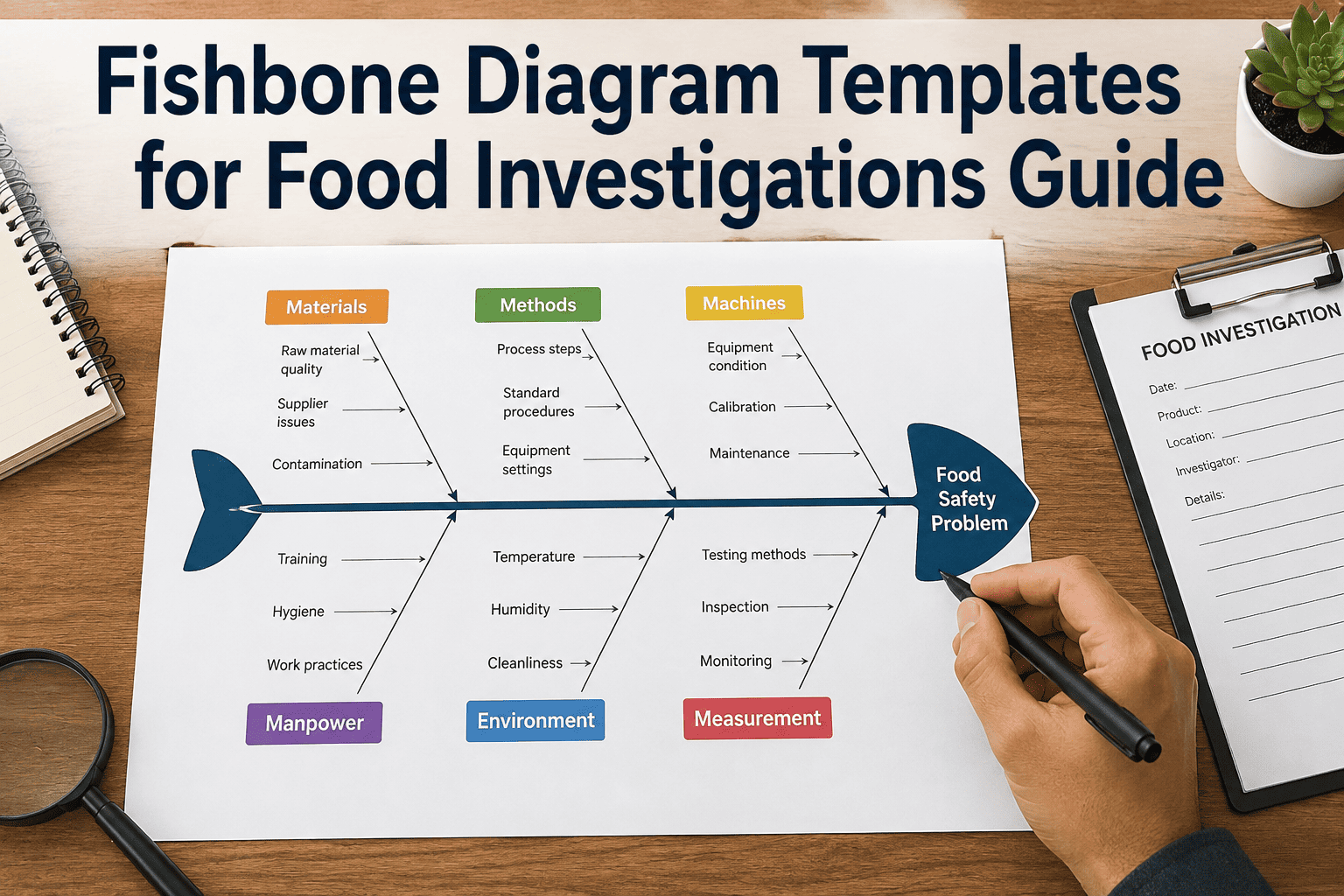
The Six Categories a Thorough Fishbone Analysis Should Cover
Equipment wear, calibration drift, and maintenance history correlated against the timing of the defect.
Whether the documented procedure was actually followed, and whether the procedure itself is still correct.
Raw material lot variability, supplier changes, and incoming inspection results tied to the affected batch.
Shift patterns, training records, and staffing changes correlated against when the defect rate changed.
Sensor calibration accuracy and inspection method consistency, since a measurement problem can look identical to a process problem.
Temperature, humidity, and seasonal variation that can shift process behavior without any change to the recipe or equipment.
Running a 5-Why That Actually Reaches Root Cause
Notice that the true root cause here is a specification gap created by a supplier change, not the operator who ran the line that shift. A 5-Why that stops at "why 2" would generate a corrective action about recalibrating the filler — which would fix nothing, since the next high-viscosity lot would cause the identical failure.
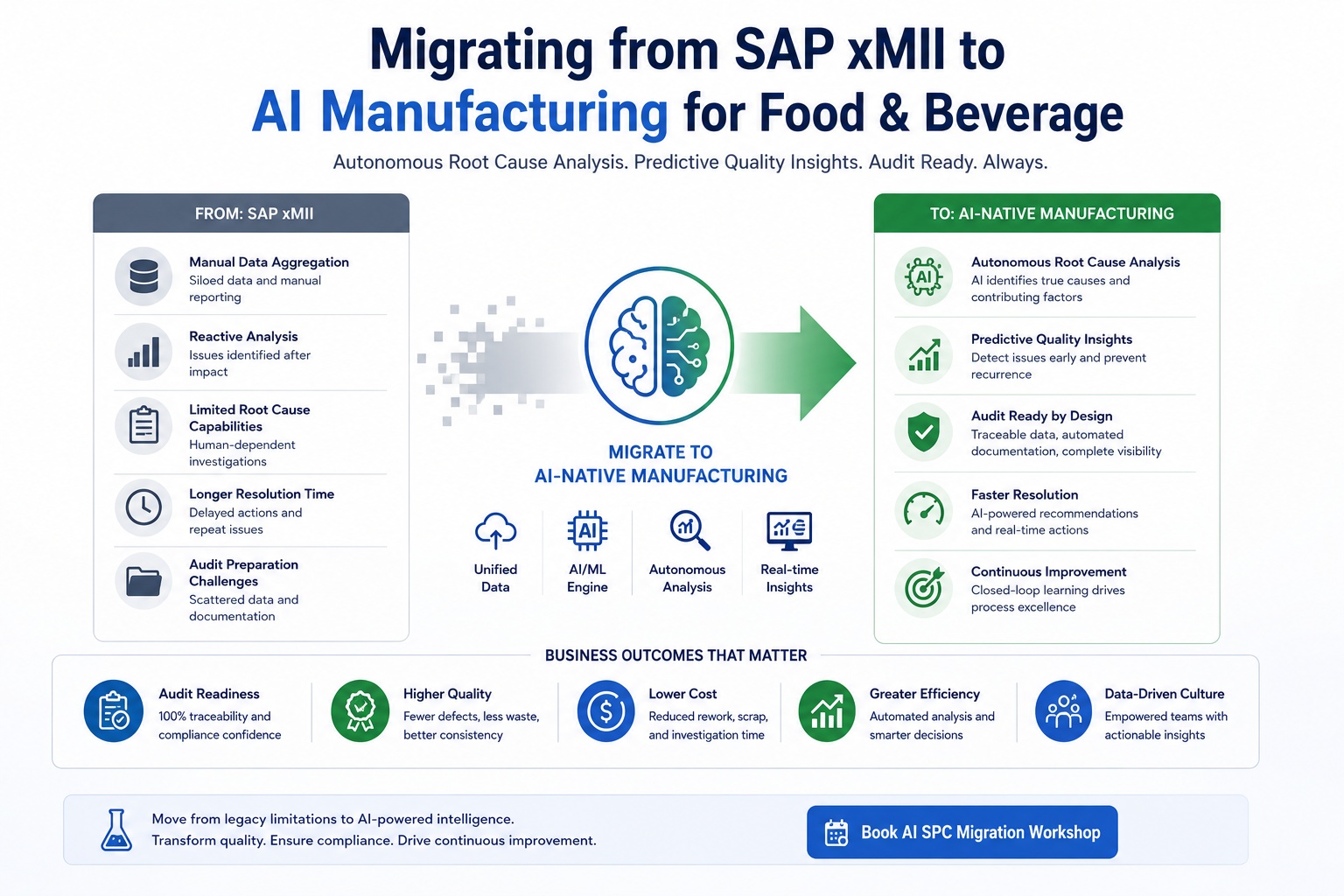
Manual Investigation vs. AI-Assisted Root Cause Analysis
| Step | Manual Process | AI-Assisted Process |
|---|---|---|
| Data Gathering | Pulled manually from multiple systems, often incomplete | Automatically compiled from MES, quality, and sensor systems |
| Pattern Identification | Relies on team memory of similar past events | Matches current defect against historical pattern database |
| Fishbone Category Prioritization | Equal time typically spent on all six categories | Data-driven ranking of most likely category first |
| Investigation Time | 3–5 days for a recurring defect | Hours to a single shift for most cases |
Process Engineer Perspective
We had a fill-weight defect that reappeared roughly every six weeks for over a year, and every investigation ended the same way — recalibrate the filler, close the corrective action, wait for it to come back. When we finally pulled incoming ingredient data alongside the defect timeline instead of just looking at the filler itself, the correlation to a specific supplier's lots was obvious within an hour, something none of our previous investigations had caught because nobody had ever laid the two datasets side by side. That one finding ended a defect pattern that had cost us more scrap over a year than the AI tooling cost us to implement.
— Process Engineer, Packaged Foods ManufacturerConclusion
Root cause analysis is only as good as the data behind it, and manual investigations rushed against a production deadline are structurally prone to stopping at the first plausible answer instead of the real one. Process engineers who bring historical, cross-system data into the investigation from the start consistently reach true root cause faster and stop the same defect from resurfacing under a new corrective action number. Book a demo to see AI-assisted root cause analysis applied to your own recurring defect data.
Frequently Asked Questions
AI compiles data from MES, quality, and sensor systems automatically and matches the current defect pattern against historical events, ranking likely fishbone categories by correlation strength instead of requiring the team to manually pull and cross-reference data from separate systems. This typically reduces investigation time from days to hours for defects with a historical precedent. Book a demo to see this applied to a recent defect in your own data.
No, AI accelerates and informs these methodologies rather than replacing them — it narrows which fishbone category to investigate first and surfaces data-backed answers to each "why," but the structured methodology itself still guides the investigation and the final corrective action decision remains a human judgment call.
Historical quality event records, downtime logs, and ideally sensor or process data from MES form the foundation, with more historical depth producing stronger pattern matches. Plants with even a few months of consistently logged quality events can start seeing value, though accuracy improves as more history accumulates. Contact support for a data readiness review.
Time pressure to restart a line and a natural tendency to accept the first plausible-sounding answer both push investigations to stop before reaching a true systemic root cause, often landing on "operator error" instead of the upstream specification, supplier, or design gap that actually caused the error to be possible in the first place.
The clearest evidence is whether the defect rate for that specific failure mode drops to and stays near zero over the following weeks; a corrective action that only reduces frequency without eliminating it usually indicates the true root cause was not fully addressed. Tracking recurrence rate by defect type, not just overall scrap rate, makes this visible instead of masked by other improvements.