HACCP compliance AI-driven systems are transforming how food manufacturing facilities monitor critical control points, document deviations, and maintain regulatory readiness in 2026. Manual HACCP monitoring — paper logs, operator observation, and retrospective corrective action documentation — creates compliance gaps that surface during FDA inspections, third-party audits, and product recall investigations. AI-powered HACCP monitoring software eliminates these vulnerabilities by automating CCP temperature validation, logging deviations in real time, triggering corrective action workflows immediately, and generating the audit-ready documentation that food safety directors need to demonstrate continuous compliance. Food safety teams ready to see how automated critical control point monitoring works can Book a Demo to explore platform capabilities built specifically for HACCP plan automation.
Automate Your HACCP Compliance with AI-Powered CCP Monitoring
iFactory's food safety platform delivers real-time critical control point validation, automated deviation alerts, corrective action workflow triggers, and digital HACCP documentation — ensuring continuous compliance and audit readiness without manual log entry.
Understanding HACCP Compliance Requirements in Modern Food Manufacturing
HACCP (Hazard Analysis and Critical Control Points) is the internationally recognized framework for preventing food safety hazards through systematic monitoring of critical control points where biological, chemical, or physical contamination risks can be controlled. Food manufacturing facilities operating under FDA jurisdiction, USDA-FSIS oversight, or exporting to international markets must implement validated HACCP plans that identify critical control points, establish critical limits for each CCP, define monitoring procedures, document corrective actions when deviations occur, and maintain verification records demonstrating continuous compliance. The challenge is not conceptual understanding of HACCP principles — it is the operational execution of continuous CCP monitoring across multiple production lines, shifts, and product categories while maintaining the documentation precision that regulatory inspectors require. Facilities struggling with manual HACCP log consistency can Book a Demo to see how automated monitoring platforms eliminate documentation gaps without changing existing production workflows.
The Hidden Costs of Manual HACCP Monitoring and Documentation
Manual HACCP systems — operators recording temperatures on paper charts, quality technicians transcribing readings into Excel spreadsheets, supervisors reviewing logs at shift end — introduce systematic vulnerabilities that compound over time. Human transcription errors create false compliance records where actual process conditions deviated from critical limits but documentation shows conformance. Time lag between deviation occurrence and supervisor notification delays corrective action response, extending the window where out-of-specification product remains in production. Illegible handwriting, missing signatures, and incomplete corrective action narratives surface during audits as documentation deficiencies that trigger regulatory citations even when actual food safety controls performed correctly. Most critically, manual systems provide no statistical visibility into CCP performance trends — patterns of near-miss deviations that indicate developing equipment problems or process drift that will eventually escalate into full compliance violations. Food safety professionals looking to eliminate these documentation risks can Book a Demo to review how AI monitoring transforms manual HACCP workflows into automated compliance systems.
How AI-Driven HACCP Software Automates Critical Control Point Monitoring
AI-powered HACCP compliance platforms connect directly to process sensors and control systems to monitor critical control points continuously — validating that pasteurizer hold tube temperatures meet HTST requirements, confirming metal detector sensitivity remains within specification, tracking cook kettle time-temperature profiles against critical limits, and documenting refrigeration integrity throughout cold storage. When CCP measurements approach or exceed critical limits, the system automatically triggers deviation alerts to designated personnel via mobile notification, initiates predefined corrective action workflows with step-by-step guidance, logs the deviation event with timestamp precision, and generates the corrective action documentation that HACCP verification requires — all without relying on manual operator log entry or supervisor transcription. Food safety directors implementing automated CCP monitoring for the first time can Book a Demo to review sensor integration architecture and alert configuration workflows tailored to their specific HACCP plan structure.
Pasteurization and Cook Temperature Validation
AI systems monitor HTST pasteurizer hold tube temperatures, retort cook cycles, and sous vide bath profiles continuously — validating critical limits in real time and automatically logging deviations with product lot traceability for immediate corrective action and regulatory compliance documentation.
Metal Detector and X-Ray Inspection Monitoring
Automated monitoring validates metal detector sensitivity and x-ray system performance against HACCP critical limits — tracking test piece detection frequency, rejection system activation, and sensitivity drift patterns to prevent physical contamination escape events before they occur.
Refrigeration and Freezer Temperature Compliance
Real-time cold storage monitoring tracks temperature excursions against HACCP critical limits — identifying compressor degradation, door seal failures, and refrigerant system drift before cold chain violations occur and automatically documenting corrective actions for audit verification.
pH, Water Activity, and Preservative Concentration Control
AI platforms monitor chemical control parameters continuously — validating pH levels in acidified foods, tracking water activity in shelf-stable products, and confirming preservative concentrations meet formulation specifications to prevent pathogen growth and spoilage risk.
Real-Time Corrective Action Workflows: From Deviation Detection to Resolution
The compliance value of automated HACCP monitoring extends beyond CCP validation into corrective action execution — the moment when a deviation occurs is precisely when manual systems fail most critically, as operators must simultaneously address the process failure, segregate affected product, document the event, and notify supervisory personnel. AI-driven HACCP software eliminates this coordination burden by automatically triggering predefined corrective action workflows the instant a CCP deviation is detected — sending mobile alerts to designated responders with deviation details and product lot identification, presenting step-by-step corrective action protocols specific to the deviation type, prompting disposition decisions for affected product with automatic hold status application, and generating the timestamped documentation trail that demonstrates corrective action completion for HACCP verification and regulatory audit purposes. Facilities managing complex multi-line HACCP plans with dozens of CCPs across different process stages can Book a Demo to walk through customized workflow configurations that match their existing corrective action procedures.
Digital HACCP Documentation: Building Audit-Ready Compliance Records
Food manufacturing facilities face increasing documentation scrutiny from FDA inspectors, USDA auditors, GFSI scheme auditors (SQF, BRC, FSSC 22000), and customer quality assurance programs — all requiring evidence that HACCP monitoring occurred as documented, critical limits were met continuously, deviations triggered immediate corrective actions, and verification activities confirmed system effectiveness. AI-powered HACCP platforms generate this audit trail automatically through digital record creation that timestamps every CCP measurement, logs every deviation event with associated corrective actions, tracks verification activities against scheduled frequencies, and maintains the complete documentation history in searchable digital archives that support both routine audits and emergency recall investigations. The documentation precision that automated systems deliver extends beyond regulatory compliance into operational intelligence — food safety directors gain statistical visibility into CCP performance trends, deviation frequency patterns, and equipment reliability metrics that manual log review can never surface.
Automated Critical Limit Validation Logs with Sensor Integration
AI systems generate continuous CCP monitoring records with timestamp precision and sensor-direct data capture — eliminating manual log entry errors and providing the documentation completeness that FDA 483 observations and GFSI audit non-conformances most frequently cite as deficiencies in manual HACCP programs.
Deviation Event Logging with Product Traceability and Disposition Tracking
When CCP deviations occur, automated platforms document the complete corrective action sequence — deviation detection timestamp, affected product lot identification, corrective measures implemented, disposition decision rationale, and verification of corrective action effectiveness — creating the audit evidence that demonstrates HACCP plan adherence under FDA and USDA inspection protocols.
HACCP Plan Validation and Ongoing Verification Activity Tracking
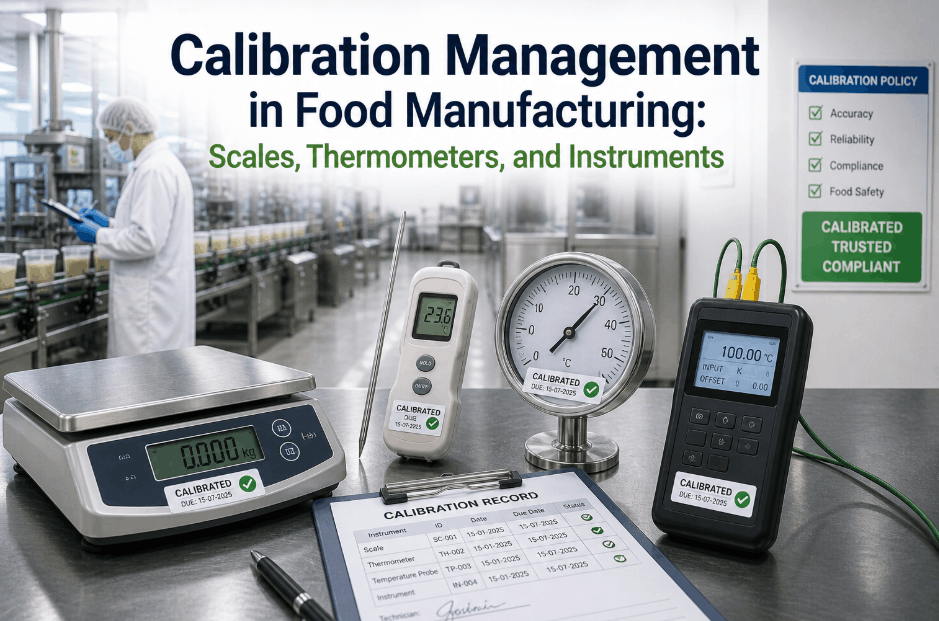
AI platforms schedule and track HACCP verification activities automatically — CCP calibration verification, sanitation effectiveness validation, prerequisite program monitoring, and annual HACCP plan reassessment — ensuring verification frequencies meet regulatory requirements and generating the documentation that third-party auditors require for GFSI certification maintenance.
FDA, USDA, and GFSI Audit-Ready Report Generation
Automated HACCP systems generate regulatory reports on demand — daily CCP monitoring summaries, monthly deviation frequency analysis, annual HACCP plan verification reports, and recall documentation packages — providing the documentation completeness and accessibility that regulatory agencies and certification bodies require without manual data compilation or spreadsheet assembly.
Manual HACCP vs. AI-Driven HACCP: Compliance Performance Comparison
The operational case for HACCP automation becomes clear through direct comparison with manual monitoring approaches — the table below demonstrates performance differences across the compliance dimensions that matter most for food safety directors managing regulatory obligations, audit preparation, and documentation integrity requirements.
| Compliance Dimension | Manual HACCP Monitoring | AI-Driven HACCP Automation | Regulatory Impact |
|---|---|---|---|
| CCP Monitoring Frequency | Operator checks at defined intervals | Continuous sensor-based validation | Eliminates monitoring gap exposure between checks |
| Deviation Detection Speed | Discovered at next scheduled check | Real-time alert within seconds | Minimizes out-of-spec product window and recall scope |
| Corrective Action Response | Supervisor notification and manual workflow | Automated workflow trigger and guided execution | Demonstrates immediate corrective action for auditors |
| Documentation Accuracy | Manual transcription with human error risk | Automated digital records with timestamp precision | Eliminates FDA 483 citations for incomplete logs |
| Audit Preparation Time | Days of manual record compilation | Minutes to generate audit report packages | Reduces audit burden and demonstrates readiness |
| Trend Analysis Capability | Retrospective manual chart review | Statistical CCP performance dashboards | Enables preventive action before violations occur |
| Verification Documentation | Paper checklists and manual tracking | Automated verification activity scheduling and logging | Ensures HACCP plan verification completeness |
Implementing AI-Powered HACCP Monitoring: Deployment Considerations for Food Safety Directors
The practical barriers to HACCP automation — perceived integration complexity, concern about disrupting validated processes, and uncertainty about regulatory acceptance of digital records — have been substantially reduced through modern platform architectures designed specifically for food manufacturing environments. Non-invasive sensor deployment allows CCP monitoring integration during scheduled sanitation downtime without requiring process revalidation. Cloud-based HACCP platforms comply with FDA 21 CFR Part 11 electronic records requirements and GFSI digital documentation standards. Phased implementation models let facilities start with highest-risk CCPs — thermal processing or metal detection — and expand coverage progressively as ROI is demonstrated. Food safety teams evaluating HACCP automation options for the first time can Book a Demo to review deployment timelines, sensor integration requirements, and regulatory validation documentation specific to their facility's HACCP plan structure and processing operations.
HACCP Plan Review and CCP Prioritization
AI implementation begins with existing HACCP plan analysis to identify critical control points with highest compliance risk, documentation burden, or deviation frequency — targeting thermal processing CCPs, physical hazard detection points, and cold chain monitoring for initial automation deployment.
Sensor Installation and Alert Workflow Configuration
Non-invasive temperature sensors, metal detector interfaces, and refrigeration monitoring devices are installed during scheduled downtime — configured to match existing HACCP critical limits and connected to automated alert workflows that mirror current corrective action procedures without requiring process revalidation.
Parallel Monitoring and Documentation Verification
Automated systems run alongside manual HACCP monitoring for validation period — comparing digital records against operator logs to verify accuracy, calibrating alert thresholds to prevent false positives, and generating the documentation that demonstrates regulatory equivalence before transitioning to full automation.
HACCP Compliance Beyond Temperature: Expanding Automated Monitoring Coverage
While thermal processing CCPs are the most common starting point for HACCP automation, comprehensive food safety compliance requires monitoring across multiple hazard categories — chemical controls through pH and water activity measurement, physical hazard detection via metal detector and x-ray validation, allergen management through production line changeover verification, and sanitation effectiveness monitoring through ATP testing integration. AI-powered HACCP platforms that support multi-parameter monitoring enable food safety directors to build unified compliance dashboards that surface all CCP deviations, corrective actions, and verification activities in a single operational view — eliminating the documentation fragmentation that occurs when different hazard categories are managed through separate systems. Facilities managing complex HACCP plans with chemical, physical, and biological CCPs across multiple production lines can Book a Demo to see integrated monitoring architecture demonstrations and platform walkthroughs with food safety automation specialists.
Ready to Automate Your HACCP Compliance Program?
iFactory's AI-powered food safety platform delivers real-time critical control point monitoring, automated deviation alerts, corrective action workflow triggers, and digital HACCP documentation — ensuring continuous compliance and audit readiness without manual log entry or documentation gaps.
Frequently Asked Questions: AI-Driven HACCP Compliance Automation
Does AI-powered HACCP monitoring meet FDA and USDA regulatory requirements?
Yes. AI-driven HACCP platforms comply with FDA 21 CFR Part 11 electronic records requirements and USDA FSIS directive 5000.1 for digital HACCP documentation. Automated systems generate the same critical limit validation, deviation documentation, and corrective action records that manual HACCP monitoring produces — with greater accuracy, completeness, and audit accessibility.
Can automated HACCP monitoring integrate with existing equipment and control systems?
Yes. Modern HACCP automation platforms use non-invasive sensor architectures and standard industrial communication protocols (Modbus, OPC-UA, Ethernet/IP) to integrate with pasteurizers, metal detectors, refrigeration systems, and process control equipment without requiring equipment replacement or extensive PLC programming changes.
How does AI-driven HACCP software handle corrective action documentation during CCP deviations?
When critical limits are exceeded, AI platforms automatically trigger corrective action workflows — sending mobile alerts to designated personnel, presenting step-by-step corrective action protocols, prompting product disposition decisions, and generating timestamped documentation that demonstrates immediate response for regulatory compliance and audit verification.
What is the typical deployment timeline for implementing automated HACCP monitoring?
High-priority CCP monitoring — thermal processing and metal detection — typically deploys within 4–6 weeks using non-invasive sensor installation during scheduled sanitation downtime. Parallel validation runs 2–4 weeks to verify accuracy against manual logs before transitioning to full automation. Complete HACCP plan coverage across all CCPs typically reaches full implementation within 3–6 months depending on facility complexity.
Will automated HACCP systems work for facilities with multiple production lines and different product categories?
Yes. AI-powered HACCP platforms support multi-line facilities with product-specific critical limits, line-specific CCPs, and different monitoring frequencies across production areas. The system maintains separate HACCP documentation for each product category while providing unified dashboards for facility-wide compliance visibility and audit report generation.
Transform Your Food Safety Compliance Today
See how iFactory's AI-driven HACCP monitoring platform can eliminate manual logging errors, automate deviation responses, and build audit-ready documentation for your facility. Our food safety specialists are ready to walk you through a customized platform demonstration.