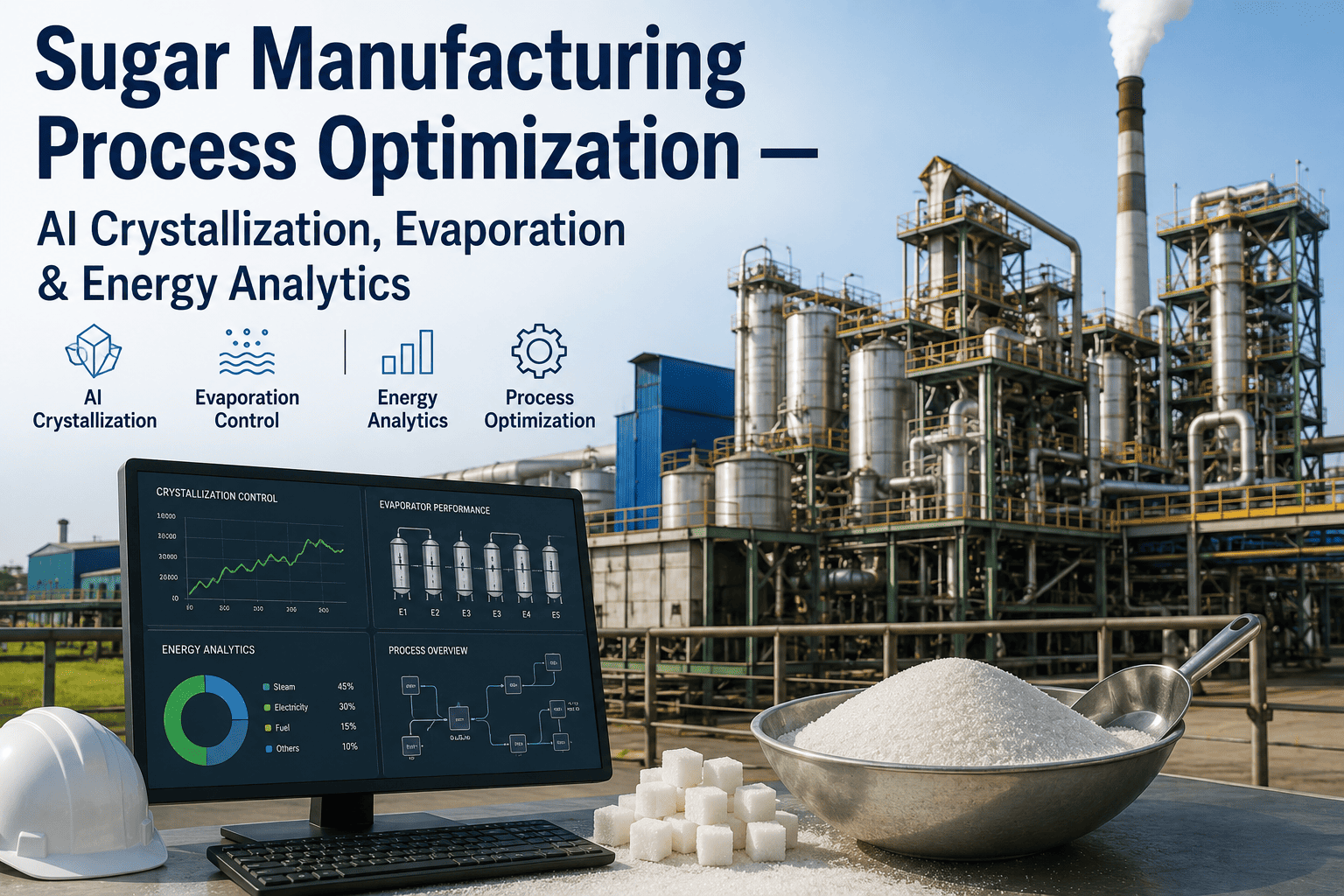
In the highly competitive sugar and sweetener manufacturing sector, operational excellence hinges on precise control over every stage of the process—from raw juice extraction to final crystal grading. Traditional methods often rely on manual sampling and reactive adjustments, leading to inefficiencies in evaporation, crystallization, and centrifugal separation. However, the integration of artificial intelligence (AI) and advanced analytics is revolutionizing this landscape, enabling manufacturers to achieve unprecedented levels of efficiency, quality, and energy savings. This comprehensive guide delves into the critical applications of AI in sugar manufacturing, focusing on evaporator station optimization, crystallization monitoring, centrifugal separation analytics, sugar color grading, and holistic energy consumption management. By leveraging predictive models and real-time data, process engineers can reduce variability, minimize waste, and enhance throughput. For a deeper dive into how these technologies can be tailored to your facility, Book a Demo with our experts.
Transform Your Sugar Mill with AI-Driven Process Control
Achieve 15% higher yield and 20% energy reduction through intelligent automation.
Evaporator Station Efficiency
The evaporator station is the heart of a sugar mill, consuming up to 60% of total thermal energy. AI models analyze temperature profiles, juice flow rates, and vapor pressure to predict fouling and optimize cleaning cycles. By implementing predictive maintenance, a leading refinery reduced downtime by 25% and maintained consistent brix levels, directly impacting downstream crystallization. Real-time adjustments to steam distribution prevent energy waste, while digital twins simulate alternative scenarios for continuous improvement.
Crystallization Monitoring
Crystallization is a delicate balance of supersaturation, temperature, and seeding. AI-powered vision systems and near-infrared sensors track crystal size distribution and shape in real time, enabling precise control of cooling rates. This reduces the formation of fines and conglomerates, improving sugar quality and yield. One plant achieved a 12% increase in average crystal size, leading to better centrifugal performance and higher market value.
Centrifugal Separation Analytics
Centrifuges separate sugar crystals from molasses, but variations in feed consistency cause inefficiencies. AI algorithms predict optimal basket speed, wash water timing, and load cycles based on real-time massecuite viscosity and crystal content. This minimizes sugar loss to molasses and reduces energy consumption by up to 18%. Advanced analytics also flag bearing wear and imbalance, preventing catastrophic failures.
Sugar Color Grading
Color is a key quality metric for refined sugar, directly affecting its price. Traditional visual inspection is subjective and slow. AI-based spectral analysis and machine learning classify sugar color according to ICUMSA standards with 99% accuracy. By integrating this data with process parameters, manufacturers can trace color defects back to specific stages—such as juice clarification or syrup decolorization—and take corrective action instantly.
Implementation Roadmap for AI in Sugar Manufacturing
Data Infrastructure Setup
Deploy sensors for temperature, pressure, flow, and composition at key points. Establish a data lake with edge computing for low-latency processing.
Baseline Modeling
Train machine learning models on historical data to establish normal operating ranges and detect anomalies. Focus on evaporator and crystallizer performance.
Real-Time Optimization
Implement closed-loop control for key variables. AI recommends setpoints for steam flow, cooling rate, and centrifuge speed, which operators can approve or override.
Predictive Maintenance
Use vibration analysis and thermal imaging to predict equipment failures. Schedule maintenance during planned shutdowns, reducing unplanned downtime by 40%.
Continuous Improvement
Analyze production data to identify root causes of yield loss or quality deviations. Retrain models periodically to adapt to seasonal feedstock variations.
Ready to Revolutionize Your Sugar Production?
Unlock hidden efficiencies and boost profitability with AI-driven insights. Our team is ready to design a tailored solution for your mill.
Advanced Analytics for Energy Consumption Optimization
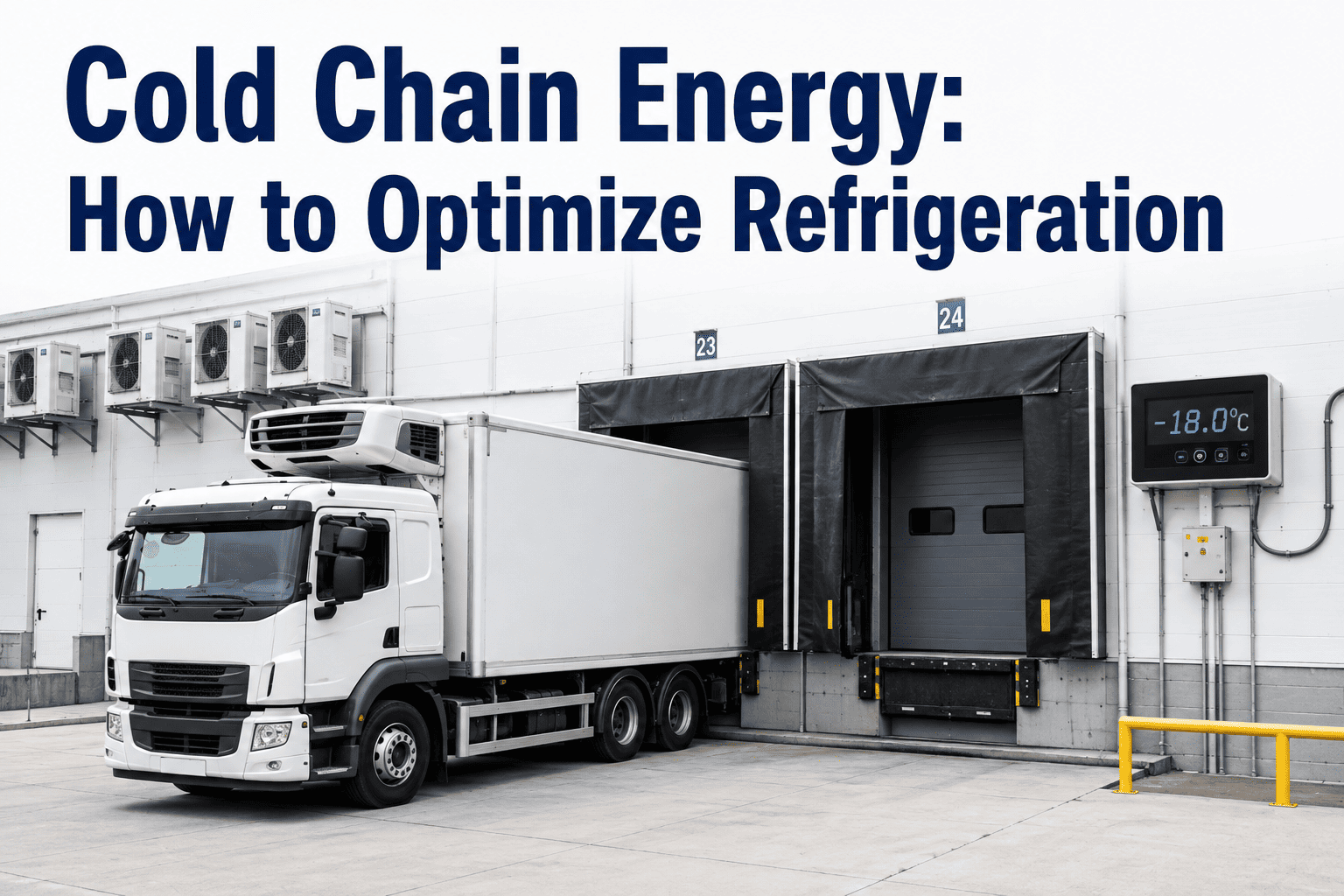
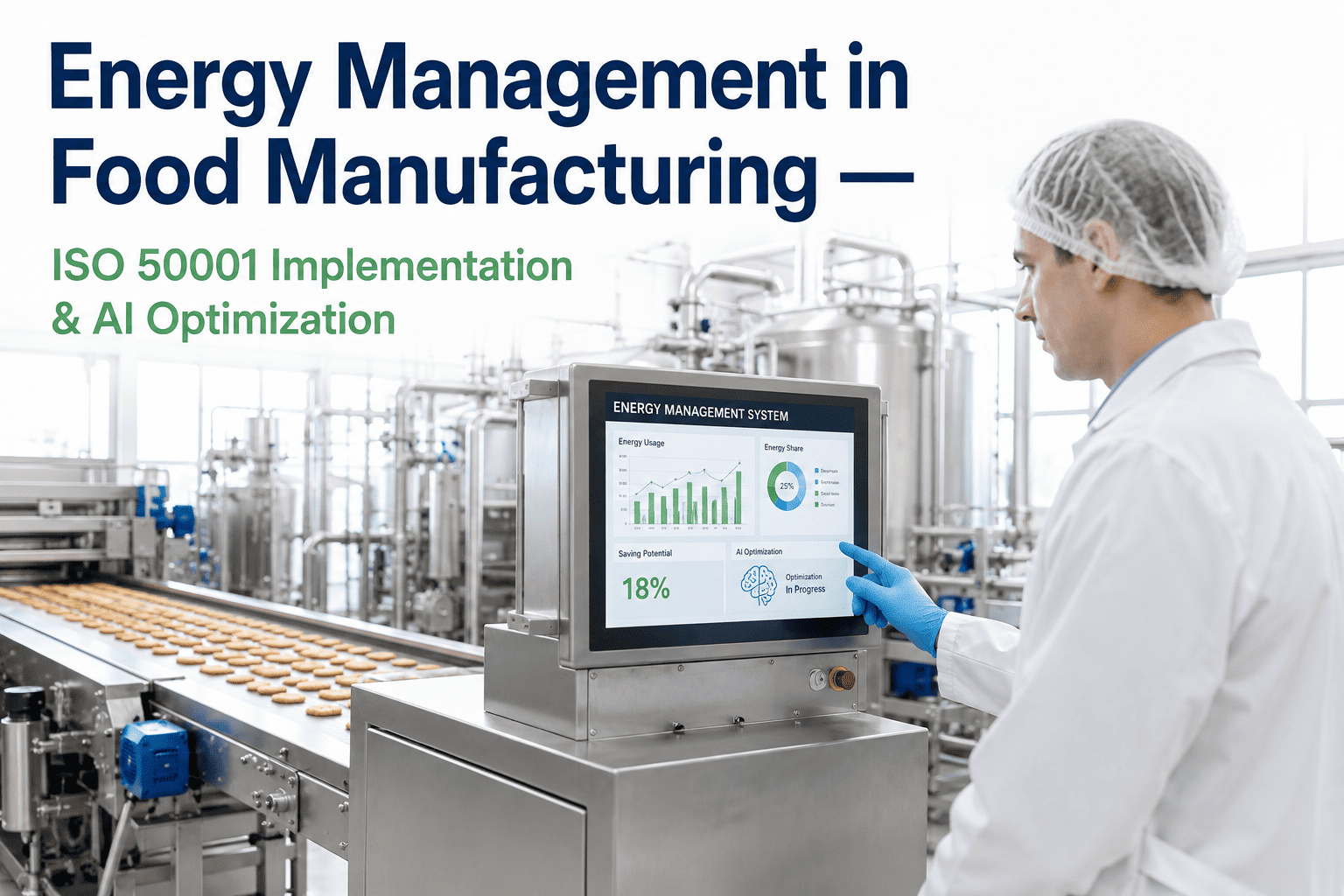
Energy represents a significant portion of sugar manufacturing costs, with steam and electricity being the primary drivers. AI-driven energy management systems analyze consumption patterns across evaporators, crystallizers, centrifuges, and dryers. By correlating energy use with production rates and ambient conditions, the system identifies inefficiencies such as steam leaks, over-pumping, or suboptimal heat recovery. For example, a smart factory in Brazil reduced steam consumption by 22% by dynamically adjusting the number of evaporator effects in operation based on juice flow. Additionally, predictive models optimize cogeneration systems, balancing steam export with internal demand.
Another critical area is the optimization of drying and cooling processes. AI controls the air flow and temperature in sugar dryers to achieve target moisture content while minimizing energy use. Real-time feedback from moisture sensors ensures consistent quality, reducing rework. The integration of these systems into a unified platform allows plant managers to visualize energy flows and carbon footprint in real time, supporting sustainability goals. For a detailed assessment of your energy optimization potential, Book a Demo.
Key Performance Indicators for Sugar Manufacturing AI
| Process Area | KPI | Baseline (Traditional) | AI-Optimized Target |
|---|---|---|---|
| Evaporation | Steam Consumption (kg/kg juice) | 0.45 | 0.35 |
| Crystallization | Average Crystal Size (mm) | 0.35 | 0.42 |
| Centrifugation | Sugar Loss to Molasses (%) | 2.8 | 2.1 |
| Color Grading | ICUMSA Units | 45 | 35 |
| Overall | Energy Cost ($/ton sugar) | 18.5 | 14.8 |
Real-Time Quality Monitoring
Deploy inline sensors and AI vision to continuously assess sugar color, crystal size, and purity. Alerts are generated when parameters drift, allowing immediate intervention.
Predictive Fouling Control
Using heat transfer coefficients and pressure drop trends, the system predicts when evaporator tubes will foul, scheduling cleaning at optimal intervals to maximize uptime.
Automated Massecuite Management
AI determines the exact moment to drop massecuite based on crystal content and viscosity, improving centrifugal separation efficiency and reducing sugar loss.
Frequently Asked Questions
How does AI improve sugar crystallization yield?
AI improves crystallization yield by maintaining optimal supersaturation levels through real-time adjustments of cooling rate and seeding. Machine learning models analyze historical data to predict the best operating conditions for each batch, reducing variability. This leads to a more uniform crystal size distribution, which increases the amount of sugar recovered during centrifugation. For a customized solution, Book a Demo to see how our platform can boost your yield.
What sensors are needed for AI-driven evaporation optimization?
Key sensors include temperature probes at each effect, pressure transmitters, flow meters for juice and steam, and brix analyzers. Vibration sensors on pumps and heat exchangers help predict fouling. Data from these sensors is fed into an AI model that calculates optimal steam distribution and cleaning schedules. For a detailed sensor list and integration guide, contact our support team.
Can AI reduce energy consumption in sugar dryers?
Yes, AI can significantly reduce energy consumption in sugar dryers by optimizing air flow, temperature, and retention time. Using moisture sensors and predictive models, the system adjusts parameters in real time to achieve target moisture content with minimal energy input. This reduces both fuel costs and carbon footprint. Learn more about our energy optimization modules by Booking a Demo.
How does AI handle seasonal variations in raw juice quality?
AI models are trained on multi-year data covering different harvest seasons, allowing them to adapt to variations in juice purity, brix, and color. Continuous learning algorithms update the model as new data arrives, ensuring robust performance. This adaptability is crucial for maintaining consistent sugar quality and yield throughout the year. For a deeper technical discussion, schedule a consultation.
What is the ROI of implementing AI in a sugar mill?
ROI varies based on mill size and current efficiency, but typical results include a 10-15% increase in yield, 15-20% reduction in energy costs, and 20-30% decrease in unplanned downtime. Most facilities see full payback within 12-18 months. For a personalized ROI analysis, Book a Demo and our experts will provide a detailed projection.
Transform Your Sugar Manufacturing Today
Leverage AI to optimize every stage of your process. Contact us to start your digital transformation journey.