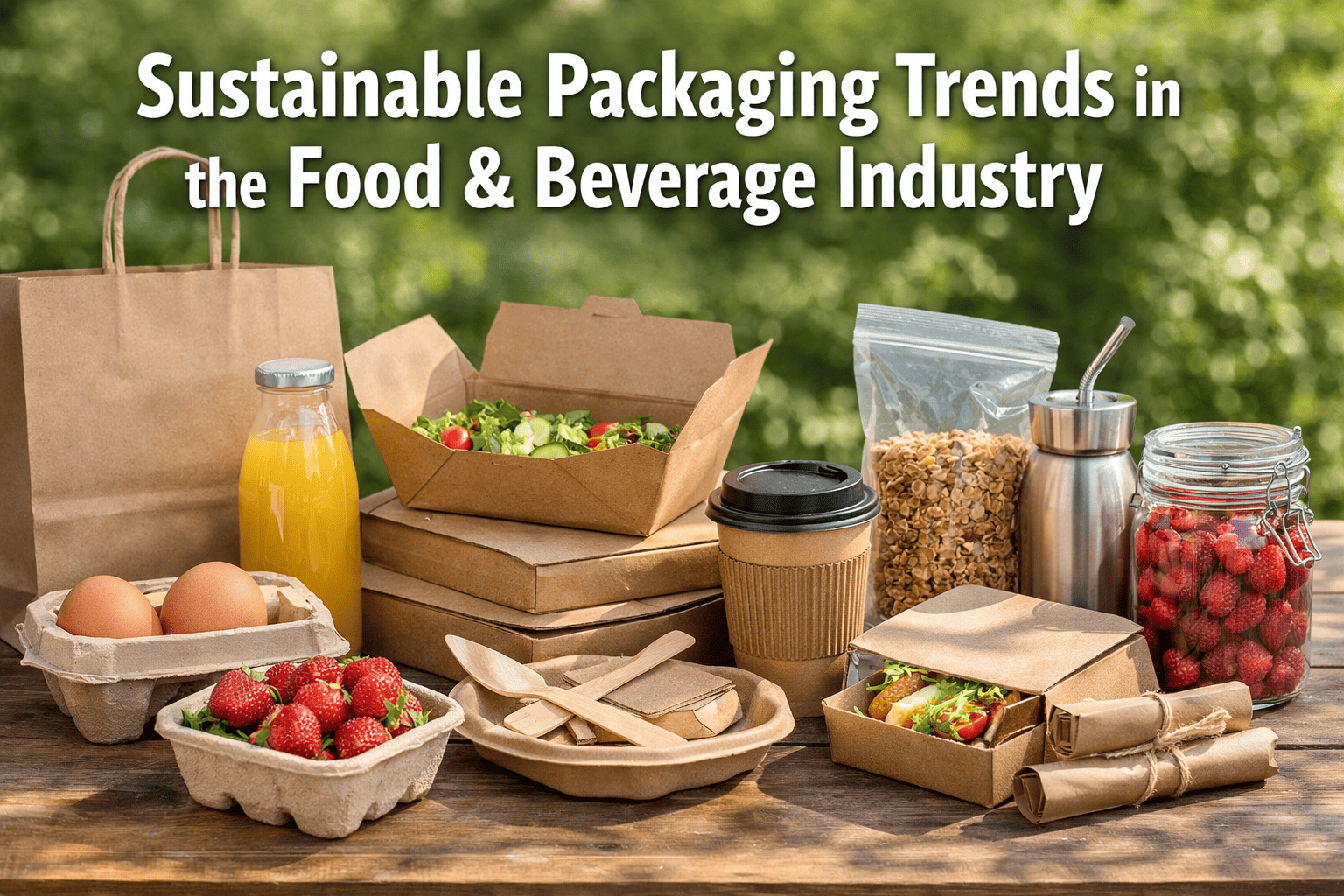
Sustainable packaging is no longer a niche concern for the food and beverage industry—it's the dominant force reshaping how products reach consumers. In 2026, regulatory mandates, consumer expectations, and ESG commitments are driving a $450 billion packaging transformation. From compostable plant-based films replacing single-use plastics to AI-powered packaging line optimization that cuts material waste by 30%, the convergence of sustainability and smart manufacturing is redefining what packaging looks like, how it's produced, and how it performs. Leading F&B manufacturers are leveraging digital manufacturing platforms to simulate packaging designs, optimize material usage, and ensure compliance at speed—turning sustainability from a cost center into a competitive advantage. This guide examines the trends, technologies, and implementation strategies driving sustainable packaging excellence in 2026.
The Future
of Food & Beverage
Packaging Is Green
How smart manufacturing, AI optimization, and next-gen materials are eliminating packaging waste across the food & beverage supply chain.
Why Sustainable Packaging Is Non-Negotiable in 2026
The food and beverage industry accounts for nearly 70% of all packaging produced globally, and the pressure to transform has never been more acute. Regulatory bodies across the EU, North America, and Asia-Pacific are imposing strict extended producer responsibility (EPR) mandates, recyclability requirements, and single-use plastic bans. Simultaneously, consumers are voting with their wallets—72% now actively prefer brands with sustainable packaging credentials. For F&B manufacturers, the equation is simple: adapt packaging operations for sustainability or face regulatory penalties, shelf-space losses, and brand erosion.
Regulatory Acceleration
The EU Packaging and Packaging Waste Regulation (PPWR) mandates that all packaging be recyclable by 2030, with minimum recycled content thresholds hitting 35% for plastic bottles by 2025 and 65% by 2040. Similar legislation is spreading globally—California's SB 54 requires 65% reduction in single-use plastic by 2032. Manufacturers must redesign packaging formats, materials, and production processes to comply.
Consumer Demand & Brand Equity
Sustainability has moved from nice-to-have to purchase-decision driver. 72% of consumers report willingness to pay a premium for sustainable packaging, and 60% have actively switched brands over packaging concerns. For F&B brands, packaging sustainability is now a core component of brand identity, shelf differentiation, and customer loyalty.
ESG & Investor Pressure
Institutional investors now require quantified packaging sustainability metrics as part of ESG reporting. Scope 3 emissions from packaging materials represent a significant portion of F&B carbon footprints. Companies unable to demonstrate measurable packaging sustainability progress face higher capital costs, lower ESG ratings, and diminished investor confidence.
Supply Chain Economics
Virgin plastic costs have increased 40% since 2020 due to petrochemical volatility and carbon taxes. Meanwhile, recycled materials and bio-based alternatives are reaching cost parity. Lightweighting—reducing material per package by 15–25%—simultaneously cuts material costs, shipping weight, and environmental impact. Sustainability and cost reduction are converging.
Top 8 Sustainable Packaging Trends Reshaping F&B in 2026
The sustainable packaging landscape is evolving rapidly across materials, design, and production technology. These eight trends represent the highest-impact shifts transforming food and beverage packaging operations today.
1. Plant-Based & Compostable Films
Next-generation bioplastics derived from corn starch, sugarcane, seaweed, and cellulose are replacing petroleum-based films for snack packaging, fresh produce wraps, and beverage labels. Industrial composting-certified films now match conventional plastics on barrier performance (moisture, oxygen, grease resistance) while fully decomposing within 12 weeks in commercial composting facilities. Leading brands including Nestlé, Danone, and PepsiCo have committed to converting 30–50% of flexible packaging to compostable alternatives by 2028.
2. Mono-Material Design for Recyclability
Multi-material packaging (laminates combining plastic, aluminum, and paper) is being systematically replaced with mono-material structures that can be recycled in single waste streams. Mono-PE and mono-PP pouches now deliver comparable shelf life for dry goods, snacks, and frozen foods. This trend requires fundamental packaging line retooling—heat seal parameters, forming temperatures, and filling speeds all change with new material structures.
3. AI-Optimized Lightweighting
AI and simulation tools are enabling aggressive lightweighting—reducing material per package by 15–25% without compromising structural integrity or shelf life. Digital twin platforms simulate stress, drop, and compression scenarios on virtual packaging models, testing thousands of material thickness and geometry variations to find the minimum viable material usage. This eliminates months of physical prototype testing and achieves material savings that traditional engineering approaches miss.
4. Recycled Content Integration
Post-consumer recycled (PCR) content is becoming mandatory rather than aspirational. rPET (recycled PET) now accounts for 30%+ of PET bottle production in Europe, with food-grade recycling processes (decontamination, repolymerization) ensuring safety compliance. Advanced recycling (chemical recycling) is enabling food-grade recycled content from previously unrecyclable mixed plastics, dramatically expanding the available feedstock of recycled materials.
5. Smart Packaging Line Optimization
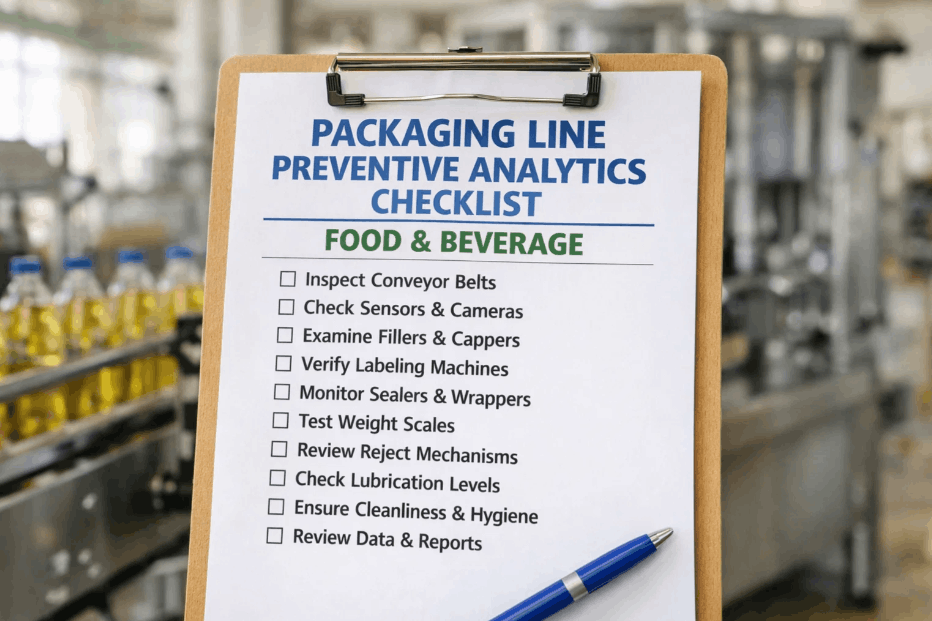
AI-powered manufacturing platforms monitor and optimize packaging line performance in real time—reducing material waste from overfill, mis-seals, misaligned labels, and changeover scrap. Vision systems detect micro-defects before they cascade into material waste, while predictive analytics optimize changeover schedules to minimize scrap between product runs. Manufacturers using smart line optimization report 20–30% reduction in packaging material waste.
6. Edible & Dissolvable Packaging
Edible films and water-soluble packaging are emerging for single-serve applications—condiment sachets, beverage pods, and portion-control packaging that dissolves during preparation or consumption. While still niche (less than 2% market penetration), the technology is scaling rapidly for food service, hospitality, and institutional food distribution where single-use packaging waste is concentrated and collection infrastructure is controlled.
7. Digital Watermarks & Smart Sorting
Digital watermark technology (such as HolyGrail 2.0 initiative) embeds invisible codes across the entire surface of packaging, enabling automated sorting systems to identify material type, food contact compliance, and recycling stream at high speed. This technology bridges the gap between design-for-recyclability and actual recycling infrastructure, ensuring that mono-material and recyclable packaging actually gets recycled rather than downcycled or landfilled.
8. Reuse & Refill Infrastructure
Reusable packaging systems—refillable glass bottles, durable plastic containers with return logistics, and in-store refill stations—are scaling beyond pilot programs into mainstream retail. Brands like Coca-Cola, Unilever, and Loop are building reverse logistics networks that collect, sanitize, and redistribute reusable packaging at scale. Manufacturing lines must accommodate both single-use and reusable formats, requiring flexible production systems and robust tracking infrastructure.
Optimize Your Packaging Lines for Sustainability
iFactory's AI-powered manufacturing platform helps F&B producers simulate packaging designs, optimize material usage, reduce line waste, and ensure regulatory compliance—all from a unified digital environment.
The Role of Smart Manufacturing in Sustainable Packaging
Sustainable packaging isn't just a materials challenge—it's a manufacturing challenge. Switching to new materials, lighter structures, and recyclable formats requires fundamental changes to production lines, quality systems, and process controls. Smart manufacturing platforms are the enabler that makes this transition feasible at scale.
Digital Twin Simulation
Simulate new packaging materials and formats on virtual production lines before physical changeover. Test heat seal parameters, forming behavior, and fill accuracy for bio-based films and mono-material structures without stopping production. Reduce trial-and-error changeover time by 60%.
AI Vision Quality Control
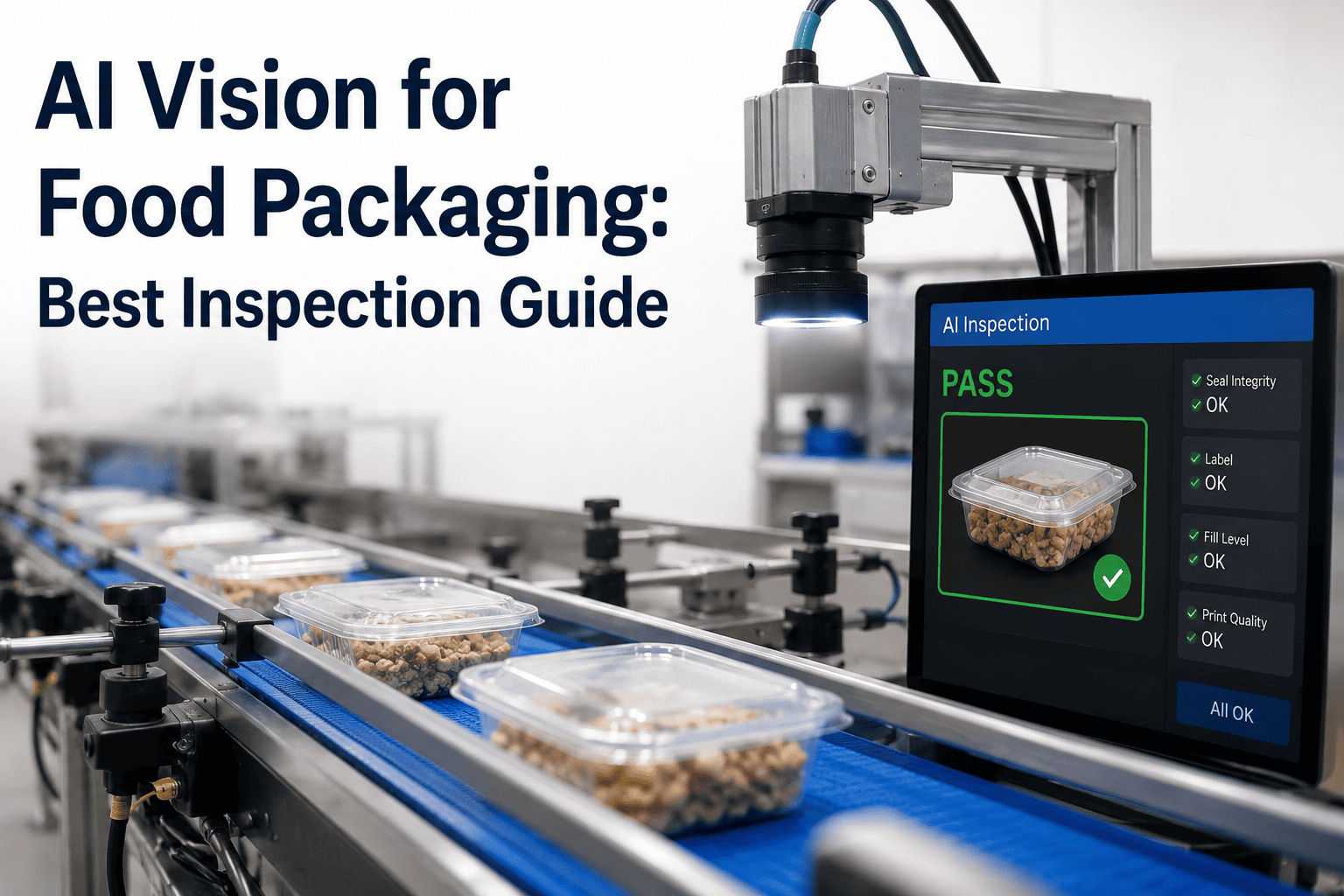
Computer vision systems detect packaging defects—seal integrity failures, label misalignment, fill level deviations, print quality issues—in real time, catching problems before they generate material waste. AI-powered quality inspection reduces packaging scrap rates by 25–40%.
Predictive Process Optimization
Machine learning models analyze production data to optimize process parameters continuously—adjusting temperatures, pressures, speeds, and timings to minimize material waste while maintaining packaging performance. Real-time optimization adapts to material batch variations that cause waste spikes.
Energy & Waste Analytics
Comprehensive dashboards track energy consumption, material waste, water usage, and emissions per packaging unit across all production lines. ESG reporting data is generated automatically, providing the quantified sustainability metrics investors and regulators demand.
Material Comparison: Sustainable Packaging Options for F&B
Choosing the right sustainable packaging material depends on product requirements, shelf life needs, production line compatibility, and end-of-life infrastructure. Here's how the leading sustainable materials compare for food and beverage applications.
| Material | Best Applications | Barrier Performance | Recyclability | Cost vs. Conventional |
|---|---|---|---|---|
| rPET (Recycled PET) | Beverage bottles, clamshells, trays | Excellent — matches virgin PET | Fully recyclable, food-grade certified | +5–10% premium |
| Mono-PE Pouches | Snacks, dry goods, frozen foods | Good — improving with coatings | Single-stream recyclable | +8–15% premium |
| PLA (Polylactic Acid) | Fresh produce, deli containers, cups | Moderate — limited moisture barrier | Industrial compostable (12 weeks) | +10–20% premium |
| Molded Fiber | Egg cartons, produce trays, cup carriers | Low — dry products only | Recyclable & home compostable | Cost parity to slightly higher |
| Seaweed-Based Film | Single-serve sachets, wraps | Moderate — short shelf life | Edible / home compostable | +25–40% premium |
| Aluminum (Infinitely Recyclable) | Beverages, aerosols, foil packaging | Excellent — complete barrier | Infinitely recyclable, 75% recovery rate | +10–15% vs. plastic |
| Paper-Based Laminates | Cartons, wraps, sachets | Good with bio-coatings | Recyclable if mono-material | +5–12% premium |
Implementation Roadmap: Transitioning to Sustainable Packaging
Transitioning packaging operations for sustainability is a multi-phase journey. This roadmap provides a structured approach for F&B manufacturers to plan material transitions, line modifications, and compliance milestones.
Audit & Strategy
- Conduct full packaging portfolio audit—materials, formats, suppliers, waste metrics, and recyclability status
- Map regulatory requirements by market (EU PPWR, US state mandates, APAC regulations)
- Identify quick wins: over-packaged SKUs, easily substituted materials, high-waste production lines
- Define sustainability targets, timeline, and investment budget
Material Testing & Line Simulation
- Source and evaluate sustainable material alternatives for priority SKUs
- Use digital twin simulation to test new materials on virtual packaging lines—seal integrity, forming behavior, fill accuracy
- Run pilot production trials on one line or product family
- Validate shelf life, supply chain durability, and consumer acceptance
Production Rollout & Optimization
- Scale sustainable packaging to full production across priority product lines
- Deploy AI-powered quality inspection and waste monitoring on packaging lines
- Optimize process parameters for new materials—temperatures, speeds, pressures
- Implement real-time sustainability dashboards tracking waste, energy, and emissions per unit
Full Portfolio Transformation & Continuous Improvement
- Extend sustainable packaging across entire product portfolio
- Integrate packaging sustainability data into ESG reporting and investor communications
- Deploy AI-driven continuous optimization for material efficiency and waste reduction
- Evaluate next-generation materials (edible, dissolvable, reusable) for applicable product segments
ROI of Sustainable Packaging Transformation
Sustainable packaging delivers measurable financial returns beyond regulatory compliance. Here are the quantified benefits F&B manufacturers are achieving with smart, sustainable packaging operations.
Expert Perspective
Sustainable packaging has crossed the inflection point in food and beverage manufacturing. What was once a corporate responsibility initiative is now an operational imperative driven by regulation, consumer preference, and economics. The manufacturers who are winning this transition aren't just switching materials—they're fundamentally rethinking how packaging lines operate. AI-optimized production, digital twin simulation for material testing, and real-time waste analytics are the tools that make sustainable packaging commercially viable at scale. The cost of inaction—regulatory penalties, lost shelf space, and brand damage—now far exceeds the investment in transformation.
Conclusion
Sustainable packaging in the food and beverage industry has evolved from an aspiration to an operational mandate. With regulators tightening recyclability and recycled content requirements, consumers actively choosing sustainable brands, and material economics favoring lighter, recycled, and bio-based alternatives, the business case for transformation is unambiguous. The key enabler is smart manufacturing—digital twin simulation, AI-powered quality control, predictive process optimization, and real-time sustainability analytics turn packaging sustainability from a cost burden into a competitive advantage. F&B manufacturers who invest now in both sustainable materials and the intelligent production systems to run them efficiently will lead the industry. Those who delay will face compounding regulatory, market, and cost pressures that become harder to overcome with every passing quarter.
Smarter Production.
Sustainable Packaging.
Measurable Results.
From digital twin material simulation to AI waste reduction and automated ESG reporting—iFactory gives F&B manufacturers the tools to make sustainable packaging profitable.