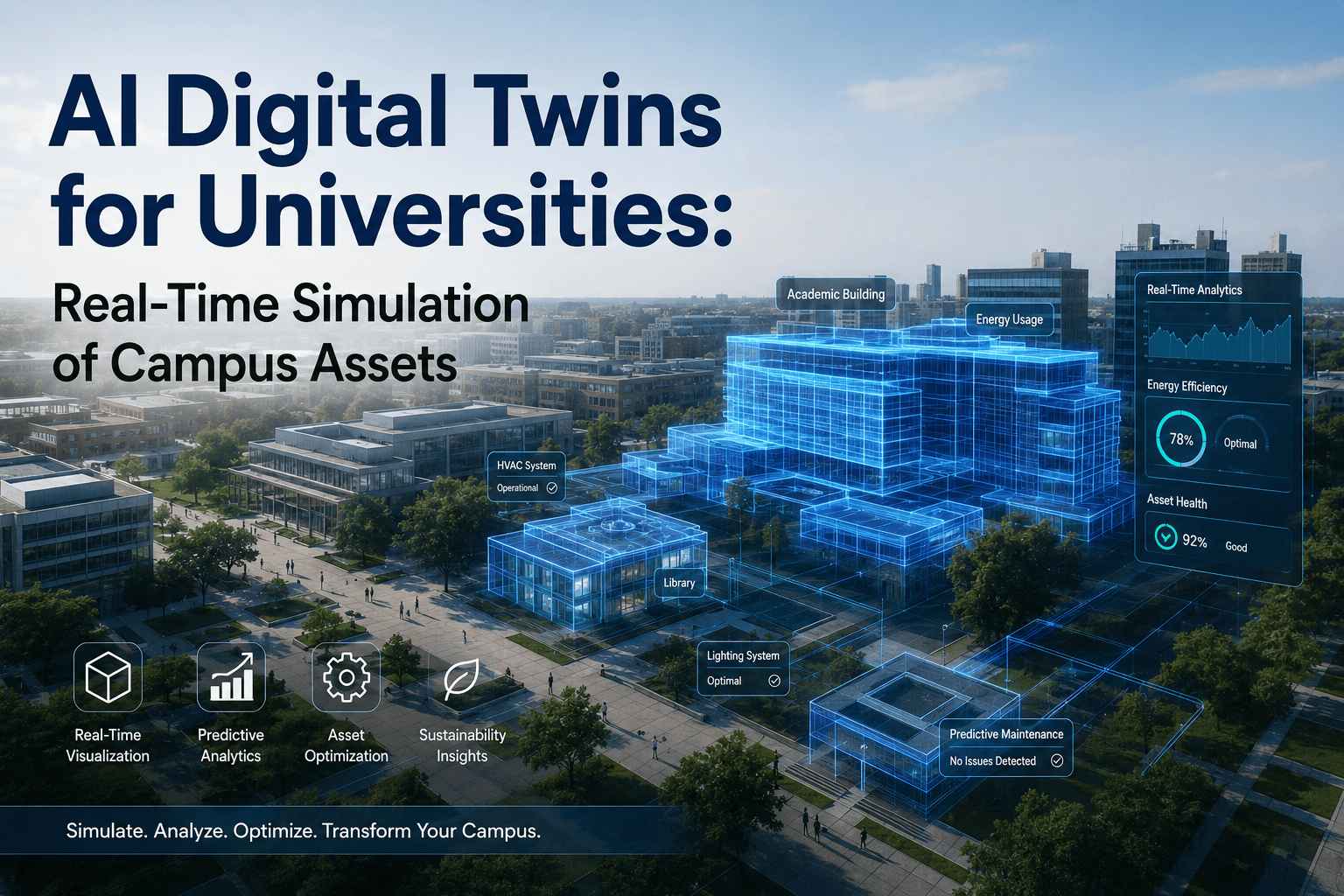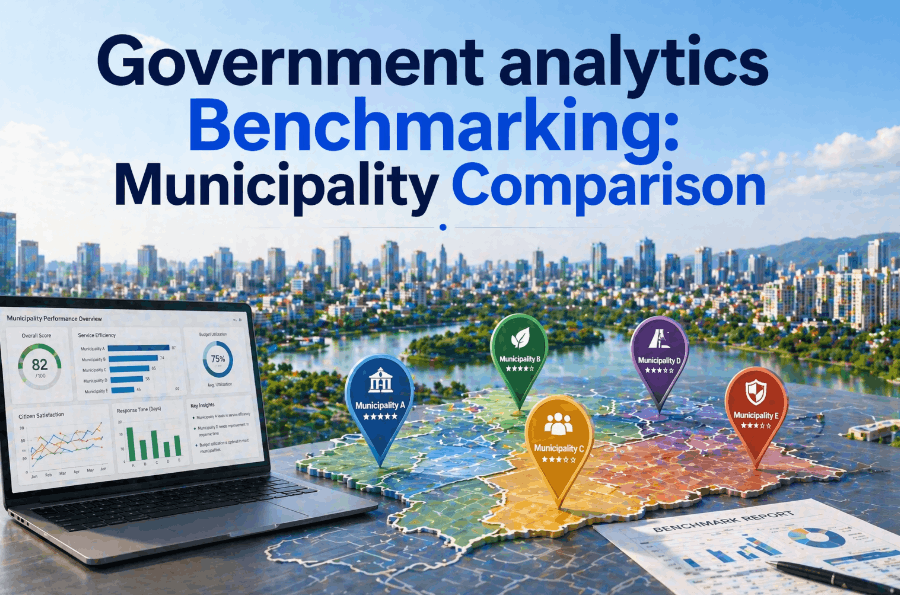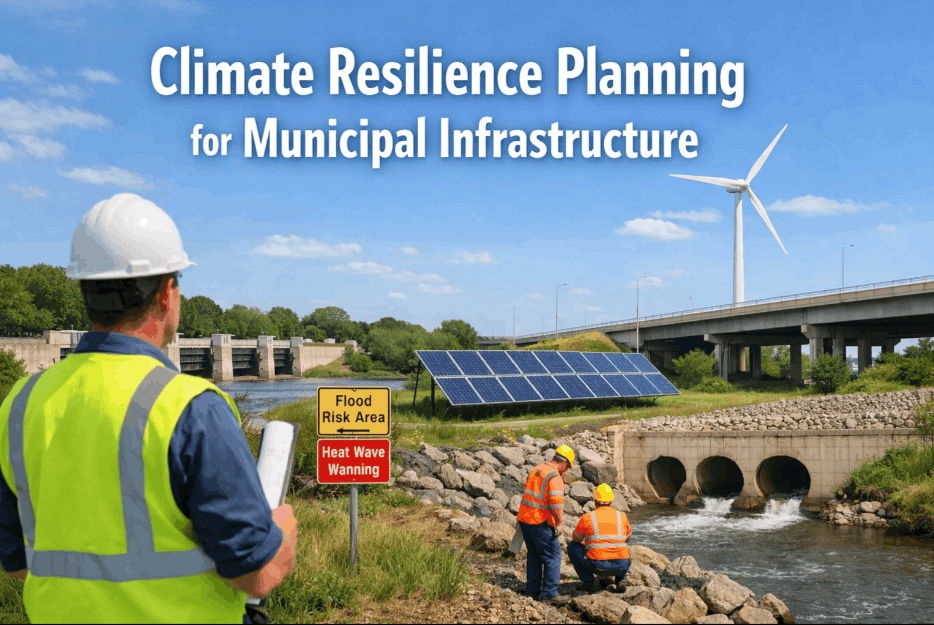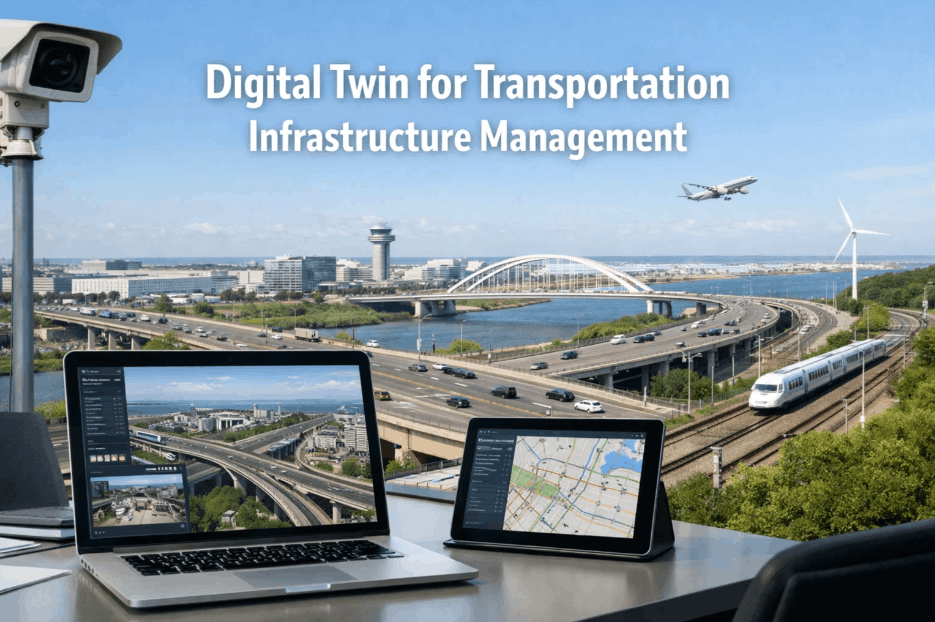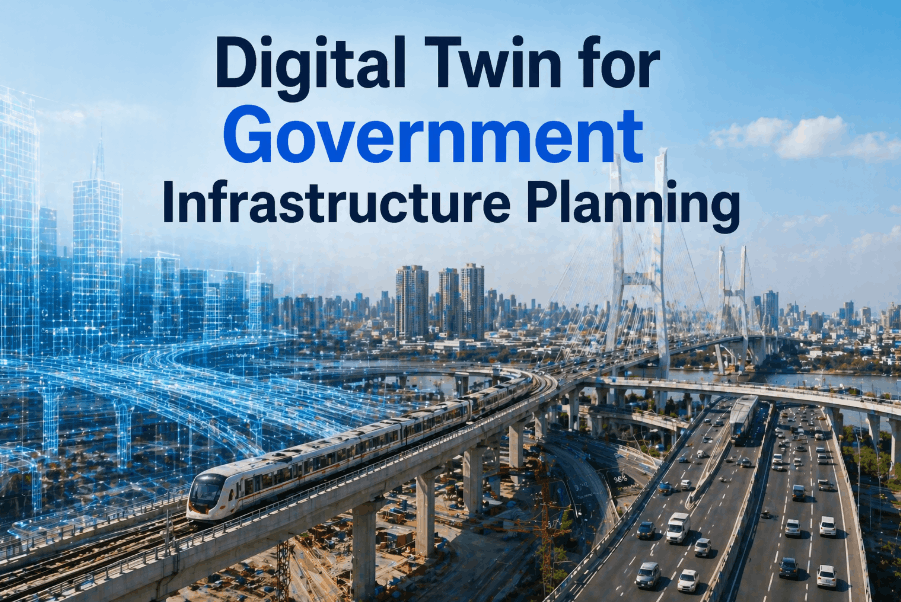
Digital twin government infrastructure is rapidly becoming the cornerstone of how forward-thinking municipalities and public agencies plan, monitor, and optimize their physical assets. By creating virtual replicas of roads, bridges, utility networks, and public buildings, government organizations can run predictive analytics, simulate future scenarios, and make data-driven capital planning decisions — before spending a single dollar on physical construction or emergency repair. For public sector leaders managing aging infrastructure under shrinking budgets, deploying a municipal digital twin strategy is the highest-leverage investment available in government asset management today.
Build a Digital Twin of Your Government Infrastructure
iFactory's digital twin platform creates virtual replicas of municipal buildings, roads, and utility networks — purpose-built for public sector predictive analytics and long-range capital planning.
What Is a Government Infrastructure Digital Twin — and Why Does It Matter?
A digital twin for government is a live, data-connected virtual model of a physical asset — a water treatment plant, a highway corridor, a municipal building portfolio, or an entire urban utility network. Unlike static CAD drawings or GIS layers, a government infrastructure digital twin continuously ingests real-time sensor data, maintenance records, and operational telemetry to reflect the exact current state of the physical asset at any moment. When a bridge sensor detects unusual stress load, the digital twin updates instantly — triggering alerts, modeling failure scenarios, and surfacing replacement cost projections inside the same platform.
Municipalities and public agencies that have booked a demo with iFactory consistently report that their existing sensor investments were already generating the data needed to power a digital twin — they simply lacked the integration and modeling layer to activate it. The transition from passive data collection to active infrastructure simulation is the defining difference between governments that react to infrastructure failures and governments that prevent them.
Top Digital Twin Use Cases for Public Works and Municipal Infrastructure
The value of a municipal digital twin is not theoretical — it is measurable across six high-impact operational domains that every public works department manages daily. Agencies evaluating this capability find that booking a demo is the fastest path to identifying which use case delivers the highest ROI for their specific infrastructure portfolio.
1. Predictive Asset Maintenance for Roads and Bridges
Traditional pavement management relies on visual inspection cycles and reactive patching — a method that costs municipalities 4–6 times more per lane-mile than planned preventive maintenance. A digital twin public works model integrates pavement sensor data, traffic load telemetry, and weather exposure history to predict exactly when a road section will reach critical deterioration — allowing maintenance crews to intervene at 40 cents on the dollar compared to reactive repair. Agencies exploring this approach consistently discover that booking a demo surfaces specific bridge and road segments where digital twin ROI is immediately quantifiable against their existing capital budgets.
2. Utility Network Digital Twin for Water and Wastewater Systems
Water and wastewater infrastructure represents the highest-risk asset class in most municipal portfolios — aging pipe networks, failing lift stations, and overtaxed treatment plants operate under regulatory scrutiny that demands proactive data. A virtual government infrastructure model of your water system integrates SCADA sensor readings, GIS pipe condition data, flow meter telemetry, and maintenance history into a single simulation environment. The result: leak prediction before rupture, hydraulic capacity modeling before capacity exceedance, and regulatory compliance documentation generated automatically from live system data.
3. Government Building Portfolio Simulation
Municipal building portfolios — courthouses, police stations, recreation centers, transit facilities — carry deferred maintenance backlogs that compound annually when capital planning is done without a complete picture of system conditions. A government asset digital twin of the building portfolio integrates BIM models, BAS (Building Automation System) sensor data, and energy consumption telemetry to prioritize capital renewal investments by risk, cost, and service continuity impact rather than by which facility director submits the loudest budget request.
4. Traffic and Transportation Network Modeling
Digital twin transportation modeling allows municipalities to simulate the traffic impact of road closures, new developments, signal timing changes, and emergency evacuations before any physical change is made — compressing what once required months of traffic engineering study into days of simulation runtime. Public transit authorities using infrastructure simulation government platforms report 28% improvement in service reliability and measurable reductions in costly emergency signal interventions.
Roads & Bridges
Sensor-driven pavement condition modeling and bridge structural health monitoring that predicts maintenance needs 18–36 months before critical failure thresholds are reached.
Water & Utilities
Hydraulic network simulation integrating SCADA telemetry, pipe age data, and pressure zone modeling for proactive leak detection and capacity planning.
Building Portfolio
BIM-integrated building system twins that prioritize capital renewal across government facility portfolios using real energy, HVAC, and structural condition data.
Transportation Networks
Multi-modal traffic simulation that models congestion, signal timing, and road closure impacts before physical implementation — reducing engineering study timelines by 70%.
Digital Twin Government Planning vs. Traditional Infrastructure Management
The difference between a government planning digital twin and traditional infrastructure management is not incremental — it is architectural. Traditional approaches depend on periodic inspections, siloed databases, and reactive procurement cycles. Digital twin environments replace this fragmented model with a continuous, data-connected simulation that surfaces emerging risks before they become emergency expenditures. Public sector leaders evaluating this shift find that booking a demo provides a side-by-side comparison against their current planning workflows in concrete operational terms.
| Planning Dimension | Traditional Approach | Digital Twin Approach | Measured Improvement |
|---|---|---|---|
| Asset Condition Assessment | Annual visual inspection cycles | Continuous sensor-driven condition modeling | Defect detection 14 months earlier on average |
| Capital Budget Prioritization | Department-submitted requests, political allocation | Risk-weighted simulation scoring across portfolio | Capital ROI improves 31–44% in first planning cycle |
| Infrastructure Failure Response | Reactive emergency procurement, 48–96 hr response | Predicted failure triggers planned intervention | Emergency procurement costs reduced 35–52% |
| Grant Documentation | Manual report assembly, 3–5 days per cycle | Auto-generated compliance exports from live data | Reporting labor reduced 78% per cycle |
| Scenario Planning | Engineering study, 6–18 month timeline | Digital twin simulation, days to weeks | Planning cycle compressed 70–85% |
| Stakeholder Communication | Static maps, PDF reports, verbal briefings | Live 3D digital twin dashboards, real-time data | Council approval cycle reduced avg. 3.2 months |
How to Build a Government Infrastructure Digital Twin: A Phased Implementation Roadmap
Deploying a public infrastructure model at government scale requires a structured sequence — beginning with data inventory and integration architecture, not 3D modeling. Public sector digital twin projects that skip the data governance and connectivity phase consistently encounter model accuracy failures and agency adoption resistance that compress ROI timelines and erode leadership confidence. The roadmap below has been validated across municipal and utility environments of varying scale and technology maturity.
Asset Inventory, Data Source Mapping, and Integration Architecture Design
Catalog all physical assets, existing sensor deployments, GIS data schemas, SCADA historian outputs, and ERP maintenance records. Define which assets warrant digital twin investment based on criticality, failure consequence, and existing data availability. Establish the integration architecture — data lake, API gateway, or real-time streaming — based on data volume, latency requirements, and cybersecurity policy constraints specific to government OT/IT environments.
Digital Twin Model Build, Sensor Integration, and Baseline Validation
Construct the digital twin models for priority asset classes — road networks, utility corridors, or building portfolios — and integrate live data feeds from SCADA, IoT sensors, GIS, and maintenance systems. Validate model accuracy against known asset condition benchmarks and historical failure data. Configure predictive analytics rules, alert thresholds, and scenario simulation parameters calibrated to your specific infrastructure environment.
Full Portfolio Expansion, Capital Planning Integration, and Continuous Model Governance
Extend digital twin coverage across all remaining asset classes and connect simulation outputs directly to ERP capital planning modules and grant management workflows. Activate long-range scenario modeling for climate resilience, population growth, and regulatory compliance planning. Establish the continuous model governance cycle — sensor calibration, data quality monitoring, model accuracy audits — that sustains digital twin value as infrastructure conditions and operational contexts evolve.
Digital Twin Predictive Analytics for Government Capital Planning
The most transformative capability of a government infrastructure model is not visualization — it is prediction. When a digital twin integrates 10 years of maintenance history, real-time sensor readings, and environmental stress data for every asset in a municipal portfolio, the predictive analytics layer can surface the 3% of assets that will consume 47% of next year's emergency maintenance budget — with enough lead time to intervene at preventive maintenance cost rather than emergency replacement cost.
Long-Range Capital Planning with Digital Twin Scenario Modeling
Government capital planning traditionally produces 5-year CIP documents built on engineer judgment and historical replacement schedules. A digital twin municipal platform replaces this assumption-driven process with data-driven scenario modeling: what happens to the infrastructure portfolio under 2% annual budget growth versus flat funding? Which asset replacement sequence minimizes service disruption risk across a 10-year horizon? How does accelerated climate exposure affect bridge deck deterioration rates in your specific geographic environment? These questions, once requiring months of engineering study, are answered in hours by a calibrated digital twin simulation engine.
Climate Resilience and Disaster Scenario Simulation
FEMA's Hazard Mitigation Grant Program and HUD's Community Development Block Grant – Disaster Recovery both require documented resilience planning that demonstrates quantified risk reduction. A government infrastructure digital twin allows agencies to simulate flood inundation against their utility network, model heat island effects on pavement deterioration rates, and stress-test stormwater systems against 100-year precipitation events — producing the documented scenario analysis that federal resilience grants require, generated directly from live infrastructure data rather than contracted engineering studies.
See a Government Digital Twin in Action
Get a live walkthrough of how iFactory builds virtual replicas of municipal roads, utility networks, and public buildings — with predictive analytics calibrated to your specific infrastructure portfolio.
Government Digital Twin Data Sources: What Feeds the Model
A digital twin planning environment is only as accurate as the data that feeds it. Government infrastructure digital twins integrate data across four primary source categories — and the most mature implementations add a fifth layer of external environmental data that dramatically improves predictive model accuracy. Agencies assessing their data readiness for digital twin deployment consistently find that booking a demo with iFactory's infrastructure architects surfaces data gaps and integration opportunities their internal teams had not previously mapped.
Structural health sensors, pavement condition monitors, water quality meters, and flow rate sensors provide the continuous real-time telemetry that transforms a static model into a live digital twin. Modern municipal sensor deployments generate terabytes of daily data that most agencies are currently not using for predictive analytics.
Esri ArcGIS and QGIS environments hold the geospatial foundation of any government digital twin — asset locations, network topologies, condition survey results, and spatial relationships between infrastructure components that determine cascade failure risk.
Water treatment SCADA, electrical distribution monitoring, and traffic management systems generate the operational state data that allows digital twins to reflect real-time infrastructure performance rather than design-specification assumptions.
Work order histories, asset replacement records, and capital expenditure data from government ERP platforms provide the historical baseline that calibrates predictive models against actual failure patterns observed across the municipal portfolio.
Government Digital Twin Security: FISMA, CJIS, and FedRAMP Compliance Requirements
A government infrastructure digital twin that integrates SCADA operational data and sensitive facility information operates under the same security and compliance constraints as any government enterprise system — FISMA Moderate and High baseline controls, NERC CIP requirements for utility infrastructure, and FedRAMP authorization requirements for cloud-hosted components. Production-grade government digital twin platforms embed security at the architecture level: encrypted data transmission from all sensor sources, role-based access controls that restrict simulation data to authorized users, and immutable audit logs for every data access and model modification event. Agencies validating their digital twin security architecture find that booking a technical session with iFactory's engineers surfaces critical design considerations before any procurement commitment is made.
OT/IT Boundary Management in Infrastructure Digital Twin Deployments
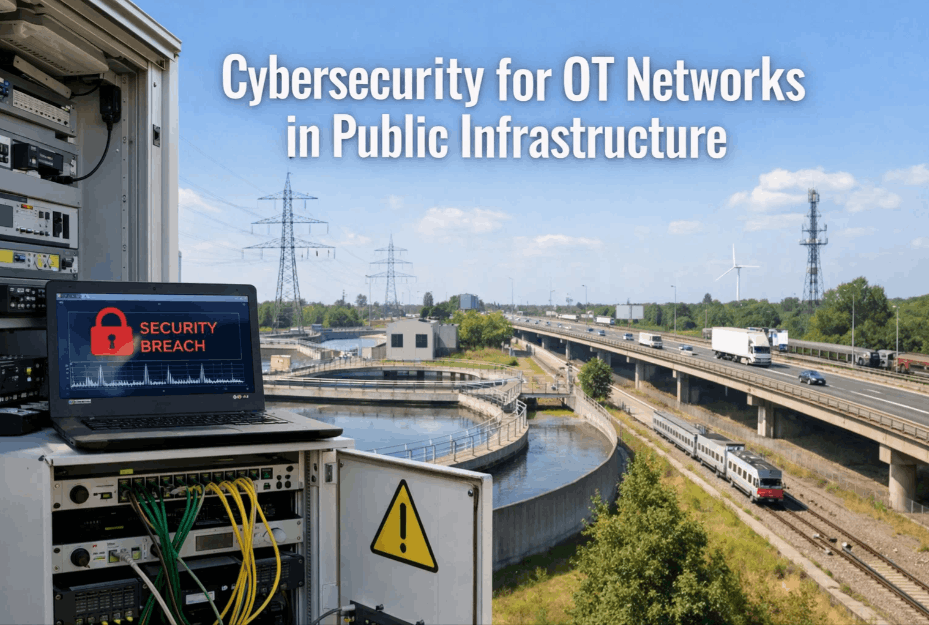
The most sensitive security dimension of any government infrastructure digital twin is the interface between SCADA operational technology networks and the enterprise IT environment where digital twin models run. AWIA 2018 requirements for water utilities, NERC CIP standards for electrical infrastructure, and TSA pipeline security directives each mandate specific technical controls on how operational data crosses the OT/IT boundary. Compliant digital twin architectures use protocol-breaking data diodes or certified unidirectional gateways at this boundary — ensuring that digital twin model updates never create a pathway for enterprise system compromises to cascade into live infrastructure control systems.
Building the Business Case for Government Digital Twin Investment
The financial case for a digital twin municipal investment is built across three quantifiable ROI dimensions that every public sector CFO and city manager can validate against existing budget data. Agencies quantifying this opportunity for their specific portfolio find that booking a demo provides a customized savings model based on their actual infrastructure inventory, sensor deployment status, and current capital planning cycle costs.
Emergency vs. Planned Maintenance Cost Differential
The most compelling ROI driver for government digital twin investment is the emergency-to-planned maintenance cost ratio. Industry data consistently shows that emergency infrastructure repairs cost 4–6 times more than planned preventive interventions for equivalent scope. A mid-size municipality spending $8M annually on infrastructure maintenance — with 35% of that budget consumed by emergency reactive work — carries a $1.1M–$1.7M annual opportunity cost that predictive digital twin models can recover within 12–18 months of deployment.
Capital Planning Accuracy and Asset Lifecycle Extension
Government agencies that deploy digital twin asset lifecycle modeling report 23–38% reductions in premature asset replacements — because the integrated condition data environment reveals that many assets scheduled for replacement still have 8–15 years of remaining service life when properly maintained. Conversely, digital twins surface assets approaching failure that were not on the capital replacement radar, preventing the catastrophic failures that trigger emergency declarations and unbudgeted expenditures that devastate annual financial plans.
Grant Competitiveness and Federal Funding Access
IIJA and Bipartisan Infrastructure Law grant applications that include digital twin-backed asset condition assessments, quantified risk modeling, and documented predictive maintenance programs score measurably higher on USDOT, EPA, and HUD competitive grant scoring rubrics than applications built on visual inspection data and engineering judgment alone. For agencies competing for limited federal infrastructure funding, a mature public infrastructure model is a competitive differentiator that pays for itself through grant award success rates independent of operational efficiency savings.
Government Infrastructure Digital Twin — Frequently Asked Questions
What is the difference between a GIS system and a government infrastructure digital twin?
GIS systems provide static or periodically updated spatial data about asset locations and attributes. A government infrastructure digital twin adds continuous real-time sensor integration, predictive analytics modeling, and scenario simulation capability — transforming a data repository into a live decision-support environment that reflects actual asset conditions and predicts future states rather than documenting current inventory.
How long does it take to deploy a municipal digital twin for road and utility infrastructure?
A focused municipal digital twin deployment covering priority asset classes — road network and water utility, for example — typically spans 16–28 weeks from discovery to production deployment. Agencies with modern GIS platforms and existing SCADA sensor deployments compress this timeline significantly. Legacy environments requiring custom sensor integration add 8–12 weeks per non-standard data source.
Can a government digital twin work with existing sensors and SCADA systems?
Yes — the majority of mature government digital twin deployments leverage existing sensor infrastructure rather than requiring new hardware investment. Protocol-bridging middleware integrates legacy SCADA systems using Modbus, DNP3, and OPC-UA standards, while REST API connectors pull GIS and ERP data into the digital twin modeling environment without replacing any existing field equipment or enterprise systems.
What is the typical total cost of a government infrastructure digital twin deployment?
Total first-year investment for a mid-size municipality deploying a digital twin across road, utility, and building asset classes typically falls in the $115k–$320k range, spanning professional services for data integration and model build ($55k–$120k), platform licensing ($42k–$95k annually), and ongoing operational support ($22k–$55k annually). Most agencies achieve full payback within 14–20 months through emergency maintenance cost reduction alone.
How does a government digital twin support federal grant applications?
Digital twin platforms generate the documented asset condition assessments, quantified risk modeling outputs, and predictive maintenance program evidence that federal grant scoring rubrics reward under IIJA, HMGP, and CDBG-DR programs. Agencies with digital twin-backed grant applications report measurably higher competitive scoring versus applications built on visual inspection data and engineer judgment alone.
Does a government infrastructure digital twin require cloud deployment?
No — government digital twin platforms support on-premises, hybrid, and FedRAMP-authorized cloud deployment configurations. The architecture decision depends on data classification requirements, OT/IT boundary security policy, and existing government cloud contract vehicles (AWS GovCloud, Azure Government, etc.). Most agencies with sensitive operational technology data choose hybrid configurations that keep SCADA-derived data on-premises while exposing analytics dashboards through secured cloud interfaces.
What ROI should a government agency expect from digital twin investment?
Most government agencies achieve full investment payback within 14–20 months, driven primarily by emergency maintenance cost reduction (35–52%), capital planning accuracy improvements (23–38% reduction in premature replacements), and grant documentation labor savings (78% reduction per compliance cycle). Agencies with high reactive maintenance spending or active federal grant portfolios frequently achieve payback under 12 months when all three ROI dimensions compound simultaneously.
Build a Virtual Replica of Your Government Infrastructure
iFactory's digital twin platform creates live, data-connected models of municipal roads, utility networks, and public buildings — enabling predictive analytics and long-range capital planning at the speed of real-time data.