Cooling towers are the unsung workhorses of industrial and commercial HVAC — rejecting millions of BTUs of heat every hour while quietly becoming breeding grounds for Legionella bacteria, scale buildup, corrosion, and biological fouling that destroy efficiency and endanger human health. A single Legionella outbreak traced to a poorly maintained cooling tower can result in fatalities, facility shutdowns, lawsuits exceeding $10 million, and permanent reputational damage. Yet most facilities still manage cooling tower maintenance with clipboard checklists, inconsistent water treatment logs, and reactive repairs that address symptoms instead of root causes. In 2026, AI-powered CMMS platforms integrated with IoT water quality sensors are transforming cooling tower management — delivering continuous Legionella risk monitoring, automated compliance documentation, and efficiency optimization that pays for itself through energy savings alone. iFactory's AI platform brings this intelligence to your cooling tower fleet. Book a free consultation to see how smart cooling tower management eliminates Legionella risk and maximizes efficiency.
Cooling Tower Maintenance Management
Preventing Legionella and Maximizing Efficiency
Every cooling tower is simultaneously a critical asset and a potential health hazard. Managed properly, it delivers efficient heat rejection for decades. Managed poorly, it breeds deadly bacteria, wastes energy through fouling and scale, and exposes your organization to catastrophic liability. This guide covers the complete maintenance framework — from Legionella prevention protocols to AI-driven efficiency optimization.
Book Free Cooling Tower Assessment ↗Legionnaires' disease cases reported annually in the US alone
Energy waste from fouled and poorly maintained cooling towers
Water management program required for all cooling tower operators
Why Cooling Towers Demand Specialized Maintenance
Cooling towers face two simultaneous challenges that most maintenance programs fail to address together: biological safety and operational efficiency.
The Legionella Threat
The Efficiency Drain
IoT Sensors for Continuous Cooling Tower Intelligence
Real-time water quality monitoring replaces periodic manual testing — catching dangerous conditions in minutes instead of days.
Temperature
Supply, return, and basin water temperature continuously monitored. Alerts when water enters the 77–113°F Legionella growth zone or when approach temperature indicates fouling.
pH Level
Continuous pH monitoring ensures water chemistry stays within 7.0–9.0 optimal range. Deviations signal treatment chemical depletion, makeup water quality changes, or biological activity spikes.
Conductivity / TDS
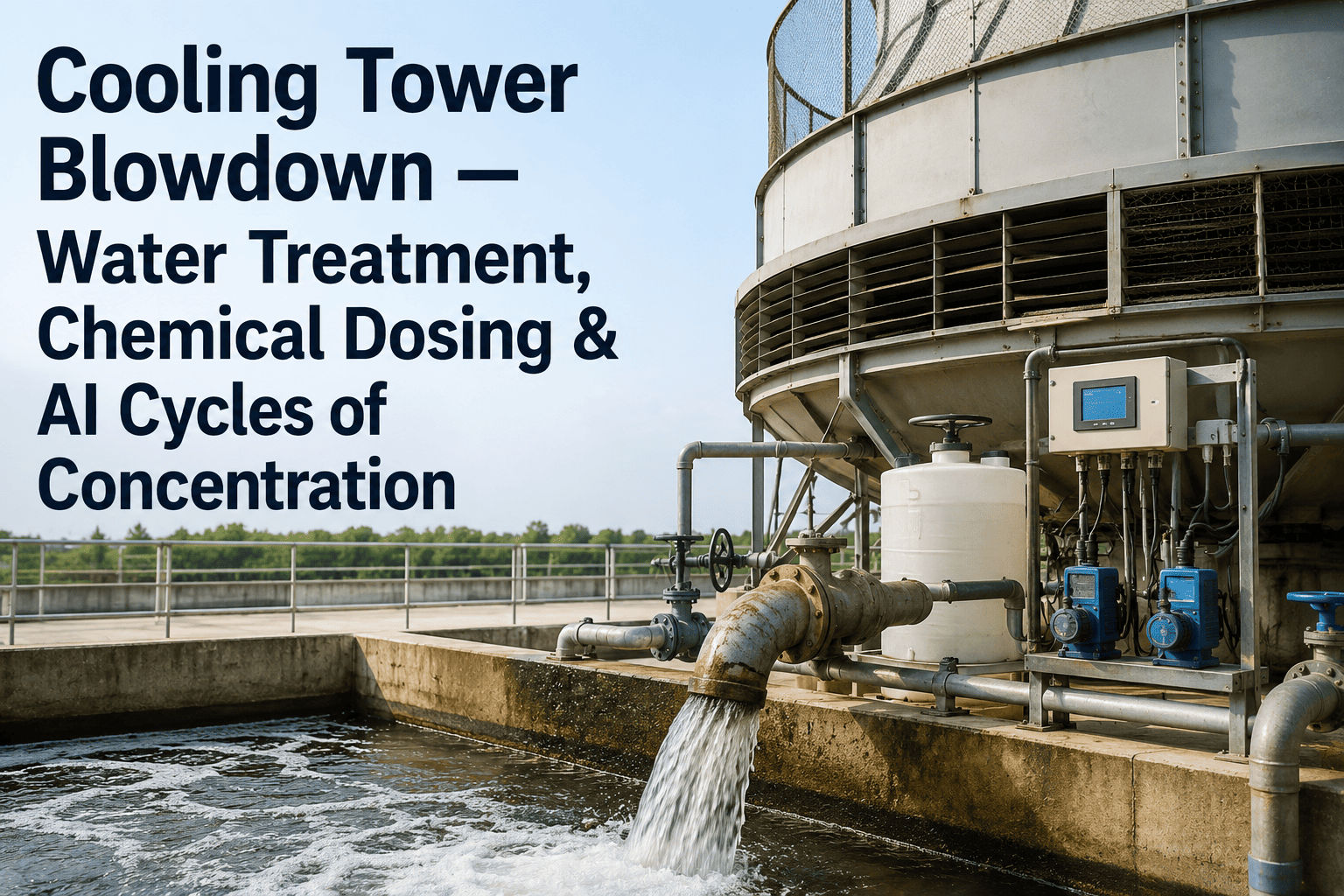
Tracks total dissolved solids to optimize blowdown cycles. Too little blowdown wastes water and concentrates minerals. Too much increases water and chemical costs. AI finds the optimal balance.
ORP (Oxidation-Reduction)
Real-time biocide effectiveness monitoring. ORP levels below 300mV indicate insufficient disinfection — the system triggers automatic chemical dosing adjustments before biological growth accelerates.
Flow Rate
Monitors circulating water flow, makeup water consumption, and blowdown volume. Flow anomalies detect pump degradation, valve failures, and distribution nozzle blockages before they impact performance.
Turbidity
Measures water clarity as an indicator of suspended solids, biological growth, and treatment effectiveness. Rising turbidity is an early warning for biofilm formation and Legionella risk escalation.
How Intelligent CMMS Manages the Complete Cooling Tower Lifecycle
From daily water treatment to annual inspections — every maintenance task automated, tracked, and documented for compliance.
Water Quality Monitoring and Treatment
IoT sensors feed real-time pH, ORP, conductivity, and temperature data to the CMMS. AI compares readings against WMP control limits and triggers automated chemical dosing adjustments or technician alerts when parameters drift. Every reading is logged digitally — no manual data entry.
Biological and Chemical Testing
Scheduled CMMS work orders for dipslide cultures, Legionella dip tests, corrosion coupon readings, and inhibitor concentration verification. Technicians follow guided checklists on their mobile devices with photo capture requirements and pass/fail criteria.
Mechanical Inspection and Performance Review
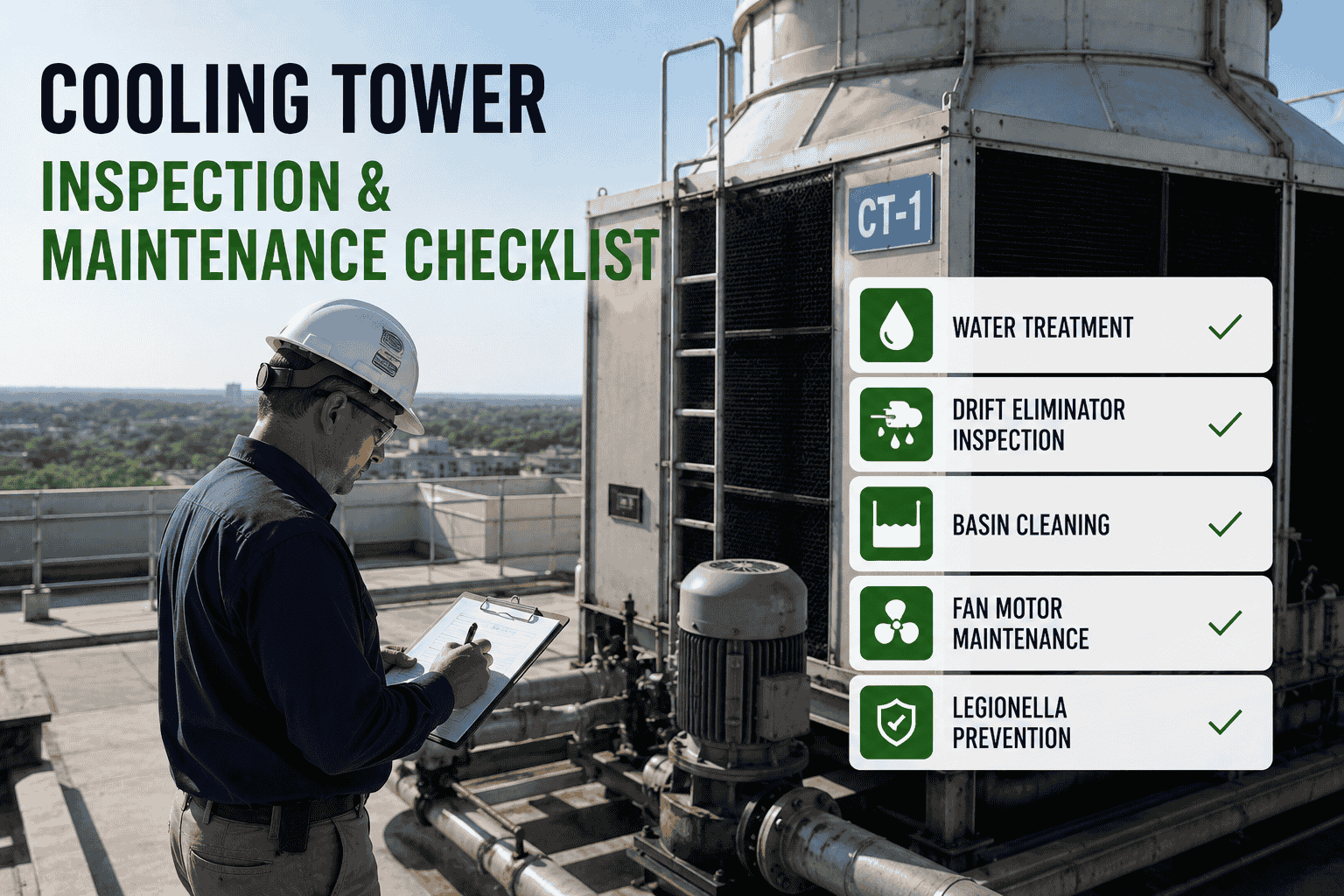
CMMS generates work orders for fan motor vibration checks, belt/gear inspection, drift eliminator condition, basin cleaning, and strainer service. Performance metrics — approach temperature, cycles of concentration, water consumption — are reviewed against baselines to detect efficiency degradation.
Comprehensive Legionella Testing and WMP Review
Full laboratory Legionella culture tests with results tracked in CMMS. Water Management Program effectiveness review comparing actual performance against control limits. Corrective action documentation for any exceedances. Compliance report auto-generated for regulatory or insurance review.
Shutdown Inspection, Cleaning, and Certification
Complete tower drainage, interior inspection, mechanical overhaul, fill media assessment, structural inspection (especially galvanized steel for white rust), and full disinfection. CMMS tracks every task with photo documentation and generates the annual compliance certification package.
What Smart Cooling Tower Management Delivers
| Metric | Manual Management | AI + IoT + CMMS | Impact |
|---|---|---|---|
| Legionella Detection Time | 3–7 days (lab turnaround) | Real-time risk indicators | 95% faster |
| Compliance Documentation | Paper logs, 40% incomplete | 100% digital, auto-generated | Audit-ready always |
| Energy Efficiency | 20–30% waste from fouling | Under 5% loss maintained | 25% energy savings |
| Water Consumption | Baseline (over-blowdown) | Optimized cycles of concentration | 20% water savings |
| Equipment Lifespan | 12–18 years (corrosion) | 20–25+ years | 40% longer life |
| Emergency Shutdowns | 2–4 per year | 0–1 per year | 75% reduction |
Average annual energy savings per cooling tower from fouling prevention and efficiency optimization— ASHRAE Journal
Average lawsuit settlement cost for a single Legionella outbreak traced to a cooling tower— CDC Outbreak Analysis
Reduction in Legionella risk with continuous IoT monitoring vs periodic manual testing— Water Management Report
Our water system engineers will assess your tower fleet and compliance gaps in a free consultation.
Cooling Tower Management by Building Segment
Commercial Office Towers
Tenant comfort depends on reliable cooling. Legionella liability falls on the building owner. ASHRAE 188 compliance and energy efficiency reporting for ESG disclosures make smart tower management essential for Class A office properties.
Hospitals and Healthcare
Immunocompromised patients are 100x more susceptible to Legionella. CMS requires documented WMPs for all healthcare facilities with cooling towers. Failure to comply risks Medicare/Medicaid decertification — an existential threat for any hospital.
Data Centers
Cooling towers reject the massive heat loads from server operations. Any tower failure risks thermal shutdown of IT infrastructure. Predictive maintenance and redundancy monitoring ensure cooling is never the single point of failure for mission-critical computing.
Industrial Manufacturing
Process cooling towers in steel, chemical, and food manufacturing face extreme fouling, high mineral content, and aggressive operating conditions. Industrial-grade monitoring with corrosion tracking and chemical optimization prevents the premature failures that halt production lines.
Cooling Tower Components and Parameters Monitored
Cooling Tower Maintenance — Frequently Asked Questions
How often should cooling towers be tested for Legionella?
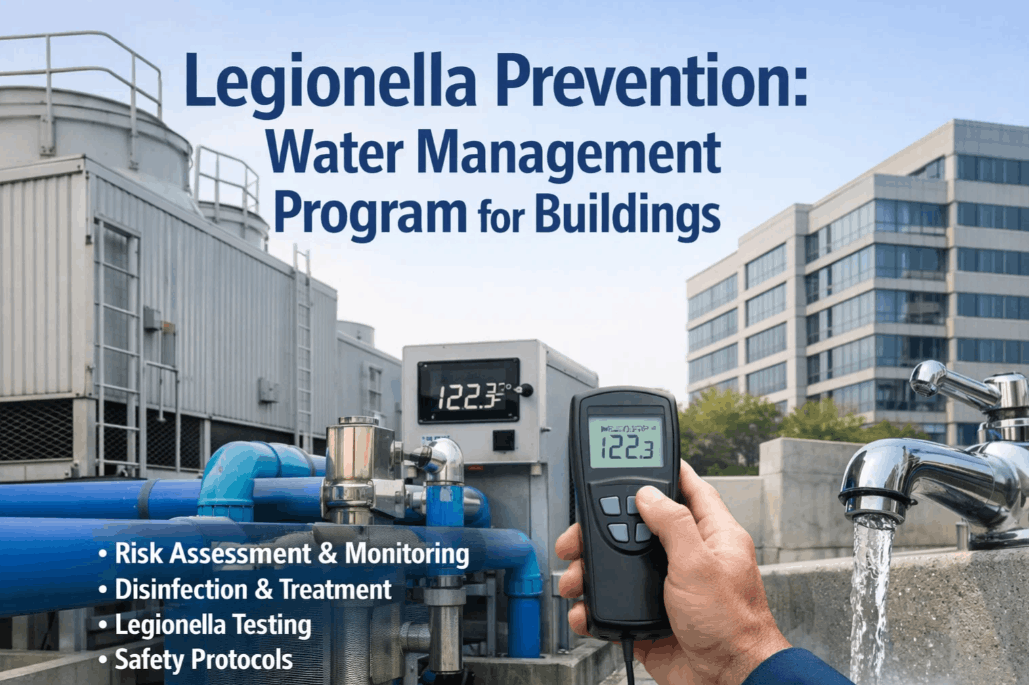
ASHRAE 188 recommends routine monitoring as part of your Water Management Program — typically quarterly laboratory culture tests supplemented by continuous IoT monitoring of risk indicators (temperature, ORP, pH, turbidity). NYC Local Law 77 requires quarterly Legionella testing with results reported to the Department of Health. Healthcare facilities under CMS guidelines require documented testing per their WMP. Get a compliance assessment for your facility.
What is ASHRAE Standard 188 and does it apply to us?
ASHRAE 188 establishes minimum Legionellosis risk management requirements for building water systems, including cooling towers. It applies to all buildings with cooling towers, regardless of size or occupancy type. The standard requires a documented Water Management Program with a team, risk assessment, control measures, monitoring, corrective actions, and verification. Most jurisdictions reference ASHRAE 188 in their building codes or health regulations.
How does IoT monitoring reduce Legionella risk compared to manual testing?
Traditional lab culture tests take 3–7 days for results — during which dangerous conditions continue undetected. IoT sensors monitor surrogate risk indicators (temperature, ORP, pH, turbidity) continuously, detecting conditions favorable to Legionella growth within minutes. While not a direct replacement for culture tests, continuous monitoring catches 95% of risk escalations days before lab results would have flagged them.
How much energy can we save with optimized cooling tower maintenance?
Typical savings range from 15–30% of cooling system energy costs. The primary savings come from preventing scale buildup on condenser tubes (1/32 inch of scale = 20% energy penalty), maintaining clean fill media for efficient heat transfer, optimizing blowdown to prevent mineral concentration, and ensuring fan motors operate at peak efficiency. For a 500-ton cooling tower system, this translates to $25,000–$50,000 annually in energy savings. Get an efficiency analysis for your tower fleet.
Can the CMMS manage water treatment chemical programs?
Yes. The platform tracks chemical inventory, automates reorder triggers, logs every dosing event, monitors treatment effectiveness through ORP and conductivity trends, and generates reports showing chemical consumption versus water quality outcomes. Integration with automated chemical feed controllers enables closed-loop dosing — AI adjusts treatment rates based on real-time water quality rather than fixed schedules.
What happens if Legionella is detected in our cooling tower?
The CMMS triggers an immediate response protocol: emergency hyperchlorination or thermal disinfection work order, notification to the facility safety team and health department (where required), isolation of the affected tower, downstream sampling to assess exposure risk, and documentation of all corrective actions with timestamps for regulatory reporting. The system tracks the entire remediation process through to verified clearance testing.
Ready to Eliminate Legionella Risk and Slash Cooling Costs?
Every cooling tower without continuous monitoring is a liability waiting to surface and an energy budget quietly hemorrhaging. Join facilities that have reduced Legionella risk by 95%, cut energy waste by 25%, and achieved always-ready compliance documentation. See the platform configured for your cooling tower fleet in a free 30-minute assessment.