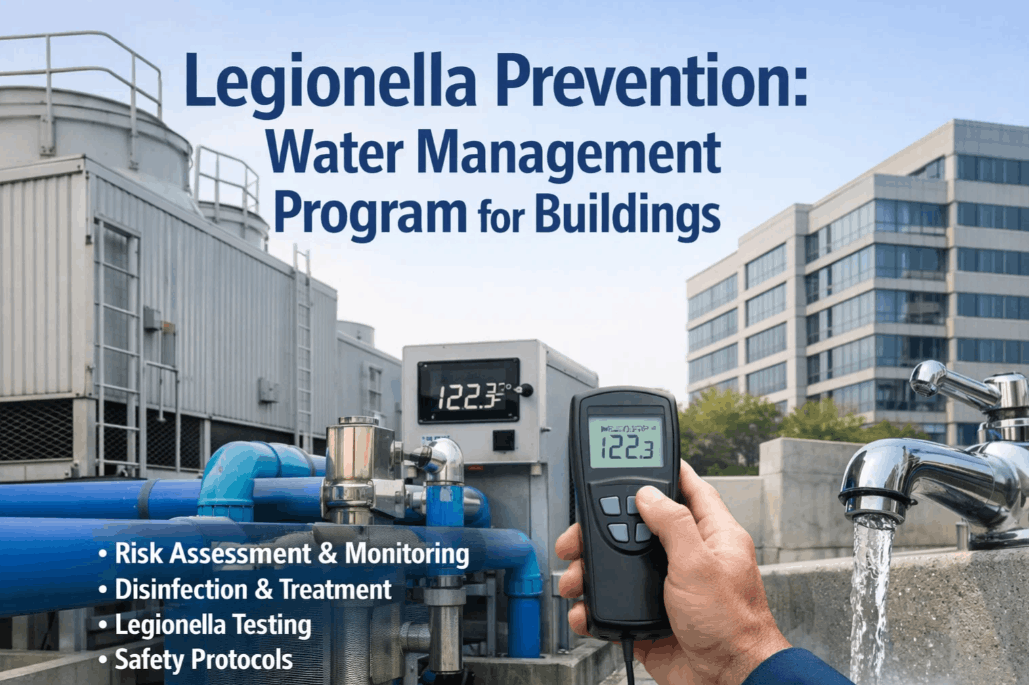
Legionellosis is a risk that building owners can no longer afford to manage reactively. As ASHRAE Standard 188 transitions from a professional guideline to an enforceable mandate within building codes and healthcare certifications, the presence of Legionella pneumophila in complex water systems has become a significant legal and operational liability. In 2026, a "test-and-treat" approach is insufficient—true safety requires a comprehensive, data-driven Water Management Program (WMP) that targets the root causes of colonization: biofilm development, thermal stratification, and hydraulic stagnation. This guide outlines the framework for building-scale Legionella prevention, leveraging AI-powered thermal monitoring and autonomous mitigation to protect occupants while satisfying mandatory compliance frameworks. Book a free demo to digitize your water safety roadmap.
Legionella Prevention: Complete Water Management Program Framework
A high-fidelity technical roadmap for deploying ASHRAE 188-compliant risk management to protect potable water, cooling towers, and aerosol-generating assets from microbial colonization.
Legionella Failures Building Managers Cannot Ignore
Potable and utility water systems are essentially living ecosystems. Without active management, six primary failure modes allow Legionella to colonize and disseminate through your building. Schedule a water safety consultation.
Systemic Biofilm Colonization
Legionella thrives within biofilms—slimy layers that protect bacteria from standard chemical treatments. iFactory tracks the environmental conditions that promote biofilm growth, triggering high-intensity remediations before colonization occurs.
Hot Water Thermal Decoupling
Hot water tanks and recirculating loops often experience "thermal stratification," where lower layers drop to 77°F–113°F—the ideal breeding zone. Our IoT mesh monitors multiple levels to ensure 100% thermal integrity.
Dead-Leg Hydraulic Stagnation
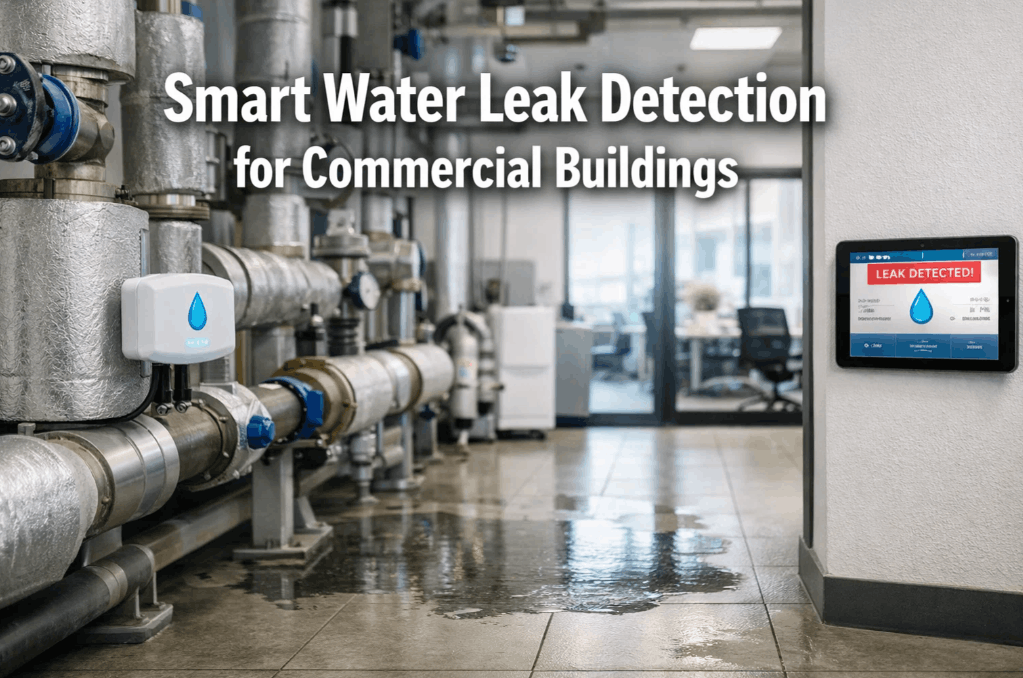
Capped pipes or unused fixtures create "dead legs" where stagnant water becomes anaerobic and de-chlorinated. We use flow-pattern modeling to identify these zones, automating flushing schedules to maintain water turnover.
Remediation & Litigation Costs
The cost of a single Legionnaire's disease case often exceeds $1M in legal fees and settlements. iFactory provides the "Record of Care" that proves compliance, mitigating litigation risk and protecting insurance premiums. Book a demo.
Cooling Tower Drift Dissemination
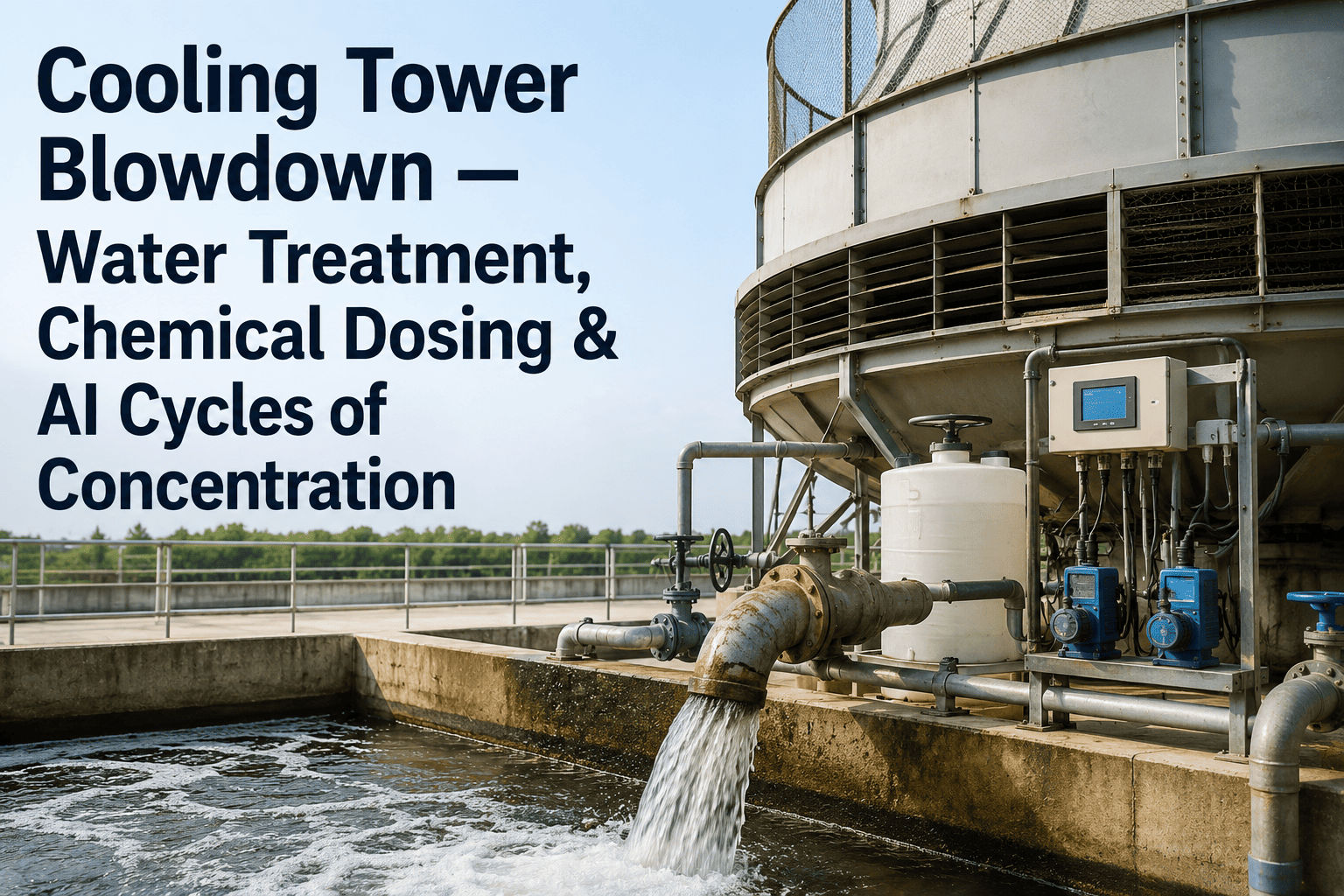
Cooling towers are high-risk aerosol generators. Failure to manage drift and biocidal dosing creates a "neighborhood-wide" risk zone. Our sensors monitor fan spray patterns and chemical residuals at the intake and output.
Brand & Reputational Collapse
Outbreaks in hotels or commercial offices are widely publicized, leading to tenant exodus and occupancy drops. iFactory's digital safety certificates provide a transparent "Safety Trust Score" for occupants and stakeholders.
Why Manual "Test-and-Treat" Methods Fail
Traditional quarter-sampling is becoming obsolete due to the speed of Legionella growth. A dynamic, continuous-guard approach is now required to maintain building safety levels.
Point-in-Time Sampling Bias
Water samples taken once a month or quarter only show a snapshot. Legionella can double its population in under 24 hours under the right conditions, meaning a "passing" sample can be followed by an outbreak within days.
The Data-Silo Compliance Gap
Engineering logs are rarely connected to health safety plans. iFactory bridges the gap, showing how a pump failure or heater setpoint change impacts your Legionella risk profile in real-time, enabling "Cross-Dept. Hardening."
Operational "Schedule Drift"
Manual flushing and temperature checks are frequently missed or inaccurately recorded. AI-driven automation ensures that 100% of safety tasks are completed, documented, and audit-ready without staff intervention.
Invisible Maintenance Errors
Scale buildup in pipes provides a refuge for Legionella. Manual inspections cannot see inside the piping network. iFactory uses ultrasonic and flow-drift sensors to detect scale accumulation and biofilm risk internally.
Digitize Your Legionella Prevention Strategy with iFactory AI
iFactory provides the continuous monitoring and predictive risk analytics required to transform building water systems into self-auditing, safety-hardened assets.
From real-time thermal mesh monitoring to automated flushing, our platform integrates directly with your property's water supply to deliver an ASHRAE 188 compliance roadmap. Automate your CDC and EPA reporting while securing your building's safety rating through verified risk reduction. Schedule a water safety audit.
Legionella Architecture: Four Deployment Models for Buildings
Building managers can deploy water safety technology across four distinct architectural tiers, from purely digital documentation to fully autonomous adaptive protection.
Digital Compliance Twin
A digital registry of all water assets, piping diagrams, and sampling points. Replaces paper binders with a searchable, audit-ready ASHRAE 188 plan. Book a demo today to see your digital WMP.
Continuous IoT Thermal Mesh
Deployment of strap-on thermal sensors across hot water loops and cold water intakes. This "Live Thermal Map" flags "Growth Zone" excursions (77°F–113°F) instantly, allowing for proactive setpoint adjustment.
Automated Flushing & Dosing
Integration with electronically controlled valves and chemical pumps. iFactory automatically initiates flushing of stagnant zones and adjusts biocidal dosing based on real-time water quality sensors.
Autonomous Biofilm Forecasting
Direct integration with BMS and flow-meters to predict biofilm growth rates using AI. This "Self-Healing" model pre-emptively shock-cleans the system before Legionella can establish a foothold. Talk to our engineer.
Regulatory Frameworks Driving Water Safety Investment
2026 mandates from healthcare and environmental bodies now require verifiable, documented water management plans for facility accreditation and insurance.
The Evolution of Water Safety Methodology
From passive testing to proactive protection: how the science of Legionella prevention has transformed over 50 years.
Discovery Era
Legionnaire's disease identified after the Philadelphia outbreak. Safety was entirely reactive; outbreaks were handled as medical emergencies with no building-level prevention frameworks.
The "Test-and-Treat" Era
Widespread adoption of periodic sampling and quarterly disinfection. Systems were managed by "gut feel" and generic maintenance schedules, often missing colonization in stagnant pipes.
ASHRAE 188 Milestone
Release of the first industry standard for risk management. Prevention becomes a multi-disciplinary effort, shifting focus from individual samples to comprehensive system management.
Digital Monitoring Explosion
First wave of simple IoT thermal sensors. Managers get visibility into "Growth Zones," but data remains siloed in apps, disconnected from real-world maintenance actions.
Autonomous Safety Guard
The current standard: iFactory AI manages predictive flushing, real-time thermal mesh, and autonomous dosing. 100% data transparency becomes the baseline for safety and liability coverage.
Manual Tracking vs. AI-Powered Safety Guard
A visual comparison of how buildings manage water safety using traditional methods versus the iFactory adaptive model.
High-Risk Vulnerability
Safety Guaranteed
How iFactory Automates Water Safety Continuity
iFactory isn't just a monitoring app—it's a building-wide safety guard designed to withstand the complexities of modern water systems. Our platform integrates high-fidelity thermal data with autonomous valve control to provide an objective, real-time view of your Legionella risk and mitigation performance. Book a demo to see how we protect high-rise healthcare and commercial assets.
From hot-water loop monitoring to automated dead-leg flushing, iFactory provides the "Record of Care" that ASHRAE auditors and insurance investigators demand. We ensure that every safety task—from temperature checks to chemical dosing—is measurable, verifiable, and optimized for maximum occupant safety.
For large-scale facility portfolios, iFactory supports a global safety model, allowing corporate risk managers to maintain visibility over dozens of properties while providing local facility teams with the tools for day-to-day compliance. This ensures that no "Procedural Lapse" at a single site creates a localized outbreak risk. Talk to our safety engineer about portfolio-wide deployment.
Quantifying the Water Safety Advantage
Buildings that have transitioned to iFactory's AI-driven Legionella prevention show measurable improvements in compliance overhead and risk reduction.
Ready to Build a Legionella-Resistant Building?
Speak with an iFactory water safety specialist today about deploying predictive analytics across your property's water network.
Whether you are managing healthcare compliance (CMS), hardening high-rise potable water, or mitigating cooling tower drift, iFactory provides the data infrastructure your occupants depend on. Secure your accreditation, protect your assets, and guarantee continuity for your tenants. Book your water safety demo now.
Legionella Prevention & ASHRAE 188: Frequently Asked Questions
Q: Is ASHRAE 188 a legal requirement for building owners?
While ASHRAE Standard 188 is a professional standard, it has been incorporated into building codes in multiple jurisdictions (e.g., NYC Local Law 77) and is a mandatory requirement for healthcare facilities seeking CMS or Joint Commission accreditation. In civil litigation, it is the recognized professional standard of care; failure to follow it is often presented as evidence of negligence. Talk to our safety engineer.
Q: How does iFactory detect biofilm growth inside pipes?
iFactory uses a combination of flow-drift analytics and high-sensitivity ultrasonic sensors to detect early-stage biofilm and scale accumulation. By monitoring variances in flow turbulence and pipe-wall thermal conductivity, our AI can identify where biofilm colonies are forming, even if water samples are currently passing. Book a free demo.
Q: Can I replace my monthly water sampling with iFactory sensors?
Regulatory frameworks still require periodic laboratory sampling for validation. However, iFactory sensors allow you to transition from "Search-and-Find" sampling to "Validation" sampling. Instead of hoping you take a sample at the right time and place, our risk map shows you exactly where colonization risk is highest, ensuring your manual samples are targeted and meaningful.
Q: What happens if a sensor detects a "Growth Zone" temperature?
iFactory instantly triggers an automated alert via mobile and dashboard. Depending on your deployment model (Model C or D), the system can also automatically initiate a hot-water flush or adjust a recirculating pump speed to break stagnation and return the system to safety thresholds within minutes.
Q: How does iFactory simplify the ASHRAE 188 documentation process?
ASHRAE 188 requires a 7-step plan including "Monitoring" and "Verification." iFactory handles this automatically by logging every temperature reading, every flush event, and every dosing adjustment into an immutable digital audit trail. When an auditor asks for your verification records, you can export a complete, year-long compliance report in seconds.