At 2:47 AM, a maintenance robot in a 12-story commercial office tower detects an anomalous heat signature near a third-floor electrical closet — not from a fire, but from a failing capacitor that will arc within 72 hours if unaddressed. The building's existing fire safety system, designed only to trigger sprinklers after smoke appears, has no way to flag this precursor. Across the street, a data center's inspection robot identifies a clogged dry-pipe valve on the pre-action sprinkler system during a routine thermal scan — a defect that would have rendered the entire fire suppression zone inoperable during an actual event. These are not edge cases. They are the daily blind spots of legacy fire safety inspections in commercial properties, where manual checks miss the precursors and connected systems lack the intelligence to predict failures before they become emergencies.
From Manual Rounds to Intelligent Coverage — The Age of Fire Safety Inspection Robots in Commercial Property
Replace periodic, human-dependent fire safety inspections with continuous, autonomous robot-based monitoring that detects fire hazards, equipment failures, and compliance gaps before they escalate. iFactory's on-premise platform turns inspection robots into intelligent safety assets — no cloud dependency, no data egress, and a working pilot in 6–12 weeks.
Fire safety inspection robots represent a fundamental shift in how commercial properties protect life and assets. Traditional fire safety relies on monthly or quarterly manual inspections — a human walking through stairwells, checking extinguisher pressure gauges, verifying sprinkler head clearance, and testing alarm panels. These rounds are time-consuming, error-prone, and critically, they only capture a snapshot in time. A fire hazard that develops between inspections — a blocked egress path, a leaking sprinkler valve, a storage room cluttered with combustibles — goes undetected until the next scheduled check or, worse, until a fire starts. iFactory's platform changes this paradigm by giving inspection robots the ability to see, analyze, and report on fire safety conditions continuously, in real time, with the precision of a human inspector but the endurance of a machine. The platform ingests data from thermal cameras, gas sensors, pressure transducers, and visual feeds mounted on autonomous mobile robots, then applies AI models trained specifically on fire safety compliance standards (NFPA, IFC, local codes) to flag anomalies instantly. No cloud dependency means all data stays on the building's network — critical for security-conscious properties like data centers, government facilities, and healthcare campuses. The result is a fire safety program that is always on, always aware, and always compliant.
What a Fire Safety Inspection Robot Actually Does — Seven Core Capabilities
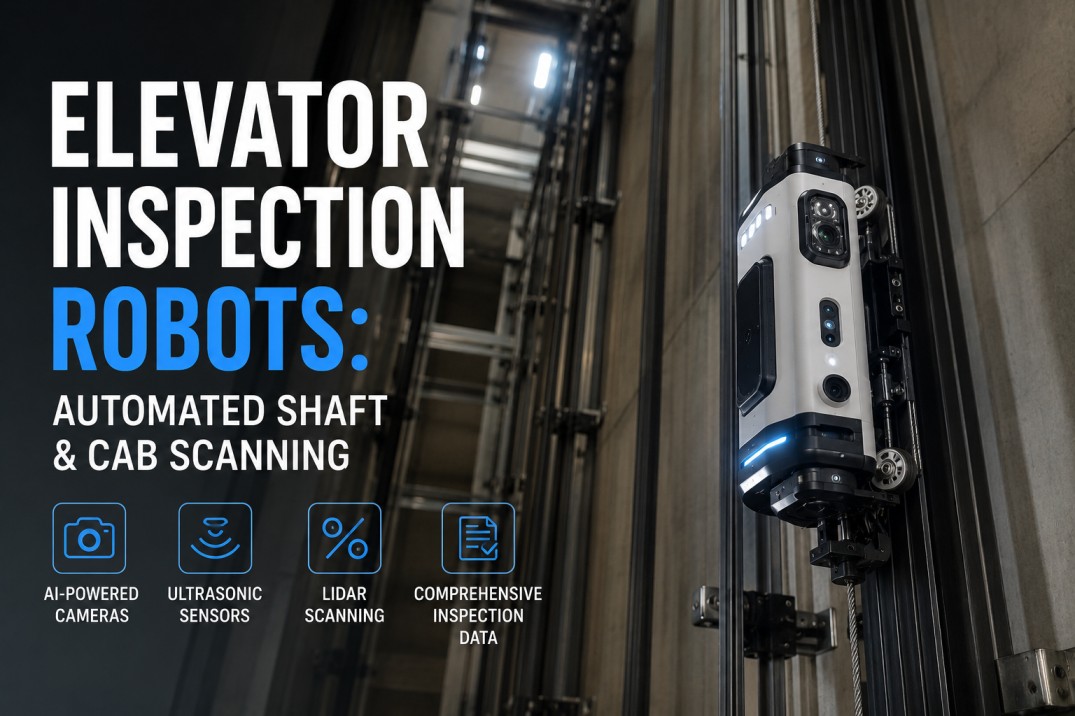
iFactory's platform enables inspection robots to perform a comprehensive suite of fire safety checks that go far beyond simple visual patrols. Each capability is a dedicated AI model trained on fire safety data, running on the on-premise NVIDIA appliance. No cloud inference. No latency. No data leaving the building.
Pre-Fire Heat Anomaly Mapping
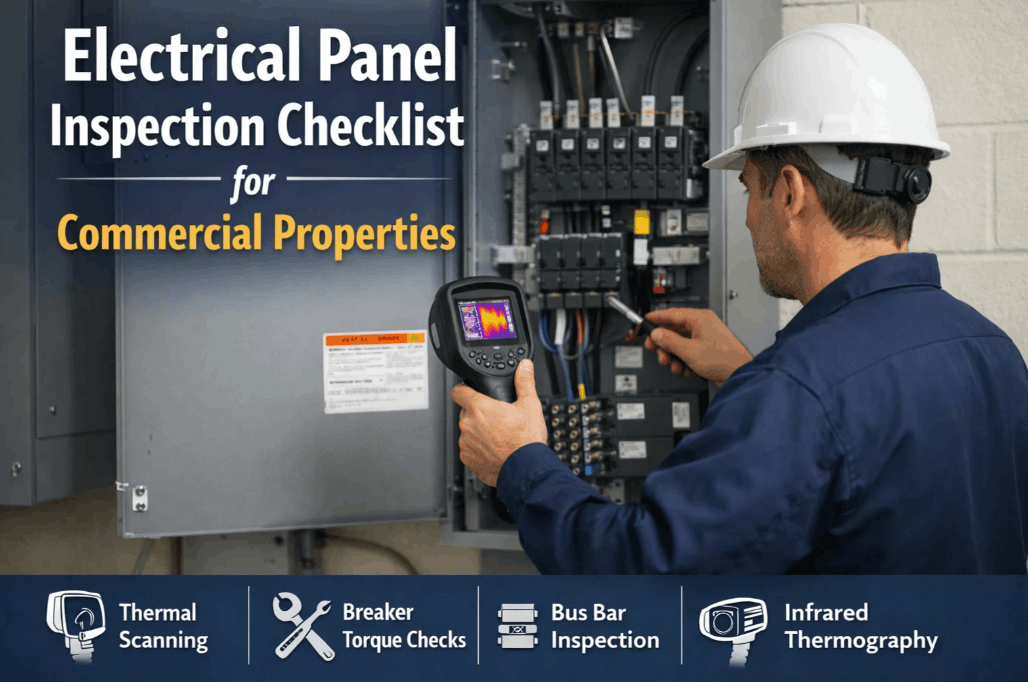
Thermal cameras on the robot scan electrical panels, server racks, battery storage rooms, and kitchen equipment for abnormal heat signatures. The AI distinguishes between normal operating temperatures and pre-fire conditions — like a failing breaker reaching 95°C (203°F) — and triggers an alert before ignition. Typical detection range: -20°C to 550°C with ±2°C accuracy.
Exit Path & Stairwell Obstruction Monitoring
The robot navigates every egress route — stairwells, corridors, exit doors — and uses computer vision to verify that paths are clear, doors are unobstructed, and emergency lighting is functional. It detects storage carts, debris, or furniture blocking exits and logs the violation with a timestamped photo. Non-compliance alerts are sent directly to facility management.
Sprinkler, Standpipe & Extinguisher Inspection
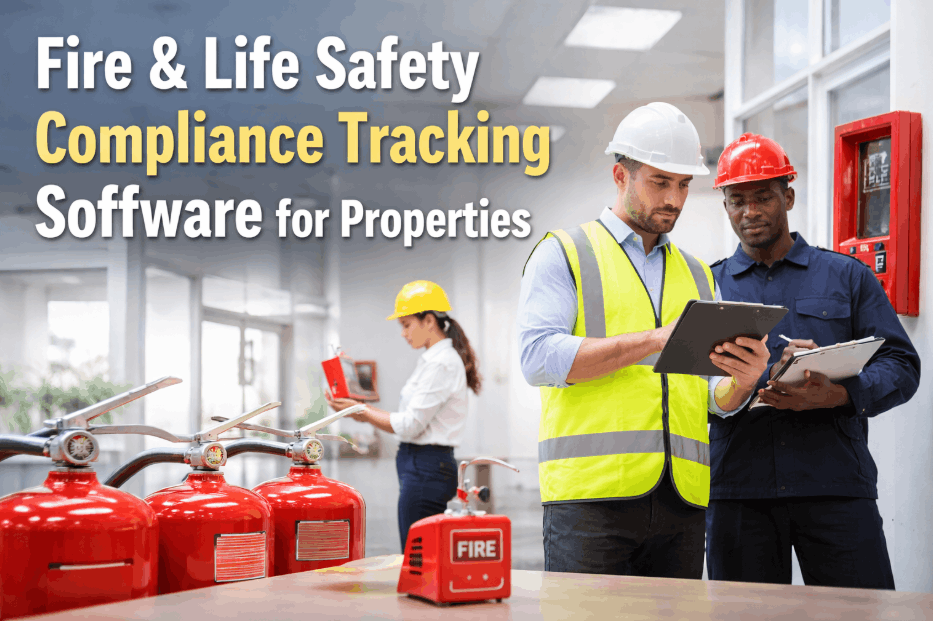
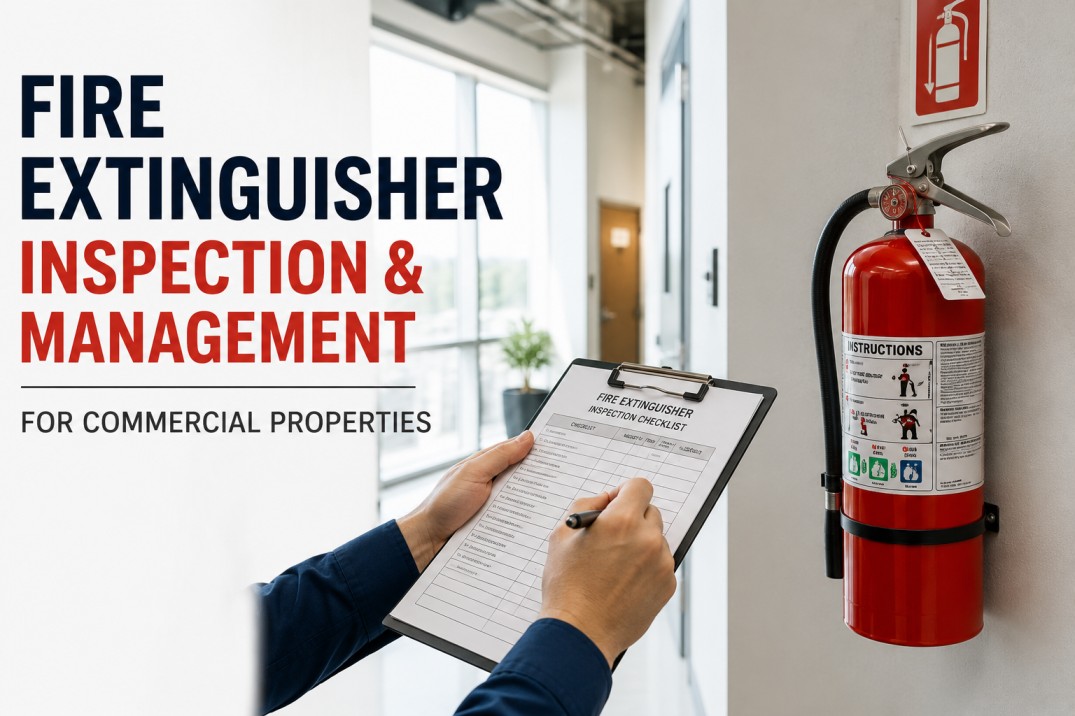
Visual AI inspects sprinkler heads for clearance (min 18 inches of space below), corrosion, or paint overspray. The robot reads analog pressure gauges on standpipes and pre-action systems, comparing readings against NFPA 25 thresholds. Extinguisher pressure gauges are checked visually, and the robot verifies that inspection tags are current and seals are intact.
Combustible Storage & Housekeeping Audits
In mechanical rooms, storage areas, and loading docks, the robot scans for improper storage of combustibles — cardboard, solvents, propane tanks — near ignition sources. It also checks that fire-rated doors are closed and latching, and that fire dampers are unobstructed. Any violation is mapped to the building floor plan with GPS coordinates.
Gas Leak & Smoke Precursor Detection
Integrated gas sensors (CO, methane, propane, hydrogen) and particulate matter detectors sample air quality along the robot's patrol route. The AI correlates gas readings with thermal data to identify leaks before they reach explosive concentrations. In data centers, the robot detects hydrogen off-gassing from battery banks — a critical precursor to thermal runaway.
Automated NFPA & Insurance Audit Trail
Every inspection generates a structured compliance report with timestamps, sensor readings, photos, and location data. The platform maintains a 90-day rolling record of all inspections, ready for insurance auditors or fire marshals. Reports are formatted to align with NFPA 1, NFPA 101, and IFC requirements, reducing administrative burden by 80%.
From Deployment to Continuous Fire Safety — Four Steps
iFactory's platform integrates with existing inspection robots — or we help select the right hardware — and transforms them into fire safety assets within weeks. There is no rip-and-replace of your current fire alarm or suppression systems. The robot operates alongside them as an intelligent overlay.
Map & Define Inspection Routes
iFactory's deployment team walks the property with your facility manager, mapping every fire safety asset — extinguishers, sprinkler zones, egress paths, mechanical rooms, and high-risk areas — into the robot's navigation system.
Install Sensors & Calibrate AI Models
Thermal cameras, gas sensors, and pressure readers are mounted on the robot platform. Each sensor is calibrated to the building's baseline environment, and the AI models are trained on your specific equipment types and floor plan.
Deploy Continuous Patrol Schedule
The robot begins autonomous patrols — typically 2–4 full property sweeps per 24-hour cycle. Inspections run during off-hours (overnight, weekends) or continuously, depending on occupancy. Alerts are delivered in real time to the facility management console.
Monitor, Report & Improve
iFactory's platform generates weekly compliance dashboards, trend analyses on recurring hazards, and automated audit-ready reports. The system learns from each patrol, improving detection accuracy over time. No cloud dependency — all data stays on your network.
What Inconsistent Fire Safety Inspections Cost Your Property
Manual fire safety inspections are not just labor-intensive — they carry hidden costs that compound over time. When inspections are missed, rushed, or inconsistent, the financial and safety consequences are significant. Here is what that looks like in real terms for commercial properties.
Missed Hazard Detection & Fire Damage
Properties with inconsistent inspection schedules face 3-5x higher fire damage costs per incident. A single undetected electrical fault in a mechanical room can cause $500K–$2M in structural damage, plus business interruption costs of $10K–$50K per day.
Insurance Premium Penalties & Non-Compliance Fines
Missing inspection documentation or failed audits can increase commercial property insurance premiums by 15–30%. Non-compliance with NFPA 1 or IFC can result in fines of $5,000–$50,000 per violation per inspection cycle.
Labor Cost of Manual Inspection Rounds
A 300,000 sq ft commercial property requires approximately 40–60 hours of inspection labor per month across fire safety checks. At $35–$55/hr for qualified facility staff, that is $1,400–$3,300 per month in direct labor — not counting overtime or contractor costs.
What Properties Achieve with Autonomous Fire Safety Inspection Robots
Across commercial properties — from Class A office towers to data centers to multi-tenant retail — iFactory-powered inspection robots deliver measurable, repeatable returns. The numbers below are based on actual deployments averaging 200,000–500,000 sq ft.
Fire safety inspection robots don't replace your fire alarm system — they make it smarter. Book a 30-min walkthrough and we will show you a live deployment at a comparable commercial property.
Fire Safety Inspection Robots — What Property Managers Need to Know
Your Fire Safety Inspection Program Is Only as Good as Your Last Patrol — Make It Continuous
Manual inspections leave gaps that cost lives and property. iFactory turns inspection robots into 24/7 fire safety assets that detect hazards before they become emergencies. See it in action at a commercial property like yours.
.jpg)

.png)