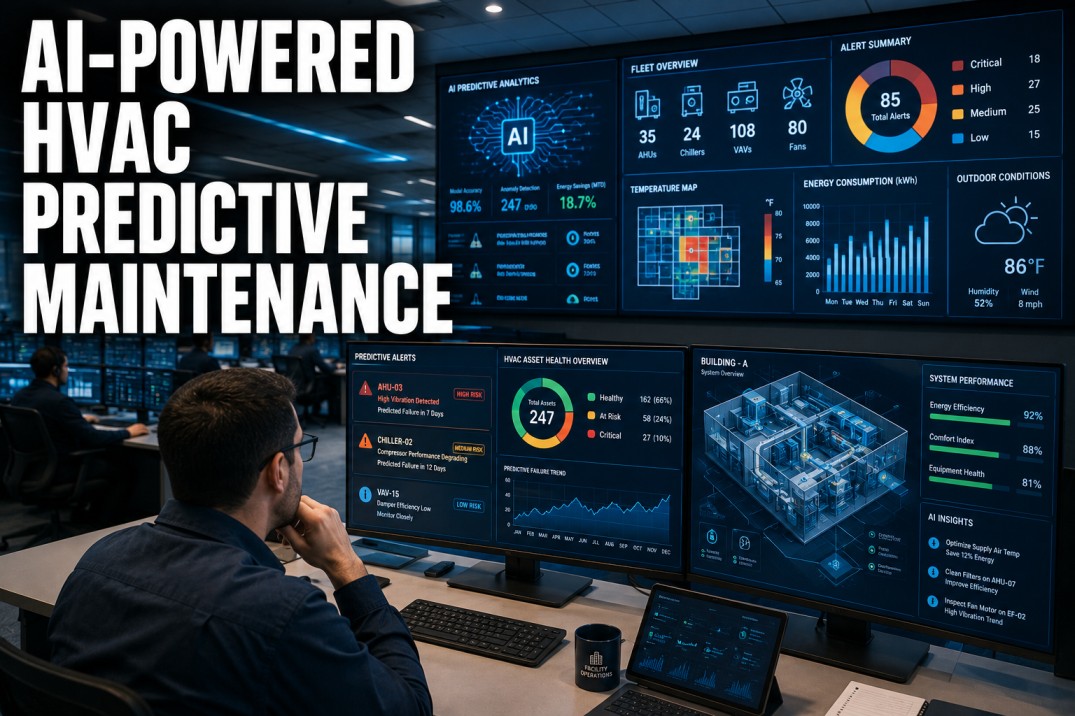
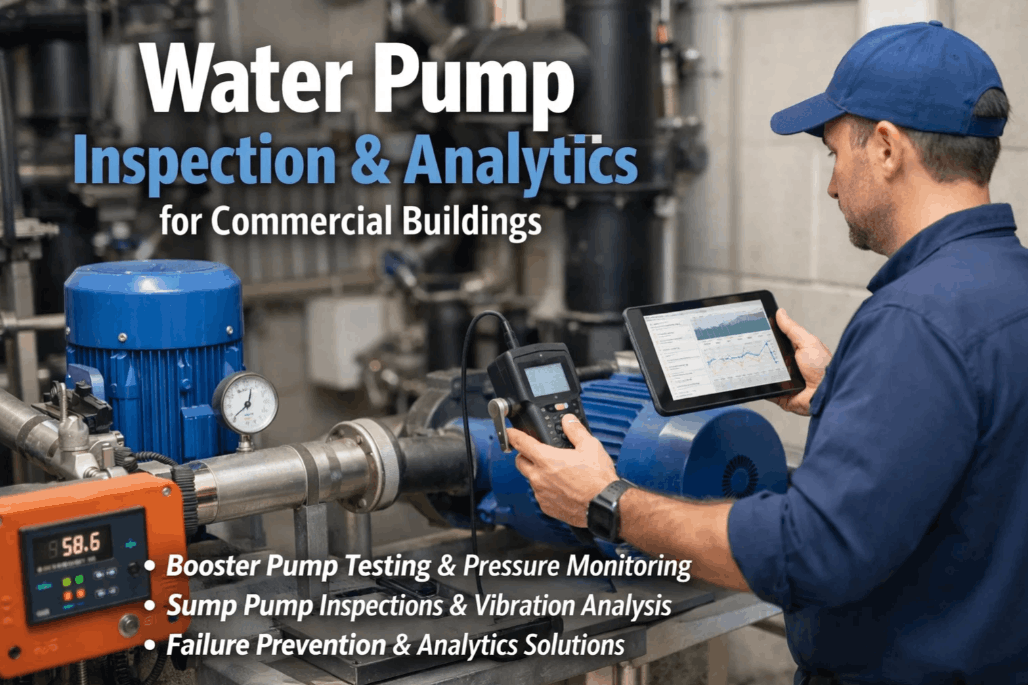
For commercial and institutional properties, water pumps are the uncelebrated engines of vertical continuity. Whether managing booster pressure for high-rise residential towers, sewage ejection for subterranean infrastructure, or mission-critical fire suppression, a pump failure is never an isolated event—it is a precursor to catastrophic riser flooding, dry-run destruction, or total building evacuation. Traditional maintenance relies on visual inspections and scheduled replacements, often missing the microscopic signs of impending collapse. Water Pump AI Predictive Failure Detection transforms static equipment into a "Condition-Aware" network. By synchronizing high-frequency vibration FFTs, motor current signature analysis (MCSA), and real-time performance curve (BEP) tracking, iFactory detects cavitational erosion and bearing fatigue weeks before they manifest as audible noise or physical failure. Book a Predictive Strategy Session to eliminate emergency pump downtime.
Target Zero Pump Failures & Riser Floods
Leverage advanced vibration AI and current monitoring to perfectly track pump health, monitor performance curve drifting, and align booster networks in real-time.
Why Pump Predictive Awareness is Critical
Unlike simple fixtures, water pumps operate at extreme mechanical and electrical loads. Variations as slight as 0.2mm in shaft alignment, or a minor frequency shift in the impeller's "hum," indicate the beginning of a failure spiral that can destroy a $15,000 asset and cause six-figure water damage. Critical pump precision requires absolute synchronization across the motor and hydraulic ends. If cavitation occurs—caused by suction-side inefficiencies—the microscopic air bubbles imploding against the impeller surface can erode prime metallurgy in days. Integrating an overarching condition-monitoring dashboard ensures every booster, sump, and circulator communicates flawlessly, guaranteeing 99.9% facility uptime. Schedule a pump health audit.
Pump Health: The 6 Diagnostic Pillars
Total pump tracking expands beyond simple pressure gauging. By monitoring the complex interaction between electrical draw and mechanical vibration, the AI platform guarantees absolute operational stability from the riser main to the sewage pit.
FFT Vibration Spectral Analysis
Uses high-frequency accelerometers to capture "Fast Fourier Transform" snapshots. Identifies specific defect signatures for bearing wear, impeller imbalance, and shaft misalignment before they create visible heat.
Sub-Visible Fatigue CatchMotor Current Signature (MCSA)
Non-invasively monitors current fluctuations in the motor's power supply. AI detects broken rotor bars, stator winding faults, and load-unbalance without needing sensors inside the pump's wet-end.
Electrical Pre-Failure AlarmsPerformance Curve (BEP) Drifting
Continuously cross-references real-time flow and head pressure against the manufacturer's performance curve. Identifies efficiency loss and hydraulic "drift" that signals internal wear-ring erosion.
Optimized Efficiency PointCavitation & Dry-Run Sensing
Acoustic AI listens for the specific "Rocks in a Blender" sound profile of cavitation. Instantly shuts down or modulates pumps to protect the impeller from catastrophic vapor-implosion damage.
Instant Impeller ProtectionMechanical Seal Leak Prediction
Analyzes thermal mesh data around the pump's seal chamber. Detects the micro-temperature rise associated with failing seals, allowing for a 1-hour seal replacement before it becomes a 10-hour flood event.
Flood Prevention ProtocolHigh-Intensity Storm Readiness
Fuses weather forecast data with sump pump telemetry. AI pre-emptively clears sewage pits and tests ejectors prior to localized storm ingress, guaranteeing the system is 100% ready for peak load cycles.
Predictive Flood HardeningThe AI-Driven Condition & Strategy Workflow
Tracking pump quality requires millisecond alignment between vibration sensors and hydraulic servos. Book a workflow presentation to view how AI prevents catastrophic riser failure.
Baseline Fingerprinting
When a new or newly-serviced pump enters operations, the AI absorbs its "Healthy Hum"—mapping the baseline FFT vibration and electrical draw signatures across all operating speeds.
Mechanical Pulse AlignmentSpectral & Curve Drift Auditing
As operations continue, edge analytics monitor loads against the digital twin performance curve. If the pump's duty point drifts away from its Best Efficiency Point (BEP), AI flags the hydraulic inefficiency.
Dynamic Flow CorrectionFFT Frequency Matrix Analysis
A continuous scan for 10Hz – 2kHz frequency build-ups. If a bearing ball begins to pit or a shaft begins to misalign, the AI modulates the VFD speed to break the resonant frequency and issue an alert.
Active Resonance SuppressionPredictive Maintenance Dispatch
Instead of waiting for a total burnout, the AI calculates the exact "Remaining Useful Life." Work orders are dispatched during off-peak hours for a seal or bearing swap, guaranteeing zero unplanned building outages.
Zero Emergency ShutoffsPump Analytical Sophistication: Upgrading to AI
Many facilities suffer from "Black-Box" pumping—relying on float switches and manual pressure gauges with zero data transparency. Run an architecture audit to upgrade your booster networks.
Post-Failure Replacement
Operators run the pump until it stops, smokes, or floods the floor. Entire massive riser pumps must be replaced at emergency rates. High risk of tenant displacement and mold remediation.
Reactive HMI Alarms
The BMS receives "High Amperage" or "Low Pressure" warnings, but the failure is already in progress. Reaction times depend on staff availability, often resulting in hours of system downtime.
Cloud Performance Dashboards
Sensors map vibration (RMS) and temperature dynamically. Displays provide managers with clear trending charts, but the root cause (spectral signature) is still unknown without manual tech audits.
Fully Integrated Pump AI
The ultimate unified state. Machine learning binds FFT vibration signatures directly to motor current patterns. The pump network runs fully optimized for micro-level defect prevention and autonomous health management.
Telemetry Enablers for Pump Fault Precision
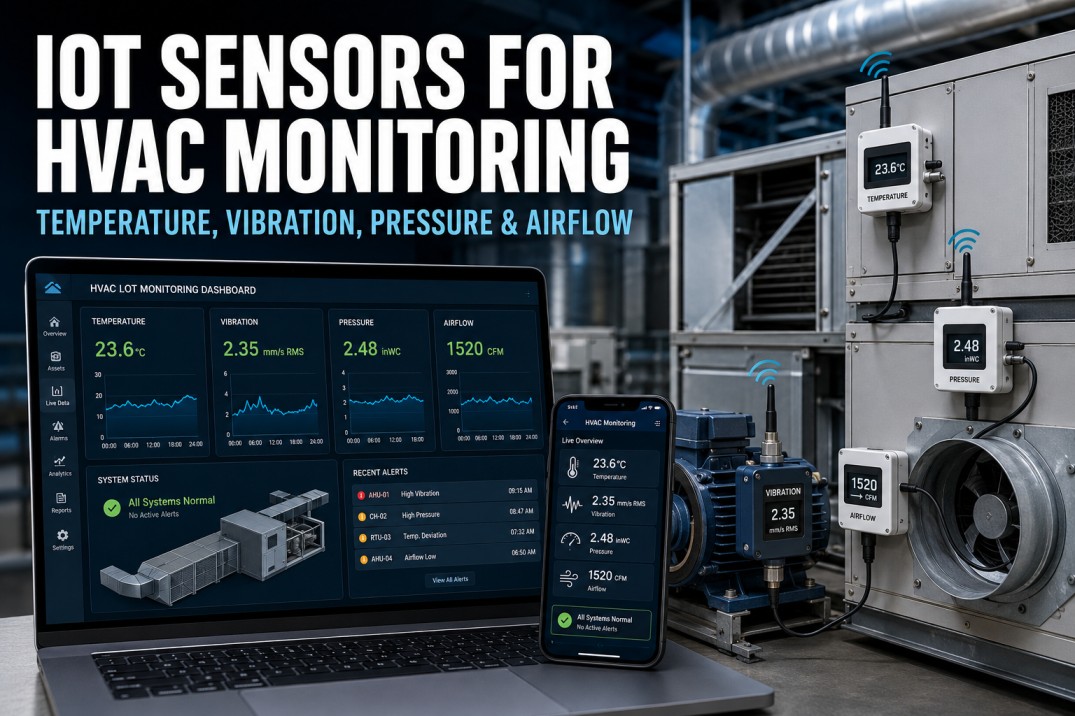
True visibility at 3,600 RPM requires processing high-frequency data streams across critical electrical and hydraulic hardware. Contact our integration experts to see our sensor gateways.
| Source Integration Layer | Application in Water Pumps | Analytical Output |
|---|---|---|
| Tri-Axial Accelerometers | Measuring spectral vibration across X, Y, and Z axes | Identifies bearing pits and impeller unbalance |
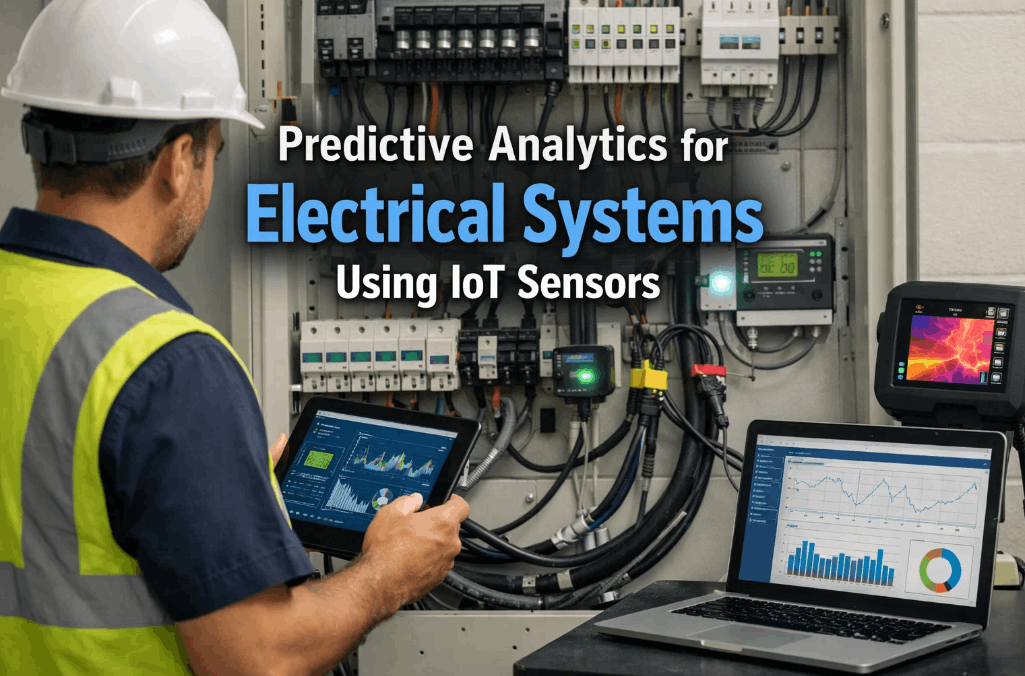
| Clamp-on CT Sensors | Monitoring high-frequency motor current (MCSA) | Captures rotor bar defects and winding insulation decay |
| Laser Doppler Flow Meters | Precision flow measuring on the discharge line | Extrapolates exact performance curve head-drift |
| Ultrasonic Cavitation Triggers | Continuous acoustic sampling of the pump volute | Identifies vapor implosion before impeller fatigue |
Preventing Catastrophic Floor Floods
A pump casing burst or seal failure at riser pressure is a catastrophic event. iFactory executes organized emergency protocols faster than any human operator.
Riser Surge Protection
As booster pumps cycle on, sudden pressure waves can shear old pipe joints. AI oversees VFD "soft-start" logic, preventing any surge wave that creates sudden riser leaks or catastrophic joint failure.
Unbreakable Hydraulic GuardDry-Run Hardening
The most common cause of fatal pump failure is running without water. Tandem sensors map the seal temperature flawlessly, momentarily shutting down the motor precisely as suction is lost.
Zero Seal BurnoutsEmergency Flood Lockout
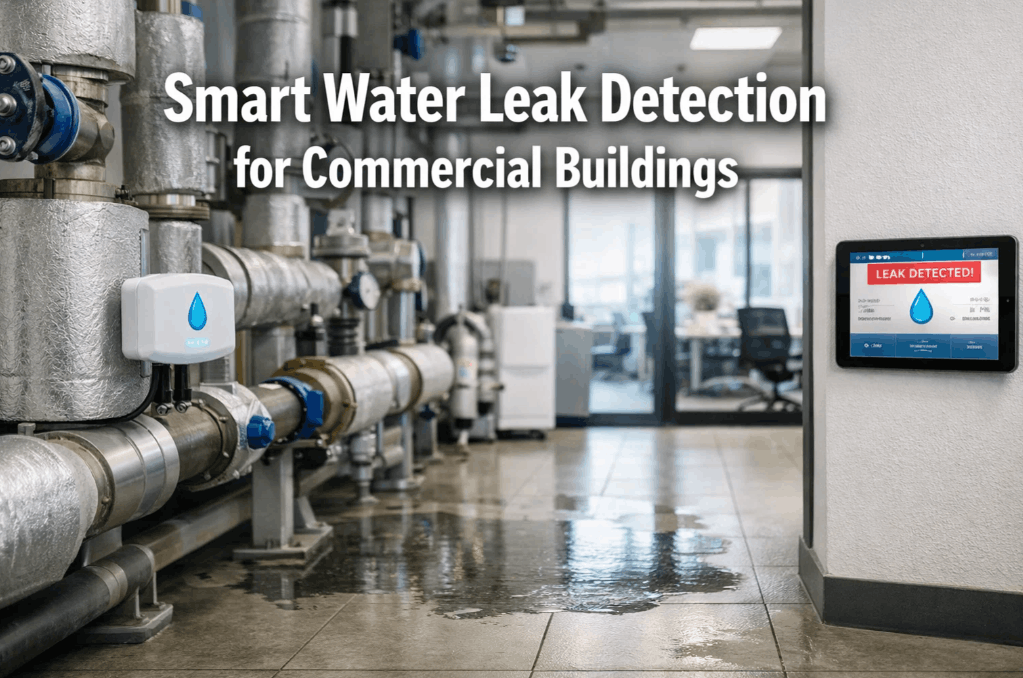
If surface water is detected in the mechanical room while the pump is running high, the platform executes an organized emergency isolation. This stops the flood safely before it destroys electrical vaults.
Automated Safe Coasting12-Month Pump Reliability Savings Projection Matrix
Pumping infrastructure drives immense maintenance overhead, meaning avoided repairs translate immediately into massive revenue recovery. Calculate specific pump savings here.
Specialized Pumping Domains
Unlike simple fans, water pump analytics focuses intensely on motor winding health, impeller erosion, and hydraulic topography mapping.
Building Booster Mains (Stands 1-4)
Fuses massive riser torques, forward-slip ratios, absolute shaft acoustics, and dynamic stand tension loops preventing mass-flow drifting and disastrous riser joint shearing.
Sump & Sewage Ejectors
Maintaining precise pit levels during storm surge. AI listens for "Slug Flow" and debris-ingress vibration, triggering immediate back-flush cycles without manual intervention.
HVAC Chilled Water Circulators
Monitors coolant temperature gradients, motor saturation consistency, and bearing filter health to guarantee pure, friction-free loop protection at extreme pressure limits.
Fire Suppression Readiness
Constantly analyzing differential shaft alignments generated by the diesel or electric jockey rolls, directly feeding immediate "Ready-to-Run" verification back into the risk control layer.
Yield Gains from Predictive Precision
Every pump that successfully avoids a "Burnout" command saves enormous emergency premiums. Converting previously "Scrap" hardware into prime operational assets yields huge financial uplifts.
Planned Labor Conservation
Scheduling a $500 bearing swap during a Tuesday shift instead of a $5,000 emergency weekend pump replacement drastically drops overall building maintenance outlays.
Flood Event Elimination
Automated health monitoring saves buildings from catastrophic 100-hour remediation cleanages. Eliminating mold restoration instantly drives insurance premiums towards the floor.
CAPEX Deferral Benchmarking
Addressing minor mechanical issues early extends the usable lifespan of expensive pumping equipment by up to 10 years, delaying multi-million dollar capital expenditure cycles.
Peak Execution Efficiency
Managers natively run pumps inefficiently out of fear of cavitation. Using AI shape modeling permits lines to run precisely at the Best Efficiency Point (BEP) without risking hydraulic instability.
What Facility Directors Are Saying
"Before adopting the iFactory pump AI framework, handling bearing fatigue was a total guessing game. We would just wait for the pump to scream or seize. Once we integrated FFT vibration spectral analysis with the motor current data directly into our portfolios, the platform instantly caught a pitting bearing on our main riser pump. We swapped it during a planned outage, saving us a $20k overnight disaster and protected 400 tenants from a water-less weekend."
Frequently Asked Questions: Pump AI Monitoring
Will these analytics interface natively with our legacy BMS (Building Management System)?
Yes. Our edge gateways process the raw analog signals generating off mature VFDs or standalone panel meters, allowing our localized AI grids to build hyper-accurate health inferences without requiring multi-million dollar hardware replacements.
How quickly does the platform stop a pump if cavitation is imminent?
Our high-frequency edge logic can detect vapor-implosion signatures in literal milliseconds. Intercept protocols issue emergency VFD modulation commands instantly, far preceding human operator reaction speeds.
How does current monitoring (MCSA) detect mechanical issues?
Every mechanical vibration in the pump rotates back through the shaft into the motor's magnetic field. Machine learning identifies these microscopic load-fluctuations in the current, essentially using the motor itself as an 'all-in-one' condition sensor.
Can AI monitor fire suppression jockey pumps?
Absolutely. The platform maps distinct fire-pump readiness analytics, measuring precise motor saturation and shaft alignment against NFPA standards to assure ultimate reliability and safety-code conformity. Book a fire-safety review.
Rule Every Vibration of Your Infrastructure
Eradicate unplanned pump outages, destroy hidden destructive cavitation, and assure unmatched hydraulic responses by mobilizing massive data across your entire property portfolio.