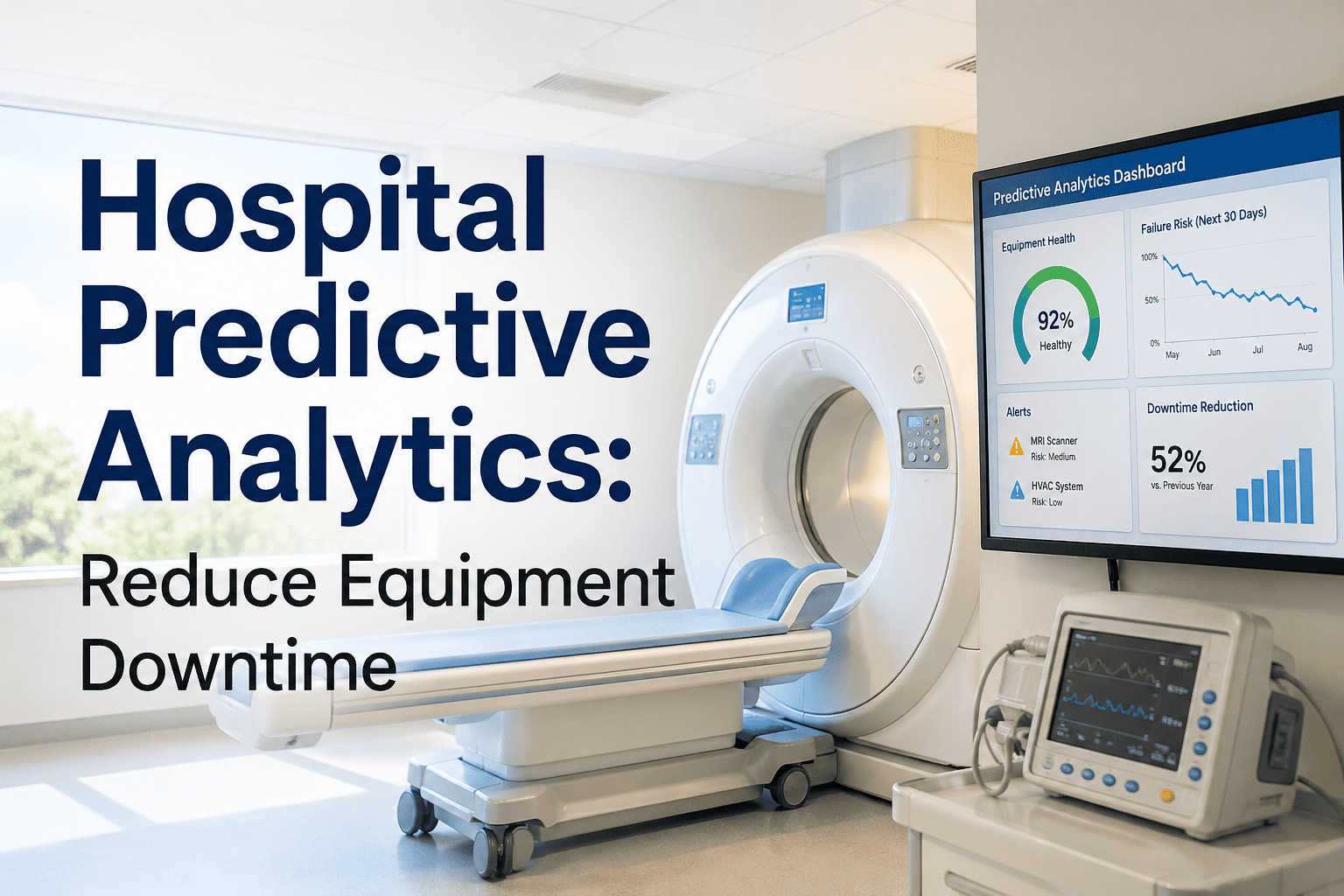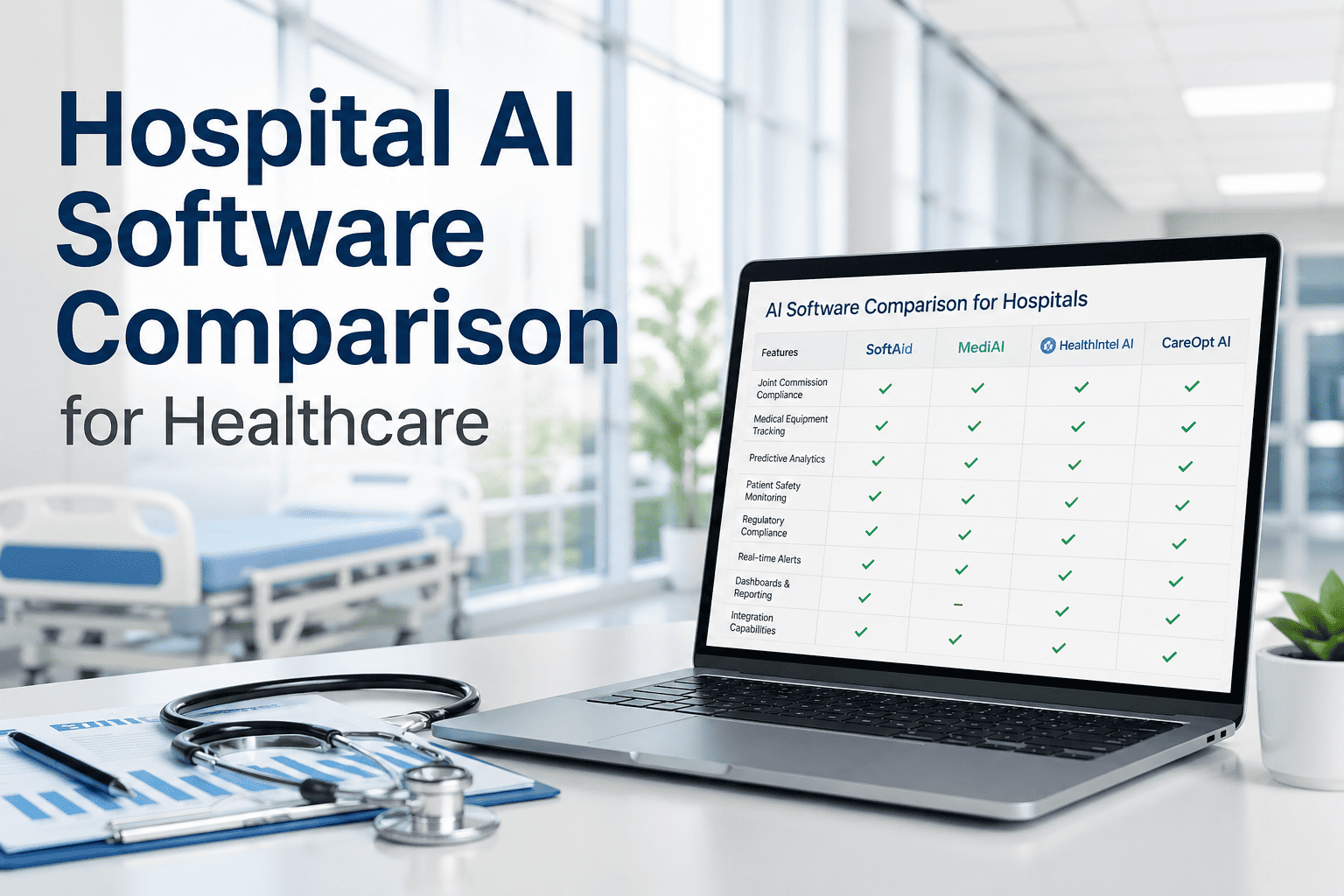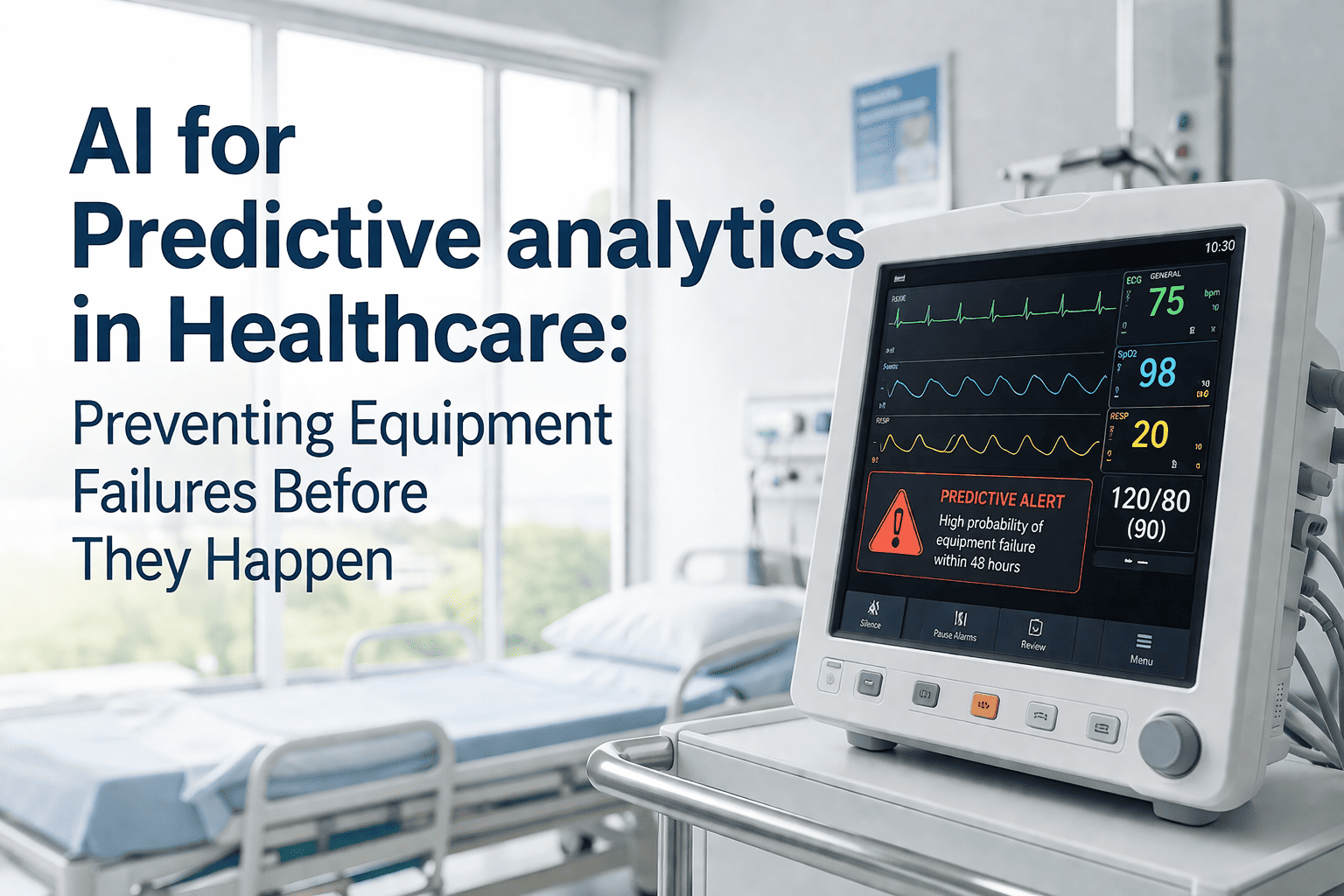
Every unplanned medical equipment failure costs hospitals an average of $8,662 per hour in downtime — and that number doesn't account for diverted patients, delayed procedures, or the liability exposure when a ventilator, MRI, or infusion pump fails mid-treatment. The question isn't whether your equipment will fail. It's whether your analytics platform will see it coming before it does.
Is Your Hospital Bleeding Revenue From Preventable Equipment Failures?
iFactory's AI Predictive Analytics Console monitors every asset in real-time — flagging failure risk before symptoms appear and protecting patient safety at scale.
The Financial & Clinical Case for AI-Driven Equipment Intelligence
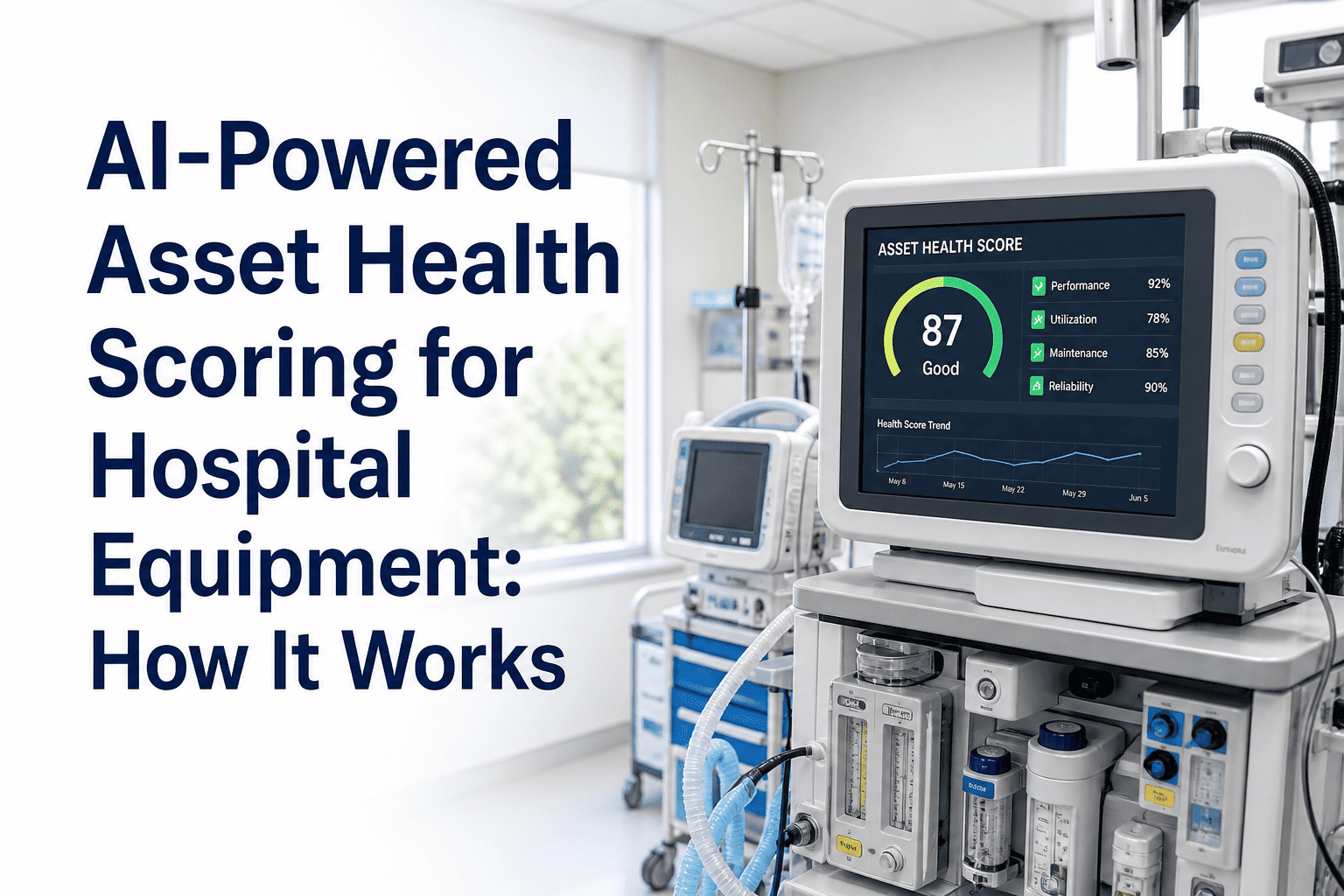
Legacy preventive maintenance runs on fixed schedules — not actual equipment health. This creates a dangerous gap: machines serviced too early waste budget; machines missed entirely become patient safety events. iFactory's Predictive Analytics Console closes this gap with machine learning models trained on IoT sensor streams, usage cycles, and historical failure signatures.
What the Predictive Analytics Console Delivers
IoT Sensor Integration
- Connects to 200+ medical device protocols out-of-the-box
- Real-time vibration, temperature, and electrical load monitoring
- Zero-gap telemetry with edge processing for ICU-grade reliability
Failure Prediction Engine
- ML models trained on 50M+ clinical equipment failure events
- Anomaly scoring updated every 15 seconds per asset
- Predicts bearing wear, motor degradation, and software faults
Automated Alert Routing
- Risk-tiered alerts sent to biomedical, nursing, and procurement
- Integrated work order generation in your existing CMMS
- Escalation logic prevents alert fatigue with severity filtering
Compliance & Audit Trail
- Immutable maintenance logs for Joint Commission and DNV audits
- Automated regulatory reporting for HIPAA-compliant environments
- Full lifecycle documentation from purchase to decommission
Legacy Friction vs. iFactory Optimized Excellence
The table below maps the operational cost of inaction against quantified outcomes delivered by the iFactory Predictive Analytics Console. Present this to your CFO and Chief of Clinical Operations.
| Operational Dimension | Legacy Friction | iFactory Optimized Excellence | Clinical & Financial Impact |
|---|---|---|---|
| Maintenance Scheduling | Fixed calendar intervals — time-based, not condition-based | Dynamic AI scheduling triggered by real equipment health scores | 28% cost reduction |
| Failure Detection | Reactive — discovered at point of breakdown or patient incident | Proactive — 48–72hr advance warning via anomaly pattern detection | Zero patient-side failures |
| Alert Management | Generic alarm floods overwhelming biomedical staff | Precision risk-scored alerts with automatic CMMS work order creation | 63% fewer false alarms |
| Data Visibility | Siloed spreadsheets and paper logs across departments | Unified real-time dashboard across all facilities and asset classes | Single source of truth |
| Regulatory Compliance | Manual documentation with audit gaps and retroactive fixes | Auto-generated immutable logs mapped to Joint Commission standards | 100% audit readiness |
| Capital Planning | Budget requests based on age estimates and vendor recommendations | AI-driven CapEx forecasting based on actual wear-rate trajectory data | 15% CapEx efficiency gain |
How Predictive Analytics Solves the Three Critical Hospital Pressures
Staff Burnout Reduction
- Eliminates manual equipment rounds for nursing staff
- Removes reactive scramble during critical equipment failures
- Automated alerts replace manual biomedical check-ins
- Frees clinical hours for direct patient care delivery
Patient Throughput Increase
- Eliminates OR and ICU delays caused by unplanned equipment downtime
- Reduces procedure rescheduling by 34% in Year 1
- Keeps high-utilization assets like MRI and CT at 97%+ uptime
- Predictive swap scheduling keeps patient flow uninterrupted
Patient Safety Protection
- Detects ventilator and infusion pump degradation before clinical failure
- Immutable maintenance records strengthen liability defense posture
- Meets FDA MDR and Joint Commission equipment safety standards
- Reduces adverse event probability linked to equipment malfunction
From Pilot to Enterprise: A Phased Deployment Roadmap
Asset Inventory & Sensor Onboarding
- Map all critical and non-critical equipment into the iFactory asset registry
- Deploy IoT gateways for legacy devices without native connectivity
- Establish baseline telemetry profiles within 14 days of go-live
AI Model Calibration
- Train device-specific failure models on historical maintenance and sensor data
- Configure alert thresholds by device class, department, and risk tolerance
- Validate predictions against known past failure events before go-live
CMMS & EHR Integration
- Bi-directional sync with Epic, Cerner, Meditech, and ServiceMax
- Automated work order creation routes directly to biomedical team queues
- Procurement triggers generated for parts with long lead times
Enterprise Scaling & Governance
- Expand from pilot department to full multi-facility deployment
- Executive dashboards surface system-wide asset health and spend trends
- Quarterly AI model retraining cycles improve accuracy over time
Why Hospital Predictive Analytics Pilots Fail — And How iFactory Prevents It
AI cannot predict failure when sensor data, maintenance logs, and usage records live in separate systems. iFactory's unified ingestion layer eliminates this fragmentation on day one.
Generic threshold alarms generate noise, not intelligence. iFactory's risk-scoring engine delivers only high-confidence, actionable alerts — preserving biomedical team focus.
Cloud-dependent analytics fail in connectivity-constrained ICU and OR environments. iFactory runs inference at the device edge for zero-latency safety decisions.
Predictive programs without audit-ready documentation create Joint Commission exposure. iFactory auto-generates immutable compliance records for every maintenance action.
Point solutions that work for one department collapse at enterprise scale. iFactory's architecture supports thousands of assets across multi-site health systems from a single console.
Proprietary hardware dependencies limit flexibility and inflate long-term costs. iFactory integrates with your existing device ecosystem via open, vendor-neutral APIs.
AI Predictive Analytics for Healthcare — Frequently Asked Questions
How quickly can we expect ROI after deployment?
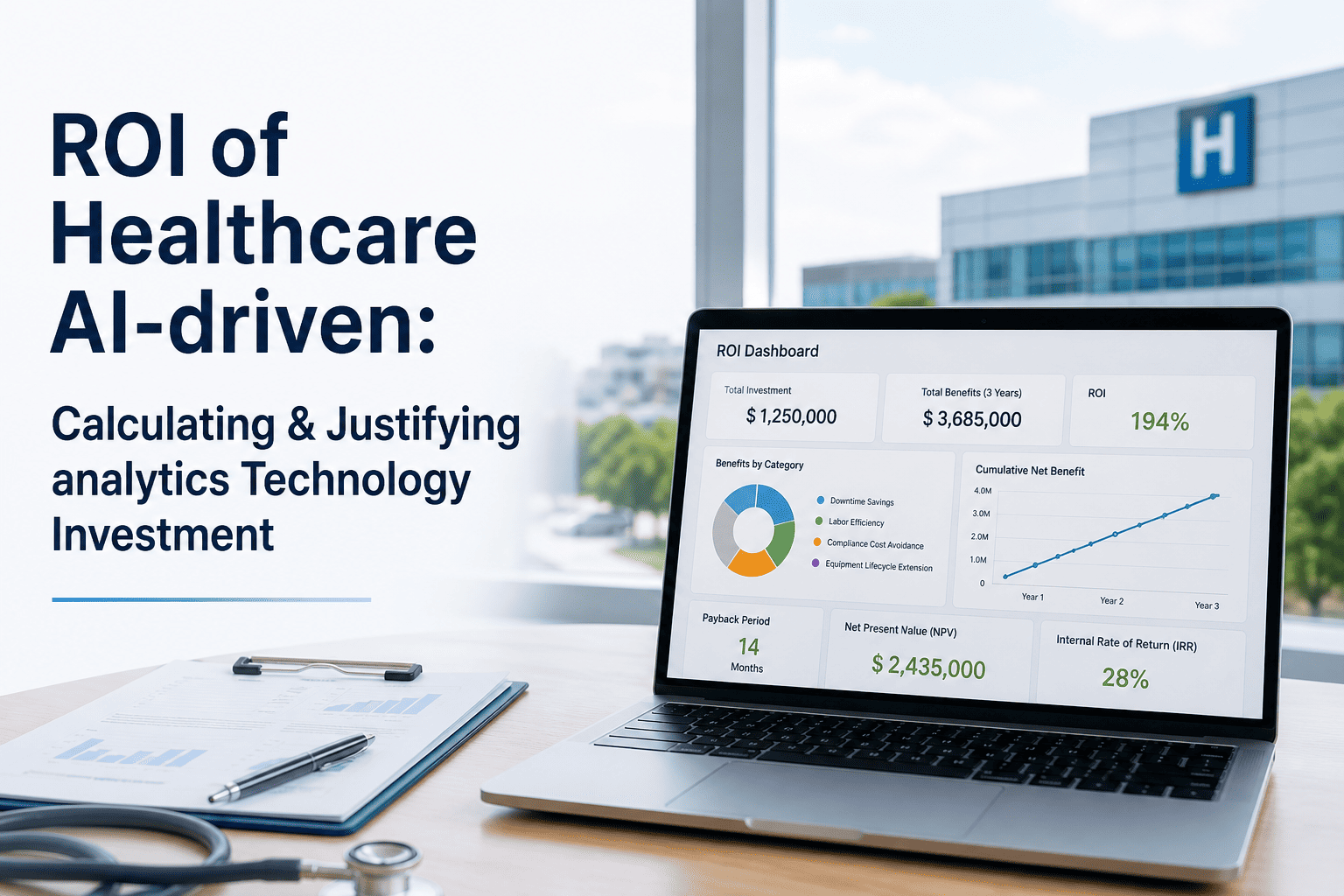
Most health systems see measurable reduction in unplanned downtime within 90 days of full sensor onboarding. A full ROI-positive position — accounting for implementation costs — is typically achieved within 8–12 months, driven primarily by avoided emergency repair costs and eliminated procedure delays.
Does the platform work with legacy medical equipment lacking native IoT connectivity?
Yes. iFactory deploys plug-and-play IoT gateway hardware that attaches to legacy devices and streams operational signals — power draw, thermal output, vibration — to the analytics console without requiring manufacturer firmware updates or device recertification.
How does iFactory protect patient data and meet HIPAA requirements?
The Predictive Analytics Console operates on HIPAA-compliant cloud infrastructure with AES-256 encryption at rest and in transit. Equipment telemetry is anonymized from patient identity by design. All data residency and sovereignty requirements for government-affiliated health systems are fully supported.
Can this replace our existing CMMS, or does it integrate with it?
iFactory is designed as an intelligence layer that enhances your existing CMMS — not replaces it. Bi-directional integrations are available for all major platforms including IBM Maximo, TMS, ServiceMax, and hospital-specific EHR-embedded maintenance modules.
Stop Losing Revenue to Equipment Failures You Could Have Predicted
Book a personalized demo or request an Operational Gap Audit to benchmark your current maintenance posture against AI-optimized standards — and see exactly where you're leaving revenue on the table.

.png)