Across 12 campuses, fragmented analytics quietly drained millions — through redundant vendor contracts, inconsistent compliance reporting, and operational blind spots that no single administrator could see. This is not a technology problem. It is a revenue hemorrhage problem, and the cost of inaction compounds every quarter you delay standardization.
Is Fragmented Data Costing Your Health System Millions?
iFactory unifies operations across every campus — standardizing compliance, eliminating analytics redundancy, and delivering a 25% cost reduction at enterprise scale.
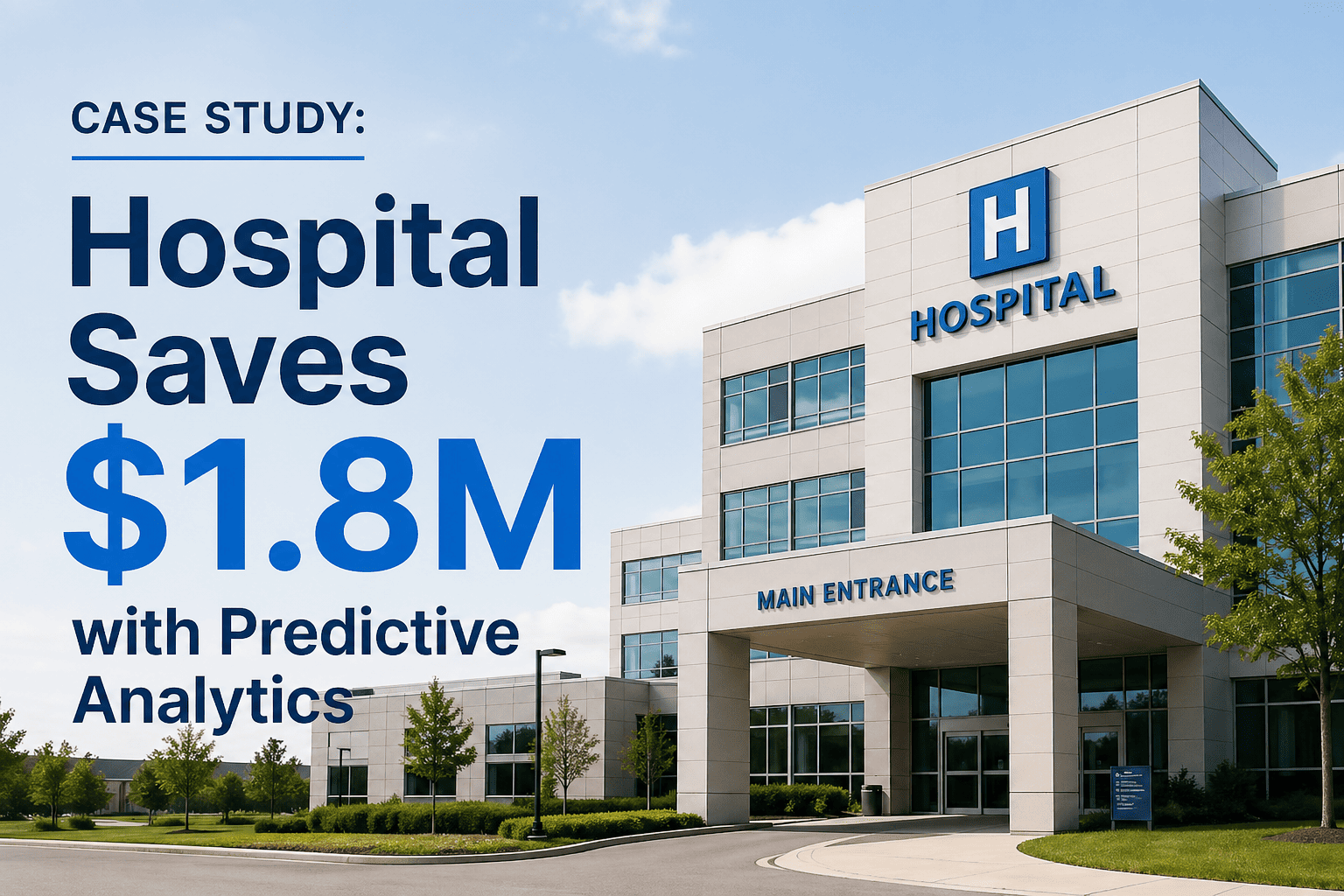
The Business Case: What a 12-Campus Health System Actually Saved
A major regional health system operating across 12 campuses faced a crisis common to large hospital networks — not clinical, but operational. Each facility ran its own analytics stack, compliance calendar, and reporting cadence. The result was predictable: duplicated cost centers, audit inconsistencies, and leadership flying blind on system-wide performance. After deploying iFactory's Multi-Site Management platform, the outcomes were measurable within the first fiscal year.
What Fragmented Multi-Campus Operations Actually Cost You
Before standardization, health systems operating across multiple sites face a predictable pattern of compounding operational friction. The following are not theoretical risks — they are documented realities in large health networks running siloed infrastructure.
Each campus independently negotiating analytics and reporting contracts — paying full price for partial capability across 12 separate budget lines.
Manual, campus-level regulatory submissions introduce inconsistency. One missed deadline or misformatted report creates system-wide audit liability.
C-suite and CFO teams receive performance data weeks after the fact — from 12 different formats. Strategic decisions are made on stale, incompatible data.
Analysts across campuses spend 30–40% of their time consolidating data rather than generating insights — accelerating turnover in already-scarce talent pools.
Without a unified platform, leadership cannot identify which campuses are underperforming or model best practices from high-performing facilities at scale.
When health systems expand through M&A, non-standardized infrastructure makes onboarding new campuses a months-long, high-cost manual project every time.
Legacy Friction vs. iFactory Optimized Excellence
The operational gap between fragmented multi-campus infrastructure and a unified intelligent platform is not incremental — it is structural. The table below captures the measurable difference across the dimensions that matter most to health system CFOs, CMOs, and COOs.
| Operational Dimension | Legacy Fragmented State | iFactory Unified Platform | Impact |
|---|---|---|---|
| Analytics Infrastructure | 12 separate vendor contracts | Single enterprise license, all sites | 25% Cost Reduction |
| Compliance Reporting | Manual, campus-level submissions | Automated, standardized, system-wide | Zero Inconsistency |
| Leadership Dashboards | Disconnected spreadsheets, delayed | Real-time unified executive view | Same-Day Insight |
| Cross-Campus Benchmarking | Not possible without manual effort | Built-in comparative analytics | Continuous Optimization |
| New Campus Onboarding | 3–6 months per acquisition | Template-based, weeks not months | Scalable Growth |
| Staff Analytics Burden | 30–40% time on reconciliation | Automated aggregation, AI-assisted | Reduced Burnout |
| Audit Readiness | Reactive, per-campus preparation | Always-on, immutable audit trail | Reduced Regulatory Risk |
How Multi-Site Standardization Improves Clinical Operations
Operational standardization is not just a financial lever — it directly improves care delivery, staff retention, and patient throughput across every campus in the network.
Staff Burnout Reduction
- Eliminates manual data reconciliation tasks
- Standardized workflows reduce cognitive load
- AI-assisted reporting frees clinical analysts
- Consistent tooling reduces retraining cycles
Patient Throughput Optimization
- Cross-campus capacity visibility in real-time
- Intelligent patient routing across facilities
- Predictive bed management analytics
- Reduced wait times via unified scheduling data
Compliance & Safety Consistency
- Uniform safety protocols enforced system-wide
- Automated compliance alerts per campus
- Real-time regulatory change propagation
- Single audit trail for all 12 campuses
iFactory Multi-Site Management: What the Platform Does
Centralized Data Aggregation
- Ingests operational data from all 12 campuses into a single data layer
- Vendor-neutral connectors — no rip-and-replace required
- Real-time sync with zero manual export workflows
Standardized Reporting Engine
- Uniform report templates applied system-wide
- Automated regulatory submissions with built-in validation
- Executive dashboards refreshed on your schedule, not a vendor's
AI-Driven Benchmarking
- Identify top-performing campuses and replicate best practices
- Predictive alerts flag underperforming sites before metrics worsen
- Budget optimization recommendations based on cross-campus patterns
Scalable Onboarding Architecture
- Template-driven campus onboarding — weeks, not quarters
- Pre-built compliance modules for rapid regulatory alignment
- Scales seamlessly as health system grows through acquisition
Enterprise Security & Audit Trail
- HIPAA-compliant data architecture across all campuses
- Immutable audit logs for every operational action system-wide
- Role-based access control by campus, department, and function
Ready to Unify Your Health System Operations?
Book a strategic demo or request an Operational Gap Audit — and see exactly where your multi-campus infrastructure is leaking revenue today.
Frequently Asked Questions — Multi-Campus Health System Standardization
Does iFactory require replacing our existing campus-level systems?
No. iFactory uses vendor-neutral API connectors that integrate with your existing EHR, analytics, and reporting tools. Standardization is additive — not disruptive — preserving your current investments while unifying data above them.
How long does a 12-campus deployment typically take?
Most health systems complete full platform deployment within 60–90 days. Template-based campus onboarding significantly reduces integration time compared to legacy implementation models.
How does the platform address HIPAA and data sovereignty requirements?
iFactory is built on a HIPAA-compliant architecture with AES-256 encryption, role-based access controls, and immutable audit logs. All data remains within your designated cloud environment — no third-party data exposure.
What is the typical ROI timeline for a health system of this scale?
Based on this case study, the 25% analytics cost reduction was realized within the first year. Additional ROI accrues through compliance risk avoidance and staff productivity recapture, typically visible within 6 months of deployment.
Start Your Multi-Campus Standardization Assessment
Join health systems already reducing costs and eliminating compliance risk with iFactory's unified multi-site intelligence platform.