Every hour, hospital staff spend an average of 45 minutes searching for misplaced medical equipment—ventilators, infusion pumps, wheelchairs. That is not an inconvenience. It is a systemic revenue hemorrhage, a patient safety liability, and a staff burnout accelerator happening silently across every shift. Without a real-time medical equipment tracking system, your hospital is funding ghost inventory, absorbing preventable rental costs, and exposing patients to delays that regulatory bodies are increasingly unwilling to overlook.
Is Your Hospital Losing Revenue to Missing Equipment?
Deploy RFID, RTLS, and barcode tracking in a unified platform — built for biomedical engineering and clinical operations teams.
The Financial and Clinical Case for Medical Equipment Tracking
Hospitals that lack automated equipment visibility operate on assumption—not data. iFactory's unified tracking platform converts asset chaos into measurable clinical and financial outcomes. Here is what the shift delivers:
Revenue Protection
- Eliminate ghost inventory and phantom rentals
- Reduce unnecessary equipment purchases by up to 30%
- Recover billable device utilization hours
- Prevent revenue loss from undocumented asset transfers
Patient Safety & Throughput
- Locate critical equipment in under 60 seconds
- Reduce care delays caused by unavailable devices
- Enforce sterilization cycle compliance automatically
- Improve bed turnover with real-time asset readiness
Operational Scalability
- Centralize multi-floor and multi-campus asset visibility
- Automate maintenance scheduling via utilization data
- Generate audit-ready compliance reports instantly
- Integrate with existing EHR and CMMS platforms
RFID, RTLS, and Barcode — Understanding the Right Technology for Your Facility
No single technology fits every hospital environment. iFactory deploys a layered approach—matching the right tracking modality to the clinical workflow, budget, and accuracy requirement.
RFID Tracking
- Passive tags for high-volume low-cost inventory
- Active RFID for real-time location in defined zones
- Bulk scanning at doorways and choke points
- Best for: supply rooms, sterile processing, OR kits
RTLS (Real-Time Location)
- Sub-meter accuracy via Wi-Fi, BLE, or UWB sensors
- Live map view of every tagged asset on every floor
- Geofence alerts when equipment leaves authorized zones
- Best for: infusion pumps, ventilators, crash carts
Barcode & QR Scanning
- Manual scan workflows for low-turnover equipment
- Mobile app scanning for bedside and field use
- Lowest infrastructure cost — fastest deployment
- Best for: durable medical equipment, patient devices
Unified Platform Layer
- Single dashboard aggregating all tracking modalities
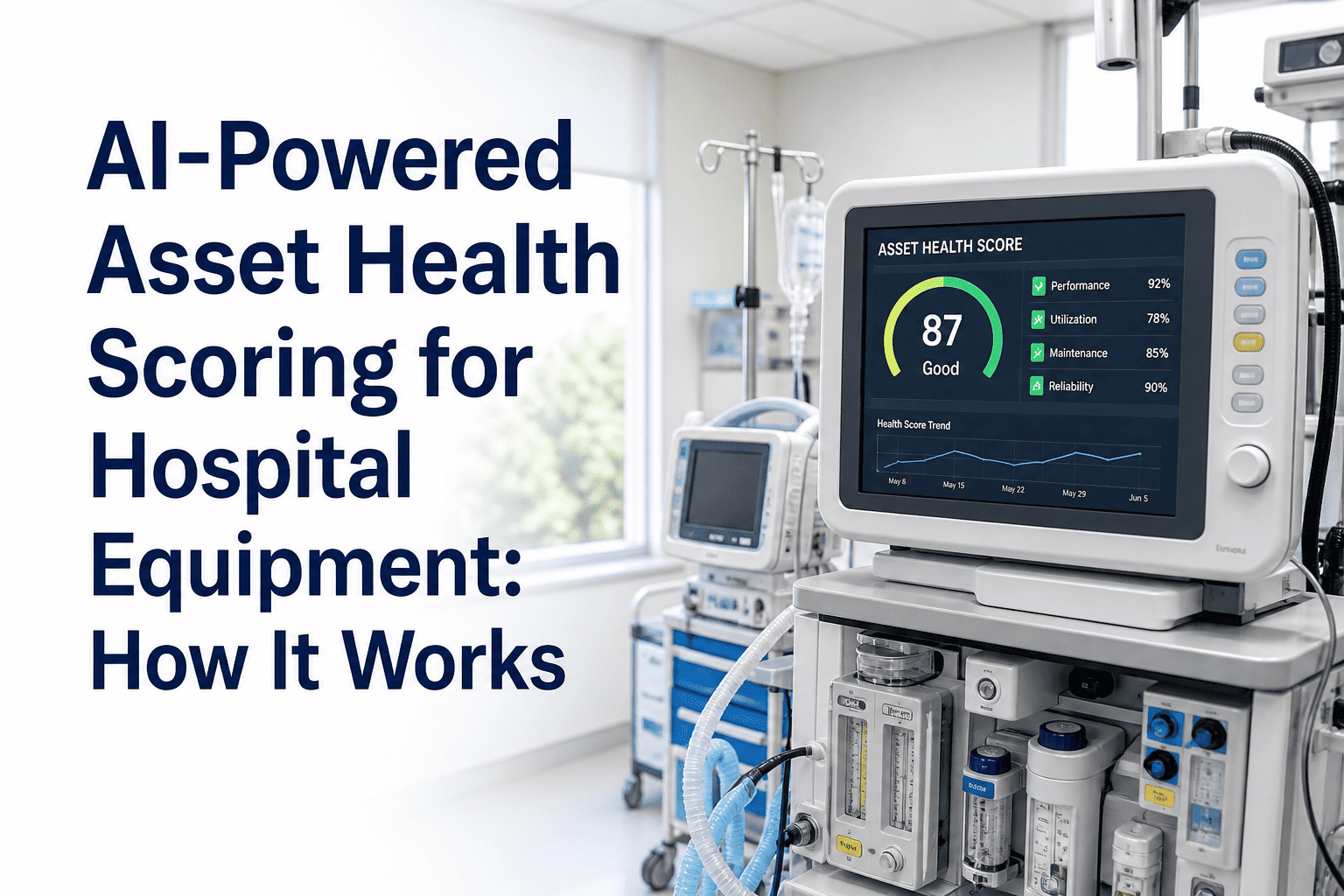
- AI-driven utilization and maintenance analytics
- Role-based access for biomedical, nursing, and admin
- Best for: enterprise-wide asset governance
Legacy Friction vs. iFactory Optimized Excellence
The gap between manual asset management and an intelligent tracking platform is measured in dollars, minutes, and patient outcomes. This matrix quantifies the operational delta your leadership team needs to justify investment.
| Operational Area | Legacy Friction | iFactory Optimized Excellence | Clinical / Financial Impact |
|---|---|---|---|
| Equipment Location | 45+ min manual search per shift | Real-time map — located in <60 sec | Reclaim 200+ staff hours per month |
| Inventory Accuracy | Manual spreadsheets — 60% accuracy | Automated scans — 99%+ accuracy | Eliminate phantom purchases & rentals |
| Maintenance Compliance | Static schedules — missed PMs | AI triggers based on actual usage | Reduce device failures & regulatory risk |
| Equipment Utilization | No data — over-purchasing assumed | Per-device utilization dashboards | Optimize fleet size — cut CapEx 20–30% |
| Sterilization Tracking | Paper logs — prone to errors | Automated cycle validation & alerts | Prevent HAI events and audit failures |
| Regulatory Reporting | Manual compilation — days of effort | One-click audit-ready export | Reduce compliance labor by 80% |
How Real-Time Tracking Solves the Three Biggest Clinical Pain Points
Staff Burnout & Search Time
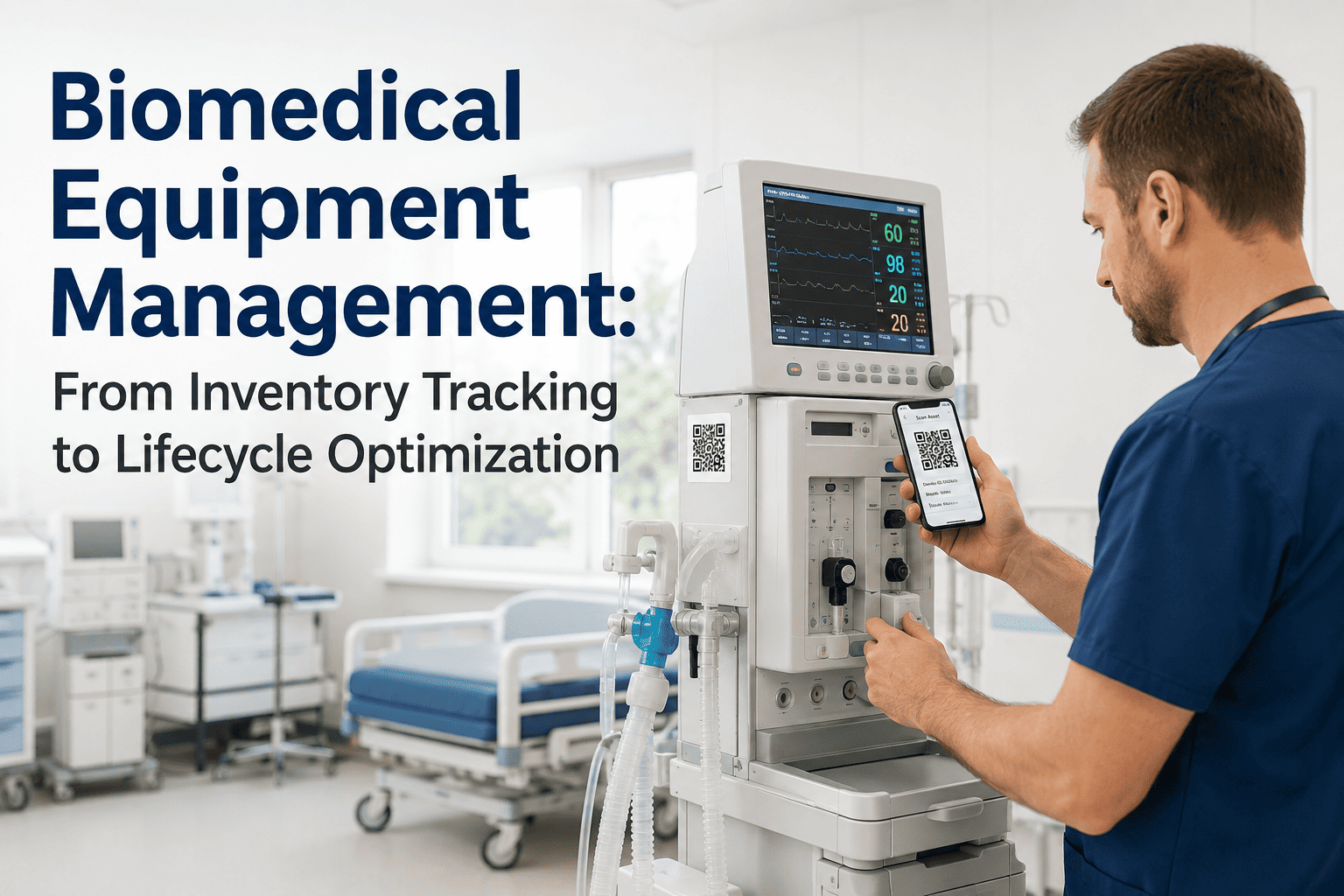
- Nurses locate equipment via mobile app — no floor searches
- Automated alerts when devices return to charging stations
- Removes frustration from clinical workflows immediately
- Redirects nursing time to direct patient care
Patient Throughput Delays
- OR readiness confirmed before patient transport begins
- ICU device availability visible across all bed stations
- Discharge equipment prepared proactively — not reactively
- Reduces average patient wait time for critical devices
Device Compliance & Safety
- Every device tagged with PM schedule and history
- Geofence alerts for equipment leaving sterile zones
- Automated removal flags for recalled or expired devices
- Full chain-of-custody log for every patient contact
From Pilot to Enterprise-Wide Deployment — A Phased Approach
Asset Audit & Tag Strategy
- Inventory all trackable assets across departments
- Assign RFID, RTLS, or barcode modality per asset class
- Define zone maps and geofence boundaries by floor
Infrastructure Deployment
- Install BLE/UWB anchor points or leverage existing Wi-Fi
- Tag priority assets — ventilators, pumps, wheelchairs first
- Configure dashboard with role-based access controls
EHR & CMMS Integration
- Connect iFactory API to Epic, Cerner, or existing CMMS
- Sync asset utilization data to maintenance work orders
- Enable bi-directional data flow for full workflow automation
Analytics & Optimization
- Activate AI utilization dashboards per department
- Set automated PM triggers based on device usage hours
- Generate monthly cost-avoidance and ROI reports
Scale & Govern
- Expand to additional campuses using centralized platform
- Maintain unified compliance audit trail system-wide
- Continuously optimize fleet size based on usage intelligence
Stop the Revenue Bleed. Deploy Real-Time Medical Equipment Tracking.
iFactory gives your biomedical and clinical operations teams complete asset visibility — from a single device to an enterprise-wide fleet across every campus.
Medical Equipment Tracking — Questions from Biomedical & Operations Teams
Which tracking technology is best for a large multi-floor hospital?
RTLS using BLE or UWB provides the most accurate real-time location for high-priority devices across multiple floors. For lower-acuity equipment, passive RFID at choke points delivers cost-effective zone-level visibility. iFactory's platform supports all modalities in a single dashboard — you choose the right tool per asset class.
Can iFactory integrate with our existing EHR and CMMS systems?
Yes. iFactory provides open API integration with major platforms including Epic, Cerner, Meditech, and leading CMMS solutions. Asset utilization data flows automatically into maintenance work orders, eliminating manual data entry and synchronization delays.
How does the platform support Joint Commission compliance?
Every asset interaction — location, sterilization cycle, PM completion, and user assignment — is logged in an immutable audit trail. Compliance reports are generated with one click, reducing preparation time for accreditation surveys from days to minutes.
What is the typical ROI timeline for deploying medical equipment tracking?
Most facilities report measurable ROI within 90 days — primarily through eliminated rental costs, recovered billable utilization, and reduced over-purchasing. By year one, the combination of predictive maintenance and fleet right-sizing typically delivers 20–40% reduction in total asset expenditure. Book a Demo to model your facility-specific ROI.
How long does deployment take for a 400-bed hospital?
A phased deployment for a 400-bed facility typically takes 6–10 weeks from asset audit to full platform go-live. Priority high-value assets can be live on RTLS within the first two weeks, delivering immediate operational value while the broader deployment scales.
Launch Your Medical Equipment Tracking Program Today
Join healthcare systems already reclaiming millions in asset costs with iFactory's unified RFID, RTLS, and barcode tracking platform.

.png)
.png)
.png)