
Power generation assets distributed across multiple sites represent the foundational infrastructure that demands unified oversight, precision analytics, and a performance optimization strategy built for the modern energy era. From combined-cycle gas turbines and steam generators to renewable integration and balance-of-plant systems, multi-site fleet management is reshaping how power producers maintain, optimize, and future-proof their most critical generation assets.
Is Your Fleet-Wide Performance Data Working for You?
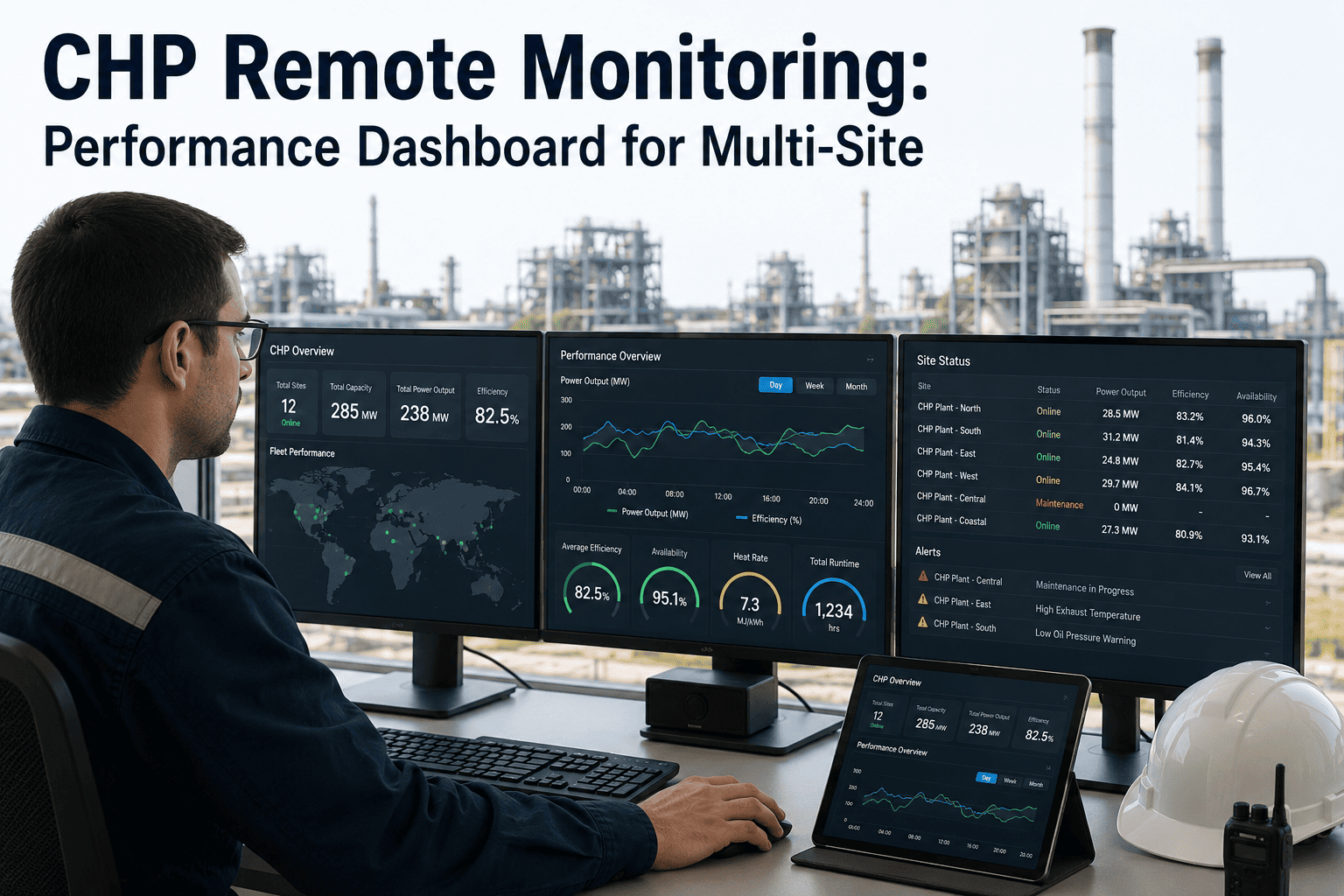
Unify asset monitoring, predictive maintenance, and compliance workflows into one intelligent platform designed for multi-site power generation fleets.
Why AI Fleet Intelligence Is Redefining Multi-Site Power Generation Management
The stewardship of geographically dispersed power generation assets has always been uniquely challenging, but the stakes have never been higher. Modern fleet analytics platforms bridge this critical gap by aggregating data from SCADA systems, vibration sensors, thermal cameras, emissions monitors, and maintenance logs into a single, unified intelligence layer. When fleet operations directors book a demo, the most common discovery is that their generation assets are producing enormous volumes of untapped operational data that, once connected, can prevent catastrophic failures and dramatically reduce unplanned downtime costs.
Fleet-Wide Asset Monitoring
Deploy real-time performance sensors across all generation sites to track heat rate, output efficiency, and equipment health. Receive early degradation alerts before minor process drift becomes catastrophic downtime.
Predictive Maintenance Analytics
Monitor vibration patterns, thermal signatures, and operating parameters across rotating equipment. Predict bearing wear, combustion instability, and turbine blade degradation with machine learning models trained on fleet-wide data.
Emissions Compliance Tracking
Continuously monitor NOx, SOx, CO2, and particulate emissions against regulatory limits. Automate compliance reporting across federal and state requirements for every site in your fleet from a single dashboard.
Cross-Site Benchmarking
Compare performance metrics, maintenance costs, and operational efficiency across all generation sites. Identify top-performing assets and replicate best practices across the entire portfolio.
Building a Unified Analytics Architecture for Multi-Site Fleet Stewardship
A purpose-built fleet analytics platform must address four foundational requirements unique to multi-site power generation: performance monitoring standardization, equipment-specific predictive maintenance, compliance lifecycle management, and long-range capital forecasting aligned with generation asset investment cycles. Operations directors who have already booked a demo consistently report that connecting their fragmented monitoring systems, maintenance logs, and operational data into a unified analytics layer is the single most impactful step in their fleet modernization journey.
| Analytics Module | Primary Function | Application | Quality Benefit | Priority Level |
|---|---|---|---|---|
| Performance Monitoring | Real-time heat rate & efficiency tracking | Gas & Steam Turbines | Early degradation detection | Critical |
| Predictive Maintenance | Vibration & thermal anomaly detection | Rotating Equipment | Reduced unplanned downtime | Critical |
| Compliance Reporting | Regulatory documentation automation | Fleet-Wide Audits | Zero compliance gaps | High |
| Asset Lifecycle Management | Outage & maintenance planning | All Generation Assets | On-budget delivery | High |
| Sustainability Performance | Carbon & efficiency modeling | Fleet-Wide Analytics | Predictable CapEx planning | Standard |
How to Deploy AI Fleet Analytics Across Your Power Generation Portfolio
Deploying a unified fleet analytics platform across multiple generation sites requires a structured approach that respects the unique operational characteristics of each facility while establishing standardized data collection and analysis protocols. Most fleet engineering teams begin with a comprehensive assessment of existing monitoring infrastructure, followed by phased deployment of AI-enabled sensors and analytics modules across the portfolio.
Generation Asset Inventory & Assessment Digitization
Create a comprehensive digital registry of all generation assets, including turbines, generators, HRSGs, cooling towers, and balance-of-plant equipment, mapped against their current monitoring capabilities and data availability.
AI Sensor & Data Integration Deployment
Deploy high-frequency vibration sensors, thermal imaging cameras, and emissions analyzers. Integrate with existing DCS and SCADA systems to create a continuous real-time data stream across all sites.
Fleet Analytics Platform Activation
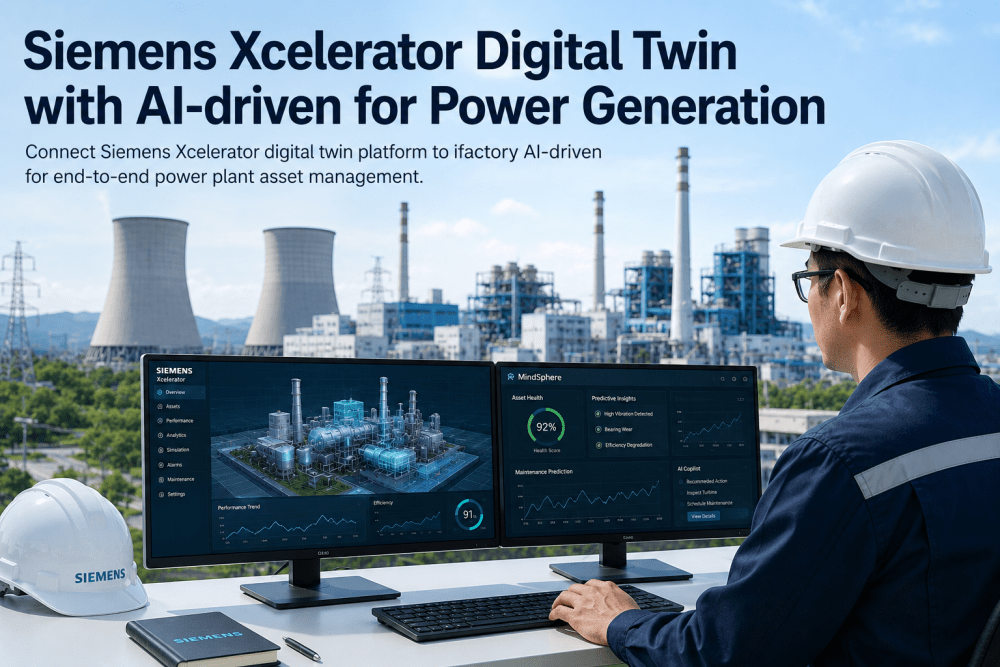
Connect all sensor streams, historian data, and compliance filings to the central analytics platform. Configure role-specific dashboards for fleet directors, plant managers, and maintenance engineers.
Predictive Performance Signature Modeling
Enable AI-driven performance forecasts that automatically identify degradation trends and efficiency drift before they result in forced outages. Prioritize interventions by criticality and cost impact across the fleet.
Long-Range Fleet Capital Planning
Leverage historical performance data to generate 10-, 20-, and 30-year capital investment forecasts. Build defensible budget justifications for major maintenance, upgrades, and asset retirements.
"Before deploying iFactory's fleet analytics platform, we were managing 14 power generation sites across three states with completely disconnected monitoring systems. By unifying our performance data into a single intelligence layer, we have reduced unplanned downtime by 42% and achieved a 28% improvement in cross-site maintenance resource utilization within the first 18 months of operation."
Top Operational Gaps in Multi-Site Power Generation Fleet Management
Most power producers pursuing improvements to their fleet management programs encounter a predictable set of operational and data integration challenges. Understanding these gaps before a platform deployment dramatically improves implementation success and helps fleet managers allocate finite budgets more strategically across complex generation portfolios.
SCADA data, maintenance logs, and emissions reports sit in disconnected systems, making it impossible to track fleet-wide performance trends or correlate operating conditions with asset health outcomes.
Performance data from individual sites is manually aggregated into spreadsheets, creating a data lag of days or weeks before fleet-level trends are visible and actionable.
Most fleet operators lack a unified real-time view of all generation assets, leaving critical performance degradation undetected until it produces alarms at the individual site level.
Without predictive AI, maintenance interventions are triggered only after equipment failure, a reactive posture that results in higher repair costs and longer forced outages.
Emissions and safety compliance documentation is often managed manually, creating gaps that can result in regulatory penalties and lost certification standing.
Integrating modern analytics platforms with legacy DCS and PLC systems without a unified integration framework creates technical debt and risks operational continuity.
Closing these gaps requires more than off-the-shelf monitoring software. It demands a purpose-built platform designed for the complexity of multi-site power generation. Fleet directors regularly book a demo to benchmark their current gaps against a proven fleet analytics architecture.
Integrating AI Analytics Into Legacy Power Generation Infrastructure
One of the most technically demanding aspects of fleet-wide analytics deployment is the responsible integration of modern digital systems into protected industrial generation infrastructure. Legacy DCS platforms, turbine control systems, and emissions monitoring equipment must all be connected without disrupting existing operations. A robust fleet analytics platform supports this process by maintaining detailed documentation of every system interface, data mapping, and integration point, creating a complete digital record that satisfies NERC CIP requirements and supports future technology roadmaps. Engineering teams that book a demo early in their integration planning consistently achieve faster deployment timelines and lower integration risk.
Key Fleet Analytics Capabilities for Modern Power Generators
Maintain continuous performance records for all generation assets with automated degradation alerts linked to real-time sensor data across every site in the portfolio.
Centralize vibration analysis, thermal imaging, and operating parameter trends to predict equipment failures before they occur, shifting from reactive to predictive maintenance.
Automate EPA, NERC, and ISO compliance documentation with audit-ready reporting for every generation site, eliminating manual filing burdens and reducing penalty exposure.
Automatically generate sustainability reports demonstrating measurable decarbonization outcomes aligned with corporate ESG commitments and stakeholder expectations.
Modernize Your Multi-Site Fleet Management Program Today
Deploy a unified analytics platform that integrates real-time monitoring, predictive maintenance, compliance documentation, and cross-site benchmarking, built specifically for multi-site power generation fleets.
Multi-Site Fleet Analytics — Common Questions Answered
Can the platform integrate with different turbine OEMs and control systems?
Yes. The platform provides standard APIs and protocol adapters for all major turbine OEMs including GE, Siemens, Mitsubishi, Ansaldo, and Kawasaki. We support Modbus, OPC-UA, and proprietary data protocols, ensuring seamless integration with your existing control infrastructure regardless of OEM diversity across your fleet.
How does the system handle different fuel types and generation technologies across sites?
The analytics engine is fuel-aware and technology-adaptive. It automatically adjusts its performance models and threshold parameters based on the specific generation technology, whether natural gas combined cycle, coal-fired steam, simple-cycle peakers, or renewable integration assets, ensuring accurate benchmarking across a heterogeneous fleet.
What is the typical reduction in unplanned downtime after deployment?
Fleet clients typically report a 35 to 45 percent reduction in unplanned downtime within the first 12 to 18 months of operation. The majority of savings come from early detection of turbine blade degradation, bearing wear, and combustion instability before these conditions trigger automatic trips or forced outages.
Can the platform support both thermal generation and renewable energy assets?
Absolutely. The platform is designed for hybrid fleet management. It supports thermal assets, including gas, steam, and combined cycle, alongside renewable generation including solar PV, wind farms, and battery storage, providing a unified performance view across your entire generation portfolio.
How long does a typical multi-site deployment take?
Most fleet-wide deployments follow a phased approach. An initial pilot at two to three sites takes 8 to 12 weeks, and full rollout across the remaining fleet typically completes within 6 to 9 months depending on site count, existing data infrastructure, and integration complexity.


.png)