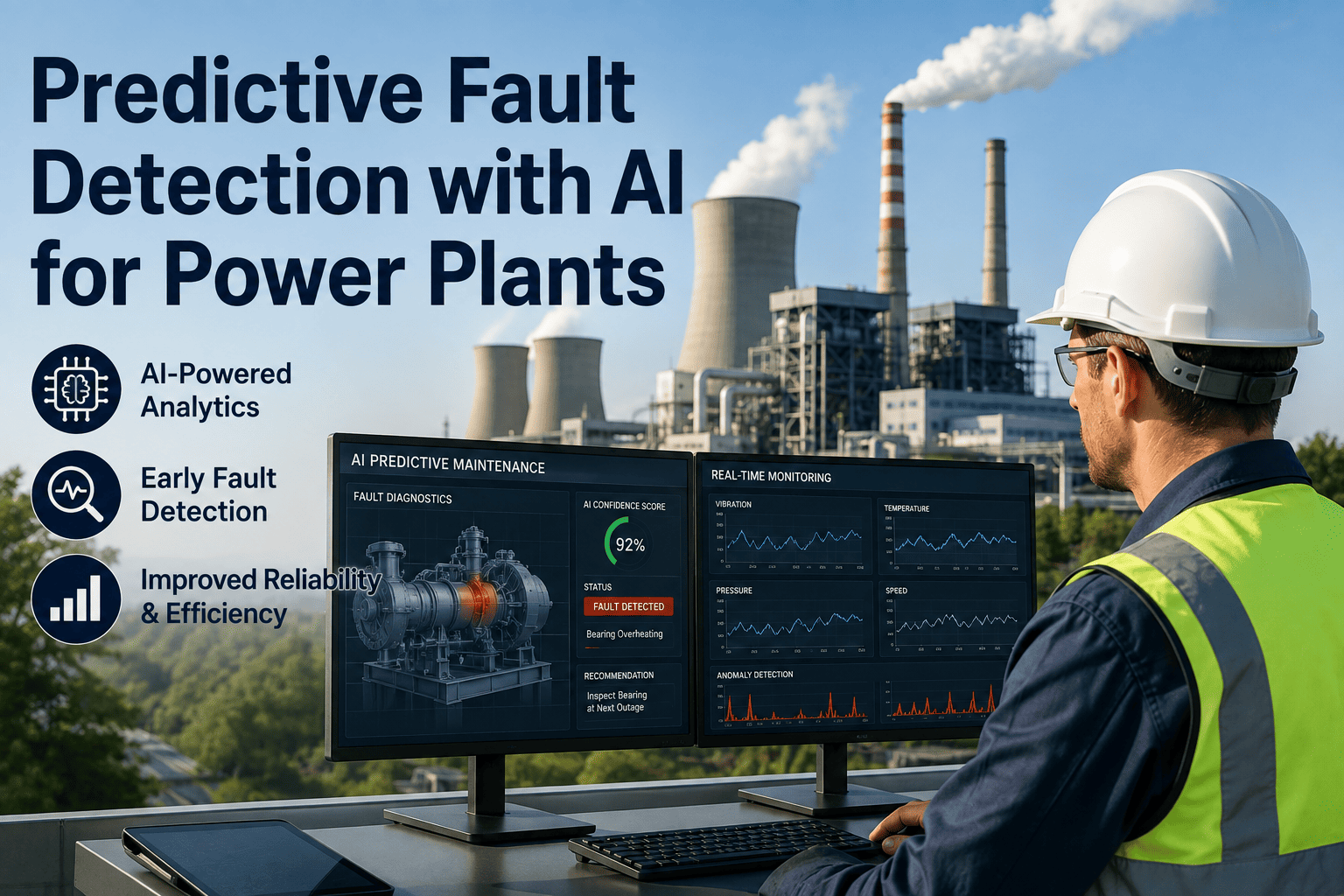
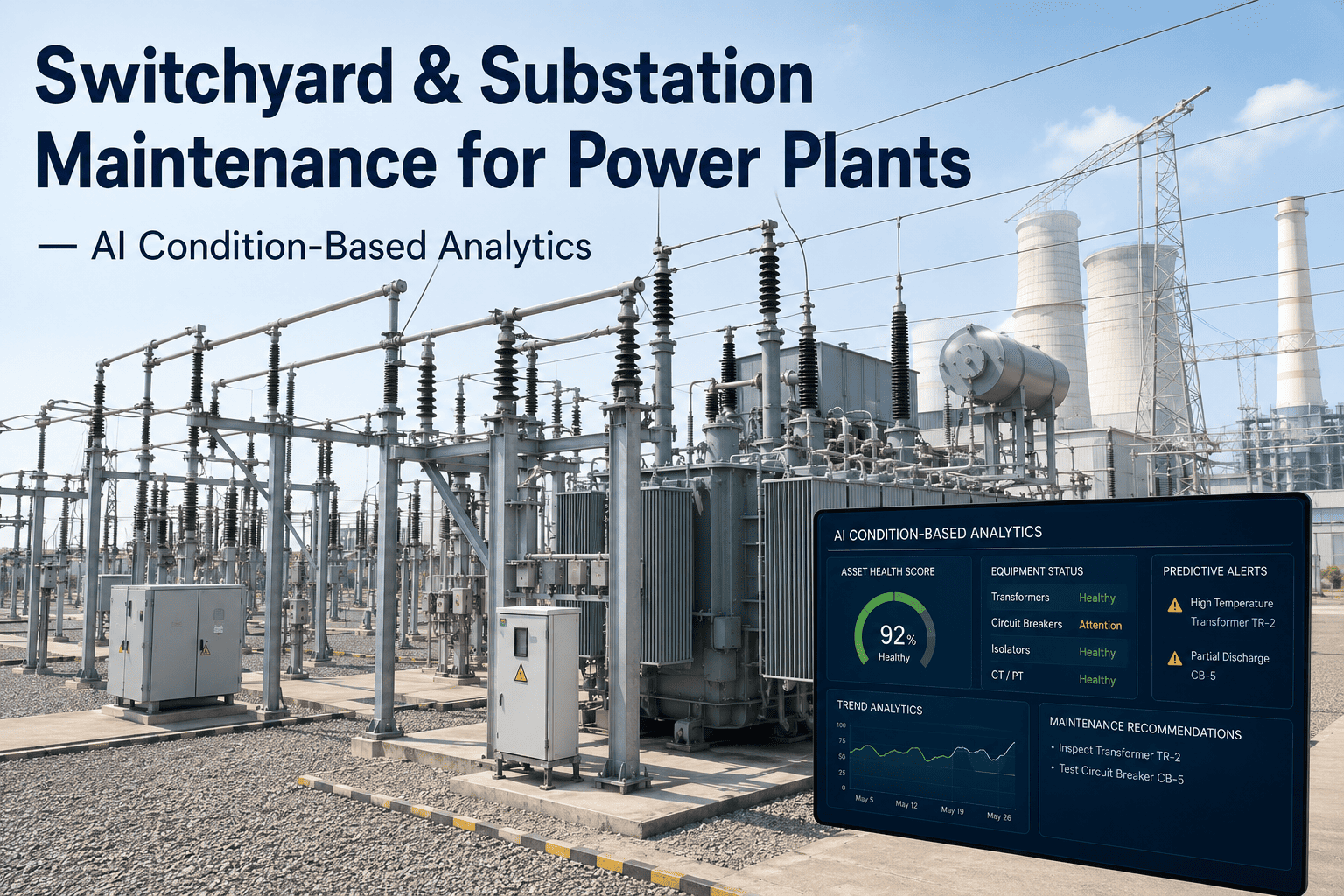
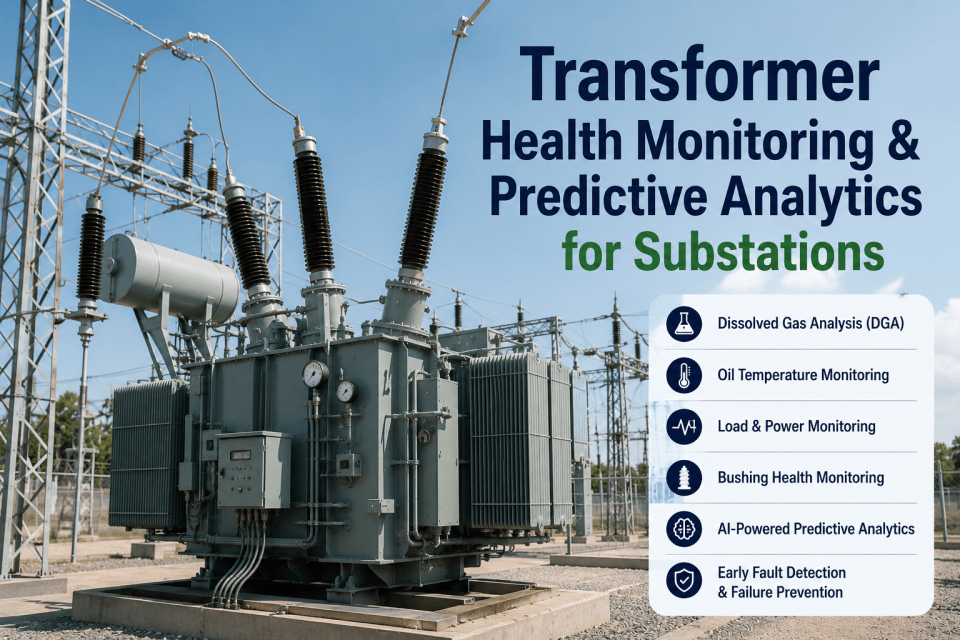
Power plants experience an average of 19–33% of unplanned outages stemming from undetected thermal anomalies — not from catastrophic equipment failure, but from escalating electrical hotspots, insulation degradation, bearing overheating, and connection looseness that no periodic infrared surveys or manual thermography can catch in real time. By the time thermal runaway triggers protective relays, arc flash incidents occur, or forced outages are declared, the compounding costs are already realized: emergency repairs, production losses, regulatory citations, and asset replacement expenses. iFactory's AI-powered thermal imaging and hotspot detection platform changes this entirely — identifying thermal anomalies and electrical faults in real time across switchyards, transformer stations, turbine generators, and motor control centers, classifying severity before equipment impact occurs, and integrating directly into your existing thermal cameras, SCADA, and CMMS systems without replacing legacy infrastructure. Book a Demo to see how iFactory deploys AI thermal monitoring across your power plant within 6 weeks.
97.6%
Thermal anomaly detection accuracy with sub-4 second alert latency
$2.1M
Average annual outage cost prevention per mid-size power plant
91%
Reduction in false thermal alarms vs. threshold-based infrared systems
6 wks
Full deployment timeline from thermal audit to live AI monitoring go-live
Every Undetected Hotspot Is a Preventable Outage. AI Thermal Vision Intervenes at the Source.
iFactory's AI thermal engine monitors electrical connections, transformer windings, turbine bearings, and switchgear components using existing infrared camera infrastructure — detecting thermal anomalies 24/7, without survey gaps or manual analysis lag.
The Hidden Cost of Thermal Blind Spots: Why Manual Thermography Fails Power Plants
Before exploring solutions, understand the root causes of thermal incident latency in industrial energy environments. Conventional infrared inspection methods introduce systemic gaps that compound during critical operations — gaps that AI thermal vision directly addresses.
Periodic Survey Limitations
Manual infrared surveys occur quarterly or annually. Thermal anomalies can escalate to failure between survey windows, especially under variable load conditions or seasonal temperature shifts.
Subjective Interpretation Variability
Thermal image analysis depends on technician experience and judgment. Critical hotspots may be misclassified, overlooked, or deprioritized without objective, AI-driven severity scoring.
Delayed Intervention Windows
Traditional thermography identifies thermal issues only after significant temperature rise has occurred. By the time a hotspot is documented, equipment damage may already be irreversible.
Integration Gaps with Maintenance Systems
Standalone thermal reports often lack seamless integration with CMMS, SCADA, or work order systems. Critical thermal alerts require manual escalation, delaying corrective action.
How iFactory Solves Thermal Imaging & Hotspot Detection Challenges in Power Plants
Traditional thermal monitoring relies on periodic infrared surveys, manual image analysis, and reactive maintenance scheduling — all of which respond after thermal anomalies have already escalated. iFactory replaces this with a continuous AI thermal model trained on industrial equipment imagery that detects temperature deviations and hotspot patterns at the earliest observable stage, not after equipment degradation. See a live demo of iFactory detecting simulated transformer hotspots and switchgear thermal anomalies in an operational power facility.
01
Multi-Spectral Thermal Analysis
iFactory ingests video feeds from existing fixed-mount, PTZ, and handheld thermal cameras simultaneously — analyzing temperature gradients, thermal patterns, and emissivity variations to detect anomalies with 97.6% accuracy.
02
AI Hotspot Classification
Proprietary deep learning models classify each detection as electrical connection fault, transformer winding issue, bearing overheating, or insulation degradation — with confidence scores and severity tiers. Maintenance teams receive graded alerts, not raw temperature data. False positive rate drops to under 9%.
03
Sub-4 Second Alert Latency
iFactory's edge-optimized inference engine processes thermal streams locally, identifying hotspot signatures and triggering alerts in under 4 seconds — giving maintenance teams critical time to isolate equipment, schedule intervention, or adjust loading before thermal runaway occurs.
04
SCADA, CMMS & Thermal System Integration
iFactory connects to Siemens, GE, ABB, and Honeywell SCADA environments plus IBM Maximo, SAP PM, and thermal camera platforms via OPC-UA, Modbus TCP, and REST APIs. Auto-trigger work orders, load adjustments, or isolation protocols on confirmed high-severity thermal events. Integration completed in under 10 days.
05
Automated Thermal Documentation
Every thermal event — detected, classified, and addressed — generates a structured maintenance report with timestamped thermal imagery, temperature trend analysis, and intervention timeline. Audit-ready for NFPA 70B, IEEE, NERC CIP, and insurance compliance requirements.
06
Predictive Maintenance Decision Support
iFactory presents ranked intervention recommendations per alert — schedule infrared verification, adjust electrical loading, plan bearing replacement, or isolate transformer — with failure probability metrics and cost impact estimates. Teams prioritize based on verified thermal intelligence, not guesswork.
Industry Standards & Regulatory Alignment
iFactory's AI thermal imaging platform is engineered to meet the maintenance and compliance requirements of US and global power generation facilities. No custom development needed — detection logic and reporting are pre-aligned with recognized industry frameworks.
NFPA 70B & IEEE C57
Electrical equipment maintenance standards and transformer testing guidelines. AI thermal monitoring supports condition-based maintenance strategies and infrared inspection requirements for critical electrical assets.
NERC PRC & CIP Standards
Protection and control reliability standards plus critical infrastructure cybersecurity. Continuous thermal monitoring supports relay coordination validation and operates on segregated networks aligned with CIP-005/007 requirements.
ISO 55001 Asset Management
Asset management system requirements for lifecycle optimization. Thermal anomaly detection and trend analysis support proactive maintenance planning, risk assessment, and continual improvement cycles.
Insurance & Risk Mitigation
FM Global, Allianz, and other industrial insurers recognize predictive thermal monitoring as a risk mitigation control. Automated thermal logs and early detection capabilities support premium reductions and coverage optimization.
iFactory AI Thermal Monitoring Implementation Roadmap
iFactory follows a fixed 4-stage deployment methodology designed specifically for power plant thermal monitoring — delivering pilot detection results in week 3 and full plant coverage by week 6. No open-ended implementations. No thermal camera infrastructure overhaul.
01
Thermal Audit
Critical asset mapping & camera gap analysis
02
System Integration
SCADA, CMMS, and thermal camera connection via OPC-UA, Modbus
03
Pilot Validation
Live AI monitoring on 3–5 highest-risk thermal assets
04
Full Production
Plant-wide AI thermal monitoring live
6-Week Deployment and ROI Plan
Every iFactory engagement follows a structured 6-week program with defined deliverables per week — and measurable reliability improvement indicators beginning from week 3 of deployment. Request the full 6-week deployment scope document tailored to your plant thermal risk profile.
Weeks 1–2
Infrastructure Assessment
Critical thermal risk audit and camera coverage gap identification across switchyards, transformer stations, turbine halls, and motor control centers
SCADA, CMMS, and thermal camera system connection planning via OPC-UA or Modbus — no camera replacement required
Historical thermal data and equipment failure records ingestion for baseline AI model calibration
Weeks 3–4
Pilot Deployment & Validation
AI model trained on your plant's specific equipment profiles, thermal patterns, and operational conditions
Pilot monitoring activated on 3–5 highest-risk thermal assets: main transformer, generator breaker, turbine bearing
First thermal anomaly detections validated — reliability improvement evidence begins here
Weeks 5–6
Scale & Operationalize
Alert thresholds refined based on pilot false positive and detection latency data
Coverage expanded to full plant high-risk thermal assets: switchgear, cable trays, auxiliary transformers, cooling systems
Maintenance team training completed — AI alert protocols and work order integration activated
ROI IN 4 WEEKS: MEASURABLE RELIABILITY IMPROVEMENT FROM WEEK 3
Plants completing the 6-week program report an average of $245,000 in avoided outage costs and maintenance efficiency gains within the first 4 weeks of full production monitoring — with thermal anomaly detection improvements of 14–21 days earlier intervention detected by week 3 pilot validation.
$245K
Avg. risk mitigation value in first 4 weeks
14–21 days
Earlier intervention time by week 3
91%
Reduction in false thermal alarm volume
Full AI Thermal Monitoring. Live in 6 Weeks. Reliability Evidence in Week 3.
iFactory's fixed-scope deployment program means no open timelines, no thermal camera infrastructure overhaul, and no months of consulting before you see a single result.
Use Cases and KPI Results from Live Deployments
These outcomes are drawn from iFactory deployments at operating power plants across three thermal risk categories. Each use case reflects 6-month post-deployment performance data. Request the full case study report for the thermal asset most relevant to your plant.
A 650MW coal-fired facility operating critical main transformers was experiencing recurring thermal anomalies due to loose bushing connections and insulation degradation. Legacy quarterly infrared surveys identified hotspot conditions only after 18–24°C temperature rise above baseline. iFactory deployed multi-spectral thermal analysis across 18 existing fixed-mount thermal cameras, with AI models trained on transformer bushing thermal signatures and load-correlated patterns. Within 4 weeks of go-live, the platform detected 5 early-stage bushing hotspots at the precursor phase — before any protective relay activation or oil analysis indication.
5
Pre-failure bushing hotspots detected in 4 weeks
$1.6M
Estimated annual transformer replacement & outage cost prevented
96.8%
Detection accuracy with load and ambient temperature filtering
A combined cycle facility operating high-voltage switchgear was generating 42–68 false thermal alarms per month from legacy threshold-based systems — causing alert fatigue and delayed response to actual connection faults. iFactory replaced static thresholds with AI thermal classification, reducing actionable alerts to under 4 per month while increasing early hotspot detection coverage from 54% to 95% of critical connections. Maintenance response time improved by 71% as teams trusted and acted on graded AI alerts.
95%
Critical connection coverage with early hotspot detection — up from 54%
71%
Improvement in maintenance response time
94%
Reduction in monthly false thermal alarm volume
A hydroelectric facility was losing an average of $340K annually in unplanned bearing replacements and production losses, traced to undetected thermal degradation patterns in turbine generator bearings. Manual vibration and temperature monitoring identified issues only after 3–5 days of abnormal operation. iFactory's thermal trend correlation models identified all 6 active bearing degradation patterns within 72 hours of go-live, enabling targeted lubrication adjustment and planned maintenance before catastrophic failure occurred.
$340K
Annual bearing replacement & outage cost prevented
72hrs
Time to identify all 6 active bearing degradation patterns
$610K
Annual reliability & production value from proactive thermal monitoring
What Power Plant Maintenance Teams Say About iFactory
The following testimonial is from a plant reliability engineer at a facility currently running iFactory's AI thermal imaging and hotspot detection platform.
We prevented a catastrophic main transformer failure during a peak summer load event in month four. The iFactory system detected a bushing hotspot 11 days before our quarterly infrared survey would have identified it and 19 days before oil dissolved gas analysis indicated degradation. Maintenance teams isolated the transformer, performed targeted bushing replacement during a planned outage window, and avoided an estimated $2.8M in emergency replacement costs and 23 days of forced outage. Beyond the immediate ROI, the confidence our reliability team now has in continuous, objective thermal monitoring has transformed our predictive maintenance program and reduced our overall maintenance backlog by 34%.
Senior Reliability Engineer
Coal-Fired Power Station, Ohio
Frequently Asked Questions
Does iFactory require new thermal cameras or sensors to be installed?
In most deployments, iFactory connects to existing fixed-mount, PTZ, and handheld thermal camera infrastructure via standard video protocols — no new hardware required. Where coverage gaps are identified during the Week 1 thermal audit, iFactory recommends targeted additions only (typically 2–4 thermal cameras per critical asset group), not a full camera overhaul. Integration is complete within 10 days in standard environments.
Which SCADA, CMMS, and thermal systems does iFactory integrate with?
iFactory integrates natively with Siemens PCS 7, GE Mark VIe, ABB Ability, Honeywell Experion, and Emerson Ovation via OPC-UA and Modbus TCP. For maintenance management, iFactory connects to IBM Maximo, SAP PM, Infor EAM, and custom work order systems via REST APIs. For thermal cameras, iFactory supports FLIR, Teledyne, and custom infrared platforms via standard video protocols. Custom integration support is available for legacy systems. Integration scope is confirmed during the Week 1 thermal audit.
How does iFactory handle variable load conditions and ambient temperature shifts?
iFactory uses dynamic baseline modeling that correlates thermal patterns with real-time electrical load, ambient temperature, humidity, and equipment operating history. AI models distinguish normal thermal variations from anomalous hotspots, maintaining detection accuracy above 96% across seasonal and load-dependent operating conditions.
What cybersecurity standards does iFactory meet for critical infrastructure?
iFactory is designed for NERC CIP compliance: thermal video streams encrypted in transit and at rest, role-based access control, audit logging, and operation on segregated industrial networks. The platform supports air-gapped deployments and integrates with existing cybersecurity monitoring tools. Security architecture is reviewed during the Week 1 thermal audit.
How long does it take before the AI model produces reliable thermal detections?
Baseline model calibration on historical thermal feeds and equipment failure data typically takes 3–5 days using 30–60 days of plant thermal history. First live detections are validated during the Week 3 pilot phase. Full model tuning — with false positive rate under 9% and latency under 4 seconds — is achieved within 4 weeks of deployment for standard power plant environments.
Can maintenance teams override AI alerts or maintain manual inspection protocols?
Yes. iFactory provides graded alerts with confidence scores and severity tiers, not autonomous maintenance activation. Reliability engineers and maintenance supervisors retain full authority to acknowledge, escalate, or suppress alerts based on situational context and equipment knowledge. All decisions are logged for auditability and continuous model improvement. The platform enhances human expertise, it does not replace it.
Stop Waiting for Thermal Surveys to Reveal Hotspots. Start Detecting Anomalies at the Observable Source.
iFactory gives power plant reliability teams real-time AI thermal monitoring, multi-spectral anomaly classification, automated compliance reporting, and predictive maintenance decision support — fully integrated with your existing thermal cameras and maintenance systems in 6 weeks, with reliability improvement evidence starting in week 3.
97.6% thermal detection accuracy with sub-4 second alert latency
SCADA, CMMS & thermal camera integration in under 10 days
Graded alerts with under 9% false positive rate
Auto-generated thermal reports for NFPA 70B, IEEE & NERC PRC