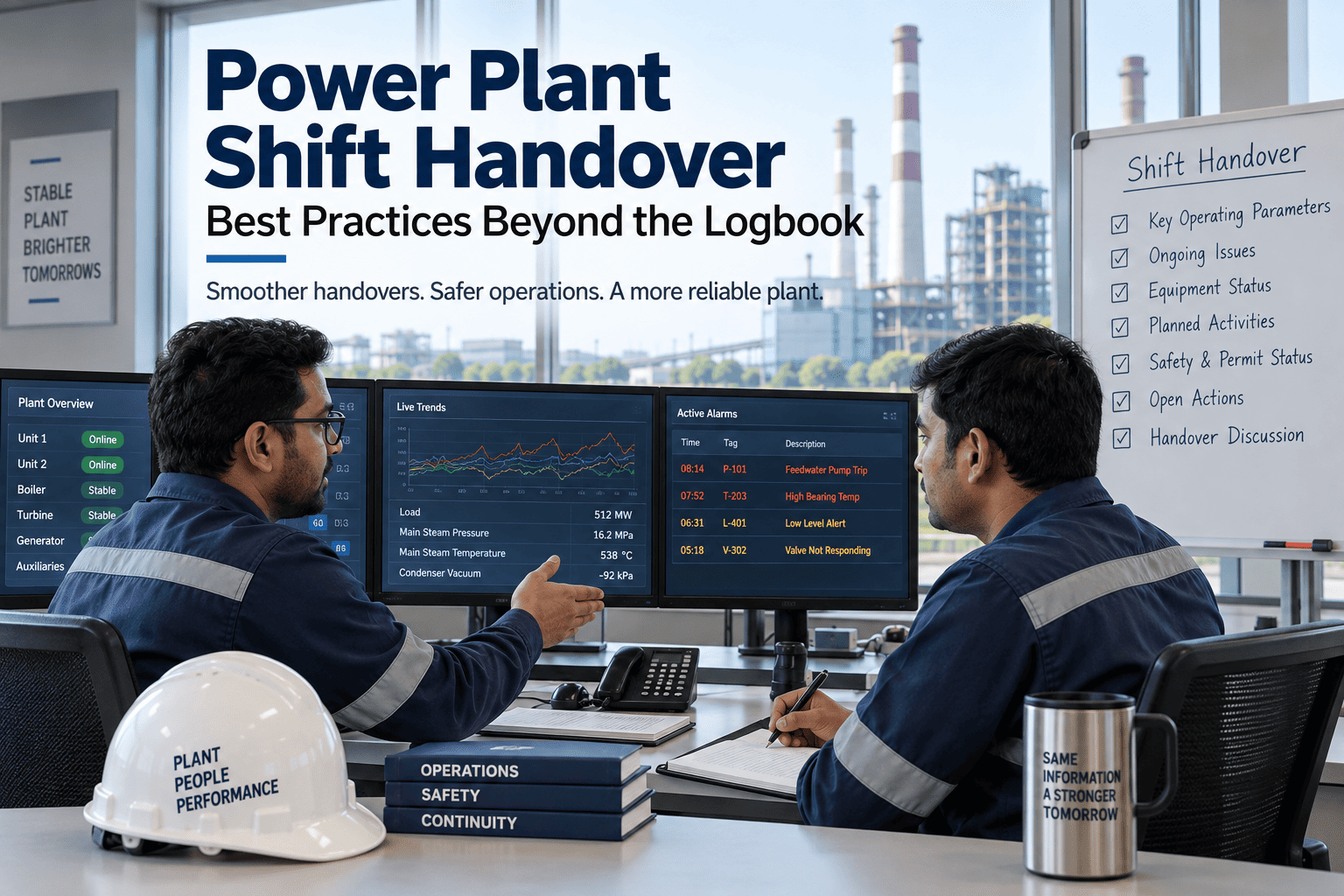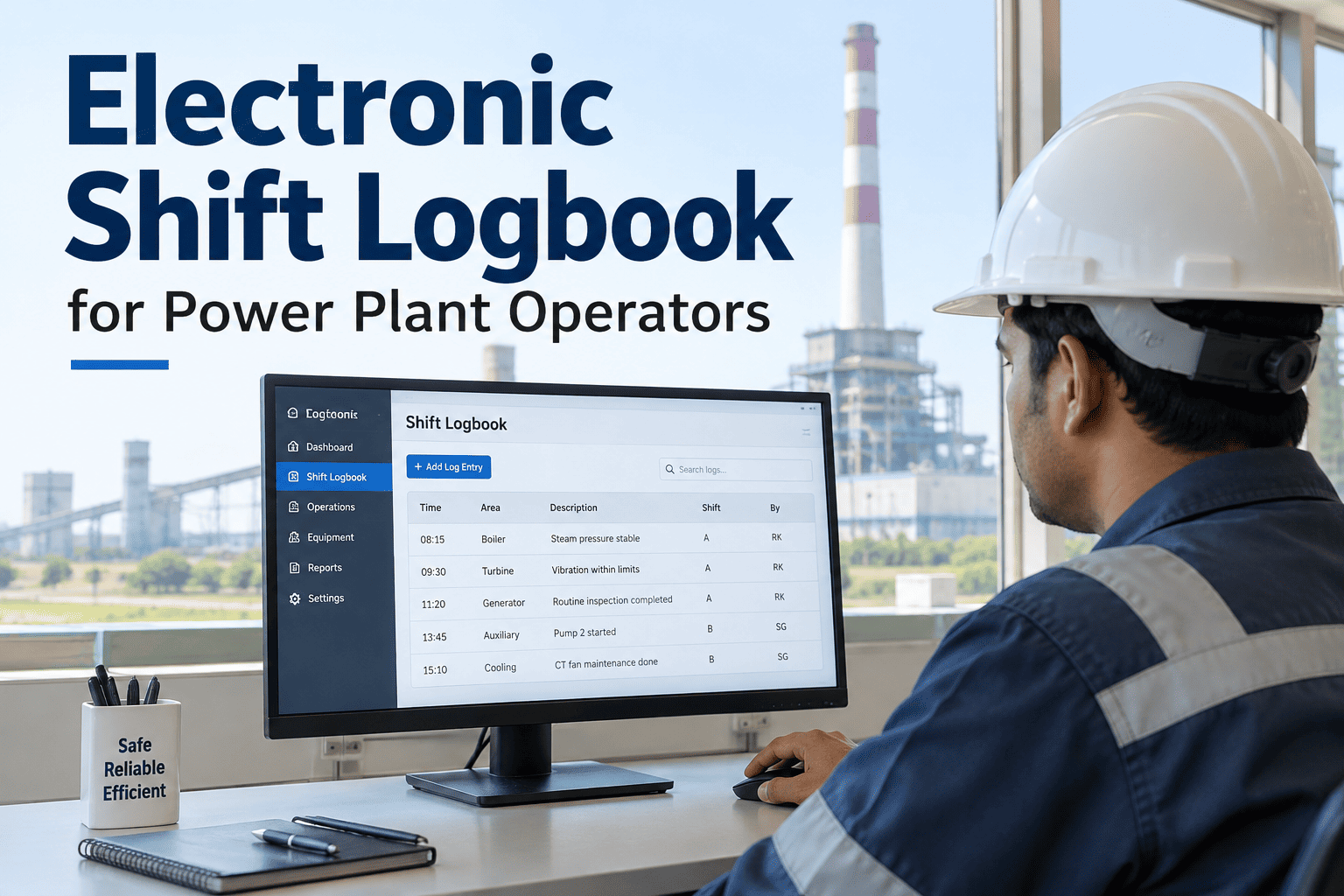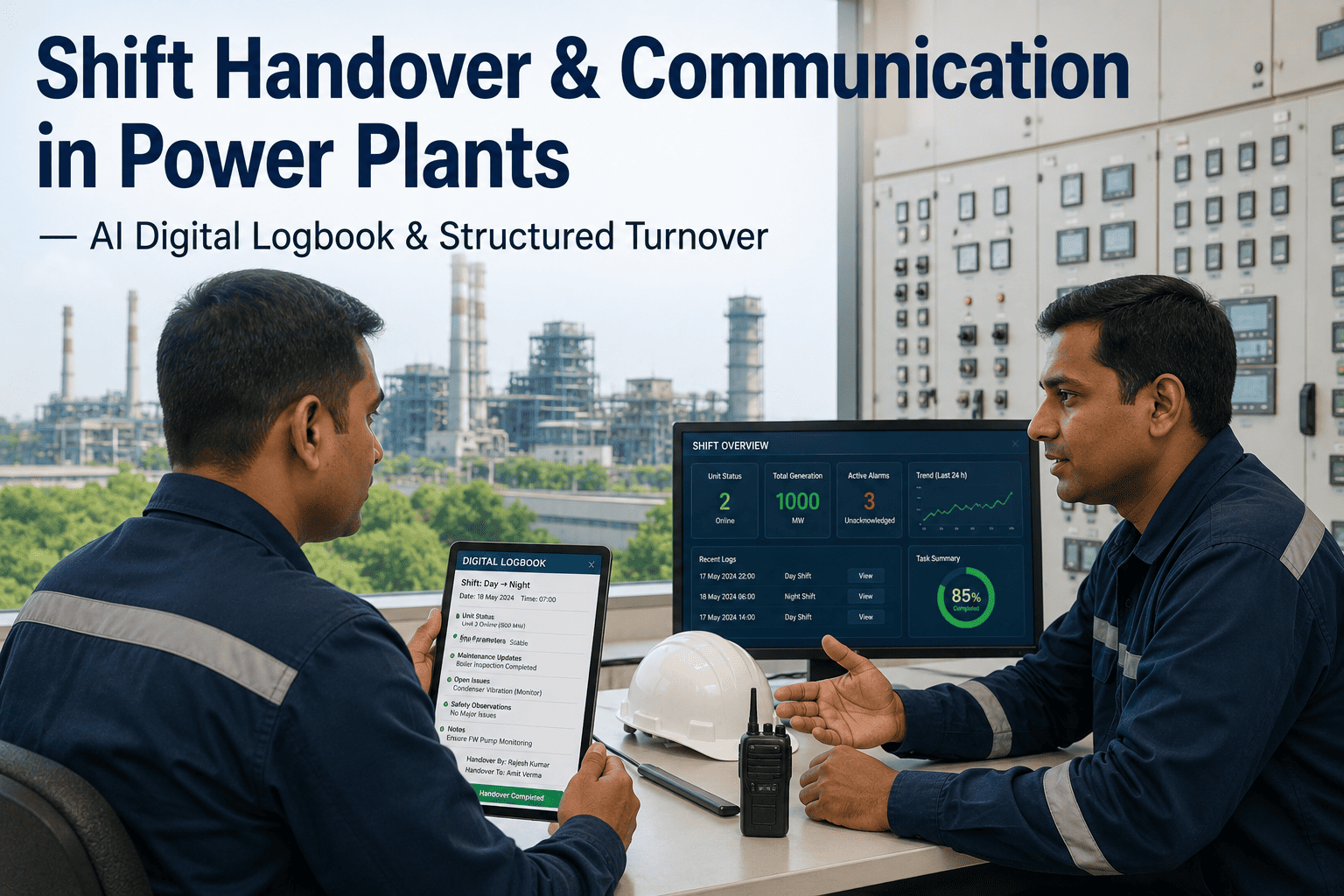
Every plant that runs around-the-clock shifts eventually learns the same lesson the hard way: the moment operational knowledge lives only in one person's head, it has an expiration date measured in hours. Investigators looking back at the Buncefield fuel depot disaster found something that should unsettle anyone running a 24/7 plant on paper logs: the outgoing logbook only captured what the plant looked like at the end of the shift, not what actually happened during it. That gap between "what occurred" and "what got written down" is the same gap that swallows a rough-sounding pump noted verbally at 2 AM, a partially closed isolation valve mentioned in passing at the gate, or a rising vibration trend nobody thought urgent enough to chase down before clocking out. Industry incident data consistently points to shift handover, startup, and shutdown windows as disproportionately dangerous moments precisely because they are when operational context is most likely to be lost between one crew and the next. A digital shift logbook doesn't just digitize the paper — it changes what handover actually is, and iFactory's platform now uses AI to read every entry a shift produces and hand the incoming crew a prioritized summary instead of a stack of notes to sort through cold.
Digital Shift Logbook: AI Handover for Power Plant Operations
Replace the 5-minute verbal briefing and the illegible paper binder with structured entries, AI-generated shift summaries, and mandatory sign-off — so nothing that happened during a shift disappears the moment it ends.
The Handover Chain Has Four Weak Links
A shift handover looks simple from the outside — one crew tells the next crew what happened. In practice it is a chain with several points where information degrades, and every one of those points is worse under paper or verbal-only processes than it needs to be. Digital logging doesn't remove the chain, but it strengthens every link in it.
The temptation when something goes wrong after a bad handover is to blame the individual operator who didn't mention a detail, or the supervisor who ran a rushed briefing at the end of a long shift. That framing misses the actual root cause: the process itself was never designed to reliably carry detailed operational context from one person's memory into another person's awareness in a five-minute window. Fixing that requires changing the structure of the handover, not asking tired people to try harder at a task the format was never built to support.
From Two Dozen Raw Entries to Five Things That Matter
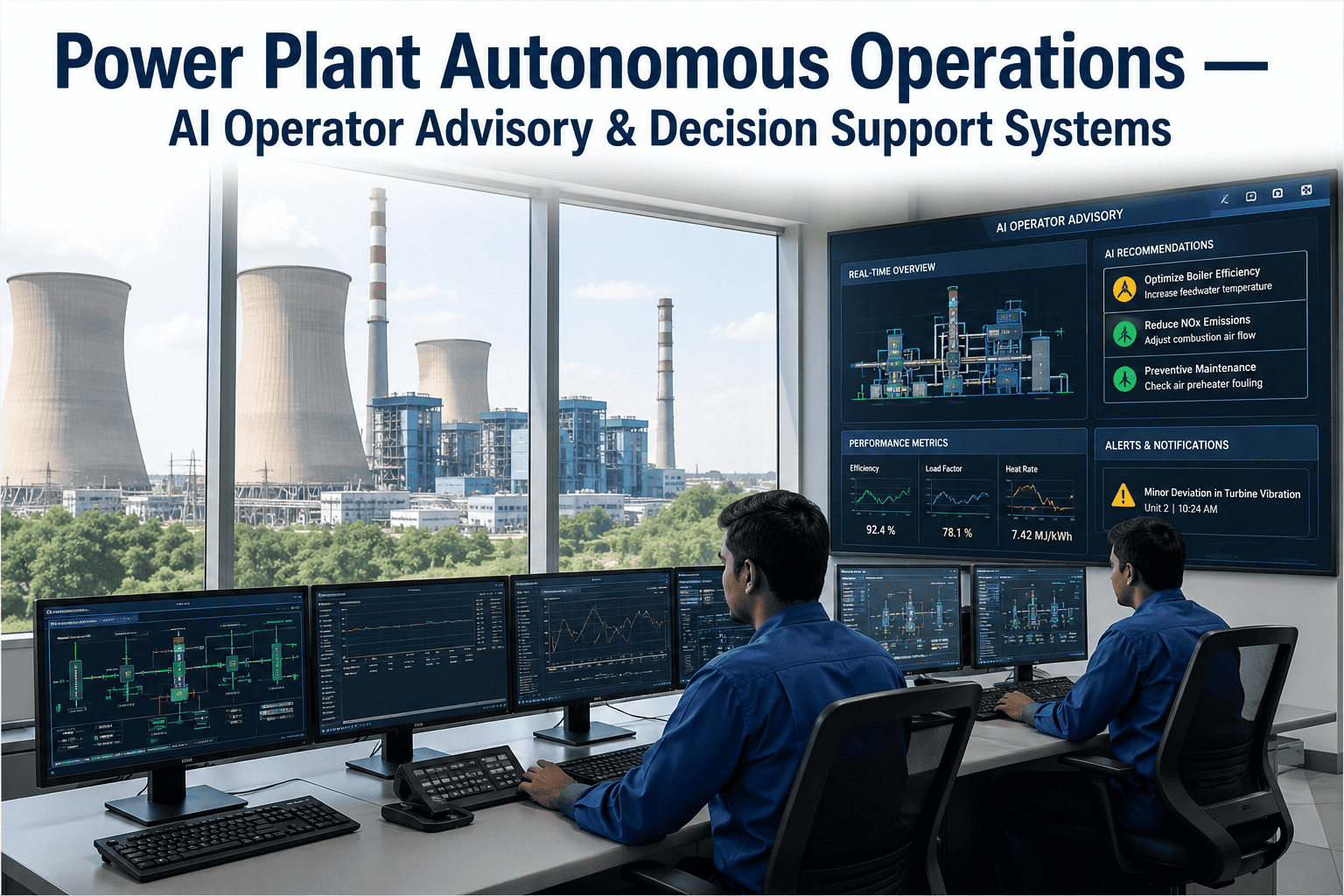
The honest problem with digital logging on its own is that it can just move the paper problem onto a screen — a long scrollable list of entries that an incoming operator still has to read through under time pressure. This is exactly where AI earns its place in the workflow: not replacing the operator's judgment, but doing the first pass of triage across everything logged during the shift so a human reviews a ranked shortlist instead of a raw feed.
Pattern detection across weeks and months is the part individual operators structurally cannot do on their own — nobody working a rotating shift schedule is reading back through six months of a colleague's paper entries looking for a recurring vibration complaint on the same pump. An AI layer reading the full historical log can flag that a "slightly rough" note has now appeared three times in two months on the same asset, well before it becomes a failure.
Tagging entries by type as they're written is what makes this kind of retrospective search possible in the first place. A maintenance-tagged entry, a safety-tagged entry, and a production-tagged entry all get treated differently by the summary engine and by anyone searching the archive later, so a reliability engineer investigating a recurring failure can pull every maintenance-tagged note on a specific asset across an entire year in seconds, instead of paging through binders that may or may not still be on site.
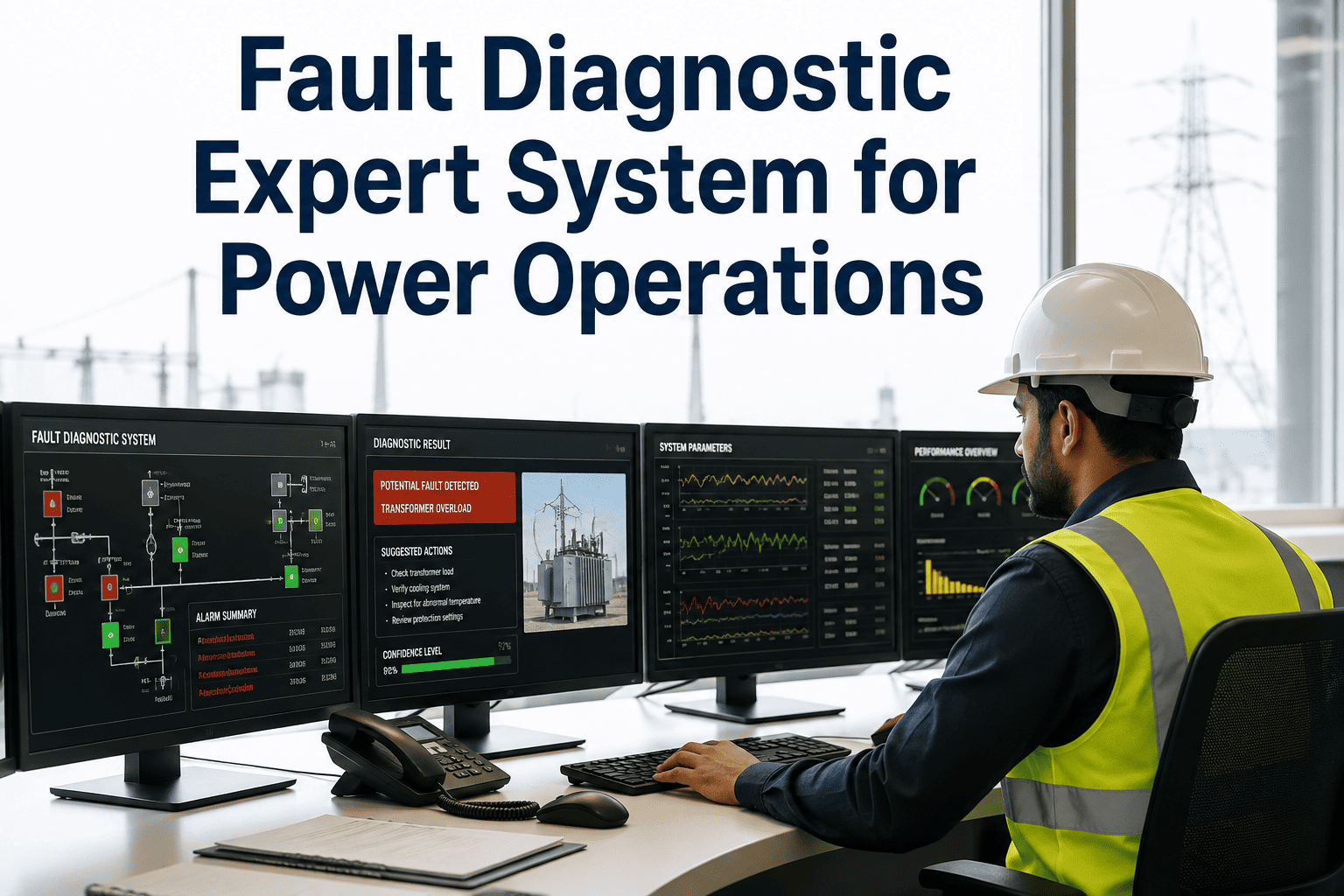
Cross-referencing logged observations against active predictive alerts closes one more gap that pure text summarization can't reach on its own. When an operator's note about unusual noise lines up with a vibration sensor trend already flagging early degradation on the same asset, the system can elevate that combination well above either signal on its own — because a human observation confirming a sensor trend, or a sensor trend confirming a human observation, is a stronger signal than either one in isolation.
What a Complete Handover Record Actually Contains
A structured template matters because it removes the guesswork of what to include and makes the record consistent and auditable shift after shift, regardless of who is writing it. Most of these sections should populate automatically from live system data, leaving only genuine judgment calls — operational notes and safety events — for manual input.
Consistency across shifts matters just as much as consistency within a single shift. A plant running three or four crews on a rotating schedule benefits enormously when every crew fills the same fields in the same order, because it means a supervisor reviewing a week of history isn't mentally translating between four different personal note-taking styles just to compare one shift against another. That comparability is what eventually turns the shift log from a communication tool into a genuine operations analytics dataset.
An Operator's Note Shouldn't Need a Separate System Entry
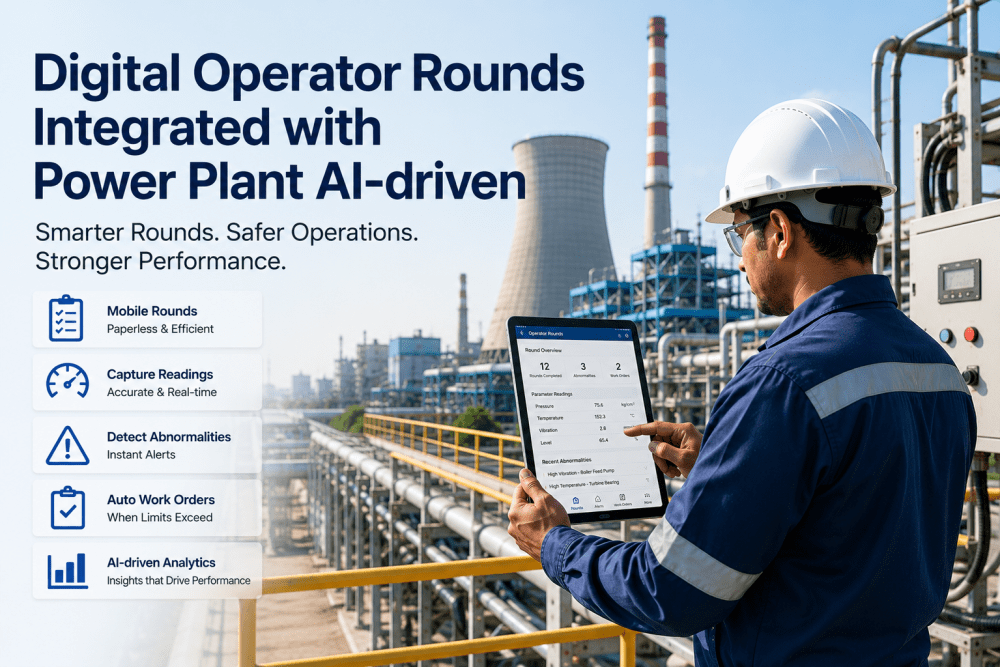
When an operator logs an equipment anomaly, iFactory can convert it directly into a structured work order in the same action — no coordinator bottleneck, no re-typing into a second system before maintenance even sees it.
Handover Isn't Complete Until Someone Signs For It
A verbal briefing has no acknowledgment step — the outgoing supervisor talks, the incoming supervisor nods, and there is no record either way of what was actually understood. Mandatory digital sign-off changes that dynamic completely: the incoming supervisor confirms receipt of each section individually, and the handover record shows exactly what was reviewed and by whom before the previous shift is considered closed out.
This kind of section-by-section acknowledgment also protects the outgoing crew, not just the incoming one. If a piece of information was clearly logged, flagged in the AI summary, and acknowledged by a signature, the record shows the outgoing shift did their part of the job correctly even if the incoming crew later fails to act on it. That clarity matters enormously during an incident investigation, where the difference between "it was never communicated" and "it was communicated and not acted on" changes the entire direction of a root cause analysis.
Metrics That Show Handover Quality Is Actually Improving
A digital shift logbook is only worth the rollout effort if it measurably changes outcomes, not just where the notes are stored. The sites that get the most value out of the system track a small set of indicators before and after go-live, rather than assuming the switch itself is the win.
| Indicator | Paper / Verbal Baseline | After Digital Handover |
|---|---|---|
| Time to acknowledge handover | Untracked, informal | Logged per section, per supervisor |
| Repeat equipment complaints missed | Rediscovered at failure, not before | Flagged by pattern detection across shifts |
| Time from observation to work order | Hours to days, via separate systems | Minutes, converted directly from the log entry |
| Audit record completeness | Gaps, illegible entries, missing signatures | Complete, timestamped, digitally signed |
Time-to-acknowledge is worth watching closely in the first few months after rollout, because it is the clearest early signal of whether incoming crews are actually engaging with the structured summary or just clicking through sign-off as a formality. A consistently fast acknowledgment time paired with a rising count of items flagged and resolved before failure is the strongest evidence that the program has changed behavior, not just changed the storage format.
A Realistic Path From Paper to Digital Handover
Sites that succeed with digital shift logging almost never flip the switch plant-wide on day one. The rollouts that stick follow a phased path that lets operators build trust in the system before it becomes the only record that matters, and that gives supervisors time to see where automated data feeds genuinely reduce manual entry versus where a workflow still needs adjustment.
The payoff compounds well past go-live. Once a full history of digital entries exists, that data becomes something paper never could be: a searchable dataset that reveals recurring equipment issues, seasonal process bottlenecks, and shift-to-shift performance patterns a single supervisor would never have the time or memory to reconstruct from a filing cabinet of old logbooks.
Resistance during rollout is usually less about the technology and more about operators worrying that a permanent, attributable record will be used against them for honest mistakes rather than to help the team. Addressing that concern directly, early, and from leadership — making clear the system exists to close operational gaps, not to build a disciplinary case file — tends to matter more for adoption speed than any feature of the software itself.
"Night Shift" and "Day Shift" Stop Being Two Different Plants
Operators who have lived through a transition from paper to digital logging consistently describe the same before-and-after: previously, if a pump started acting up at 2 AM, the day crew might not learn about it until it actually failed at noon, because the overnight observation never made it past a verbal aside at the gate. A searchable, structured, AI-summarized log closes that gap by design — the incoming crew doesn't have to remember to ask the right question, because the system already surfaces the answer.
This matters just as much for management visibility as it does for operator-to-operator handover. Supervisors overseeing multiple lines, units, or sites can see a live feed of what's happening across every shift simultaneously, instead of waiting for an end-of-week rollup email that was already stale by the time it was compiled. Better internal operational communication has been linked to measurably higher organizational productivity and stronger performance outcomes, and shift handover is one of the highest-frequency, highest-stakes communication events any 24/7 plant runs.
Documentation That Actually Holds Up Under Audit
Regulatory frameworks across process safety, quality, and environmental compliance increasingly expect electronic, attributable, contemporaneous records rather than paper that can be illegible, lost, or backfilled after the fact. A digital shift logbook with timestamped, asset-linked entries and signed acknowledgments produces exactly the kind of documentation trail that audits and incident investigations rely on — turning a routine operational habit into a compliance asset rather than a paperwork burden.
The gap between what a paper system can produce under audit pressure and what a digital system produces without any extra effort is often the deciding factor when a regulator or insurer asks pointed questions after an incident. A binder with gaps, illegible handwriting, and missing initials invites further scrutiny even when the underlying operations were sound, while a complete digital trail lets the investigation focus on the actual event instead of first having to establish what records even exist.
Frequently Asked Questions
Give Every Incoming Crew the Full Picture, Automatically
iFactory's digital shift logbook captures every event as it happens, distills it with AI into what actually matters, and closes the loop with mandatory sign-off — a permanent operational memory your plant has never had before.