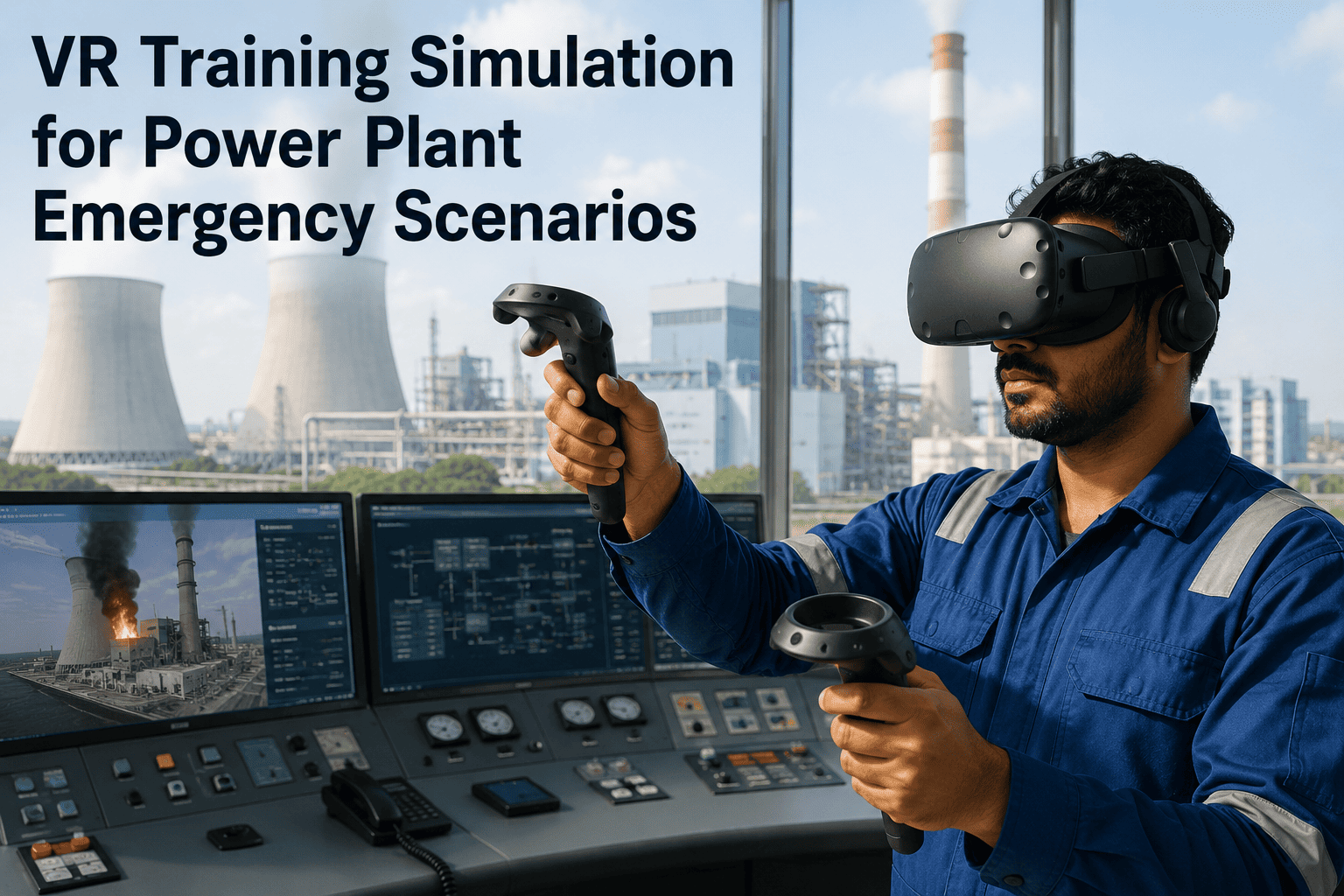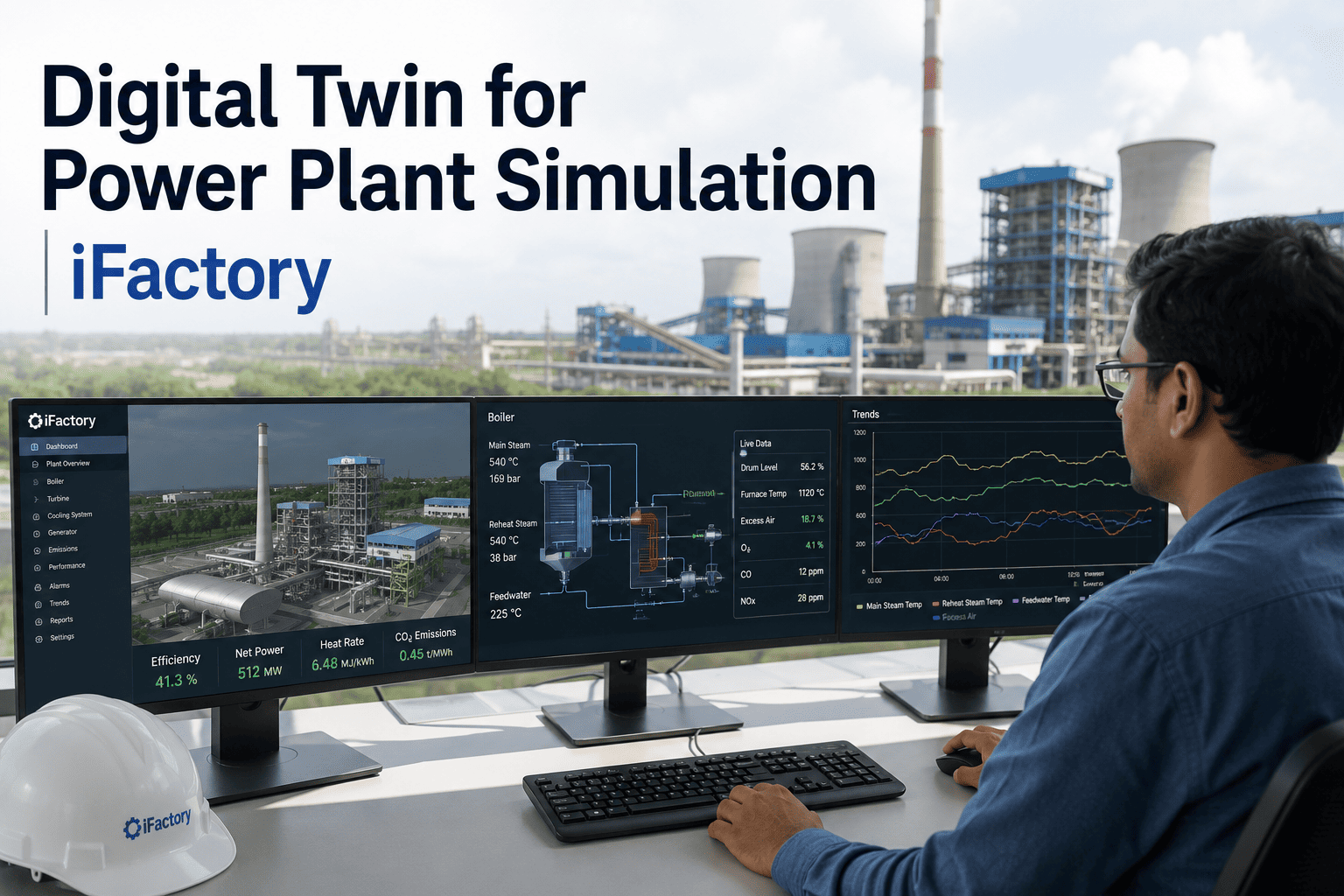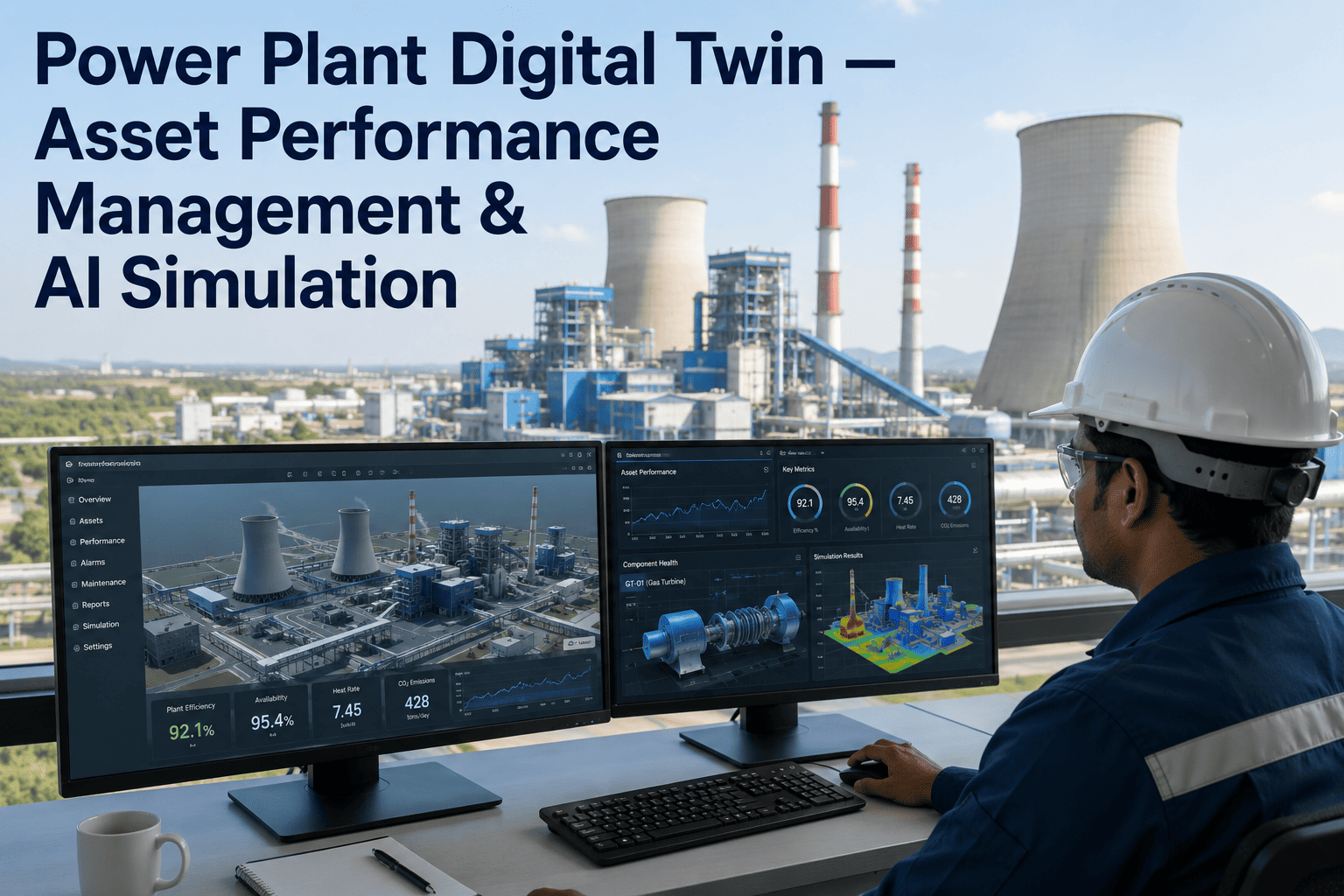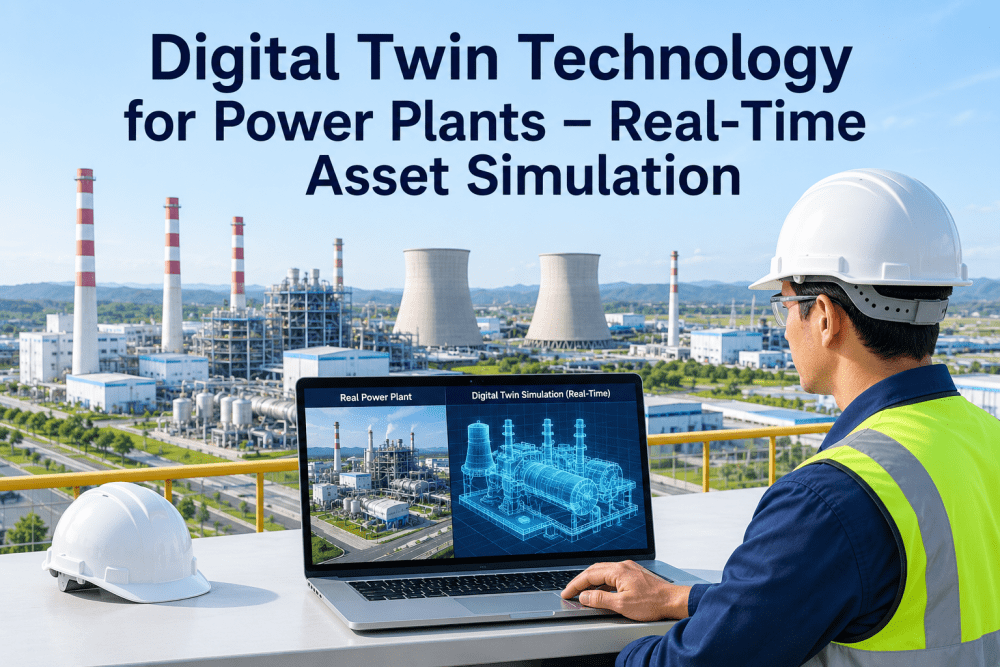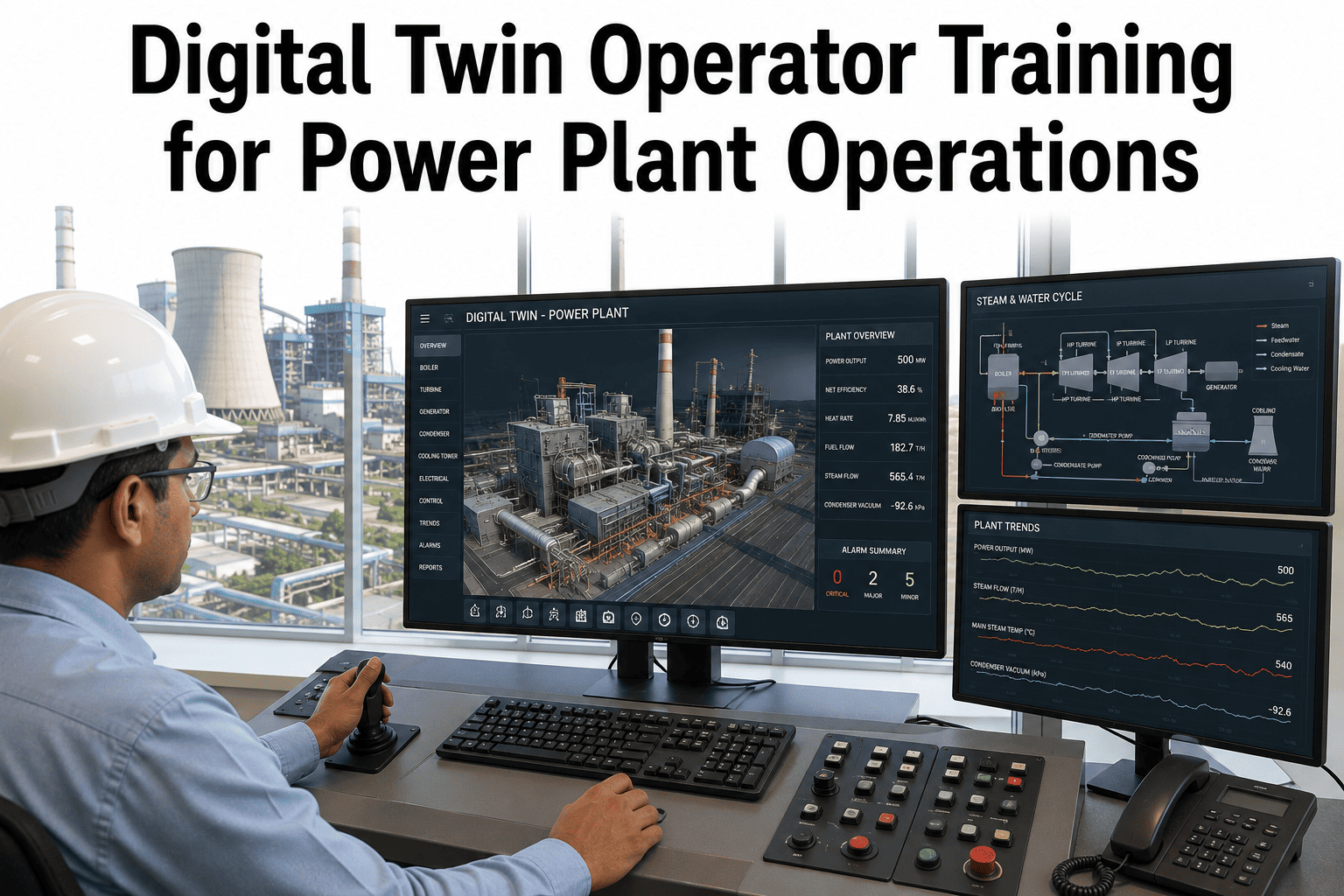
A new control room operator's first real trip event shouldn't be the first time they've ever seen one, but classroom instruction and shadowing an experienced operator can only go so far in preparing someone for a fast-developing abnormal situation, and running training scenarios on the live plant simply isn't an option. Digital twin simulation closes that gap by letting operators work through realistic trip sequences, startup transients, and abnormal conditions in an environment that behaves like the real plant without the real consequences. iFactory builds and maintains the digital twin environment behind this kind of training program, and the approach is worth walking through in a Book a Demo.
Operators Shouldn't Meet Their First Real Trip Event On The Actual Plant
Classroom material and shadowing teach the fundamentals, but abnormal situation management is a skill that has to be practiced under realistic pressure to actually stick. A digital twin gives operators that practice repeatedly, on scenarios that would be far too risky or simply impossible to stage on a live unit.
Classroom Knowledge And Real-Time Response Are Different Skills
Understanding the theory behind a plant trip sequence and being able to respond correctly while it's actually unfolding, with alarms stacking and multiple parameters moving at once, are related but distinct capabilities. Traditional training builds the first well but has limited ways to build the second, since a live plant obviously can't be deliberately pushed into an abnormal condition for practice, and tabletop walkthroughs lack the time pressure and sensory realism that a genuine event carries. That gap tends to show up exactly when it matters most, during an operator's first real exposure to a fast-developing abnormal situation.
No Safe Way To Practice On The Real Plant
Deliberately inducing an abnormal condition on live equipment for training purposes carries obvious risk, which means many scenarios simply never get practiced under realistic conditions before an operator encounters one for real.
Tabletop Walkthroughs Lack Time Pressure
Talking through a response verbally in a classroom setting doesn't replicate the compressed decision window and alarm overload that characterizes a genuine fast-developing abnormal event.
Retiring Operators Take Tacit Knowledge With Them
Experienced operators carry pattern recognition built from years of exposure to real events, and that judgment is difficult to transfer to newer staff through documentation alone.
From Scenario Design To Verified Competency
A digital twin used for training reflects the actual plant's control logic and dynamic response closely enough that an operator's actions and the system's reaction feel consistent with what they'd encounter on the real unit, which is what makes the practice meaningful rather than a generic simulation exercise.
Model The Plant's Actual Dynamic Response
The twin is built from the plant's own control logic and historical response data, so scenario behavior reflects the specific unit operators will actually be working on rather than a generic plant model.
Design Scenarios Around Real Event Patterns
Trip sequences, startup transients, and abnormal conditions are drawn from the plant's own event history and industry-typical failure patterns, prioritizing scenarios most likely to actually occur rather than an arbitrary scenario library.
Run Scenarios Under Realistic Time Pressure
Operators work through the scenario in something close to real time, with alarms, parameter trends, and system response unfolding the way they would during an actual event, rather than a paused, discussion-driven walkthrough.
Score And Verify Competency Over Time
Response time, action sequence, and outcome are tracked per operator across repeated scenario runs, building a competency record that shows demonstrated capability rather than just completed training hours.
What Changes When Training Moves Into A Realistic Simulation Environment
| Aspect | Traditional Training | Digital Twin Training |
|---|---|---|
| Abnormal situation practice | Largely theoretical | Practiced under realistic, repeatable conditions |
| Time pressure realism | Absent in tabletop format | Present, close to real-time response |
| Competency verification | Based on completed hours | Based on measured scenario performance |
| Scenario repeatability | Limited to what's been personally witnessed | Repeatable across the full event library |
Build Abnormal Situation Judgment Before It's Needed For Real
iFactory's digital twin environment lets operators practice trip and transient response repeatedly, safely, and realistically.
A Single Onboarding Session Isn't Enough To Build Lasting Judgment
Scenario-based competency fades without reinforcement, which means a digital twin program delivers the most lasting value when it's structured as an ongoing cadence rather than a one-time onboarding module completed during initial certification. New operators generally benefit from a concentrated block of scenario practice early on to build baseline judgment, followed by periodic refresher sessions that reintroduce less common but higher-consequence scenarios operators might otherwise go years without encountering, keeping that judgment sharp even for events that rarely happen on the actual plant.
Concentrated Onboarding Block
New operators work through a structured sequence of core scenarios early in their tenure to build baseline abnormal situation judgment before taking on independent shift responsibility.
Periodic Refresher Scenarios
Low-frequency, high-consequence events are revisited on a recurring schedule so experienced operators don't lose sharpness on scenarios they may not encounter for real for years at a time.
We had a wave of retirements coming and a group of newer operators who had never actually been in the control room during a real trip event, which was a genuine concern for us. Running them through digital twin scenarios built from our own plant's actual response gave them repeated, realistic practice before they ever needed those instincts for real, and our competency assessments now have measured performance data behind them instead of just a sign-off sheet.
What Plants Report After Adopting Digital Twin Training
Frequently Asked Questions
Q: How closely does the digital twin actually match our plant's real behavior?
The twin is built using your plant's own control logic and historical operating data rather than a generic template, so dynamic response during a modeled scenario reflects how your specific unit actually behaves, which is what makes the training transferable to real operating conditions rather than a purely conceptual exercise. Reach out through Support Contact to discuss what data would be needed to build yours.
Q: What kinds of scenarios can realistically be included?
Trip sequences across major equipment, startup and shutdown transients, and abnormal conditions drawn from your plant's own event history or industry-typical failure patterns can all be modeled, with scenario priority generally set by how likely and how consequential each event type is for your specific configuration.
Q: Can this be used for regulatory or internal competency certification?
Yes, scenario performance data gives a documented, measurable competency record that many plants use to support internal certification requirements, and depending on your regulatory framework, it can also serve as supporting evidence for external qualification programs. Discuss your specific certification requirements during a Book a Demo session.
Q: Does this require dedicated simulator hardware?
Many programs run on standard workstations rather than requiring a full-scope hardware simulator, which makes ongoing scenario practice more accessible for regular training sessions rather than being limited to the occasional scheduled block of time on a dedicated simulator.
Q: How do we keep the twin accurate as the plant itself changes over time?
The twin is updated as control logic changes, equipment is modified, or new operating data becomes available, since a model that drifts from actual plant behavior over time loses training value, so ongoing maintenance of the model is treated as part of the program rather than a one-time build.
Give Your Operators Real Practice Before They Need It For Real
iFactory builds a digital twin training environment matched to your plant's actual behavior.