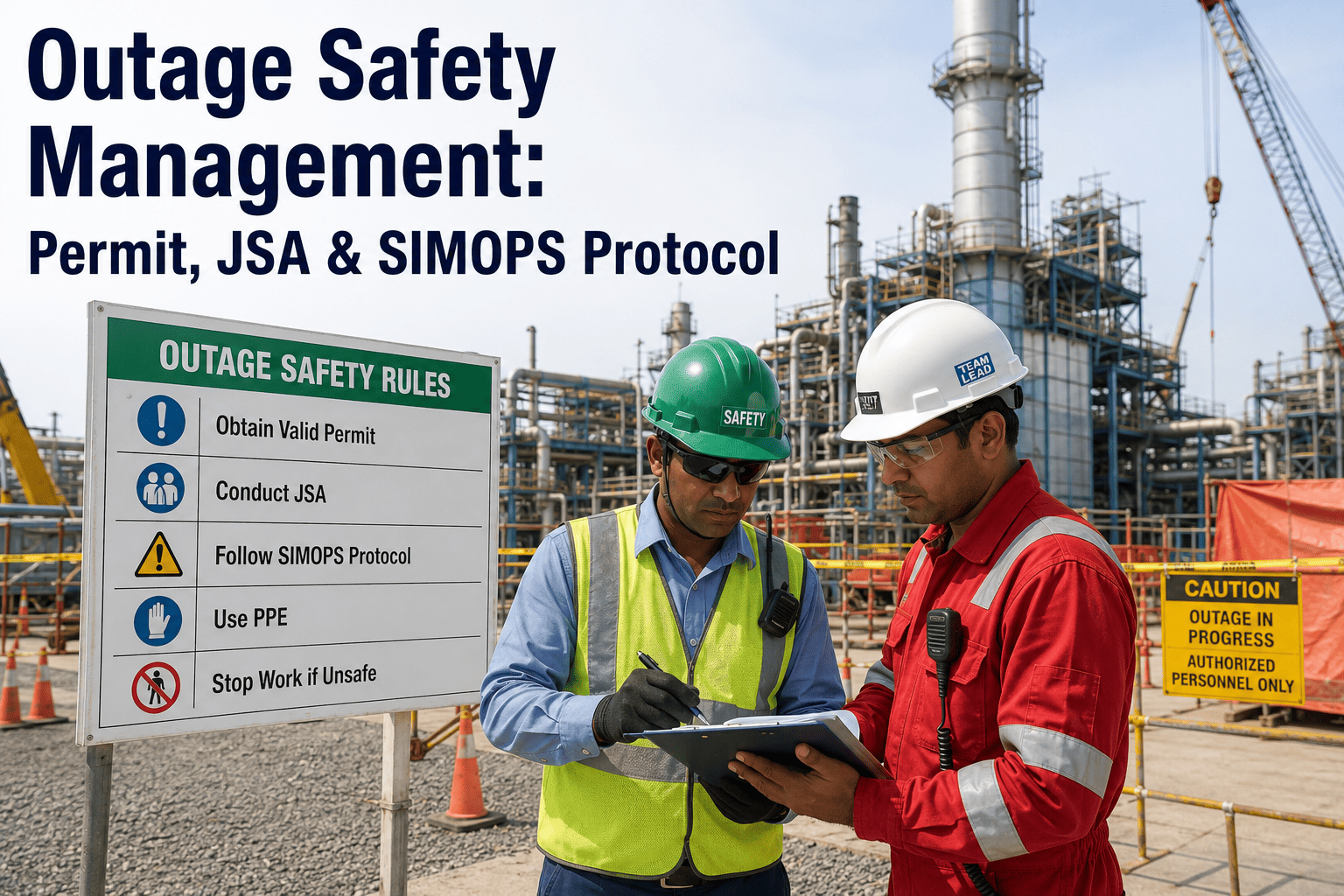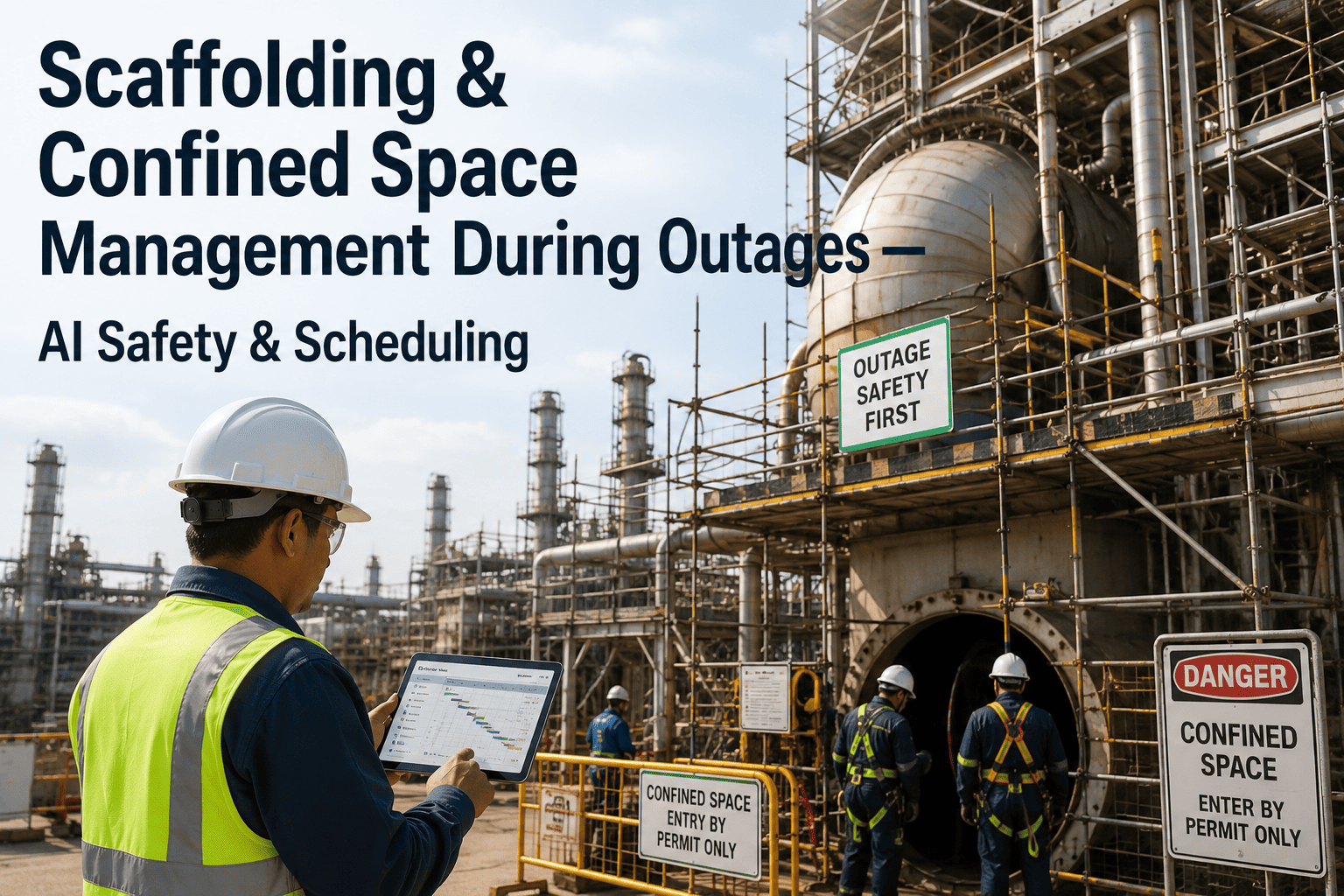
A boiler inspection outage does not begin with the first weld cut — it begins weeks earlier with scaffolding erected around every access point, confined space entry permits issued for drums and headers, and atmospheric testing scheduled before a single technician climbs inside. When these logistics are tracked on paper and coordinated by phone calls between contractors, scaffolders, and safety officers, the result is exactly what most maintenance managers already know from experience: idle craft labor waiting on scaffold access, permits issued late, and scaffolding costs that quietly balloon past $200,000 per boiler inspection cycle. AI-driven outage safety and scheduling coordination closes this gap by linking scaffold demand, access tagging, and confined space permitting into a single enforced workflow. Book a Demo to see how digital coordination keeps your next outage on schedule and under budget.
Coordinate Scaffolding, Access, and Confined Space Permits in One System
iFactory's AI-driven outage coordination platform schedules scaffold erection, gates confined space entry behind atmospheric testing, and tracks cost by contractor in real time.
Why Scaffolding and Confined Space Coordination Breaks Down During Outages
Planned outages compress months of maintenance work into days or weeks, and scaffolding is almost always the critical path constraint no one plans for carefully enough. Scaffold crews build to a rough estimate of what will be needed, inspection teams discover additional access requirements once the boiler is opened, and change orders for extra scaffold sections arrive mid-outage at premium pricing. Confined space entries stack up behind a limited pool of qualified attendants and gas testers, and permits get renewed based on elapsed time rather than actual atmospheric conditions.
The financial and safety consequences compound quickly. Idle craft labor waiting on scaffold access is one of the largest hidden cost drivers in outage execution, and confined space incidents remain among the most severe injury categories in industrial maintenance. Facilities that digitize scaffold demand forecasting and gate confined space entry behind verified atmospheric testing consistently report shorter outage durations and materially fewer safety incidents per outage cycle.
Scaffolding costs for a single boiler inspection cycle average roughly $200,000, and industry data shows a significant share of that spend comes from rework, late change orders, and idle scaffold sections that were erected but never actually accessed.
The Outage Safety Sequence: From Planning to Scaffold Strike
Scaffolding and confined space management follows a defined sequence during any planned outage. The timeline below shows the eight stages that a digitally coordinated outage safety program enforces, from pre-outage planning through final scaffold removal.
Pre-Outage Scaffold Demand Forecasting
Historical scaffold utilization and the current outage work scope are used to forecast required scaffold sections before the outage begins, reducing mid-outage change orders.
Scaffold Erection & Tagging
Scaffold sections are erected against the forecasted plan and tagged with a digital status — erect, inspected, and cleared for use — before any craft is granted access.
Access Authorization
Only workers with valid training and an active work order for that specific scaffold section are authorized for access, tracked digitally at the point of entry.
Confined Space Permit Issuance
Confined space entry permits are generated against the specific vessel or drum, listing required attendants, rescue plan, and communication method before entry is possible.
Atmospheric Testing & Gating
Oxygen, combustible gas, and toxic gas readings are entered directly into the permit system, and entry is digitally blocked if any reading falls outside the safe range.
Work Execution & Continuous Monitoring
Continuous or periodic atmospheric monitoring readings are logged throughout the entry, with automatic alerts if conditions drift toward unsafe levels.
Permit Closeout
Every confined space entry is formally closed with exit confirmation, final atmospheric readings, and any exceptions documented against the permit record.
Scaffold Strike & Cost Reconciliation
Scaffold sections are struck once all linked work orders are complete, with actual utilization reconciled against the original forecast for post-outage cost review.
Six Components of AI-Driven Outage Safety Coordination
Scaffold Demand Forecasting
AI models predict required scaffold sections from the outage work scope and historical utilization data, reducing costly mid-outage change orders and idle capacity.
Predictive PlanningDigital Access Tagging
Every scaffold section carries a digital status tag — erected, inspected, cleared, or restricted — checked automatically against worker credentials before access is granted.
Access ControlConfined Space Atmospheric Integration
Gas detector readings feed directly into the permit record, with entry authorization automatically withheld if any reading falls outside the safe operating range.
Gas MonitoringPermit-to-Work Digital Gating
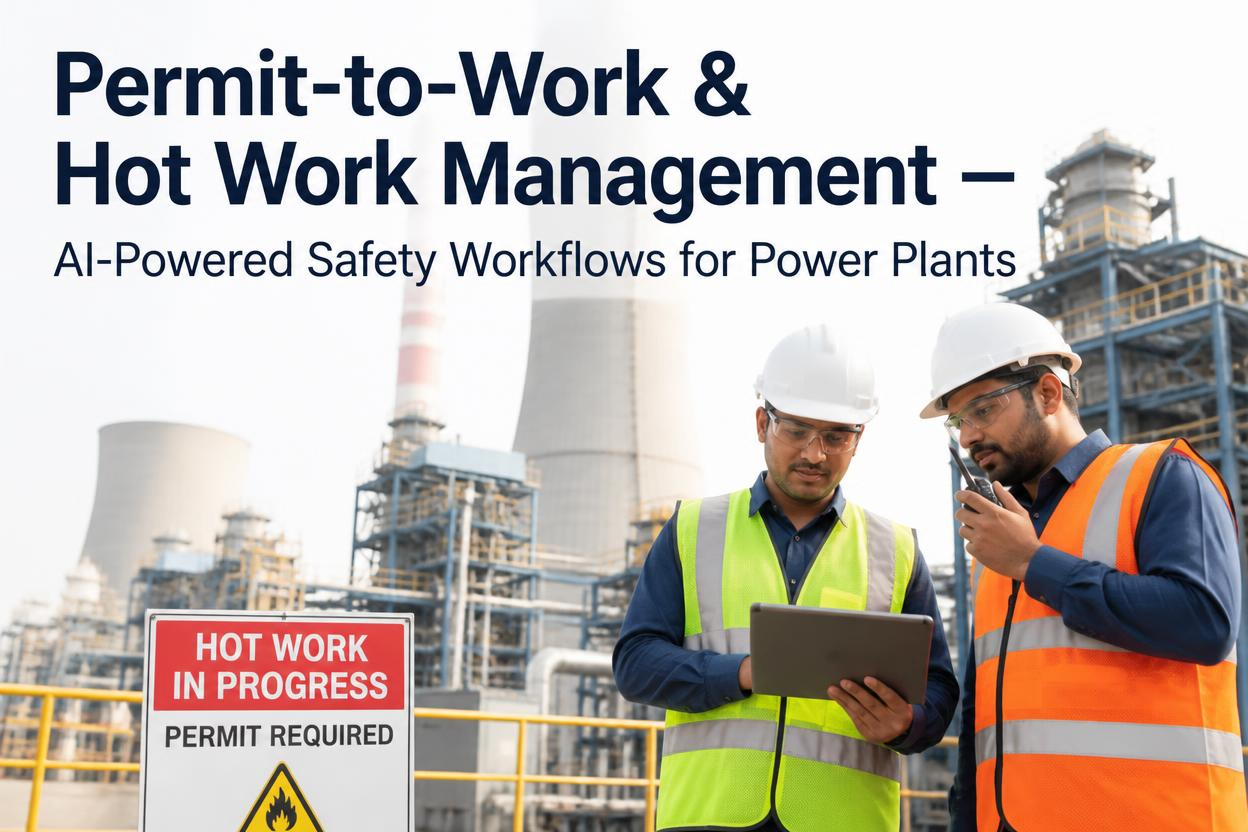
Confined space and hot work permits cannot be issued until all prerequisite scaffold, atmospheric, and training conditions are digitally verified — no manual sign-off shortcuts.
Enforced SequencingContractor Cost Tracking
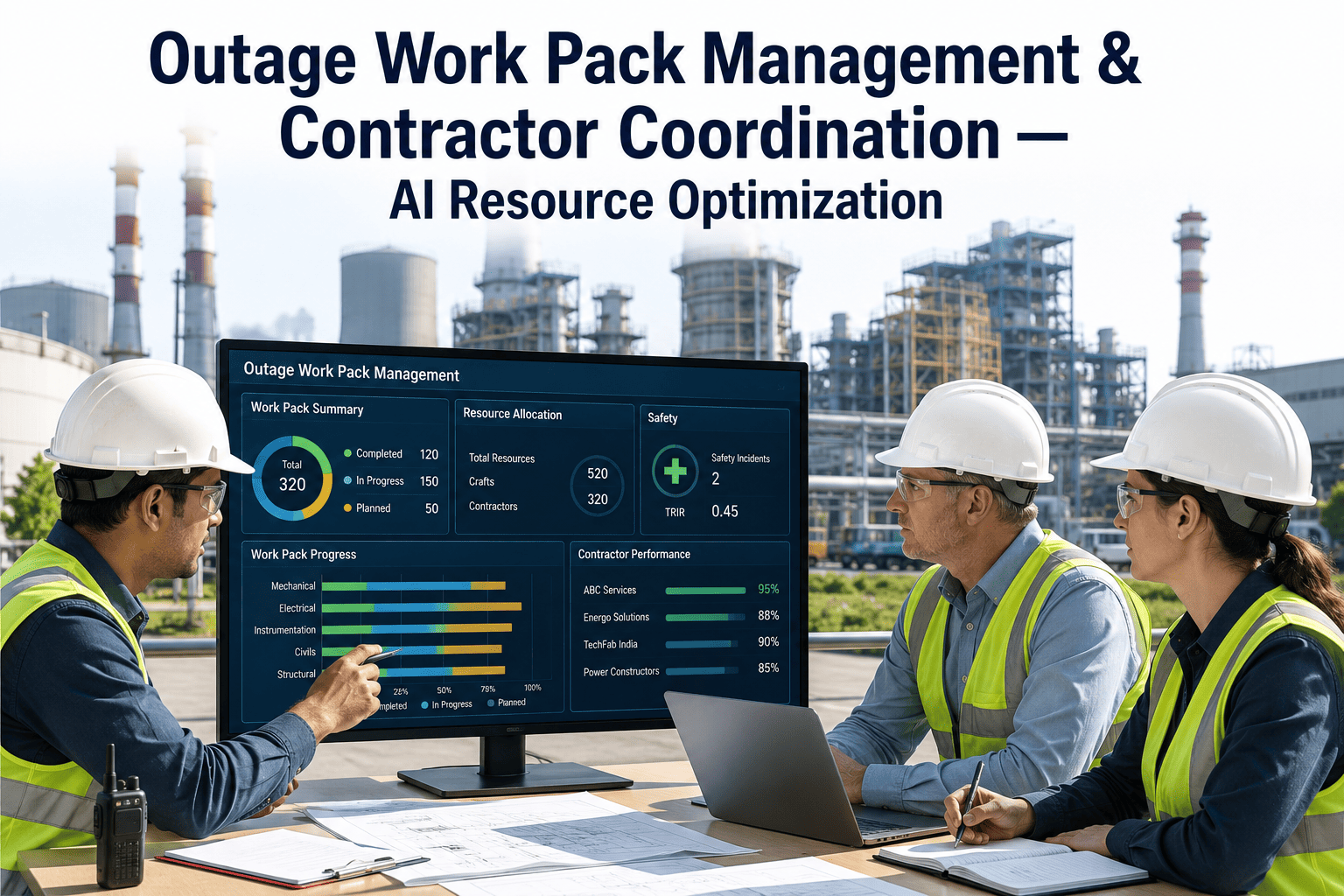
Scaffold section counts, erection dates, and strike dates are tracked per contractor in real time, giving outage managers live visibility into cost against the forecasted budget.
Cost ControlReal-Time Utilization Reporting
Scaffold sections that go unused past a defined threshold are flagged automatically, surfacing over-forecasted areas before they inflate the final outage bill.
Utilization VisibilityOutage Safety Control Table: Stage-by-Stage Requirements
The table below outlines the responsible party, verification method, and documentation requirement for each stage of a digitally coordinated outage scaffold and confined space program.
| Stage | Control Activity | Responsible Party | Verification Method | Documentation Required |
|---|---|---|---|---|
| Pre-Outage Planning | Scaffold demand forecast built from outage work scope and history | Outage Planning Team | Digital forecast review | Scaffold demand plan |
| Scaffold Erection | Scaffold built to plan; tagged with erection date and contractor ID | Scaffold Contractor | Supervisor inspection sign-off | Scaffold tag record with timestamp |
| Access Tagging | Worker credentials matched against active work order for the section | Site Safety Officer | Digital badge scan | Access authorization log |
| Confined Space Entry | Permit issued listing attendants, rescue plan, and communication method | Permit Issuer / QA | Digital permit review | Confined space permit record |
| Atmospheric Testing | Oxygen, combustible, and toxic gas readings entered before entry | Gas Tester / Attendant | Gas meter + digital entry | Atmospheric test result record |
| Work Execution | Continuous or periodic monitoring throughout the entry period | Attendant / Craft Crew | Live monitoring feed | Monitoring log linked to permit |
| Permit Closeout | Exit confirmed; final readings and exceptions documented | Permit Issuer | Digital closeout sign-off | Closed permit record |
| Scaffold Strike | Section struck once linked work orders complete; utilization reconciled | Scaffold Contractor | Utilization reconciliation report | Strike record with cost reconciliation |
AI-Driven Coordination Across Scheduling, Safety, and Cost
Automated Work Order Linkage
Every scaffold section and confined space permit is linked directly to the maintenance work orders that depend on it, so scheduling conflicts surface automatically.
- Cross-referenced with outage schedule
- Conflicts flagged before they cause delays
- Real-time visibility for outage managers
Gated Entry Enforcement
Confined space entry authorization is architecturally impossible to grant until every prerequisite atmospheric and credential check is digitally satisfied.
- No manual override of gas readings
- Attendant and rescue plan required
- Full audit trail per entry
Cost Reconciliation Reporting
Forecasted versus actual scaffold utilization is reconciled automatically at strike, giving outage managers a clear record for post-outage cost review and future forecasting.
- Contractor-by-contractor breakdown
- Idle section identification
- Feeds next outage's forecast model
See Your Next Outage's Scaffold Plan Before It's Erected
Bring your last outage's scaffold and confined space records and iFactory will show you where the change orders and delays actually came from.
Risk Categories Beyond the Cleaning Checklist
Scaffold Access Control
Untagged or partially inspected scaffold sections are a leading cause of fall incidents. Digital tagging ensures only fully inspected and cleared sections are accessible to craft workers.
Confined Space Gas Hazards
Oxygen deficiency and toxic or combustible gas accumulation in drums, headers, and vessels remain among the most severe confined space hazards, requiring continuous gating rather than a one-time check.
Scaffold Overrun and Idle Sections
Sections erected on forecast but never accessed, or extended past their required window, are a major hidden contributor to outage cost overruns that utilization tracking directly addresses.
Critical Path Delay
Late scaffold access or permit issuance on a critical path task can cascade into days of extended outage duration, with direct replacement power and lost generation cost implications.
Frequently Asked Questions: Scaffolding & Confined Space Outage Management
Bring Every Outage In On Time and On Budget
iFactory's AI-driven outage safety coordination platform links scaffold demand forecasting, digital access tagging, and atmospheric-gated confined space permitting into a single enforced workflow — reducing change orders, entry delays, and the idle labor cost that drives most outage overruns. Book a Demo to see how your next boiler inspection outage could run with full scaffold and permit coordination in place.
Every Scaffold Section. Every Permit. One System.
AI-driven scaffold forecasting, gated confined space entry, and real-time contractor cost tracking — built for the outages that can't afford delays.