A compliance officer reviewing last month's permit-to-work records already knows the uncomfortable truth about paper systems: the folder tells you what was authorized an hour ago, not what is happening on the plant floor right now. A hot work permit gets approved in the morning while a confined space entry is issued that afternoon ten feet away, and the only thing standing between those two permits is whether the area authority happened to remember the first one. LOTO violations alone generate thousands of OSHA citations industry-wide every year, and most trace back to a skipped step a paper form had no way to prevent. iFactory keeps the isolation register and every dependent permit live, cross-checked, and enforced in sequence, and you can book a demo to see it run a conflict check against your own current permit board.
COMPLIANCE · PERMIT-TO-WORK · HOT WORK & ISOLATION
A Signature on a Paper Permit Only Proves Someone Signed It — Not That the Isolation Actually Holds
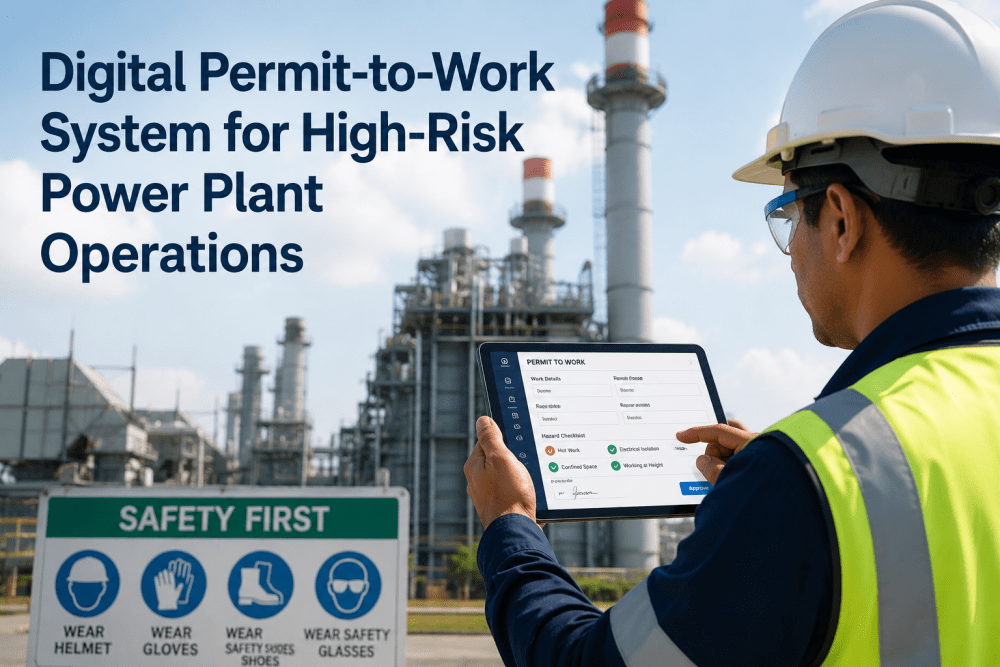
iFactory replaces paper permit boards and lockout logs with a structured digital workflow that enforces isolation sequence, atmospheric monitoring, and rescue readiness before work begins — and keeps every step timestamped for audit.
THE SEVEN-STAGE PERMIT LIFECYCLE
Every Permit Moves Through the Same Stages — Paper Just Can't Enforce Them
A permit-to-work process is only as strong as its weakest stage, and a paper form has no mechanism to stop someone from skipping ahead when time pressure builds during an outage.
WHERE PAPER SYSTEMS ACTUALLY FAIL
The Same Three Failure Points Show Up Across Nearly Every Permit-Related Incident Investigation
Isolation Conflicts
Two permits on shared or adjacent equipment, each authorized without either area authority knowing about the other's isolation state, creating simultaneous hazardous energy exposure.
Shift Handover Gaps
An open permit or active isolation known to the outgoing shift gets reconstructed from a verbal briefing rather than a structured, auditable handover, and details get lost.
Expired Permit Continuation
Work continues past a permit's authorized time window because conditions changed and nobody paused to re-assess, which was the root cause behind several major incidents.
Isolation Conflicts and Expired Permits Are Structural Failures, Not Training Failures
iFactory makes these failure modes structurally impossible by enforcing the permit sequence instead of relying on someone remembering to check.
PAPER VS DIGITAL, STAGE BY STAGE
What Actually Changes When a Permit Board Goes Digital
HOT WORK-SPECIFIC CONTROLS
Hot Work Adds Its Own Layer of Controls on Top of Standard Isolation
Atmospheric monitoring. Gas readings are tracked continuously through the active permit window, and a threshold exceedance automatically suspends the permit and alerts every worker in the affected zone.
Fire watch verification. A trained fire watch is tracked with location confirmation through the active work and the mandatory post-completion monitoring period before the permit can close.
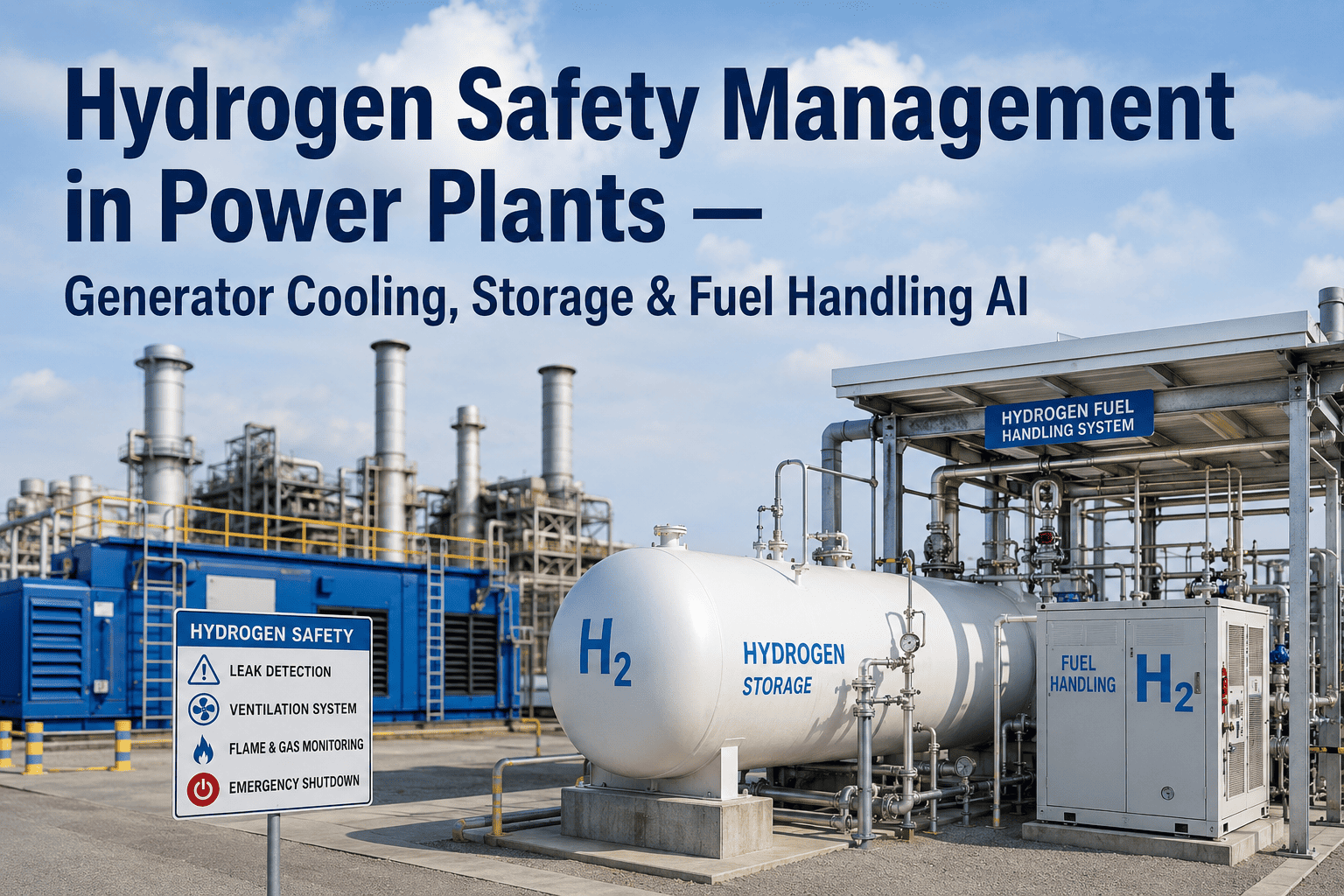
Fuel and ignition source isolation. Adjacent fuel lines, hydrogen cooling systems, and other ignition-adjacent hazards within the clearance zone are checked and confirmed isolated before the permit can activate.
MEASURED OUTCOMES
What Compliance Teams Report After Digitizing Permit-to-Work and Hot Work Management
Minutes
Typical permit issuance time once pre-populated hazard data and digital signatures replace paper forms
Fewer
Isolation conflicts reaching the field once automatic cross-checking runs at the request stage
Immediate
Audit export generation instead of days spent reconstructing paper permit records
Zero Tolerance
For work beginning before every required isolation point is confirmed in sequence
FREQUENTLY ASKED QUESTIONS
Questions Compliance Officers Ask About Digital Permit-to-Work Systems
How does iFactory detect isolation conflicts before they reach the field?
Every permit request is automatically cross-checked against all other active permits and isolation points plant-wide the moment it is submitted, so an overlapping isolation or a hot work permit near an unrelated active job gets flagged for resolution before an area authority ever approves it. This replaces a process that previously depended entirely on someone manually remembering every other permit currently open across the facility.
Book a demo to see the conflict engine run against your current permit board.
What happens if a permit expires while work is still in progress?
The system automatically blocks continued work and notifies the permit holder, supervisor, and area authority simultaneously the moment a permit reaches its authorized time limit, requiring a documented re-assessment of current conditions before any re-authorization is issued. This closes the specific gap identified in several major incident investigations where work continued past a permit's validity because conditions had changed and no one paused to check.
Contact our support team to review your current permit expiry handling.
Does this replace our existing CMMS or work order system?
No, iFactory's permit-to-work module integrates directly with your existing maintenance work order system rather than requiring a replacement, linking each permit to the parent work order, the equipment being serviced, and the procedure being followed. This keeps permit records connected to the maintenance history that generated them instead of living in a separate, disconnected system.
Book a demo to see how this integrates with your current CMMS.
How are multiple energy sources on complex equipment handled?
Each isolation point — whether electrical, pneumatic, hydraulic, steam, or mechanical stored energy — is recorded individually with its own required isolation method and photo verification, and the digital workflow presents every point in the correct sequence so a step cannot be skipped or confirmed out of order. Equipment with a large number of isolation points is handled the same structured way, preventing any single point from being missed on complex, multi-source machinery.
Contact our support team for guidance on high-isolation-point equipment.
How long does a digital PTW rollout typically take, and what happens during shift handover?
Most facilities begin with the highest-frequency permit types, such as hot work and standard LOTO, before expanding to confined space and other permit categories over several weeks. During shift handover, the system generates a structured snapshot of every open permit and active isolation, requiring explicit acceptance from the incoming shift before responsibility transfers, replacing a verbal briefing that depends entirely on what the outgoing supervisor remembers to mention.
Book a demo to see a rollout plan scoped to your facility.
Turn Every Permit Into a Structured, Auditable Record — Not a Signature on a Clipboard
iFactory enforces isolation sequence, conflict detection, and closure requirements on every permit, every shift.