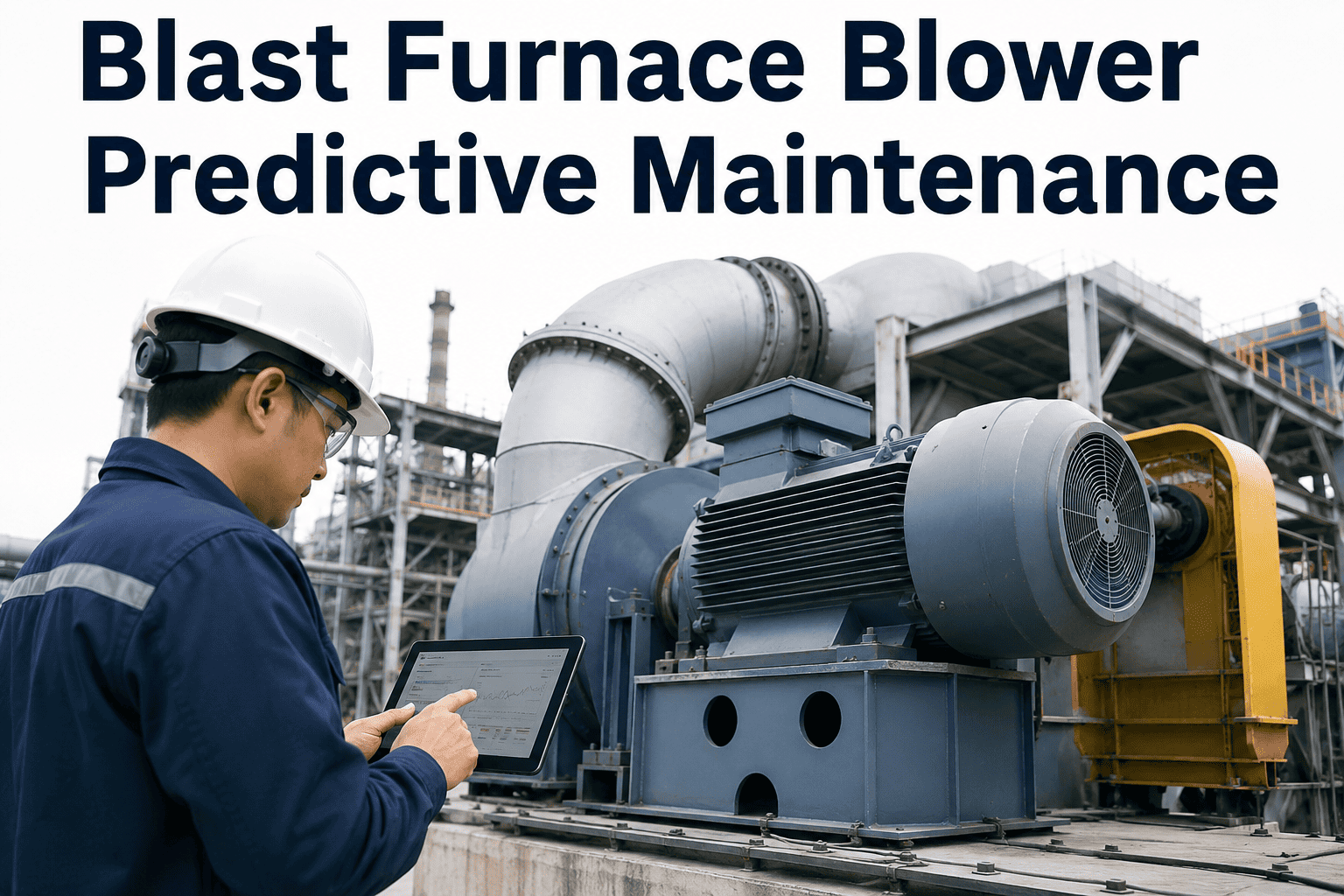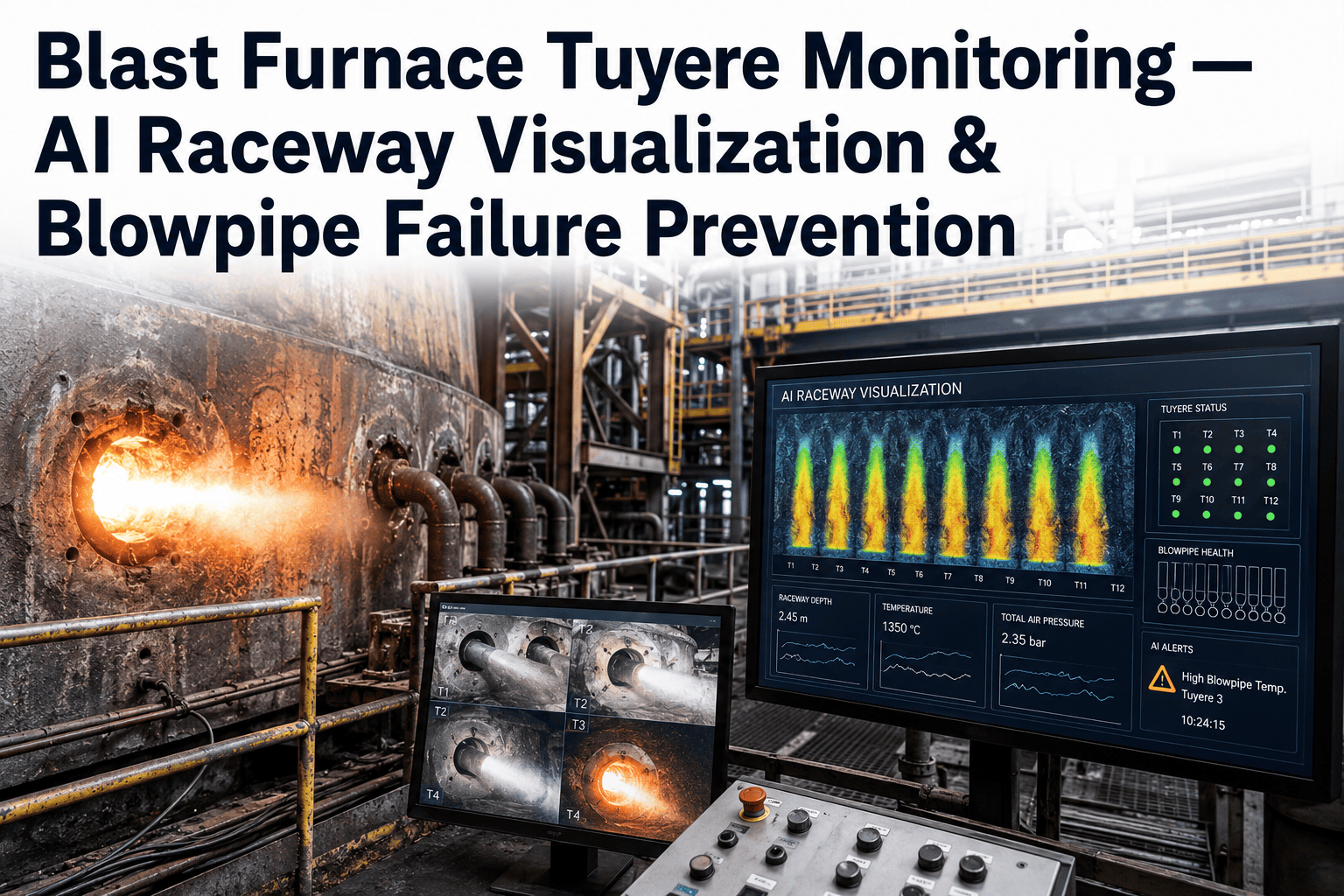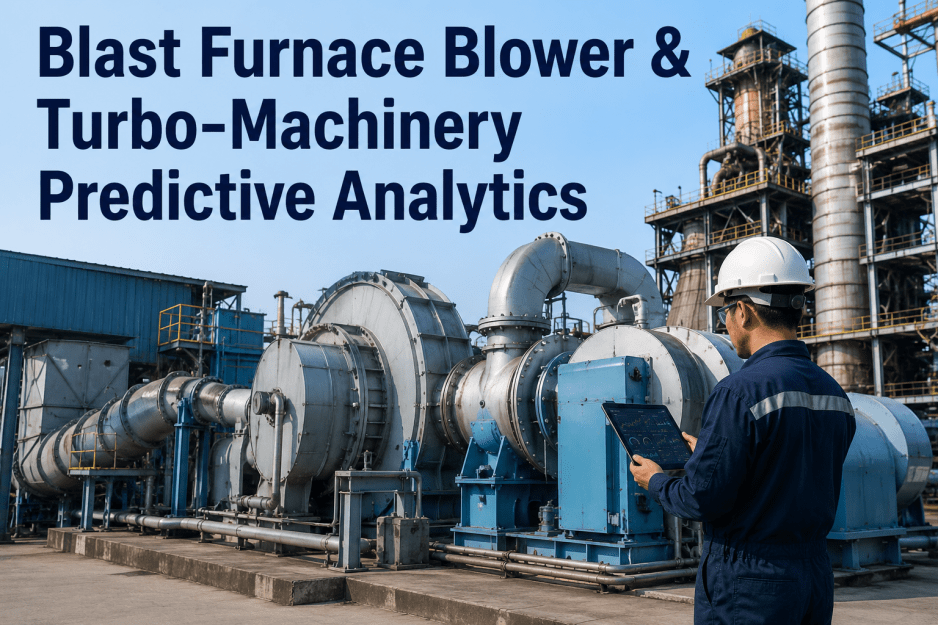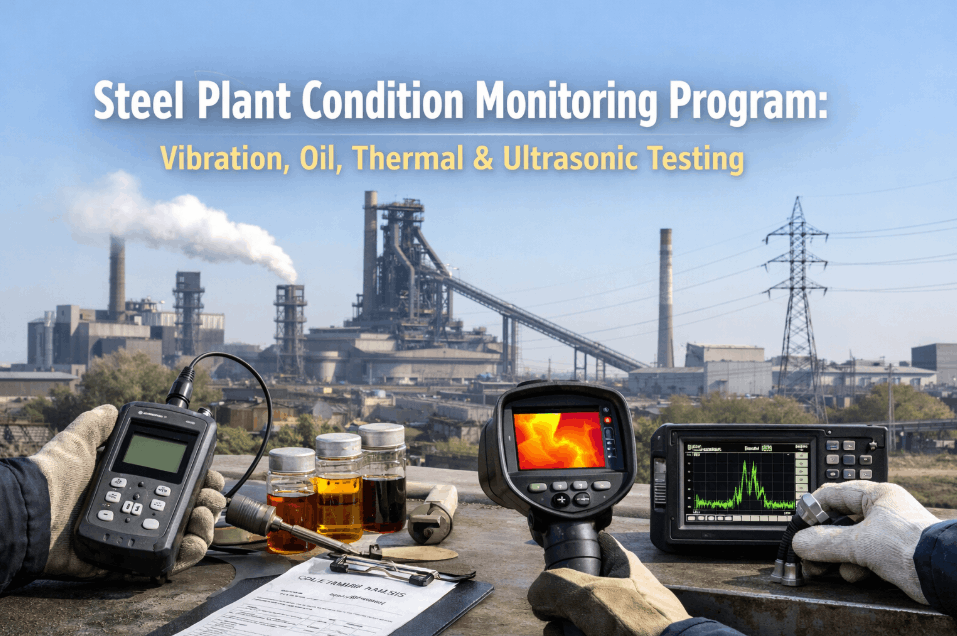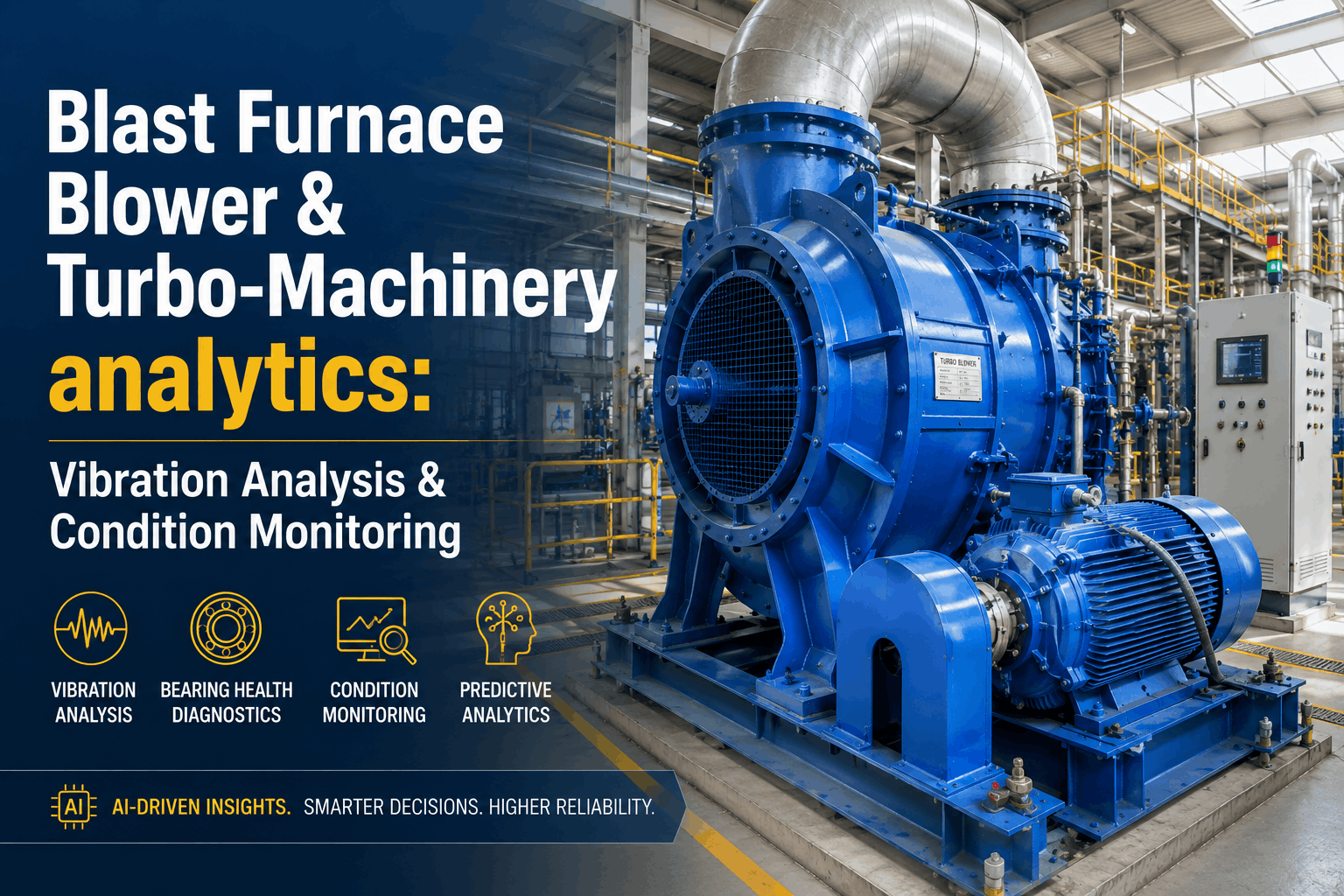
The blast furnace blower is the "lungs" of the ironmaking process. Operating at extreme rotational speeds—often between 3,000 and 5,000 RPM—these massive turbo-machinery assets must deliver a constant, high-pressure cold blast to the furnace 24/7. Any unplanned stoppage of the blower isn't just a mechanical failure; it is a process catastrophe that can lead to a chilled hearth and weeks of lost production. Traditional vibration monitoring, which relies on simple "overall level" alarms, is fundamentally insufficient for high-speed centrifugal and axial compressors. Organizations that book a demo with iFactory are discovering how AI-driven vibration spectral analysis, real-time surge margin tracking, and predictive bearing diagnostics can eliminate catastrophic turbo-machinery failures and optimize their most expensive mechanical assets.
Eliminate Unplanned Blower Outages with AI-Powered Turbo-Machinery Analytics
iFactory's Mobile AI-driven App bridges the gap between legacy vibration sensors and real-time predictive intelligence — purpose-built for blast furnace blower reliability and lifecycle maximization.
The Physics of Resonance: Why Traditional Blower Alarms Fail
The primary challenge in turbo-machinery management is the "Signal-to-Noise" ratio. High-speed blowers generate massive amounts of background vibration. A standard SCADA threshold might be set to alarm at 50 microns of displacement, but a critical bearing defect—such as sub-synchronous whirl or a localized inner-race crack—can manifest as a tiny 2-micron signal buried deep within the spectrum. By the time the overall vibration level trips an alarm, the bearing is often already in a state of terminal failure. iFactory's AI-driven approach replaces static thresholds with dynamic "Spectral Digital Twins" of the machine's physics. These models ingest thousands of vibration, temperature, and pressure tags every millisecond, identifying micro-drifts in frequency harmonics long before they manifest as a physical rub. Reliability engineers looking to stabilize their blower performance often choose to schedule a session to evaluate their asset's data-readiness for autonomous condition monitoring.
The Traditional Blower Maintenance Loop — Where Catastrophic Failure Is Born
Overall Level Monitoring
Sensors track gross vibration displacement. Minor frequency shifts go unnoticed as long as "total" levels remain below the red-line.
Diagnostic Latency
An alarm trips. Data must be manually exported for "Vibration Specialist" review. This often takes 24-48 hours during which the machine continues to run.
Hindsight Reporting
Experts confirm a bearing wipe. The machine is already in an emergency state. Parts are not in stock, leading to long lead-time delays.
Reactive Overhaul
Emergency repair at 3x the cost. Blast furnace wind is cut, resulting in massive iron production losses and potential hearth damage.
The High-Frequency Vibration Blind Spot
Most legacy systems filter out frequencies above 2kHz to reduce "chatter." However, early-stage aerodynamic instability and bearing "clicking" occur at much higher frequencies. iFactory AI utilizes high-bandwidth edge processing to analyze these ultra-fast signatures—catching impeller cracks and shroud rubs weeks before they enter the audible or low-frequency range.
Invisible Surge Margin Drift
Blower performance curves shift over time due to blade erosion and ambient air density changes. A surge protection system tuned five years ago may now be "dangerously loose." iFactory's ML models continuously update the blower's operating envelope, identifying when the machine is operating too close to the surge line—preventing the destructive pressure reversals that shatter seals.
Oil Lifecycle & Bearing Temperature Gaps
Bearing temperatures are often dismissed as "stable" if they don't exceed 85°C. But a 3°C rise at constant load and ambient temp is a terminal indicator of oil film breakdown. iFactory creates a "Digital Birth Certificate" for every bearing, automatically correlating oil viscosity data with thermal trends for 100% reliability readiness.
Financial Impact Visualization: Reactive vs. Predictive Blower Management
The economic argument for AI in turbo-machinery is centered on "Catastrophe Prevention." For a high-speed blower, a bearing wipe often leads to shaft deflection, which destroys the seals and potential impeller contact. The comparison below demonstrates how shortening the response time from hours to milliseconds preserves capital by preventing the "Damage Cascade" that occurs during unplanned vibration drift.
Deep-Dive: The Science of Turbo-Machinery Component Optimization
iFactory's architecture avoids the pitfalls of "Black Box" AI by utilizing specialized modules for every critical blower component. We integrate with your existing Bentley Nevada, Honeywell, or Siemens systems to create a unified data lake where AI can perform cross-functional correlations. For example, the AI can correlate steam turbine throttle valve position with blower discharge pressure—identifying governor hunting issues that were previously invisible. Maintenance leads looking to unify their plant data often choose to book a demo and see our turbo-machinery dashboard in action.
Blower Core & Aerodynamics
±0.1% Surge PrecisionThe Core module uses pressure-flow analytics to autonomously map the actual surge line. This creates a more stable blast air supply, reducing energy waste and preventing aerodynamic buffeting. By predicting performance decay ahead, iFactory reduces the need for "preventative" internal inspections, saving thousands in unnecessary outages.
Bearing & Seal Lifecycle Suite
Journal Health TrackingTilt-pad bearings require millisecond-level orbit analysis. iFactory's AI monitors proximity probe phase data to detect "shaft centerline drift." The system autonomously identifies seal oil contamination or pad wear, preventing breakouts while simultaneously optimizing lubrication cycles to extend bearing life by up to 40%.
Power & Turbine Drive Analytics
Governor StabilityIn the drive-train, AI analyzes the vibration spectrum of the high-speed gearbox or steam turbine. This eliminates resonance issues during speed transitions and prevents thrust bearing failure by predicting load shifts. The result is a 5% increase in total powertrain availability and significantly reduced overhaul costs.
"Transitioning to iFactory's predictive blower analytics felt like upgrading from a blind mechanic to a high-speed X-ray. We no longer wait for the vibration alarm to tell us we've made a mistake; the AI identified a 'loose-foot' resonance on our axial blower weeks before the bolts would have sheared. Our availability improved by 6.2% in the first year, which directly translates to millions in bottom-line growth. It is the gold standard for turbo-machinery."
BF Blower & Turbo-Machinery Analytics — Frequently Asked Questions
How does iFactory differ from our existing Bentley Nevada system?
Traditional vibration systems are great at capturing data but poor at interpreting it. iFactory sits "above" systems like Bentley Nevada, acting as an AI Optimization Layer that correlates vibration with process variables (flow, pressure, temp) to identify the root cause of an anomaly, not just the fact that it exists.
Can you monitor axial blowers for surge?
Yes. Axial blowers are highly sensitive to surge which can cause instant blade failure. iFactory's high-speed analytics track the "pre-surge" pressure oscillations at 1kHz, providing an early warning up to 10 seconds before a traditional surge protection system would trip.
What type of sensors do we need for AI monitoring?
We primarily utilize existing proximity probes (X-Y), accelerometers, and key-phasors. Our IoT gateways can also ingest secondary data like oil pressure, bearing temperature, and motor current to build a truly multi-parameter predictive model.
Does the system help with steam turbine governors?
Yes. Governor hunting and throttle valve instability cause massive steam waste and mechanical stress. Our AI identifies the specific harmonic signatures of a sticky governor valve, allowing for targeted lubrication or calibration during a short furnace stop.
How long does it take to train the AI on our specific blower?
We use a "Physics-First" pre-trained model for centrifugal and axial compressors. This allows us to be active in "Monitoring Mode" within 48 hours. The AI then fine-tunes its "Digital Twin" of your specific machine's unique vibrations over the first 2-4 weeks.
Can the AI predict oil seal failure?
Yes. By analyzing the delta-P across the seal oil filters and correlating it with bearing drain temperatures and shaft vibration, the AI can detect the onset of seal-face wear or carbon ring degradation long before oil consumption increases.
How does the system handle speed changes during blower startup?
Startup is a high-risk period due to critical speeds and resonance. iFactory's AI utilizes "Speed-Aware Orbit Analysis" to ensure the shaft remains within the safety envelope as it passes through the machine's critical resonance zones.
Is the platform accessible on mobile devices?
Yes. Every alert and real-time vibration spectrum is accessible via the iFactory Mobile App, allowing reliability engineers to perform deep-dive analysis from the plant floor or their home, reducing the response time to critical events.
Safeguard Your Air Supply with AI-Driven Blower Analytics
iFactory's Mobile AI-driven App delivers integrated turbo-machinery modules, predictive vibration analytics, and autonomous health monitoring — built for reliability leads ready to eliminate unplanned downtime.